

If your metal roof needs a repair, it’s best to hire a roofing professional to handle it safely. Stay tuned to learn about cost factors for metal roof repair.

Metal roofs are noisy in rain compared to asphalt shingles, measuring 52 decibels versus 46 decibels, but your ears can't easily detect volume differences under 8 decibels.
Proper roof decking and attic insulation in your home dampen metal roof noise significantly, keeping sound levels comparable to other roofing materials when installed correctly over residential structures.
Maximizing your attic insulation helps reduce rain noise transfer while improving energy efficiency, and choosing experienced metal roof installers ensures proper sound-dampening materials are included during installation.
Hiring a local metal roof installing professional provides peace of mind with proper underlayment and insulation installation, keeping noise levels comfortable while maximizing your roof's longevity and energy savings.
Love the longevity and look of a metal roof, but afraid it’ll be too noisy when it rains? Metal roofs’ reputation for being noisy when it rains may not be earned—in fact, their noise levels are comparable to other roofing materials when properly installed. We explain why metal roofs have a bad rap when it comes to noise and how to ensure your metal roof doesn’t amplify the sound of every raindrop that hits it.
When discussing the pros and cons of metal roofing, noise is always one of the drawbacks listed—and in some cases, that’s not completely off base. A metal roof installed over a barn or shed can be loud in a rainstorm, but those examples don’t consider how roofs are installed on houses. Unlike with outbuildings like barns and sheds, house roofs aren’t installed directly on top of the rafters and trusses—there are layers of decking and insulation that provide sound dampening and prevent energy loss.
Even if you walk on a metal roof, sound won’t necessarily transfer into the house any louder than it would with another roofing material. The necessary layers that make up a residential roof keep that noise to a minimum. The price of insulation, underlayment, and other roofing materials built into metal roof costs is comparable to what’s needed for other types of roofing, so you won’t necessarily need to pay extra to make a metal roof quieter.
The Engineering Acoustics Group at the Lulea University of Technology in Sweden tested the noise levels of rain on different kinds of roofing. Rain on asphalt shingles was measured at 46 decibels, while rain on a metal roof was measured at 52 decibels. So, while a metal roof is louder in the rain than an asphalt roof, people generally cannot differentiate volume differences of less than 8 decibels, so the difference isn’t as obvious as you might think.
When comparing a metal roof and a rubber roof, the sound-absorbing qualities of the rubber are likely to make it quieter than a metal roof, but that doesn’t mean the metal roof is too loud for comfort, especially when it has ample underlying materials to help absorb the noise.

If you’re still concerned about excess noise from a metal roof, there are ways to make sure it’s as quiet as possible. Ask a local metal roof installer what materials offer the best sound dampening with a metal roof to ensure you don’t hear more of the rain than you need to. Hire a roofer with extensive experience installing metal roofs—they’ll know the best ways to minimize noise.
A metal roof may lower your insurance costs, so you may be able to allocate some of those savings into maximizing your attic insulation, which will not only help to reduce noise transfer but will keep your home more energy efficient.
While it may be tempting to install a metal roof over shingles to dampen sound, doing so can create other problems, like adding too much weight to your roof’s supporting structure or speeding up the deterioration of old roofing materials. A metal roof can increase your home value, but only if it’s installed correctly.
Mitchell and the crew were top tier i am so happy with my new roof
 Home Genius Exteriors
D1 Roofing delivers outstanding service from beginning to end, backed by a strong warranty and expert teams. I highly recommend them for their excellence in meeting and surpassing expectations with unmatched communication. Choosing D1 Roofing was flawless decision
 Division 1 Roofing LLC
This place took $25,000 for a flat roof job with a five-year warranty and never returned to fix the leaks that were caused by their work. These people are not professionals and should not be doing this type of work. They incorrectly changed the pitch of the roof, and caused more damage than...
The technician was very professional and friendly. He answered all my questions and was very thorough. He left the fireplace area very clean . He inspected from the roof and advised me as to other work that might need to be done. There was no pressure there. I was very satisfied with the...
 Supreme brick & chimney
I am really impressed with their timeliness and turnaround. Mitchell came out, and we decided to move forward with their pricing. Our roof was on within a week, and we could not be happier with their team! Amazing company, great prices and honest, dependable craftsmanship. I highly recommend...
 Window Depot USA of Central Ohio
Manuel Calvillo is the best option in the area for roofing and you won't be disappointed.
They damaged multiple items on my property, including a marble slab used as a table top, tried to hide it, and refused to pay or replace. Arrived day one without a ladder to access roof & delayed a day. Left a mess in back yard; didn't wear face masks; no show by owner to property to see damages
 Grants Tree Service
I've hired Gary/Cherokee Roofing for two different homes, work quality, responsiveness, and completion have been great both times. And the prices quoted were very competitive. I would definitely hire again.
Lyle did a great job removing asbestos shingles from our front porch roof. They worked together with our roofer to make sure that the new roof was able to be installed on the same day that Lyle removed the asbestos shingles.
 Lyle Environmental
Bradley Builders did a good job replacing the roof on our front porch. They color-matched the existing shingles on the rest of the house and installed a metal ridge roll since we live in a historical neighborhood. They did the job while we were out of town. When we got back, everything was...
 Bradley Builders, Inc.
From average costs to expert advice, get all the answers you need to get your job done.
If your metal roof needs a repair, it’s best to hire a roofing professional to handle it safely. Stay tuned to learn about cost factors for metal roof repair.
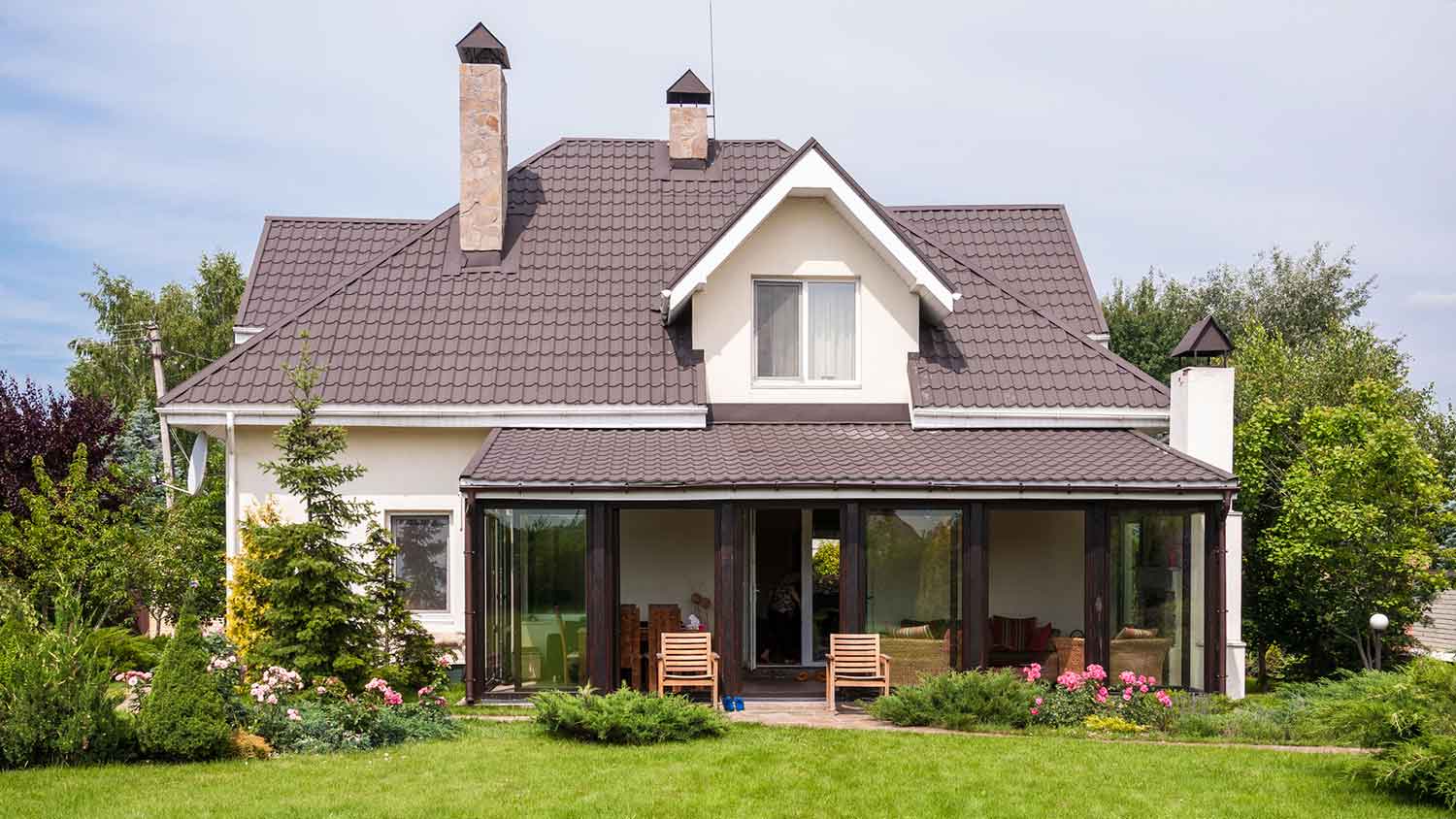
Metal shake roofs offer a long-lasting alternative to asphalt shingles. Learn what metal shake roofs cost and what factors affect how much you’ll pay.
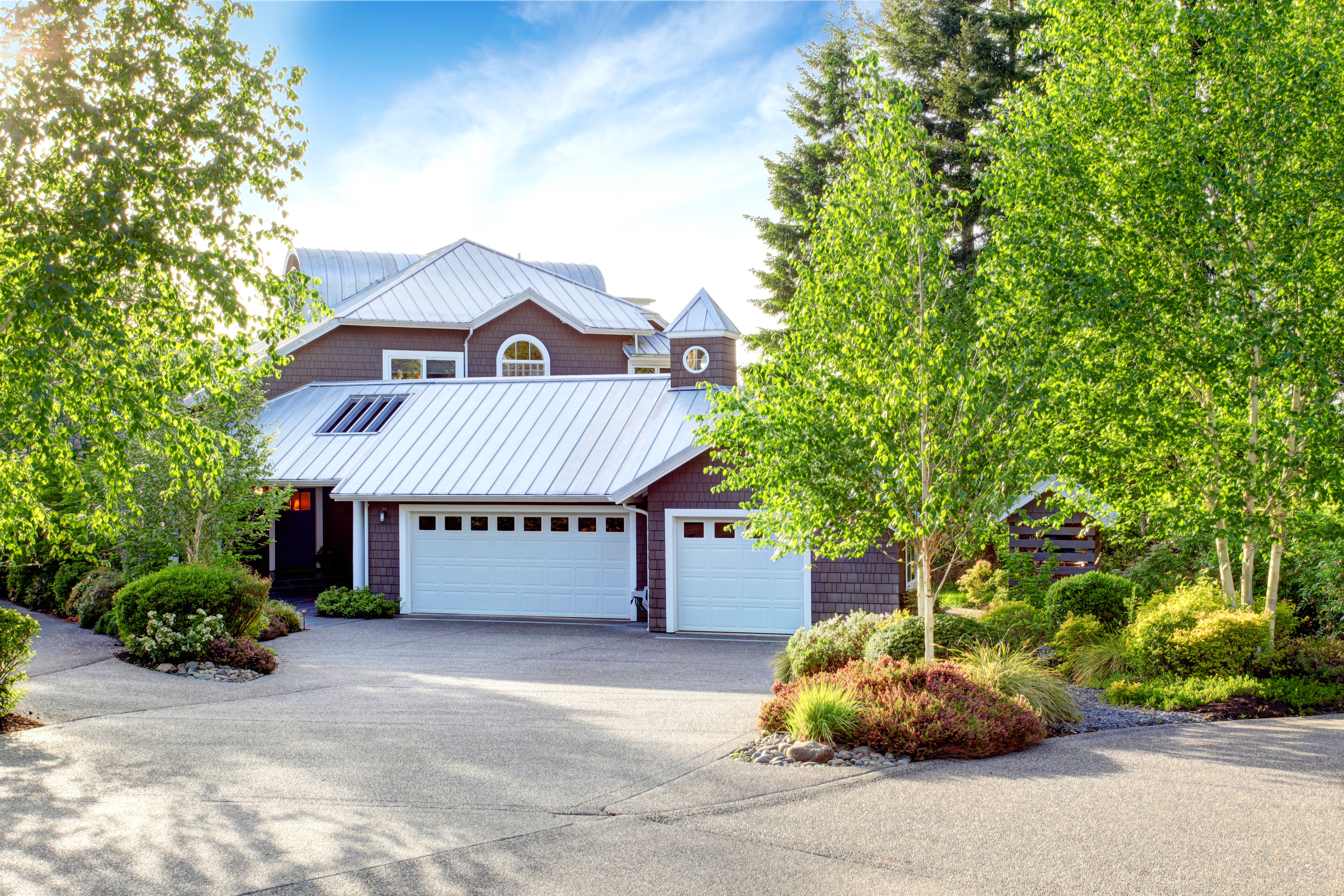
A new metal roof can add a unique touch to your home’s curb appeal and help maximize efficiency. Learn about metal roof costs and what affects your total.
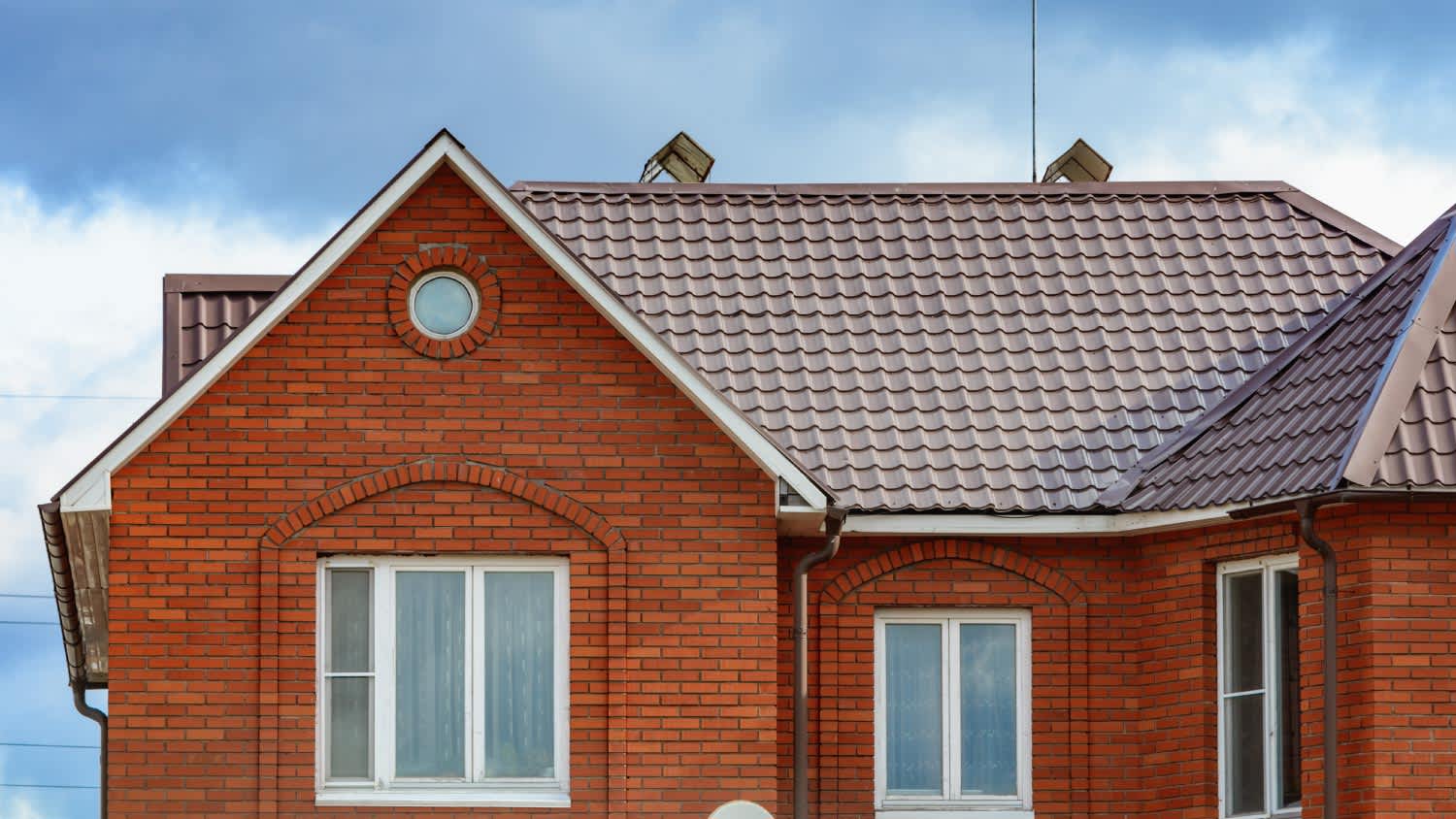
Metal roofing pros and cons include a long lifespan and a high cost, respectively. Keep reading to discover if metal roofing is right for your home.
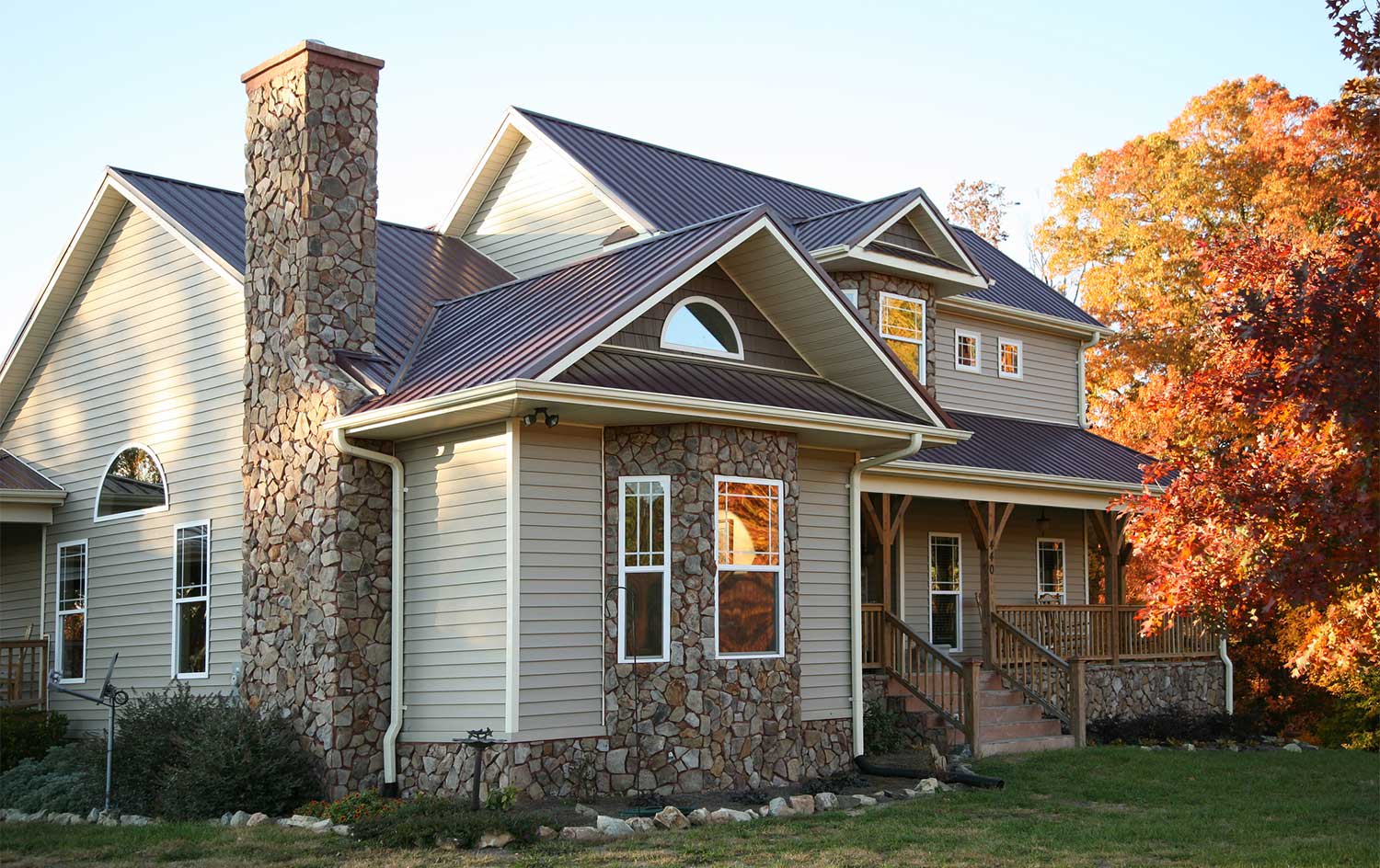
A metal roof increases your home value, energy efficiency, and curb appeal. Learn about the ROI you can expect when choosing metal over other materials.
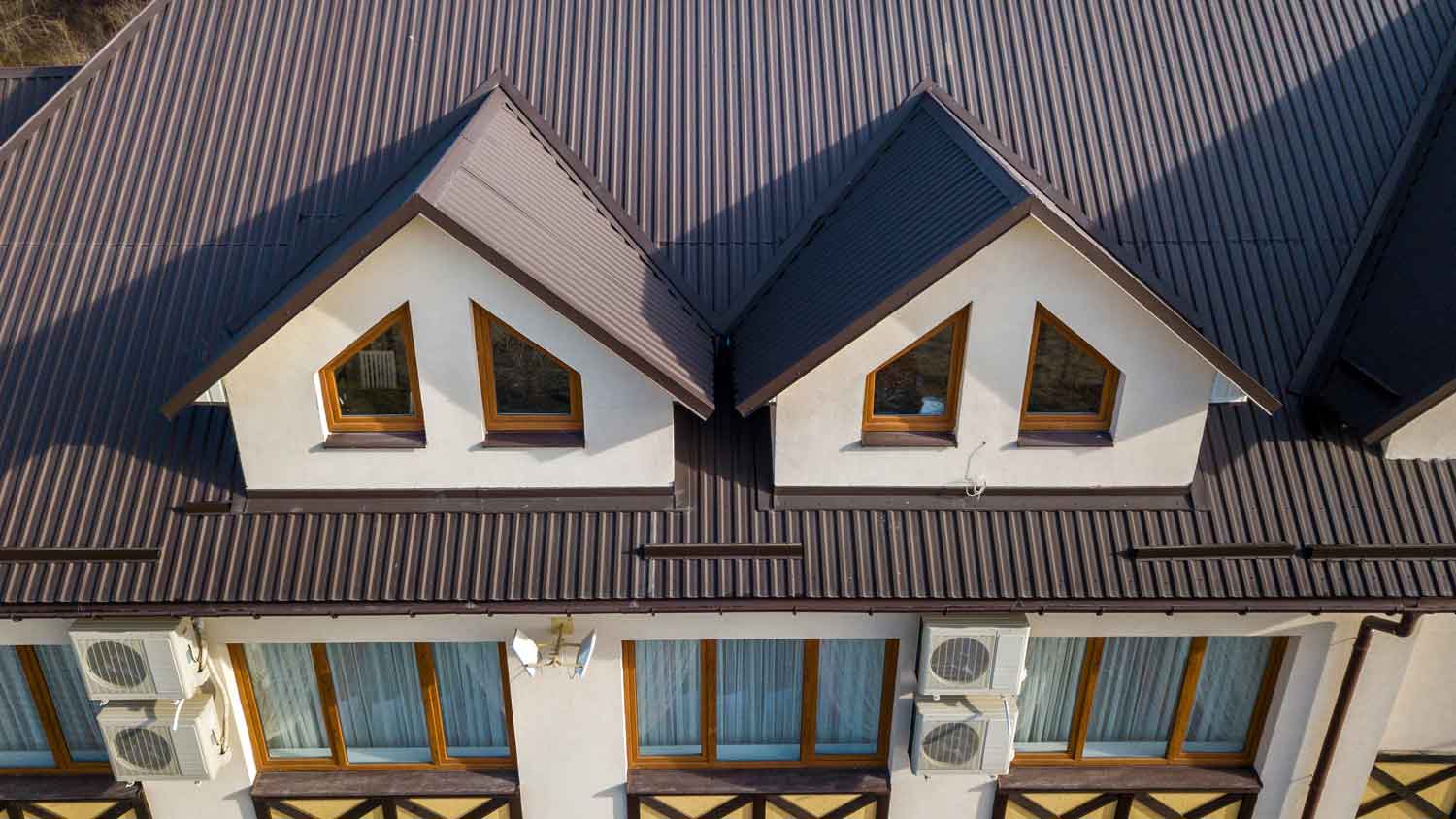
Understanding the styles and types of metal roofs available can help you make the best choice for your home. We’ll discuss the best options for metal roofs.