

Roof cleaning costs may not be as high as you think. Learn why the size and type of your roof, as well as the cleaning method, aren’t the only cost factors.
Get hip to the differences between these two roof styles

Hip roofs slope on all four sides with eaves surrounding your home, while gable roofs have two sloped sides meeting at a peak.
Gable roofs shed snow more easily with steeper slopes, while hipped roofs resist wind damage better since slopes reduce lateral forces on your walls.
Your roof choice depends on local climate, budget, desired attic space, and whether you prioritize snow protection or wind resistance for your home.
Hiring a local roofing professional provides guidance on the best roof style for your climate and ensures proper installation for lasting protection.
Your roof’s style might not be something you think about at all, but having the right style roof is a critical part of protecting your home from the elements. When you’re building new construction, you’ll need to consider the climate, your budget, and even how much attic space you want when deciding whether a gable roof or hip roof is right for your home. Learn the difference between a gable roof vs. a hip roof so you can keep your home safe and protected.

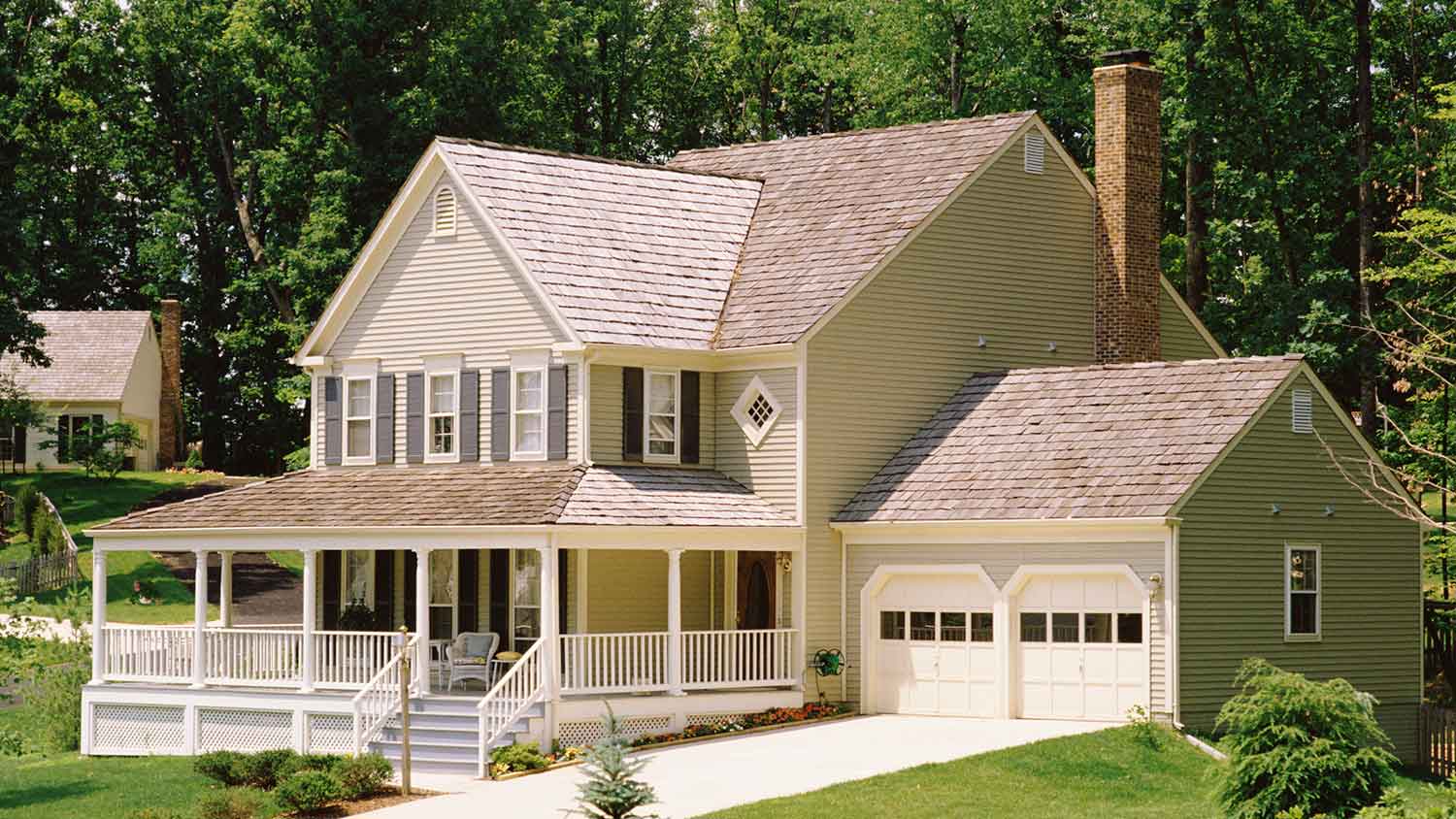
Gable roofs are one of the more common types of roofs in the U.S., featuring two sloping sides that meet at a ridge. They create two exterior walls on the sides of the home that extend from the ground up to the ridge and two sides with eaves. Hip roofs have four sloping sides that join together at a ridge, and all four sides have eaves extending over the exterior walls.

A gable roof consists of two sloped sides that meet at a peak and leave open, flat ends called “gables.” Gables are made of the home’s siding material and extend all the way up to the roof’s peak. This roof style is common in New England and other snowy areas, as the roof slope is more pronounced and sheds snow more easily. Types of gable roofs include the open or classic gable and the cross gable, which combines two gable sections set at right angles to each other. Before deciding if this style is right for your home, consider some of the pros and cons of gable roofs.
| Pros | Cons |
|---|---|
| Sheds snow easily | Less wind protection |
| More attic space | Less curb appeal |
| More affordable | Sloped ceilings |
| Better ventilation |
Best for:
Homes in snowy climates
Homeowners who want to maximize attic space
Homes that need additional ventilation
Gable roofs are the most common roof design found in colder climates due to their superior performance in safely shedding snow and ice. These roofs have steeper slopes than hip roofs, so snow slides off more easily, which can reduce the risk of structural damage under heavy snow loads. They also offer interior benefits—their open sides allow you to install additional ventilation like windows or gable vents, and the vaulted shape provides more attic space.
Gable roofs are simpler to construct than hip roofs, so they’re more affordable. The price of a new roof will always depend on your home’s size, the materials used, and more, but a gable roof will also cost less than a hip roof because roofing materials will only be installed on two sides rather than all four (or more). Gable roofs also only need gutters on two sides, so gutter installation costs will be lower with a gable roof.
Gable roofs may perform exceptionally well in areas that see a lot of snow, but they don’t fare as well when faced with heavy winds. The gable ends are tall exterior walls that will see more stress than those on a hip roof, where the slope on all four sides can cut some of the lateral wind load.
Most homeowners prefer the look of hip roofs, so the simple appearance of a gable roof may be less aesthetically appealing to some homeowners.
Finally, the steep slopes on a gable roof create slanted ceilings inside the home, which cut into your living space.

A hip roof is sloped on all sides with no open ends, so the walls meeting the roof are the same height on every side. Hip roofs come in many different styles, from a classic pyramid to a mansard roof, which has two slopes on each side with a steeper lower slope. All four sides of the home have eaves and require gutters.
| Pros | Cons |
|---|---|
| Better wind protection | Collects more snow |
| No sloped ceilings | More expensive |
| Curb appeal | Reduced attic space |
Best for:
Homes in areas prone to hurricanes and high winds
Prioritizing living space over attic space
Homeowners who want to boost curb appeal
For homeowners who frequently face hurricanes and high winds, hip roofs offer better protection from wind-related damage. Because hip roofs don’t have open sides, the roof slope will reduce some of the forces that would otherwise affect your gable ends on a home with a gable roof. Some insurance companies even offer discounts for homes in high-wind areas with hip roofs installed.
Hip roofs have greater curb appeal, so they’re more likely to add value to your home than a gable roof. The softer roof slope also cuts down on attic space but doesn’t leave you with the intensely sloped ceilings you’d get with a gable roof. The result is more usable living space, which can also help add to your home’s value.
Hip roofs are more expensive than gable roofs because they require more complex engineering and construction. You’ll also be left with eaves on all four sides of the home, which means you’ll need gutters on all four sides as opposed to just two. Roof installation costs and gutter installation costs will be higher with hip roofs.
The lack of gable ends reduces available attic space and decreases ventilation since the roof slopes on all sides. You may need to install roof vents instead, which can increase the risk of roof leaks due to the additional penetrations.
Hip roofs are ideal for windy climates but are less effective against snow and ice. The lower pitch and additional places where snow and ice can collect increase the odds of water damage since snow and ice remain on hip roofs longer than they do on gable roofs. In areas that see excessive snowfall, you may also see heavy accumulation that can cause structural damage.

If you’re not sure whether a gable roof or a hip roof is right for you, consider all the following before deciding.
Gable roofs are the more cost-effective option since you’ll use less roofing material due to fewer slopes you need to cover. The construction process is also simpler and more affordable, and your gutter installation costs will be lower. Look for a local roofer with experience installing gable roofs to ensure the job is done right.
Hip roofs will require repairs less often in areas that see intense winds, but gable roofs have a lower risk of structural damage in areas that see heavy snowfall. Roof maintenance will depend entirely on your climate.
A hip roof will boost your home’s curb appeal with its symmetrical look and eaves that fully surround the home. Gable roofs have a simpler appearance and expose far more of the home’s siding material, breaking up the visual line of the roof.
The style of roof that’ll offer the best protection from the elements depends on where your home is and what kind of weather you experience. In cold, snowy climates, a gable roof will stand up better to the weather, and in windy, hurricane-prone areas, a hip roof will endure the harsh winds with a lower risk of damage.
Gable roofs are simpler and more affordable to install, and they use less roofing material than hip roofs that have double the roof slopes. You’ll also need about half of the gutter material for a gable roof, which means a lower cost when it’s time to install gutters.
If you’re looking to maximize your usable attic space, a gable roof is the way to go. With a higher pitch, a gable roof allows you to turn otherwise wasted attic space into functional storage. You can maximize attic space under a gable roof by choosing attic trusses, which create a boxed in area for more room.
Hip roofs have a less dramatic roof slope, which means the ceilings inside won’t be nearly as slanted. You’ll get more usable living space as a result.
You should base the roof style you choose primarily on the climate in your area. If you see above-average snowfall, a gable roof is the best option, as it sheds snow and ice and reduces the risk of structural damage. If your area sees hurricanes, tropical storms, or tornadoes, a hip roof is best, as the slopes cut down on wind forces on your home.
If you live in a moderate climate where neither is an issue, choose a gable roof for a lower installation cost, and go with a hip roof if you’d rather prioritize curb appeal and usable living space.
Mitchell and the crew were top tier i am so happy with my new roof
 Home Genius Exteriors
D1 Roofing delivers outstanding service from beginning to end, backed by a strong warranty and expert teams. I highly recommend them for their excellence in meeting and surpassing expectations with unmatched communication. Choosing D1 Roofing was flawless decision
 Division 1 Roofing LLC
This place took $25,000 for a flat roof job with a five-year warranty and never returned to fix the leaks that were caused by their work. These people are not professionals and should not be doing this type of work. They incorrectly changed the pitch of the roof, and caused more damage than...
The technician was very professional and friendly. He answered all my questions and was very thorough. He left the fireplace area very clean . He inspected from the roof and advised me as to other work that might need to be done. There was no pressure there. I was very satisfied with the...
 Supreme brick & chimney
I am really impressed with their timeliness and turnaround. Mitchell came out, and we decided to move forward with their pricing. Our roof was on within a week, and we could not be happier with their team! Amazing company, great prices and honest, dependable craftsmanship. I highly recommend...
 Window Depot USA of Central Ohio
Manuel Calvillo is the best option in the area for roofing and you won't be disappointed.
They damaged multiple items on my property, including a marble slab used as a table top, tried to hide it, and refused to pay or replace. Arrived day one without a ladder to access roof & delayed a day. Left a mess in back yard; didn't wear face masks; no show by owner to property to see damages
 Grants Tree Service
I've hired Gary/Cherokee Roofing for two different homes, work quality, responsiveness, and completion have been great both times. And the prices quoted were very competitive. I would definitely hire again.
Lyle did a great job removing asbestos shingles from our front porch roof. They worked together with our roofer to make sure that the new roof was able to be installed on the same day that Lyle removed the asbestos shingles.
 Lyle Environmental
Bradley Builders did a good job replacing the roof on our front porch. They color-matched the existing shingles on the rest of the house and installed a metal ridge roll since we live in a historical neighborhood. They did the job while we were out of town. When we got back, everything was...
 Bradley Builders, Inc.
From average costs to expert advice, get all the answers you need to get your job done.
Roof cleaning costs may not be as high as you think. Learn why the size and type of your roof, as well as the cleaning method, aren’t the only cost factors.
Roof trusses are the literal backbone of your roofing system, and replacing one can get costly. Use this roof truss cost guide to set your budget properly.

The average cost of roof repair for U.S. homeowners averages between $386 and $1,875. Learn what factors can affect roof repair costs.
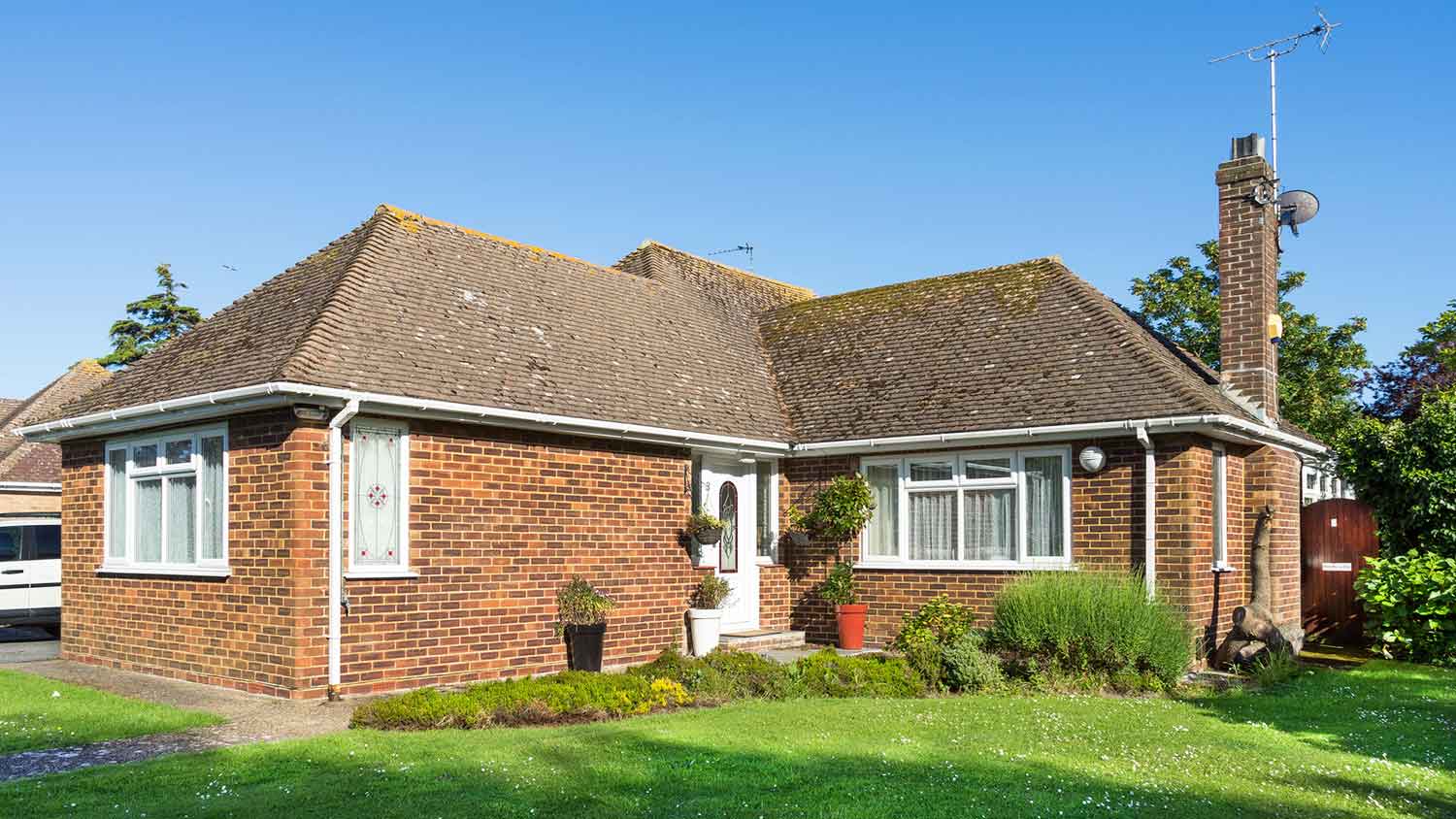
What is a hip roof? This downward-sloping roof style is popular throughout America. Learn what a hip roof is in this helpful guide.
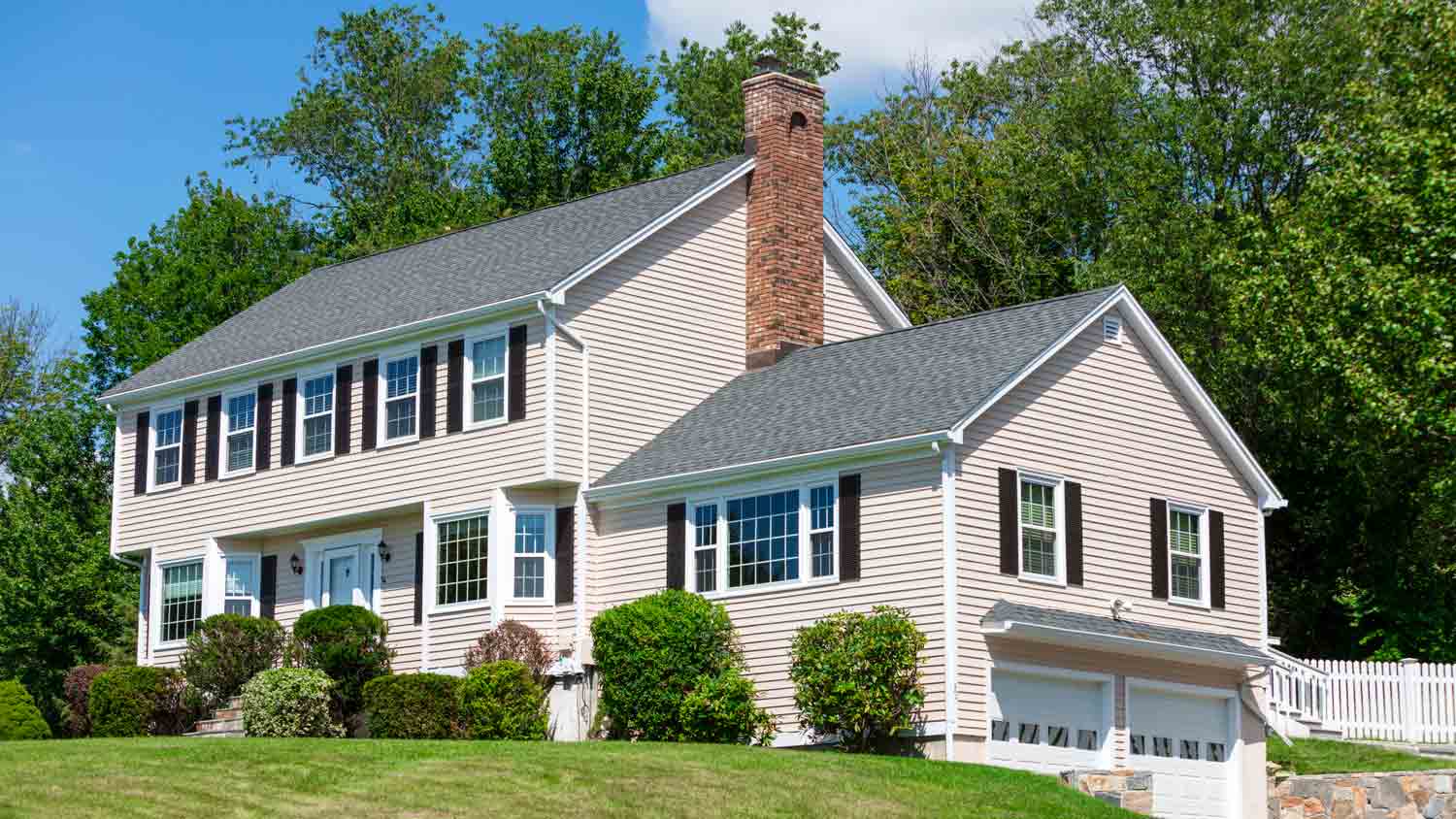
Gable roofs are incredibly popular, but what is a gable roof? Learn everything about one of the most versatile—and classic—types of roofs.
When building a new home, adding a gable roof can deliver a timeless, classic style. Learn about the seven most popular types of gable roofs.