


Backsplash installation costs vary by tile type, design, kitchen layout, and contractor. Find out how much your dream backsplash will cost you.
The average U.S. homeowner spends $103,300 on a bedroom and bathroom addition, but costs can range from $37,500 to $117,000 depending on the scope of the project.


The size of the bedroom and bathroom is the largest cost factor, as contractors charge $80 to $220 per square foot for these room additions.
Luxury en suite bathrooms can cost three times as much as a standard single bath and six times as much as a simple powder room.
You’ll need to budget for construction permits, which adds an average of $900 to your total.
This project has an average 60% ROI, making it a great way to add utility and value to your home.
Whether you need extra space or want to add a little luxury, the cost to add a bedroom and bathroom can be worth it for the increase in home value. The average primary suite addition costs $103,300 or $160 per square foot. However, costs can range from $37,500 to $150,000 depending on room size and materials used.
Bathrooms are far more expensive to build on average than bedrooms, so expect the cost to add a bathroom to take up the majority of your project budget. Your costs will vary significantly depending on the type of bathroom you want for your addition. Costs per bathroom type break down as follows:
Powder room addition: $5,000
Half bathroom addition: $7,500
Full bathroom addition: $10,000
Luxury bathroom addition: $15,000–$30,000+
A bedroom and bathroom addition costs an average of $160 per square foot. This rate can range from $80 to $220 per square foot depending on the features you include and the finishes and materials you choose.
The footprint of a primary bedroom alone can range from 200 to 400 square feet. A primary bathroom can add another 50 to 200 square feet on top of that. Larger additions require higher material and labor costs, as detailed in the table below.
| Total Size (Square Feet) | Average Cost |
|---|---|
| 250 | $20,000–$55,000 |
| 300 | $24,000–$66,000 |
| 400 | $32,000–$88,000 |
| 460 | $36,800–$101,200 |
| 560 | $44,800–$123,200 |
| 600 | $48,000–$132,000 |
A general contractor is an expert who can manage your primary suite project by planning and scheduling the build, hiring other professionals, pulling permits, ordering materials, and more. This valuable service takes a lot off your plate, but also accounts for roughly 10% to 25% of the overall budget, or $10,330 to $25,825 on average.
Hanging drywall: $2,100
Installing interior doors: $800 each
Installing windows: $1,200 each
Laying flooring: $3,200
Building a closet: $2,000
The cost to hire an electrician for your project is $50 to $130 per hour. You'll need an electrician to bring power to your new room addition, including lighting and outlets for appliances and devices.
Adding new electrical circuits: $700 each
Installing outlets: $300 each
Adding light fixtures: $500 each
Installing a ceiling fan: $250
Adding a bathroom involves plumbing for several different fixtures which will make up a large portion of your overall budget. Hiring a plumber costs $45 to $200 per hour.
Rough-in plumbing for a bathroom: $6,500
Installing a toilet: $400
Installing a sink: $450
Installing a shower: $8,100
In addition to hiring a general contractor, an electrician, and a plumber, you may need to bring on the following experts to build a bedroom and a bathroom.
Architect: Fees for an architect will make up 1% to 8% of your total budget. An architect will help you plan your space and draw up those plans for your contractors, ensuring that the new bedroom and bathroom fit the flow of your home.
Structural Engineer: Fees for a structural engineer will make up anywhere from 1% to 10% of your total project budget. Their role is to ensure that your room addition is stable and structurally sound.
Interior Designer: The cost to hire an interior designer ranges from $2,100 to $14,700. You may opt to hire a designer to put the finishing touches on your primary suite, including permanent features, furnishings, colors, and décor.
The cost to add a bedroom and bathroom to your home will vary by state. The table below provides a look at costs in certain states to give you an idea of what to expect near you.
| Location | Average Cost |
|---|---|
| Alabama | $46,540 |
| California | $61,100 |
| Iowa | $84,200 |
| Kansas | $38,600 |
| Michigan | $75,100 |
| New York | $90,000 |
| Texas | $48,200 |
| Virginia | $52,300 |
Your budget for a new primary bedroom suite should account for the following factors in addition to professional labor.
Before construction can begin on your new bedroom and bathroom addition, the space must be completely cleared of landscaping features. Expect demolition and prep to cost between $1.30 and $2 per square foot.
Any residential construction project requires permits from your local building department. On average, you'll pay $900, though this will vary by municipality.
A primary bedroom requires a wide range of materials, from lumber for framing and support to a concrete foundation, siding, roofing, drywall, paint, doors, windows, electrical and plumbing equipment, and flooring. Expect to pay anywhere from $10,000 to $100,000 on materials alone, or $40,000 on average.
Adding a new bedroom and bath to your home is an exciting prospect. However, DIYers shouldn’t tackle a project this large and complex, as even one small mistake can lead to serious problems down the road. For the best results, hire a home addition contractor near you who can produce professional results for a long-lasting build.
Here are the benefits when you hire a home addition contractor for the job:
Your contractor will complete several tasks that a homeowner cannot safely take on, including pouring a foundation, framing new rooms, running utilities, and more.
A pro will handle the permitting process and ensure that everything is built in accordance with local building code.
They will coordinate with the professionals who will participate in the project, including plumbers and electricians, and potentially an architect or structural engineer.
You’ll receive expert advice during the planning and design stages, allowing you to maximize your budget.
You won’t have to worry about making common DIY mistakes like not letting the foundation cure properly or making errors during electrical or plumbing work that will prevent you from passing inspections.
While you should leave the vast majority of the work to the pros, there are some simpler aspects of the project that you could potentially tackle as a DIYer:
Installing the flooring, cabinets, and light fixtures
Putting up the drywall and painting the walls
Customizing your closet with built-in shelving
Adding accessories like shower grab bars and towel racks
[For a home addition], we charge piece-by-piece for the project, then we add our profit and overhead. For example, lumber for the project, permits, demolition, electrical, plumbing, and drywall. I add them up and then add our profit and overhead. On smaller jobs, we work by the hour and then add the material on top of that.

When it comes to a large-scale project like a bedroom and bathroom addition, the terms remodel, renovation, and expansion each have different meanings. Before you talk to any pros, familiarize yourself with the definitions.
A remodel is focused on transforming an existing space via changes to its layout or function. In a primary suite, this can include relocating plumbing, bumping out the square footage, adding or expanding a closet, and replacing cabinets, floors, and countertops.
A remodel is focused on making a room look new via simpler projects that homeowners can often DIY. This can include refreshing paint jobs, refinishing cabinets, replacing plumbing hardware, and adding new furnishings.
An addition involves adding a completely new primary bedroom where there wasn't one previously. This is a highly involved project that requires pouring a new foundation, building out new framing and support structures, new siding, roofing, and walls, and running utilities like plumbing and electrical wiring.
| Primary Suite Remodel | Primary Suite Renovation | Primary Suite Addition |
|---|---|---|
| Change bedroom or bathroom layout | Restore space to look new | Add rooms to increase a home's square footage |
| Significant updates to look and functionality without structural changes | Layout stays the same, with focus on repairs and replacements | Requires several pros to accomplish different tasks |
| Costs are moderate | Costs are low | Costs are high |
Primary bedroom and bathroom home addition costs vary widely according to the scope of the project, so there's lots of room to save if you're trying to stay on or below a budget. Consider these tips:
DIY some tasks: You may not be able to do more complex construction tasks, but simpler jobs like laying flooring, hanging drywall, and painting may be areas where you can save on labor.
Choose more affordable materials: Lower-cost but quality material options can help you save. For example, opt for carpeting over hardwood flooring, choose budget-friendly plumbing fixtures, and thrift to find unique furnishings.
Limit your square footage: On average, a primary bedroom suite costs $160 per square foot, so building a smaller space can save you thousands. Build only enough space to meet your needs.
Get multiple quotes: Talk to more than one contractor so you can compare quotes and assess their qualifications. The right contractor will be one that is transparent and listens to your goals.
Adding a bedroom and bathroom significantly increases a home's value. Building a primary bedroom suite offers a 60% return on investment (ROI), so you'll recoup more than half the cost of your project when you sell your home. Additional living area not only helps a home sell faster in the future, but it makes the home more comfortable and functional while you still live there.
Let your home addition pro know your goals, including the size of the new bedroom and the type of bathroom you want.
Communicate with your contractor to ensure the project aligns with your goals for your new bedroom and bathroom while staying within your budget.
Have some reference photos available so your pro can see what you’re envisioning for the layout and details for your new rooms.
Determine if demolition work will be necessary for your new home addition, and how long water and electrical services will be shut off.
Home is the most important place on earth, which is why Angi has helped more than 150 million homeowners transform their houses into homes they adore. To help homeowners with their next project, Angi provides readers with the most accurate cost data and upholds strict editorial standards. We extensively research project costs to develop the pricing data you see, so you can make the best decisions for you and your home. We rely on reputable sources, including the U.S. Bureau of Labor Statistics, academic journals, market studies, and interviews with industry experts—all to ensure our prices reflect real-world projects.
Want to help us improve our cost data? Send us a recent project quote to [email protected]. Quotes and personal information will not be shared publicly.
From average costs to expert advice, get all the answers you need to get your job done.
Backsplash installation costs vary by tile type, design, kitchen layout, and contractor. Find out how much your dream backsplash will cost you.
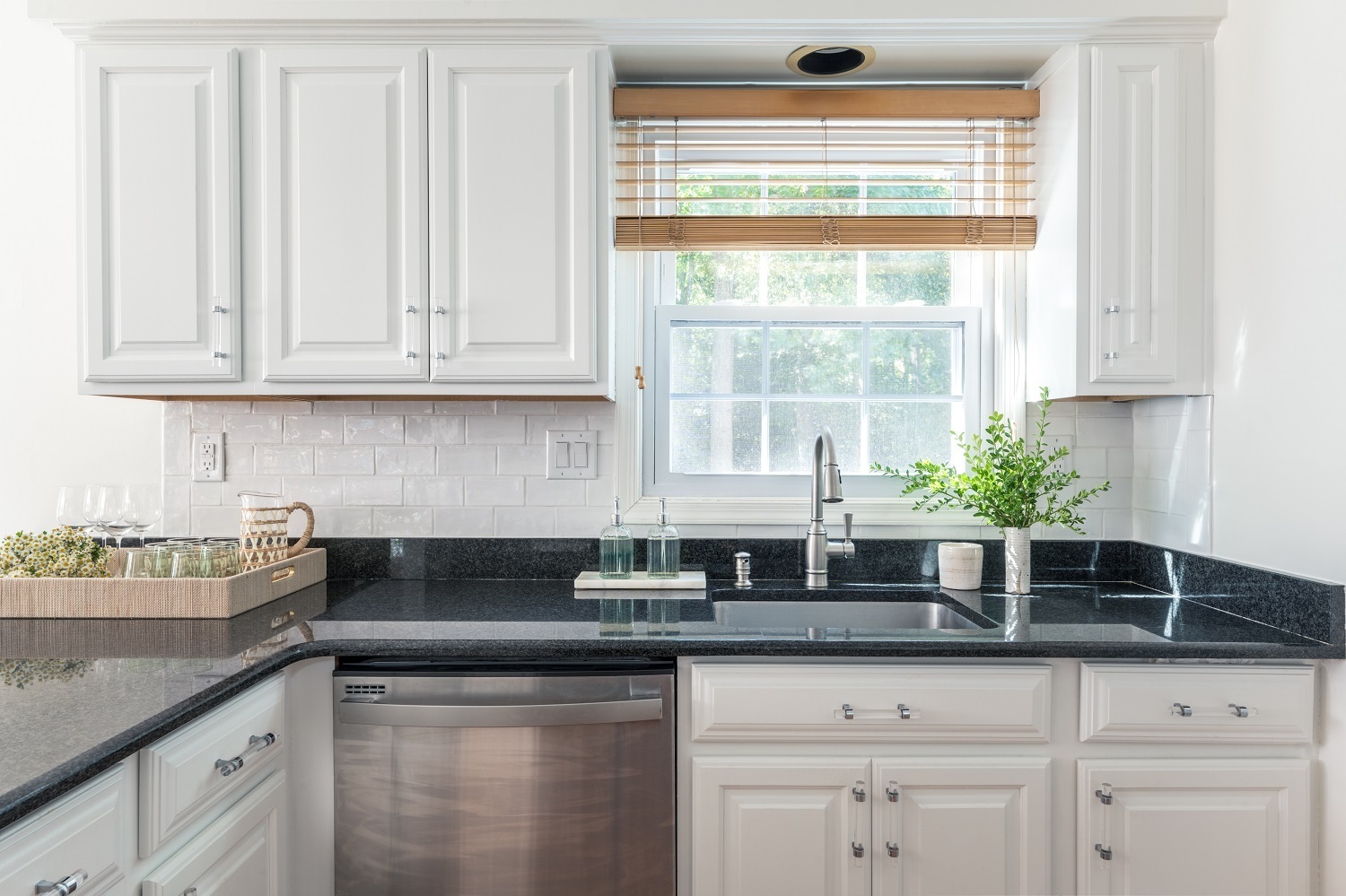
How much does a kitchen remodel cost? Find out the average cost and where you can save money on the path to building your ideal cooking space.

Whether you're dreaming up a new office or a peaceful sunroom, home addition costs will shape your design. Learn what to expect for every vision.

A handyperson is an ideal pro to remove and install your new bathroom vanity and sink. We have rounded up the best people who can get the job done.
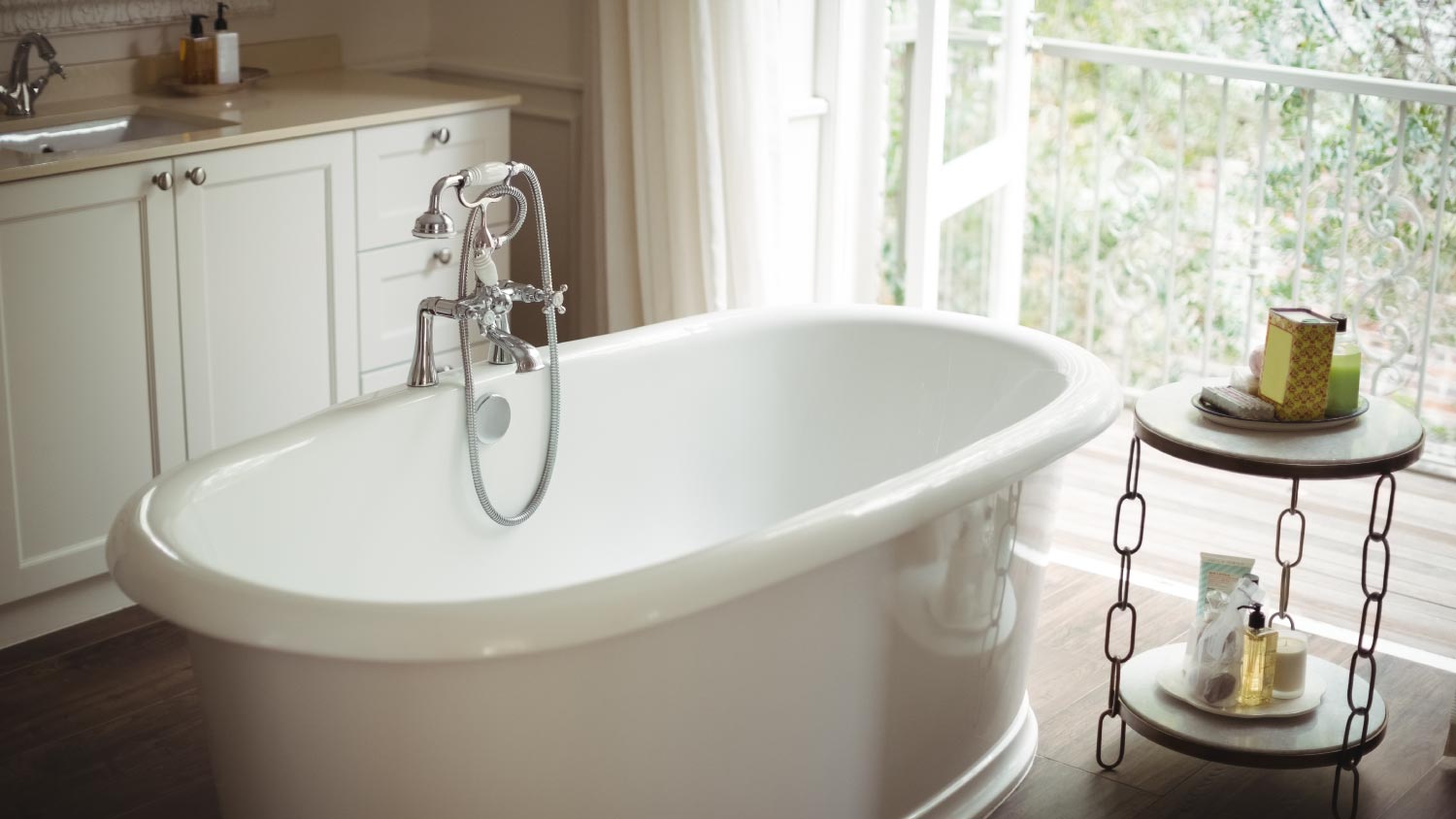
An updated bathtub can give a bathroom a whole new look. Find out how much it costs to replace a bathtub in Los Angeles, CA, including prices by type and labor costs.

Learning how to remodel a house on a budget involves prioritizing projects and figuring out how much of the work you can do yourself to save on labor costs.