

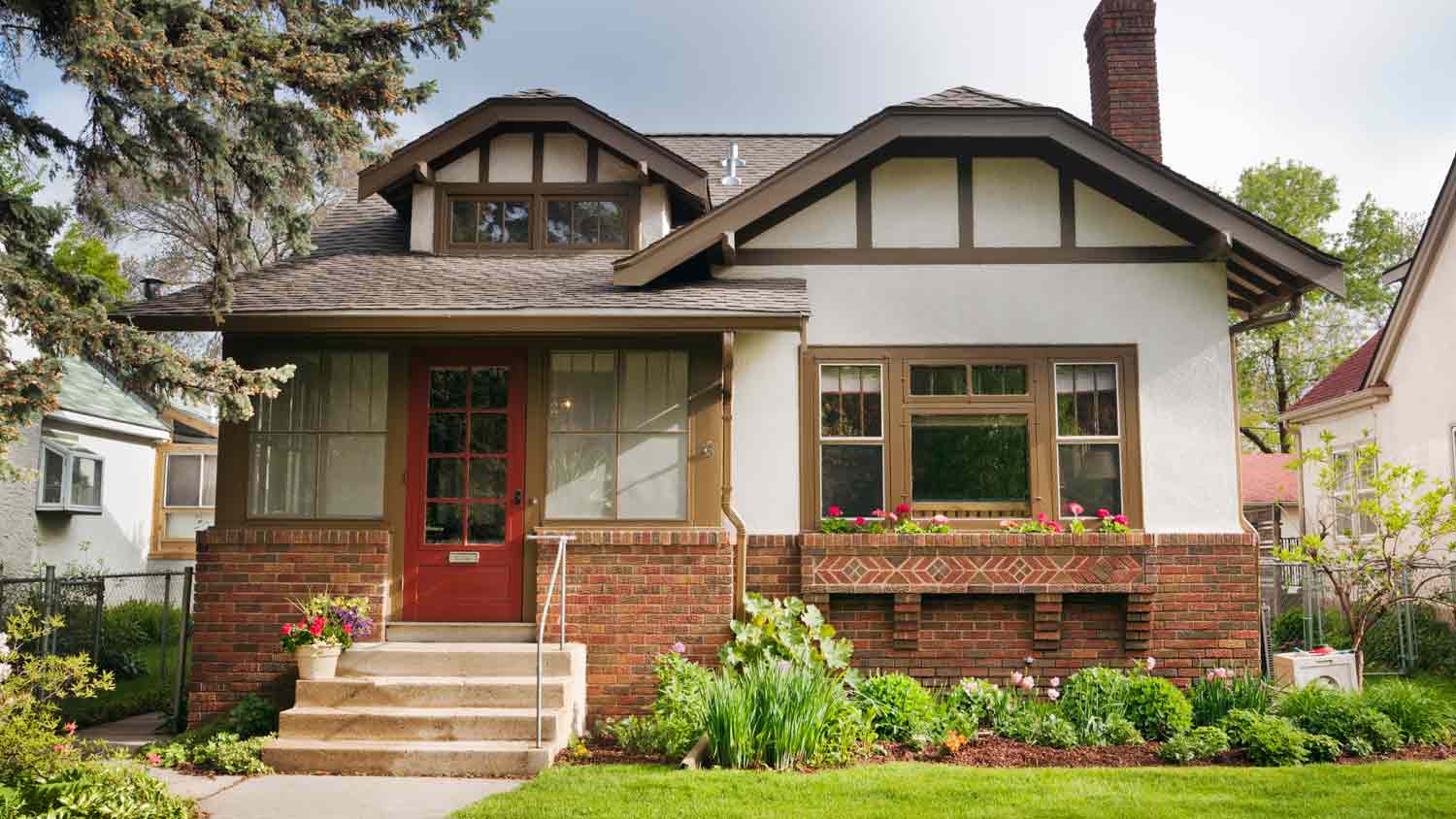
Installing new concrete steps can enhance your home’s curb appeal. Learn all the factors that can affect your concrete steps cost.
Woodworking costs depend on your project and location. Check with a local pro for your specific job.

Professional outdoor handrail installation costs between $275 and $1,150 depending on your railing material and the length of your structure.
The material you select and the type of structure you have will determine your final outdoor handrail installation cost and project timeline.
You should account for the cost of building permits at $20 to $30 and potential weatherproofing treatments at $20 to $85 per gallon.
Hiring a local general contractor ensures your outdoor handrails are securely anchored and keeps the household safe from falls.
In 2026, the national average cost to install an outdoor handrail is $700. Most homeowners spend between $275 and $1,150, with the final price driven by railing material, structure length, and whether you choose a standard or custom style. Make sure to budget $20 to $30 for building permits.
Installing new railings on a concrete patio, porch, or set of steps costs an average of $80 per foot, but prices can range from $50 to $230 per foot, depending on the material you choose.
Labor adds up to about $30 per foot, so be sure to factor that into your costs if you need a longer railing. If you only need a railing to accompany three to five steps, you'd spend $250 to $1,150 for a 5-foot-long railing.

Railing materials vary widely in price, with vinyl, PVC, and wood among the least expensive options, starting at $25 per linear foot. Wrought iron is a common choice and a source of inspiration for many deck railings, but it costs more than other materials ($50 to $120 per foot). Here is a breakdown of outdoor railing costs by material:
| Material | Cost per Foot in 2026 |
|---|---|
| Aluminum | $40–$60 |
| Steel | $40–$60 |
| Wrought Iron | $50–$120 |
| Wood | $30–$60 |
| Vinyl | $25–$45 |
| Fiberglass | $150 |
| Composite | $40–$75 |
Aluminum railings cost $40 to $60 per foot, making them among the most affordable metal options. Metal railings are durable, but they can be hot or cold to the touch depending on the weather. Aluminum does not last as long as stainless steel or wrought iron, so consider your long-term maintenance expectations before choosing it.
Like aluminum, steel railings cost about $40 to $60 per foot. Stainless steel holds up well against the elements, including rain and wind, making it a reliable choice for outdoor installations.
Installing wrought iron railing costs $50 to $120 per foot, making it the most expensive metal railing option. This material is long-lasting and adds an elevated, classic look to any porch or staircase.
Wood is a reliable, cost-effective railing material at $30 to $60 per foot, though it may require weather-resistant coatings or paint in rainy, snowy, or windy climates. Without sealant, wooden railings can rot and need replacement sooner than those made of other materials.
Vinyl and other plastic-based railings are among the least expensive options, starting at $25 per foot. They hold up well against rain and wind, though harsh sunlight may cause the color to fade over time. Vinyl railings are generally not as attractive as wood or wrought iron, so they are best suited for homeowners who prioritize function over aesthetics.
Fiberglass stair rails cost around $150 per foot and are more commonly found in commercial settings than in residential homes. They are lighter than steel without compromising support, and unlike metal railings, they are not susceptible to rust.
Cable railings cost $50 to $200 per linear foot and are a popular choice for outdoor staircases and decks. They preserve sightlines to your yard or neighborhood without sacrificing safety and support. Keep in mind that cable railings sit at the higher end of the price spectrum compared to wood or vinyl alternatives.
Composite railing costs $40 to $75 per linear foot and is an increasingly popular choice among homeowners. It is made from a blend of sawdust and plastic polymers that mimics the look of natural wood while requiring far less maintenance.

Several factors shape your outdoor handrail installation budget, including whether you hire a pro, the type of railing you choose, and any customizations you add. Understanding these variables upfront helps you plan accurately and avoid surprises. Here is a breakdown of the key cost factors to consider.
Hiring a stair rail installation specialist or general contractor in your area to add new railings runs about $30 per foot. Some contractors prefer to charge hourly rates of $60 to $200 per hour instead. A railing measuring up to 10 linear feet takes about eight hours to install, so factor that time into your labor budget.
"If you're doing this yourself, be sure to learn the stair rail code for your area," says Bob Tschudi, Angi Expert Review Board member and Raleigh, NC-based general contractor. "There are very specific requirements for everything, including the height of the railing, maximum space between the balusters, and amount of gap between the bottom rail and the top of each step."
The type of structure largely determines how much railing you need and what you will pay, with a railing along a standard set of front door steps running between $100 and $250. A larger elevated front porch with an open side measuring 8 feet long and 5 feet deep will cost around $1,400 for a railing. A 10-foot-deep-by-20-foot-long elevated back patio requires even more material, pushing costs to $2,000 to $4,400 depending on the rail's material.
Weatherproofing coatings help wick away moisture and protect your railing against harsh weather conditions, costing $20 to $85 per gallon. This is a worthwhile addition for homeowners in rainy, snowy, or high-humidity climates where untreated railings can deteriorate quickly.
The number and size of the steps can increase the cost, since more steps require a longer railing. Standard staircases need approximately 25 feet of railing, while front door steps (depending on the length of your walkway) may need 10 feet or less.
Custom designs—such as intricate patterns in a wrought-iron railing or specialty colors for a metal railing—can cost up to $900 per linear foot. This is the highest-cost railing option, best suited for homeowners prioritizing a distinctive aesthetic over budget.
Painting or refinishing an outdoor railing costs between $4 and $8 per linear foot, depending on the deck's size and the railing's condition. A more comprehensive refinishing, including sanding and staining, typically ranges from $5 to $12 per linear foot. For a 200-square-foot deck with 40 linear feet of railing, you might expect to spend around $160 to $480 depending on the project's specifics.
If you are replacing an older handrail, budget $50 to $150 per hour for removal, which varies based on the material and how the railing is attached. Simpler railings made of wood or lightweight metal are lower-cost, while heavier or more intricately installed railings—such as wrought iron or concrete-embedded styles—push the price higher.
Your new railing will require anchors, fasteners, or connectors to secure it to the steps, costing $10 to $20. You will also need a hammer drill with a masonry bit for about $50 to $100, plus a level, measuring tape, and safety goggles, which run $20 to $30 total.
In most cases, installing a new outdoor railing requires a building permit costing $20 to $30. Because handrails are a safety feature, stair rails must comply with specific local building codes, so check the requirements in your area before starting the project.
"Be sure to check with your HOA or any other group that regulates appearance," says Tschudi. "We were restoring a 1859 home and were informed by the historic society that the iron railing on the steps was circa 1950s. It had to be removed and replaced with a period-specific style. Likewise, some HOAs have specific requirements on railing styles."
Beyond the handrail itself, consider adding deck lighting to improve visibility and accessibility, with simple string lights starting at $15 and professional outdoor lighting starting at $100. If your deck is uncovered, install an awning for shade; the average cost is $3,000.
For safety and peace of mind, it's best to leave this project to a stair company near you , especially for taller or steeper staircases.
We highly recommend hiring a pro for handrail installation because:
Handrails are a safety feature, so proper installation is crucial to avoid injuries.
DIY installation could void warranties available for your handrail materials.
Handrails require secure anchoring, which a pro knows how to do correctly.
Pros have the proper tools and equipment to install a handrail.
Pros can incorporate handrail installation alongside other projects, like repairing or installing new stairs.
A pro will ensure your handrails comply with local building codes.
Although you should leave handrail installation to a pro, you can still help with these DIY-friendly tasks:
Make customization and design choices for the handrail.
Clear the work area of furniture, decor, and other objects to save the pros time.
Remove or dispose of old handrail parts as needed.
For most, handrail installation is best left to the pros, but that doesn't mean you have to forego a budget. Here are a few ways to make your new handrail more budget-friendly:
Opt for prefabricated railings. Custom railings can get pricey, especially with intricate designs. Prefabricated options come in a wide range of stylish choices at a lower cost.
Choose low-maintenance materials. Vinyl or aluminum might cost more upfront, but they save you money long-term since they require less upkeep compared to wood or wrought iron.
Do your own finishing. If you're handy, consider painting or staining the railing yourself after it's installed. This can save you on some labor costs while allowing you to add a personal touch.
Remove an existing railing yourself. For those replacing a railing, tackling the removal of the older railing can save you the added expense of having a pro do it.
Install shorter or fewer railings. If your goal is safety rather than aesthetics, limit the railing length to only the most necessary areas, like stairs or steep walkways.
Complete multiple outdoor projects at once. You may be able to bundle handrail installation with other exterior work, like a deck or patio, to cut down on the number of trips or setup fees.
Give your pro details about the area where you’re planning to install the handrail, such as the size of the staircase.
Consider different handrail materials and styles, and talk to a pro to find options that fit your needs and budget.
Ask about additional features, like stair lighting and anti-slip treads, to make your stairs safer.
Home is the most important place on earth, which is why Angi has helped more than 150 million homeowners transform their houses into homes they adore. To help homeowners with their next project, Angi provides readers with the most accurate cost data and upholds strict editorial standards. We extensively research project costs to develop the pricing data you see, so you can make the best decisions for you and your home. We rely on reputable sources, including the U.S. Bureau of Labor Statistics, academic journals, market studies, and interviews with industry experts—all to ensure our prices reflect real-world projects.
Want to help us improve our cost data? Send us a recent project quote to [email protected]. Quotes and personal information will not be shared publicly.
Incredible workers! Very skilled with the machinery, climbing, cutting, roping, and removal. Handled everything. Professionals!
 Hoffman Expert Tree Services
I m so impressed with Custom Paint Jobs LLC s craftsmanship. They truly care about quality.
 Custom Paint Jobs, LLC
Window Depot did an amazing job on my deck. I wasnt sure what I wanted to do, but their composite decking was affordable and will last a long time. I am excited to have family over, and I am no longer embarrassed by my backyard. Jeff and the ground crew were polite, respectful, and caring for...
 Window Depot USA of Central Ohio
Storms Mobile Welding was great to work with. They were prompt, professional and did an overall excellent job on the project. I highly recommend.
Great job...edging and pre clean up went well with a great job with seal coat. Friendly, efficient and professional.
 All Star Paving and Sealing
Great tree company, very professional and honest. Glad we found them, they had the best pricing
It was wonderful working with Yordy and his team. They were very professional and are experts in what they do. They have completed the work on time, with better quality and with in fairly reasonable price. We just started with backsplash work , but liking his work, we went on to provide...
 Flooring Solutions
The job went extremely well. Work was done as promised and the job came out better than expected due to Mr. Moyer's commitment to excellence and personal pride in providing the best work possible. He is one of those professionals who is not satisfied until the customer is completely happy...
 Pro Flooring
We needed to have a wall cabinet resized so that we could fit a larger refrigerator underneath. I removed the cabinet from the wall myself and brought it in, where Wally was able to resize it for me in his shop. The results were perfect: it's exactly the size that I asked for, and...
 Pioneer Woodworks
The work was almost completed when we gave the owner Tim Barton $400 as a downpayment to be put on his list for work in the future after we had new woodwork installed.The next day Mr. Barton had difficulty installing a door handle and took the position that it was broken before his employee...
 Above And Beyond Painting LLC
From average costs to expert advice, get all the answers you need to get your job done.
Installing new concrete steps can enhance your home’s curb appeal. Learn all the factors that can affect your concrete steps cost.
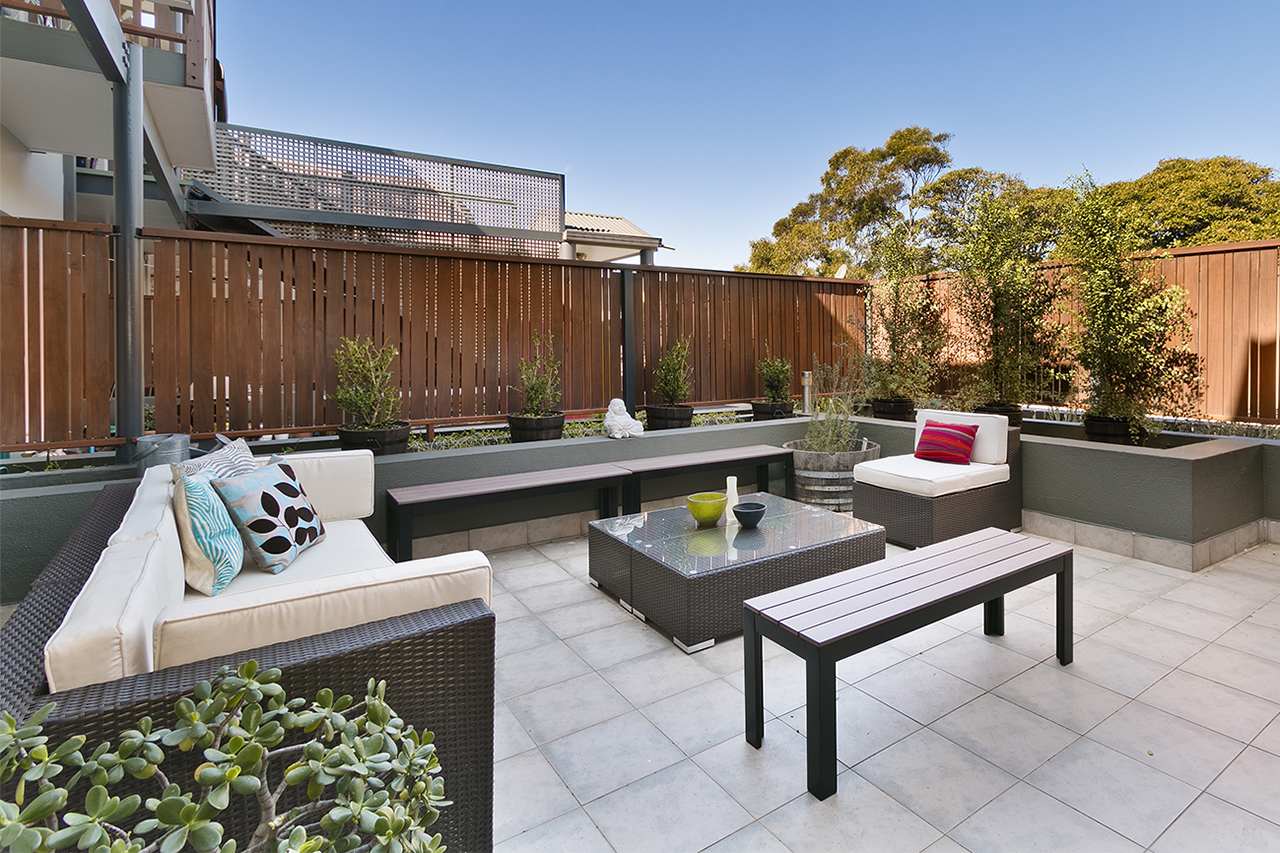
Need to breathe new life into your exterior stoop? Use this guide on concrete step repair cost to see the price of a professional repair.
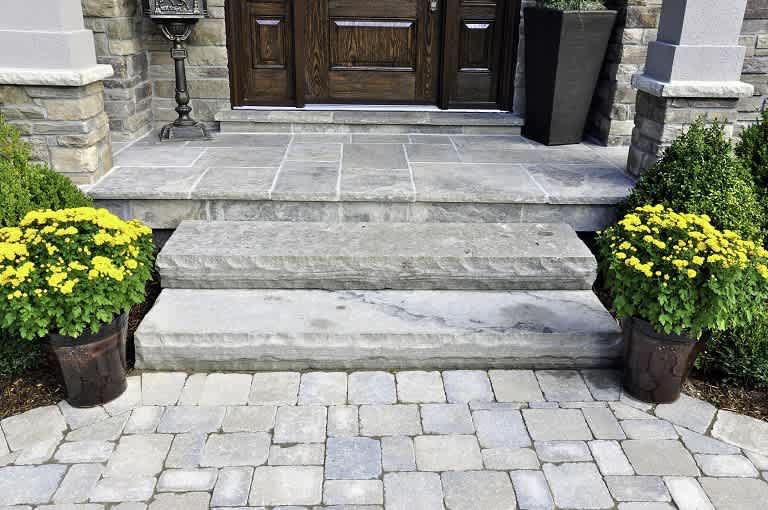
The cost of stone steps can vary considerably depending on the material you choose and how much labor is required. This guide shows you the cost of popular stone steps and all the extra fees you need to consider when tackling this project.

Learning how to install a railing on concrete steps requires taking extremely accurate measurements to purchase the right size and design of railing.
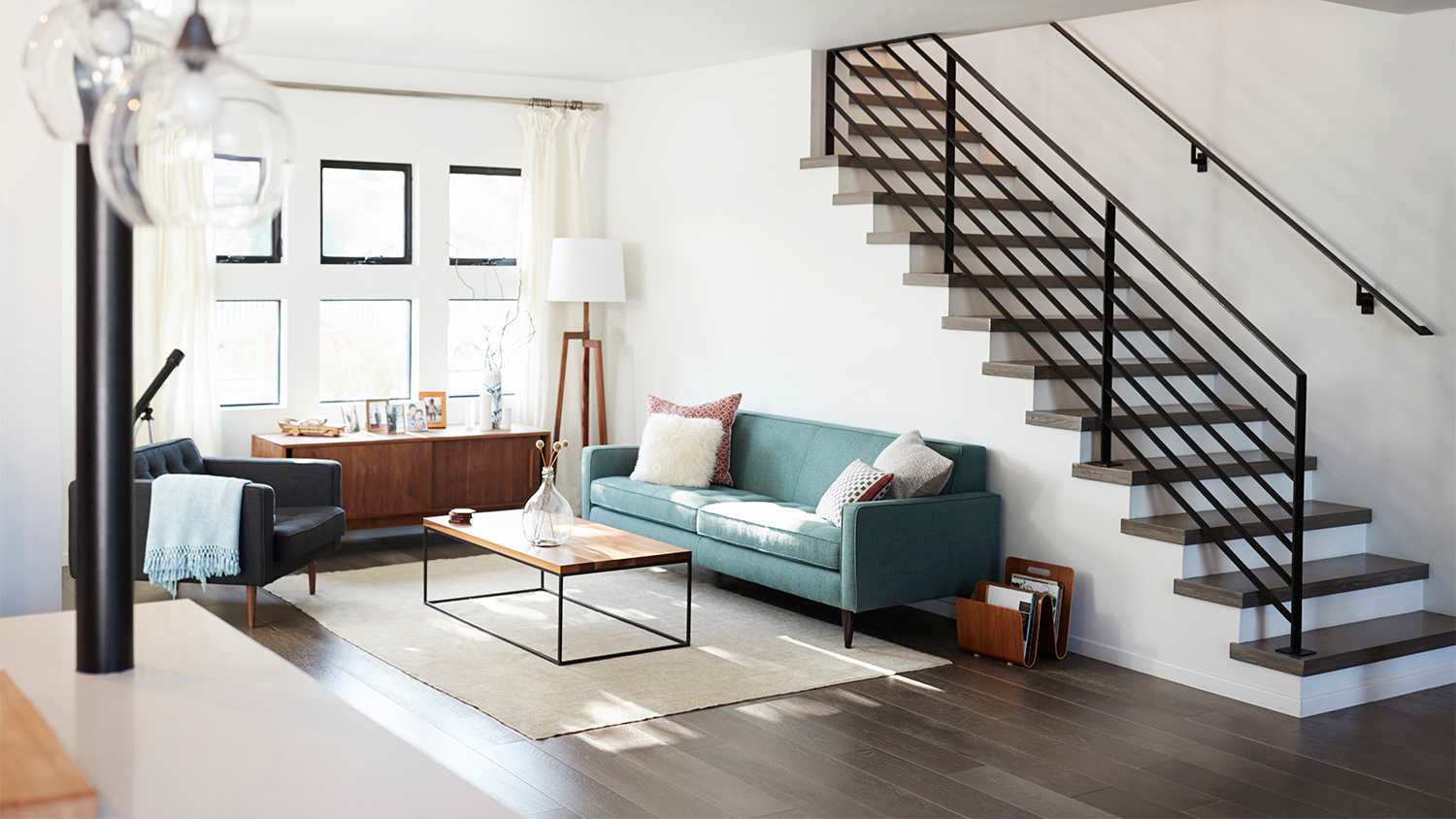
Installing new stair trends can give your home an instant upgrade—but it’s not the easiest DIY. Take a look at the steps to see if you should DIY or hire a pro.
Thinking about a new concrete step installation? Learn about the design options, costs to expect, and how to hire the right local pro for the job.