
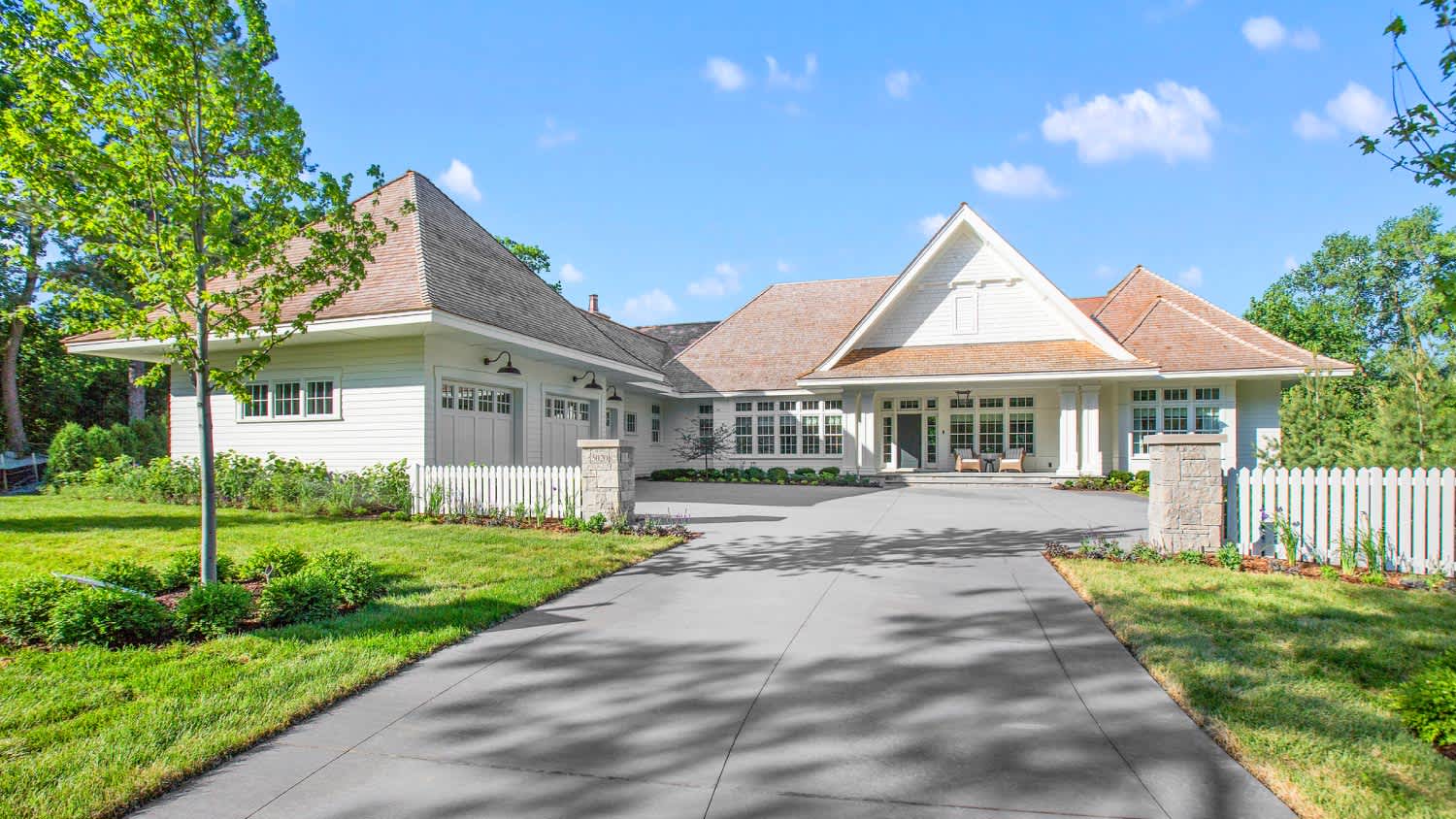
Between the endless customizations and decades of strength, the cost of a concrete driveway may be worth the investment. Let's break down your bottom line.
Achieving a perfectly smooth concrete surface can be trickier than you think

Concrete popping out happens when low-density aggregates absorb water during curing, expand, and break free from your slab's surface along with surrounding mortar.
Your concrete can also develop popouts after freeze-and-thaw cycles cause absorbed moisture to expand inside the aggregate and pop through the surface layer.
Sealing your concrete after it cures helps prevent future popouts by blocking water from entering the surface and reaching absorbent particles below.
Hiring a local concrete company provides clear answers when you need popout repairs, helping identify whether physical or chemical reactions caused the damage.
After spending all weekend laying your new concrete driveway, small craters known as concrete popouts blemish the surface from top to bottom. This doesn’t mean you poured your concrete incorrectly—concrete popouts are difficult to prevent. They’re one of the most common concrete problems in the books, and it can take some careful shopping to find a mixture that won't leave you with a few repairs.
Concrete popouts are small, often cone-shaped craters that form on the surface of concrete slabs. Popouts can either occur during the concrete curing process or after a period of extreme snow and ice. The holes occur when aggregate breaks away from the mortar, leaving gaps up to an inch wide.
Most concrete popouts are barely visible at first glance, but some can be quite unsightly, particularly for indoor concrete floor finishes. While concrete popouts rarely threaten the slab's structure, they can encourage water and ice to enter the craters and cause more surface damage over time.
Concrete popouts either occur due to a physical or chemical reaction. In either case, foreign materials in your concrete mixture are the culprit. Locally sourced gravel across the country varies significantly. While construction concrete has high standards, other particles such as chert, coal, limestone, clay, and even wood can still sneak into the mix. High-alkali cement in your concrete can also cause problems. Let's take a closer look at both.
Physical concrete popouts—the most common type—occur with low-density aggregates that absorb water during the curing process. The particle expands more than its surrounding aggregate, causing it to break free from the surface of the slab and take mortar with it. While this often happens just after pouring concrete, it can also happen after frequent freeze-and-thaw cycles in the winter.
While far more subtle than physical popouts, chemical concrete popouts stem from high-alkali materials in the mixture. High alkalinity in the concrete, often from cement or other reactive aggregates, can react with silica and form a gel. The gel then expands when it absorbs water and breaks away from the mortar.

Remember that some concrete popouts will likely occur even when a professional pours your concrete. The only way to truly avoid popouts is by sourcing concrete without unwanted materials. In many cases, you will need to import specialized sand or concrete that meets a higher standard based on its location. While this will raise the price of your concrete slab, it will also decrease the chances of blemishes.
Additional tips for decreasing concrete popouts include:
Ordering non-reactive concrete with low alkalinity when possible.
Lowering the aggregate size to keep highly absorbent aggregates from breaking off.
Lowering your concrete slump—or water-to-cement ratio—as much as possible.
Working with a local concrete company that can source high-quality materials.
Pouring concrete in temperatures between 40 and 60 degrees Fahrenheit.
Avoiding pouring concrete in the winter unless you have the help of a professional.
Sealing your concrete after curing to prevent future popouts.
Let all the bleed water evaporate before finishing your concrete. This can take anywhere from 20 minutes to four hours.

If the popouts are large enough to warrant repairs, it's often best to hire a concrete company to take a look. They will be able to identify the cause of the popout and whether it was a physical or chemical reaction. Once they've done this, they will often chip out any remaining problem material from the hole and then fill it with either an epoxy, polyurethane, or dry-pack mortar.
Positive experience. As previously stated, the replacement/repair could not be completed (no fault of the plumbing tech) b/c misinformation was rec?d by property management maintenance. Thanks to the plumbing tech for your efforts. Appreciate you!
 The Waterworks
Carpet repair done well. Scheduling was easy. Showed up on time.
 BR Flooring Installation
I would recommend this company to anyone! He showed up on time, was friendly, completed a very difficult repair on our dryer vent cover, was responsive, and pricing was extremely fair and competitive. I would have him back to do any of our repairs or cleanings without hesitation!
 U.S.A. Dryer Vent, LLC
Everything from initial contact to completion was absolutely top notch. We contacted the business during off hours to leave a message, and the owner still reached out to feel out the issue within minutes. We were scheduled and repaired within 48 hours. I cannot say enough about the...
 Supreme brick & chimney
Great experience all together. Dog friendly, courteous, great results and honest with recommendations. Will certainly be using Cardinal in the future for any carpet repairs
 Cardinal Carpet Care & Repair
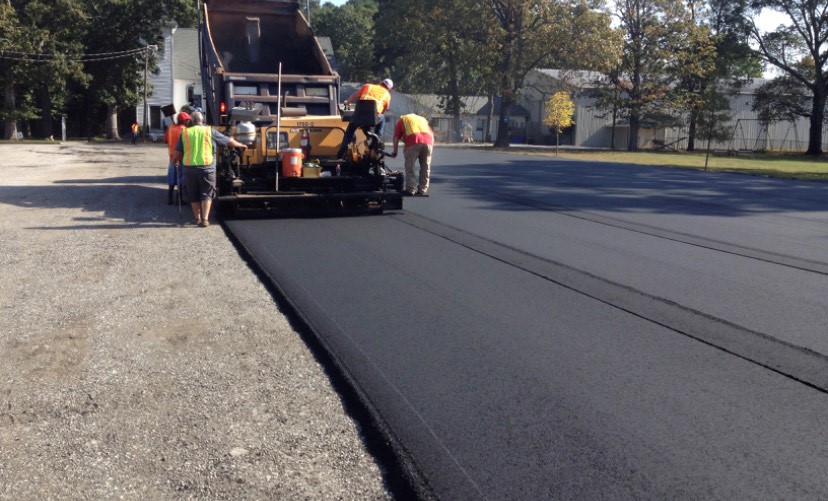
Working with Peter and his crew was a breeze. They were exceptionally polite and did a neat job to repair and seal our driveway. I will definitely talk to them first for additional work.
 Central Paving
Description says they handle window repair including rotten hardwood - they called me back right away but didnâ t leave a voicemail. I followed up 3 days later and they said they donâ t do that kind of work.
 Window-Gurus
They did an excellent job with the repair, took care of all communication with the insurance company and had car rental service also with a very reliable, quality care
 Three C Body Shop
We recently had our office sidewalk repaired and CT Concrete did an "Outstanding" job. They were quick, friendly and the job is "flawless". I would highly recommend CT Concrete for any of your concrete/sidewalk needs.
Mr. Bunting repaired one broken brace (the "sticks" that connect the legs of a chair to make it stronger), and replaced another on two high end antique replica Windsor chairs I own. The one that was replaced required him to turn a new brace on a lathe to be the same as the missing brace would...
From average costs to expert advice, get all the answers you need to get your job done.
Between the endless customizations and decades of strength, the cost of a concrete driveway may be worth the investment. Let's break down your bottom line.
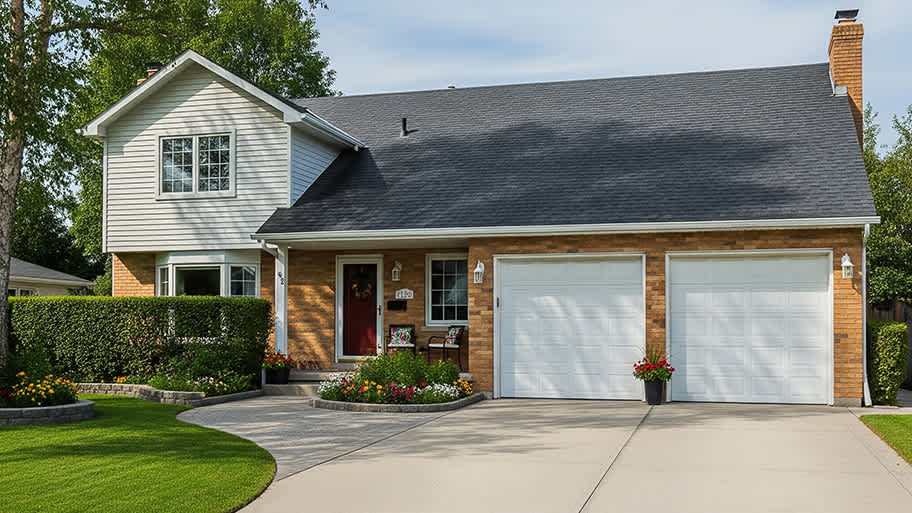
Concrete driveways stand up to a lot of pressure over the years. How much do concrete driveway repairs cost when it's time to give it a little TLC?
Concrete driveway costs in Dallas, TX, vary based on size and concrete type. This cost guide breaks down all the key factors to help you budget.
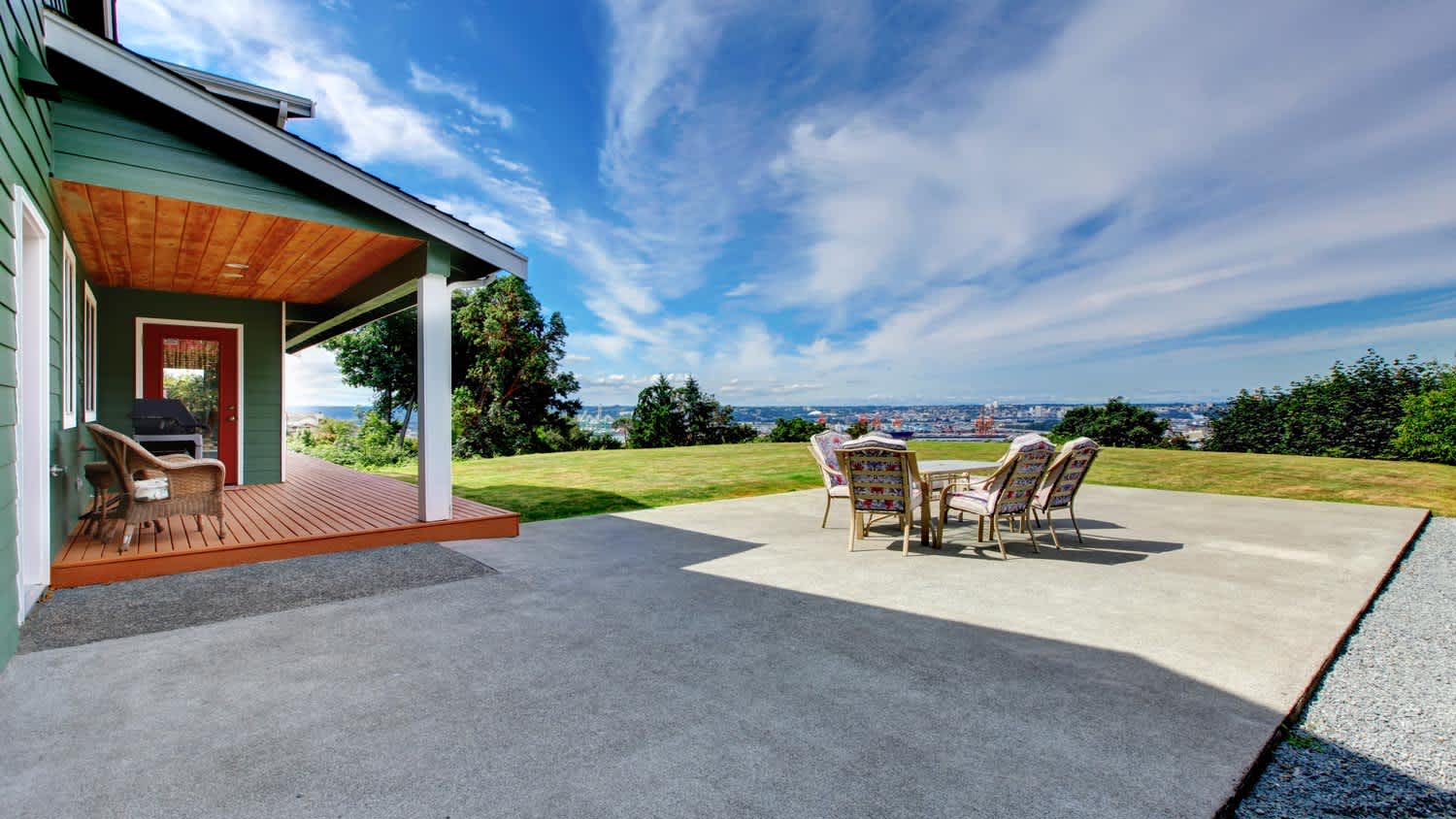
When cracks, scaling, and crumbing are plaguing your slab, get to know the most common concrete problems and what to do about them.
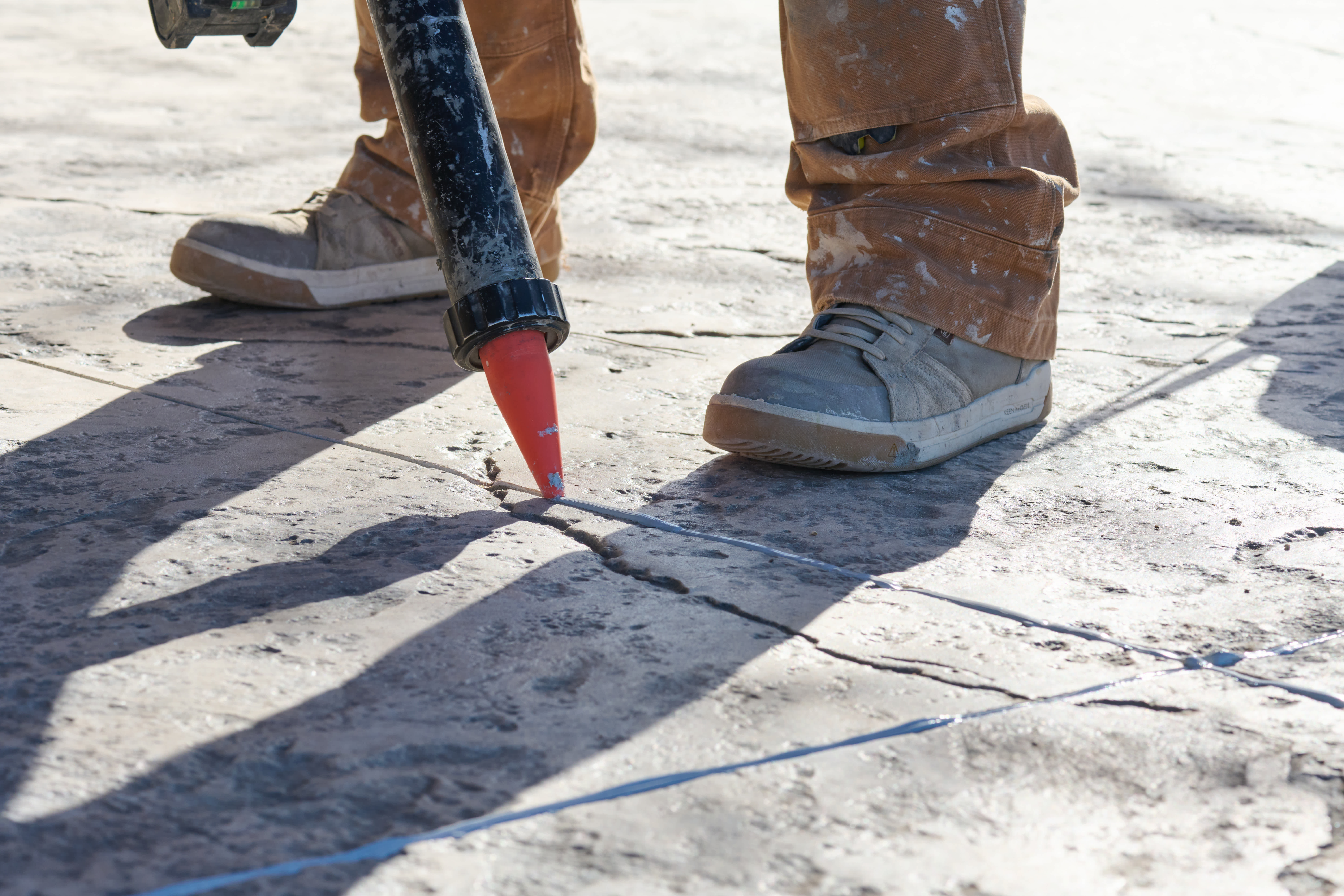
Dealing with cracked or crumbling concrete on your property? Learn who to call to repair concrete in this guide and the benefits of using a professional.
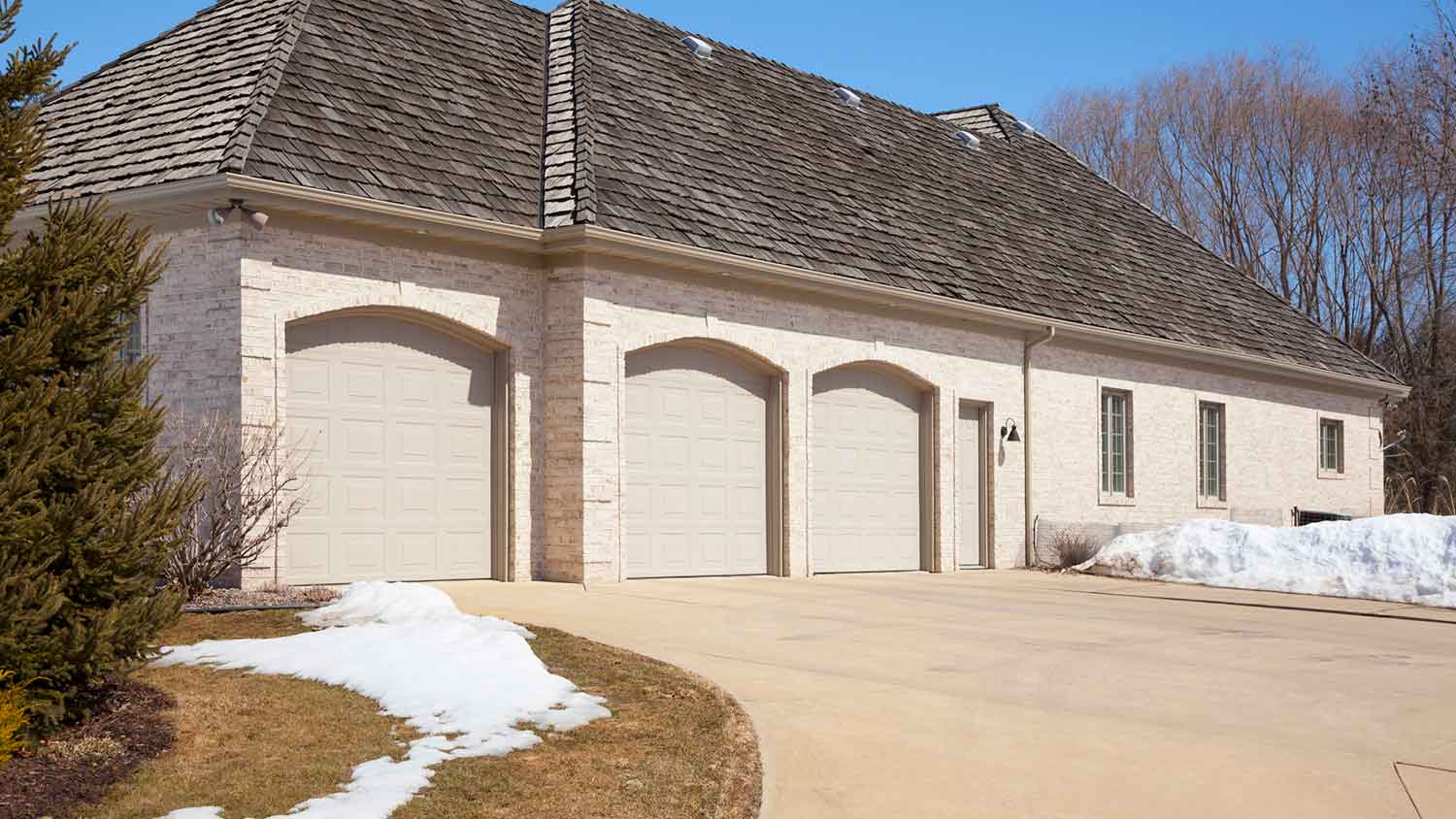
Concrete may be strong, but it's surprisingly sensitive to extreme temperatures. Here's what to know about pouring concrete in cold weather.