
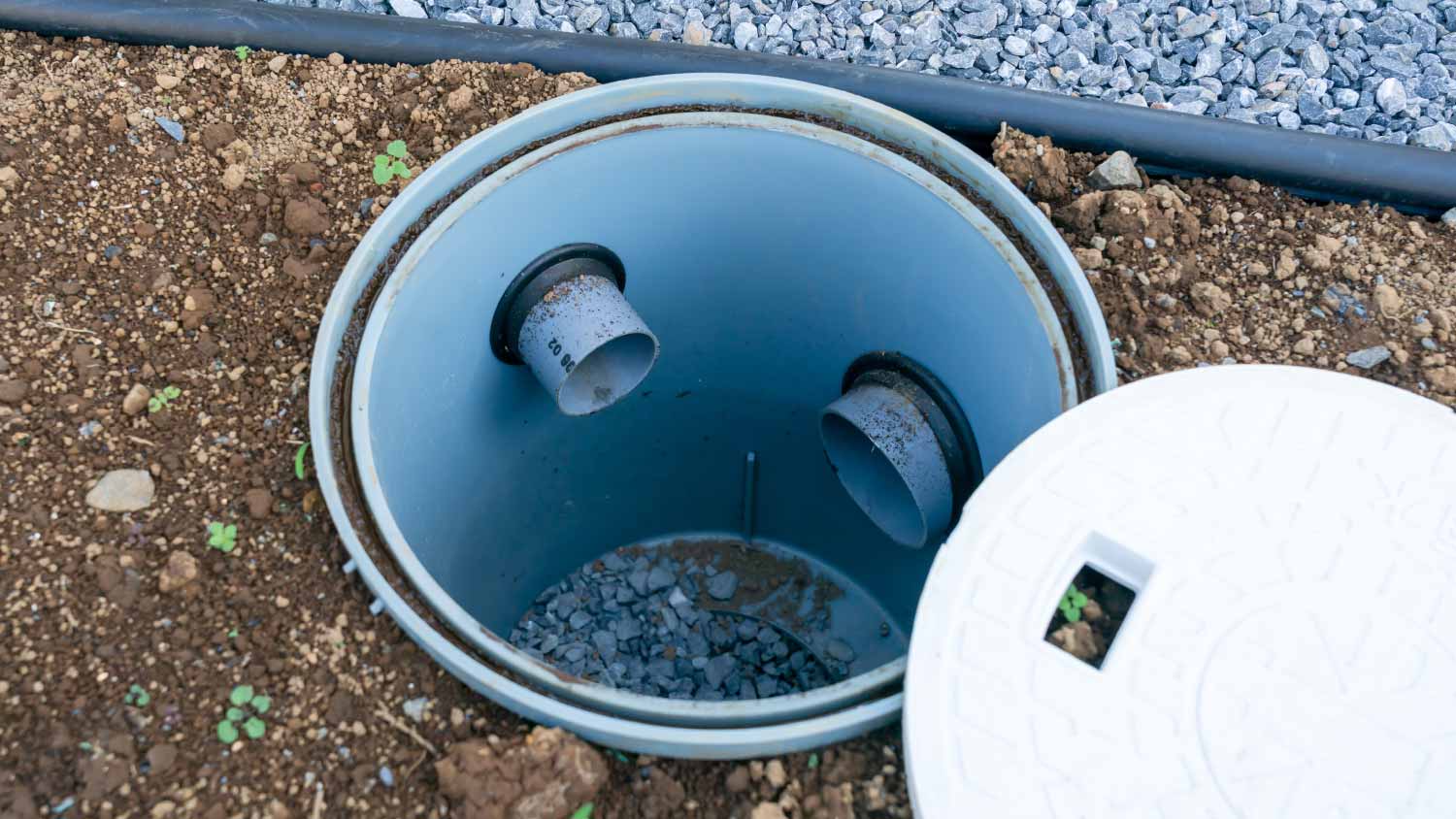
Dry wells are handy for anyone who’s experiencing drainage problems. But dry well installation costs can vary depending on its size, location, and volume.
Dry pour for ease of installation, wet pour for durability and strength

Dry pour and wet concrete both use the same materials, but dry pour means you add water after pouring while wet concrete is mixed before.
Dry pour concrete is simpler for you to install, but wet concrete offers far greater strength, durability, and longevity for your project.
Your choice depends on project type, load requirements, and desired lifespan, with driveways and slabs requiring wet pour for proper support and durability.
Hiring a local concrete driveway professional provides reliable guidance on mixing, pouring, and finishing techniques that keep your concrete strong and level for decades.
Working with concrete can be intimidating for DIYers—getting the right mixture consistency, removing air bubbles, and maintaining proper moisture levels for ideal curing can be a challenge. You may be wondering if dry pour concrete is a viable alternative, as it makes the application process much simpler. In this guide, we’ll explain the differences between dry pour concrete and wet pour concrete and when each option could be a viable solution for your project.

The primary difference between dry pour concrete and wet pour concrete is, of course, the application process. With dry pour concrete, you pour dry concrete into your form and then wet it over the following few hours to maintain good moisture and let it cure. With wet pour concrete, you mix water into the concrete and then pour the wet mixture into your concrete form. There are also some other key differences to note, including strength, durability, and customization options.
| Feature | Dry Pour Concrete | Wet Pour Concrete |
|---|---|---|
| Installation | Very easy | More challenging |
| Strength | Low to moderate | Very high |
| Durability | Low to moderate | Very high |
| Lifespan | 10–15 years | 30 years+ |
| Stainable | No | Yes |
| Custom finishes | No | Yes |

Before you decide which route to go for your concrete project, be sure to consider all of the following factors and choose the concrete pouring method that works best for your particular project.
There’s no debate: dry pour concrete is easier to install. Not only do you need fewer tools—you’ll just need a garden hose to wet the dry concrete, whereas you’d need a concrete mixer or a wheelbarrow and shovel for wet pour concrete—but you won’t have any mixing to do.
With dry pour concrete, you simply add a substrate, like gravel or sand, lay down the concrete in your form, smooth it out, and spray it with water to hydrate it and begin the curing process. Wet pour concrete demands more accurate mixing to get the right consistency, pouring, agitating the concrete in the mold to remove air pockets, and then smoothing out the surface.
Another option to consider is using precast concrete, which doesn’t require any mixing on your part and will last longer than dry pour concrete.
While dry pour concrete is undoubtedly easier to install, it comes at a price: reduced strength. Concrete is one of the strongest and most durable building materials, and it gets its strength both from an accurate mixture of concrete and water and from the curing process.
Since there’s no mixing with dry pour concrete, you can never be sure you have the proper consistency for strength. The curing process is also less precise, so you’re more likely to get pockets of concrete that don’t receive the right amount of water and never cure fully, even if you pour concrete at the right time and in the right conditions.
Ultimately, you should never use the dry pour method for any concrete that will bear weight, like shed foundations, slabs for mounting HVAC equipment, sidewalks, or driveways. For the best results, you should hire a local concrete driveway company for exterior surfaces that will need to bear heavy loads.
With decreased strength comes decreased longevity. Dry pour concrete projects are likely only to last for 10 to 15 years and even less if you pour your concrete in cold weather or live in a cold climate that will put added strain on the concrete. Wet pour concrete projects can easily last for 30 years or more and stand up better to cold. Proper care could extend the lifespan to more than 50 years, even when your concrete is exposed to the elements.
Dry pour concrete is a common option for certain concrete projects that don’t require a lot of strength, like decorative concrete walkway steps and setting fence posts. For most other projects, wet pour concrete is a better option. Wet pour is the preferred method for walkways, patios, pool decks, sidewalks, and driveways. Due to the reduced strength, professionals will never use dry pour concrete for foundations, even for small outbuildings like sheds.
Finally, wet pour concrete gives you more customization options. You can stain wet pour concrete and get a uniform color during the mixing process, whereas it’s not possible to get that same uniformity in dry pour concrete. Concrete finishes vary among the different methods, as well. For dry pour concrete, you can really only opt for a broom finish or trowel finish. With wet pour, you can upgrade to stamped concrete for more options.
Archie did a good job cleaning up the driveway before he laid down the sealer. It looks good. He was gracious and even helped me bring up my groceries. His rate was comparable to another company who came out to give me a quote and he talked to me personally rather than just text me a quote...
 Pro Seal Roofing & Paving
Wonderful. I am going to have them remove and replace my driveway in the spring.
 All Star Paving and Sealing
Working with Peter and his crew was a breeze. They were exceptionally polite and did a neat job to repair and seal our driveway. I will definitely talk to them first for additional work.
 Central Paving
The preformed a really good job the staff is incredible never been so happy with my home, A brand new driveway is like a face lift!!
 Pristine Paving
We recently had our office sidewalk repaired and CT Concrete did an "Outstanding" job. They were quick, friendly and the job is "flawless". I would highly recommend CT Concrete for any of your concrete/sidewalk needs.
Called Mark on a Thursday morning. Not really knowing if he could help me or not. I was having driveway, flooding issues due to a clogged channel drain and I was trying to figure out what direction to take. Heavy rains had come on Monday and again on Thursday leading to flooding in my garage...
 Mark Rodgers Construction
It went really well! The concrete looks, they even did some patch work on my buildings parking lot. That was such a plus! <br />
 AmeriCoat Asphalt & Concrete
Jand J has provided services for clients of mine for 15 years or maybe longer. They are always honest with their recommendations, providing good advice to my clients and competitive pricing. All three of the structural engineers whom I have dealt with in recent years have Jand J on their...
We first had Mark fix the back patio and liked his work so much we had him make a brick patio on the side of the house. When we decided to change our concrete walkway to brick, we wanted Mark to do the job because his prices were fair and he did such good work on t he other two projects.
 Mark Monnette Masonry
Mr. Lewis was extraordinarily responsive. At the time we realized that the concrete could not be repaired, we had intended to put our house on the market. We were anxious to get the work complete so that we wouldn't delay marketing the house. Mr. Lewis promptly returned our calls, provided...
From average costs to expert advice, get all the answers you need to get your job done.
Dry wells are handy for anyone who’s experiencing drainage problems. But dry well installation costs can vary depending on its size, location, and volume.
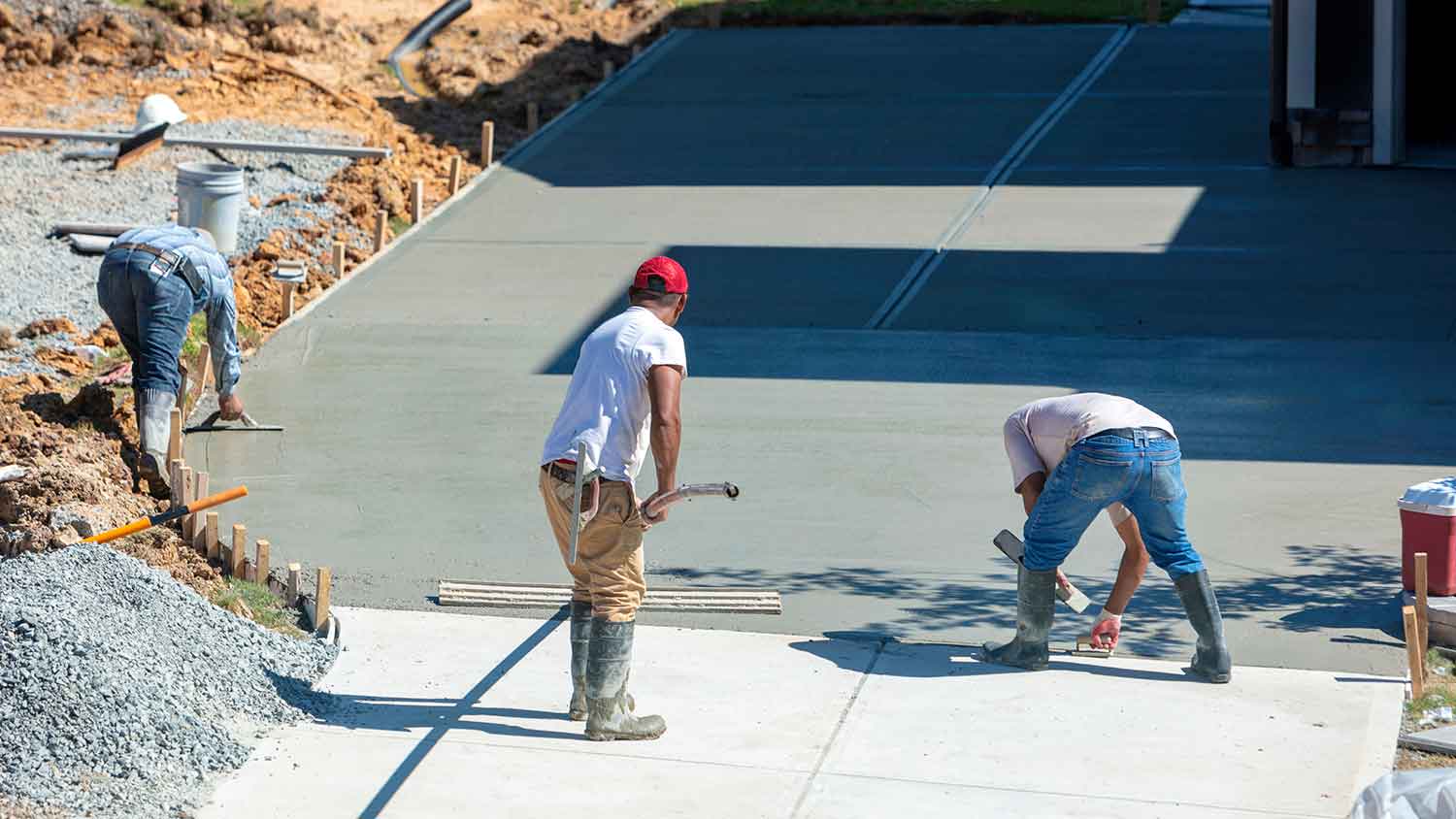
Discover the average concrete pumping cost, including key price factors and tips to help you budget for your next concrete project.

Discover how much concrete walls cost based on factors like their size, material, location, design, and local labor rates.
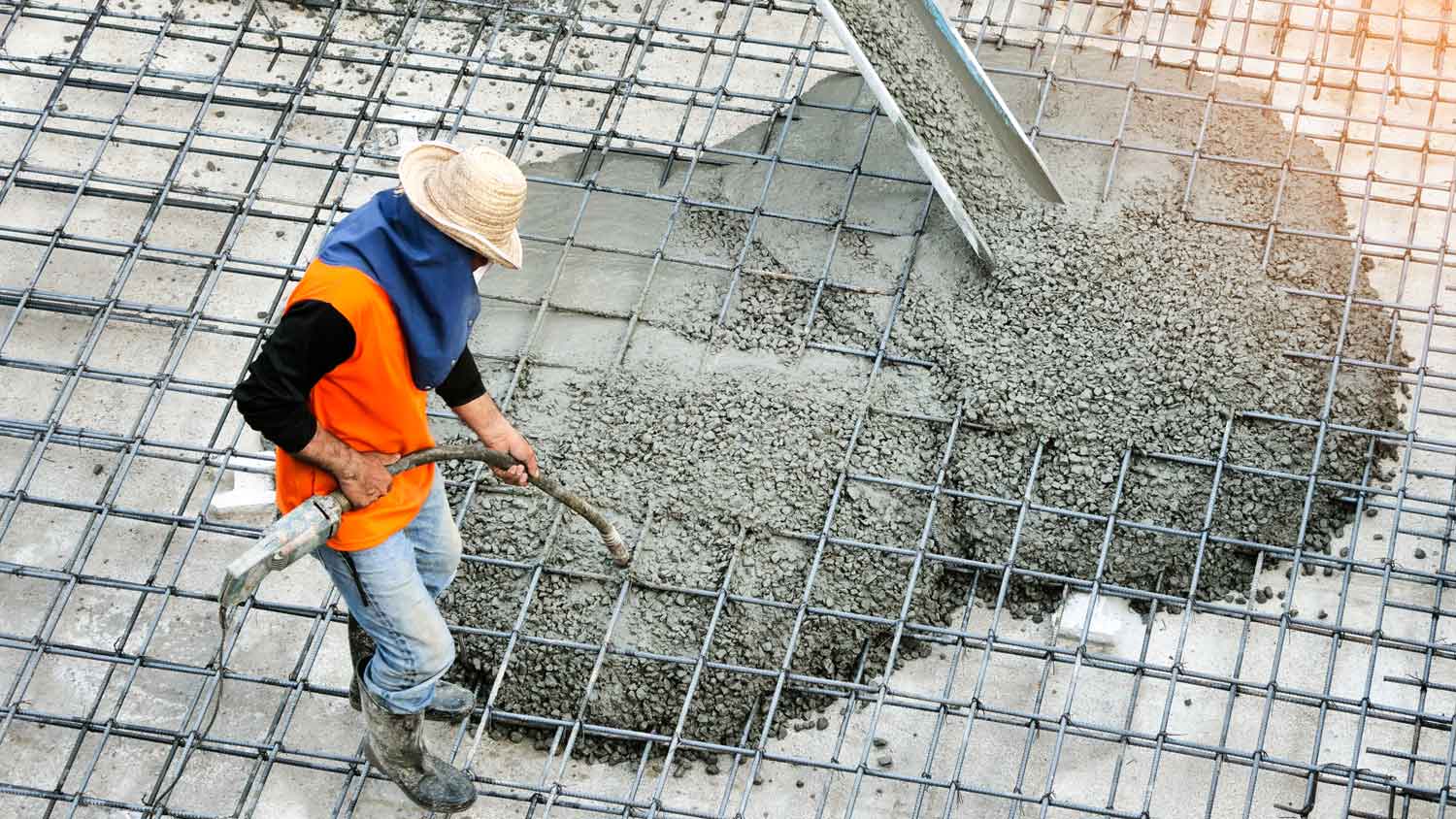
Wondering if pouring concrete in the rain is possible? Learn how rain affects the strength of the concrete and why it’s a good idea to wait for better weather.

How long does it take concrete to dry? Keep reading to learn all about concrete drying and curing times, plus tips to speed up the process.
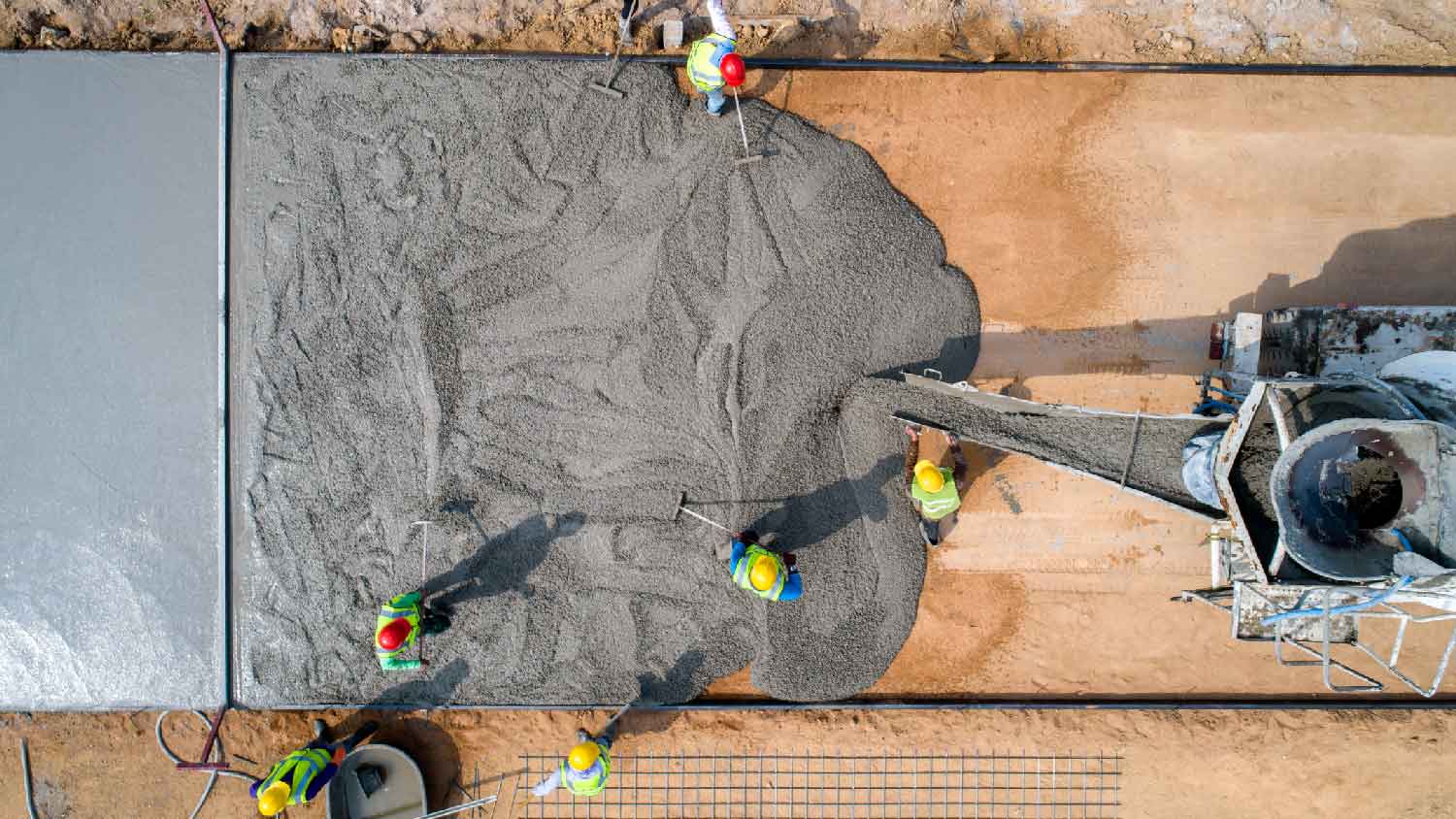
Looking for the best time to pour concrete? Consider the temperature, the weather and climate in your area, the time of year, and sunlight exposure.