

Discover how much concrete walls cost based on factors like their size, material, location, design, and local labor rates.
Navigate pouring concrete in the rain safely and effectively

Pouring concrete in the rain compromises your slab's strength because rainwater dilutes the carefully balanced mix of water, cement, and aggregate.
Fresh concrete needs six to eight hours of dry weather before rain to cure properly, though aiming for 24 to 48 hours protects your project better.
Remove standing water quickly with squeegees or brooms, then cover your concrete with waterproof tarps to keep additional rainfall from damaging the surface.
Hiring a local concrete company provides expert guidance on weather timing and protective measures, helping you avoid costly repairs from rain damage.
Concrete pouring is a crucial step in construction projects, but what happens when the weather doesn't cooperate? While pouring concrete in the rain is not advisable, certain precautions can help mitigate the risks. Let's look at some tips to help you navigate pouring concrete in the rain.
It’s possible to pour concrete in the rain, but it’s not a good idea. Concrete requires a careful mix of water, cement, and aggregate, so added rainwater can compromise the strength of the concrete as it cures. Pouring concrete in the rain could lead to a loss of structural strength and durability.
There are a few ways rain can cause issues for newly poured concrete.
Increased dilution: If you know how to mix concrete, then you might understand that adding too much or too little water can reduce the strength of the final product. Pouring concrete in the rain will throw off your mixing ratios and cause a loss of durability.
Uneven texture: Unfortunately, raindrops can ruin the finished look of concrete, as well, as they can create depressions or disrupt the smoothness of freshly poured concrete. You could end up with a textured surface regardless of smoothing and troweling.
Quality concerns: The presence of moisture when pouring concrete can interfere with the proper chemical reaction required for curing, potentially causing cracking, spalling, or other long-term structural issues.
If you do need to pour concrete in the rain, there are a few things you can do to help reduce the negative impact of added water on your concrete project.
Always check the weather forecast before starting any outdoor projects, especially ones involving fresh concrete. Pouring concrete in cold weather, high temperatures, or high humidity can all cause problems, as can pouring concrete in rain. Light drizzles may not cause significant problems, but you should avoid heavy downpours. Consider delaying your project until the weather clears up.
Before pouring any concrete on a rainy day, make sure you drain any water buildup and set up drainage, if possible. You must direct excess water from rainfall away from the freshly poured concrete to prevent pooling and potential damage. Adequate grading and sloping of the site can help facilitate water runoff.
If you’re on a tight schedule and must pour concrete despite the rain, you can set up temporary shelters or tents to shield the construction area from direct rainfall. The added humidity from the rain could still pose a risk to the strength of the concrete, but you’ll at least avoid direct water contact, which is more likely to lead to an issue.

The faster your new concrete cures (this timeline can be affected by the type of concrete you use), the fewer opportunities rain has to damage it. To counter the effects of rain on the curing process, you can use accelerators or admixtures like calcium chloride or non-chloride alternatives in the concrete mix. These additives are specifically designed to speed up the setting and hardening of concrete, even in adverse weather conditions.
After you finish pouring the concrete, ongoing monitoring and maintenance can make a major difference when you have rainy weather on your hands. If standing water accumulates on the surface, use squeegees or brooms to remove it promptly.
It's crucial to keep the concrete covered with waterproof tarps or plastic sheets until the rain subsides and the curing process is complete (concrete can take 28 days to fully cure). Even if you didn't pour concrete in the rain, it's good to take these precautions.
Keep the weather in mind when pouring concrete. If it's too hot or cold outside, it can make the process more difficult. Try to pour concrete in 50 to 60 degree weather.


Concrete should ideally cure for around 24 to 48 hours before it rains, but you should aim for at least 6 to 8 hours of dry weather. Concrete can take up to a month to cure fully, but once it hardens within that six to eight-hour window, the risk of rainwater compromising its structural integrity is significantly decreased.
Concrete curing time also varies based on humidity, the ratio of water to cement you used in your mixture, temperature, thickness of the concrete slab, and more. How long your concrete should dry before it rains varies based on these factors, but one to two days is usually a good timeline to aim for.
If you pour concrete in dry weather and are surprised by rain shortly after, there are a few things you can do to see if your concrete was compromised and fix any damage it may have sustained.
Have a professional test the strength: If your concrete is going to serve as a foundation or provide any kind of structural support, you might want to have a professional test the strength to ensure it wasn’t compromised. This usually involves a stress test on a small portion of the concrete.
Start over in dry weather: For small concrete projects, it might be best to demolish and haul away the old concrete and start from scratch. This might seem wasteful, but it could end up being a better option than having to deal with cracking or crumbling concrete that the rain weakened. This might be a cost-prohibitive option for larger concrete projects, given the cost to pour a concrete slab twice.
Have your concrete resurfaced: If your concrete just saw light rain and the damage seems to be only on the surface, you can call a concrete company near you to resurface the concrete. This won’t add structural integrity, but it will leave you with a perfectly smooth surface.
Concrete patching: For small areas of concrete that suffer crumbling or spalling, a concrete professional can remove the loose concrete and patch over it. This might not look as nice as a uniform slab, but it will be much more affordable than starting over.
Use a surface hardener: If your slab just saw light rain after pouring, then it likely only sustained surface damage. Consider applying a surface hardener to help restore its integrity.
Jacqueline DeMarco contributed to this piece.
Positive experience. As previously stated, the replacement/repair could not be completed (no fault of the plumbing tech) b/c misinformation was rec?d by property management maintenance. Thanks to the plumbing tech for your efforts. Appreciate you!
 The Waterworks
Carpet repair done well. Scheduling was easy. Showed up on time.
 BR Flooring Installation
As usual with ECO, tech Jordan was outstanding, very professional, very knowledgeable, and very thorough with repairs made to tankless water heaters. Very highly recommend ECO!!!
 Eco Plumbers, Electricians, and HVAC Technicians
I would recommend this company to anyone! He showed up on time, was friendly, completed a very difficult repair on our dryer vent cover, was responsive, and pricing was extremely fair and competitive. I would have him back to do any of our repairs or cleanings without hesitation!
 U.S.A. Dryer Vent, LLC
Everything from initial contact to completion was absolutely top notch. We contacted the business during off hours to leave a message, and the owner still reached out to feel out the issue within minutes. We were scheduled and repaired within 48 hours. I cannot say enough about the...
 Supreme brick & chimney
Ace Fireplace Services came to the rescue for my chimney repair. They were quick to pinpoint the issue and worked their magic to fix it. My chimney is now in excellent shape, and I'm a satisfied customer.
 Ace Fireplace Services
On Sunday 2/26 I requested quotes via Angi from 4 refrigerator repair businesses. Northwest Appliance responded to me Monday morning (2/27) and my refrigerator was repaired by noon the same day. Great communication, they did everything they said they would. The technician had the parts on...
Great experience all together. Dog friendly, courteous, great results and honest with recommendations. Will certainly be using Cardinal in the future for any carpet repairs
 Cardinal Carpet Care & Repair
Working with Peter and his crew was a breeze. They were exceptionally polite and did a neat job to repair and seal our driveway. I will definitely talk to them first for additional work.
 Central Paving
Description says they handle window repair including rotten hardwood - they called me back right away but didnâ t leave a voicemail. I followed up 3 days later and they said they donâ t do that kind of work.
 Window-Gurus
From average costs to expert advice, get all the answers you need to get your job done.
Discover how much concrete walls cost based on factors like their size, material, location, design, and local labor rates.
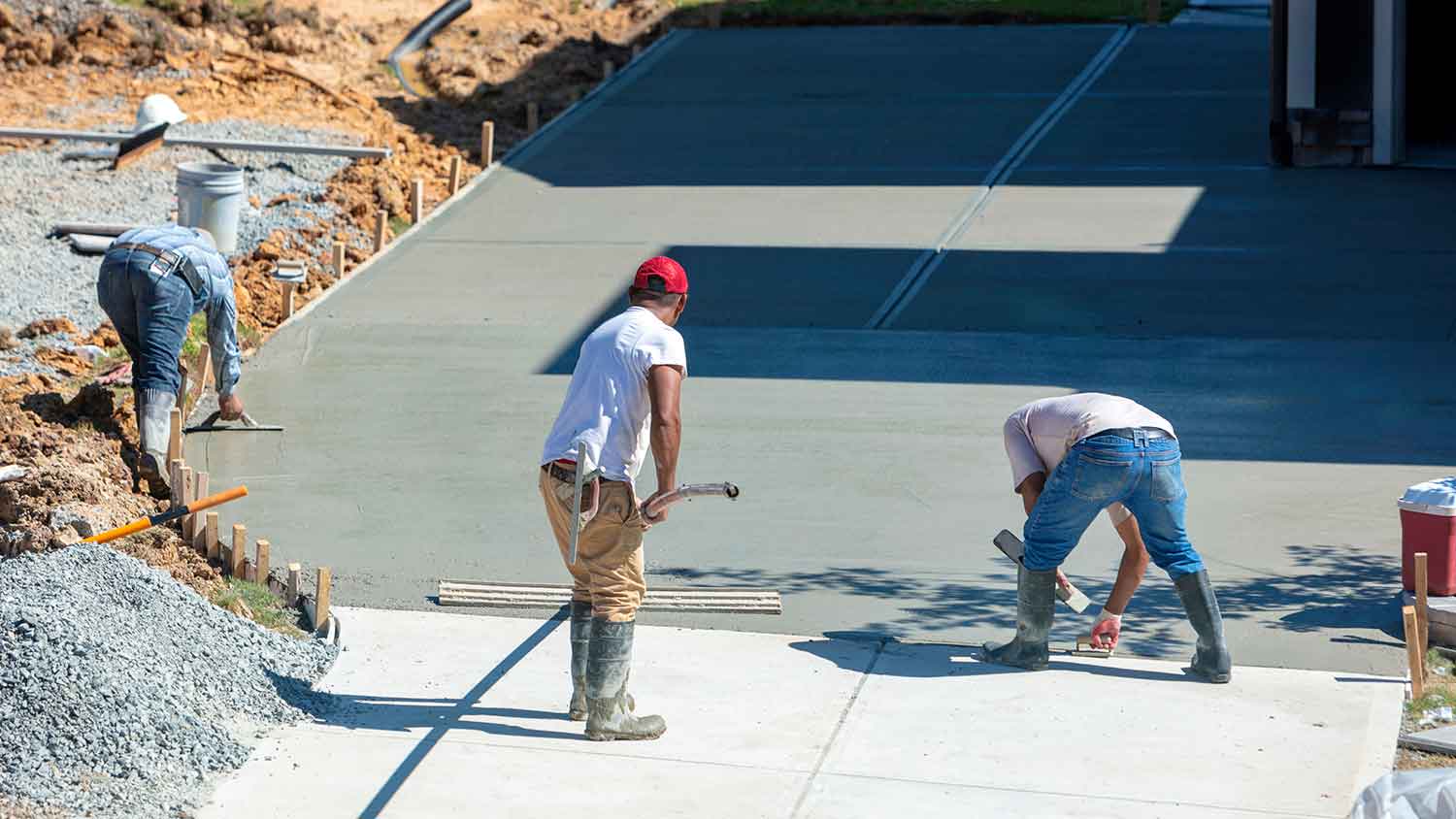
Discover the average concrete pumping cost, including key price factors and tips to help you budget for your next concrete project.
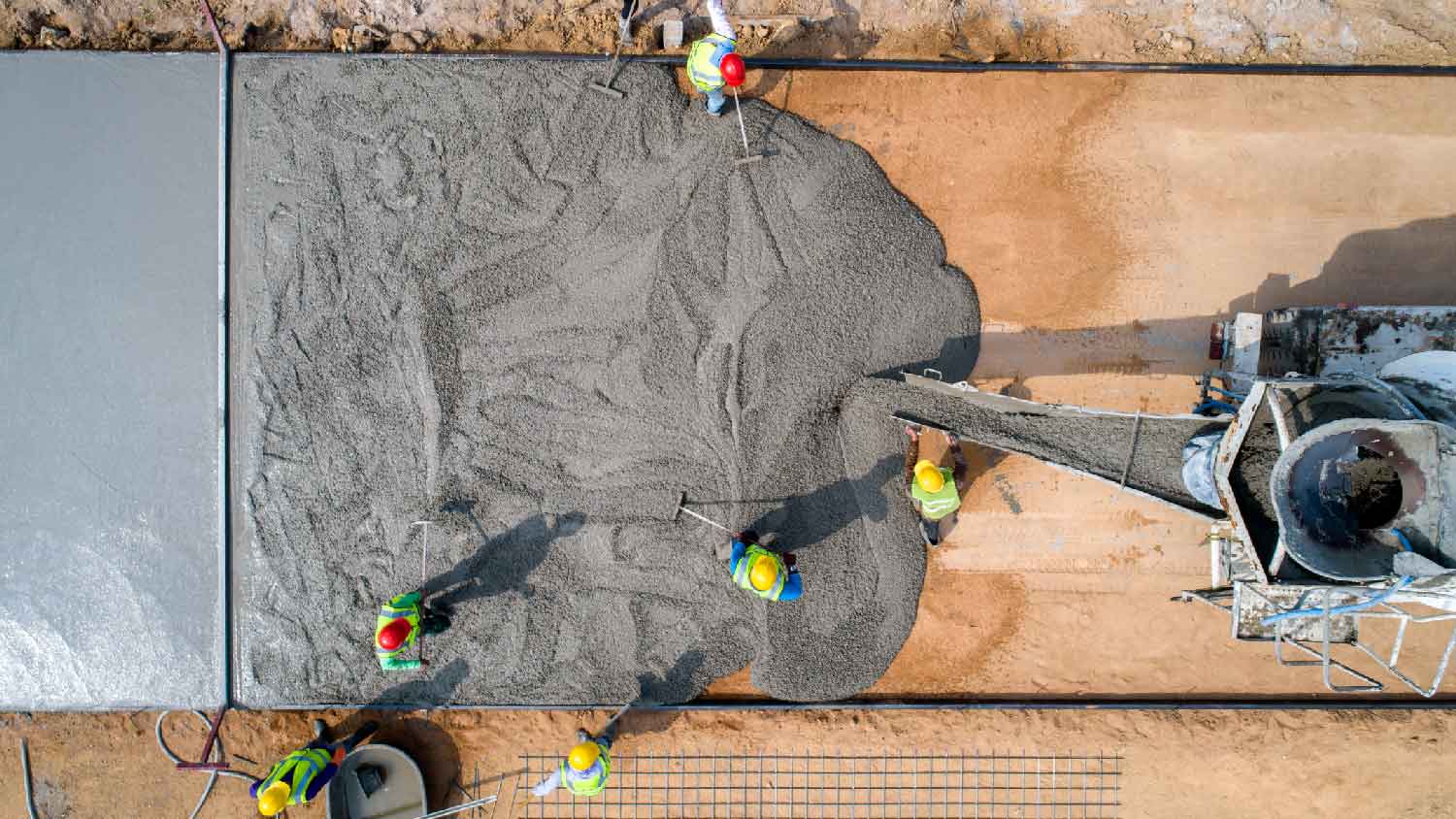
Looking for the best time to pour concrete? Consider the temperature, the weather and climate in your area, the time of year, and sunlight exposure.
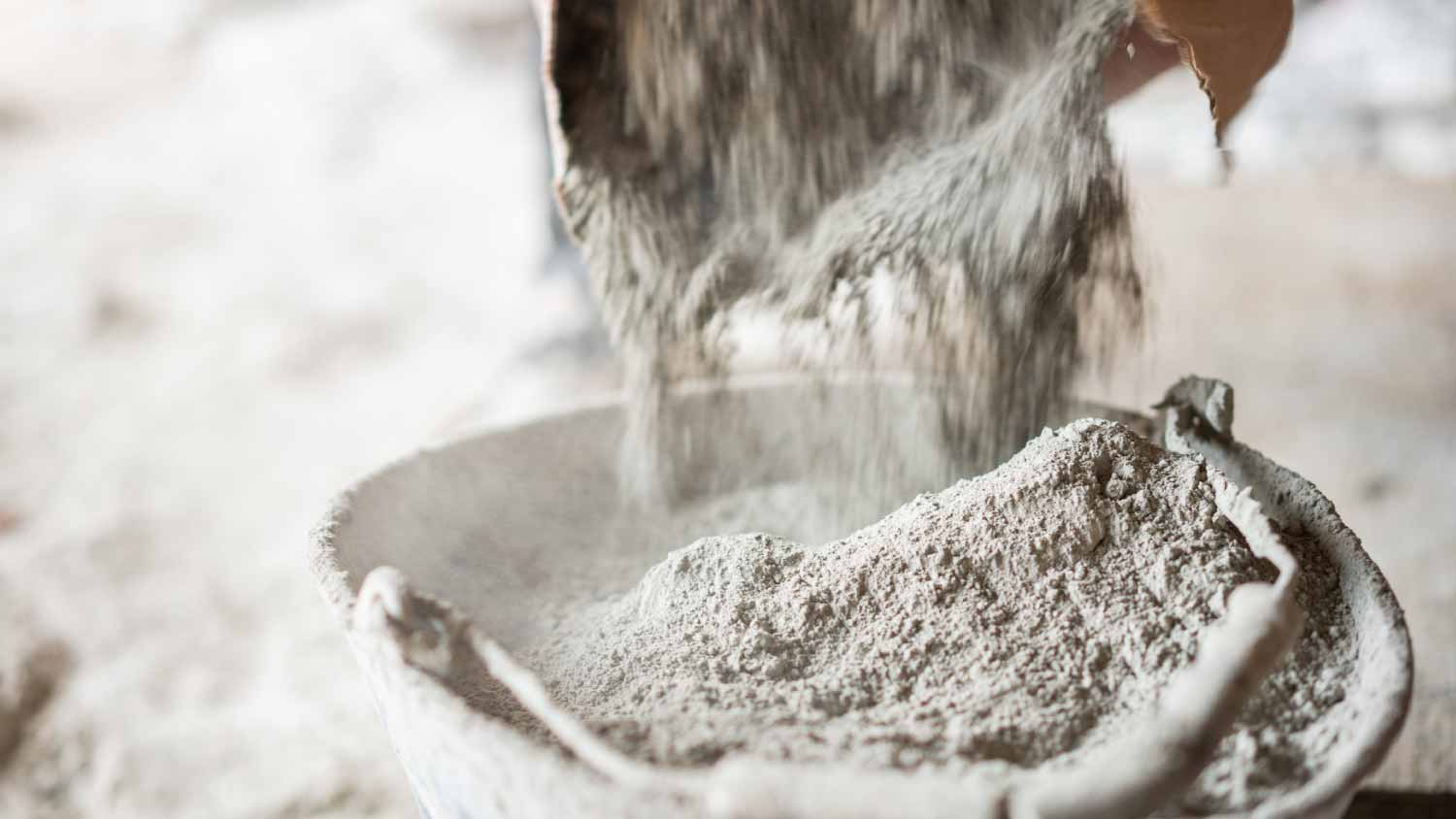
Concrete is a durable material, but how you install it affects longevity. Learn about dry pour concrete vs. wet pour and which is best for your project.
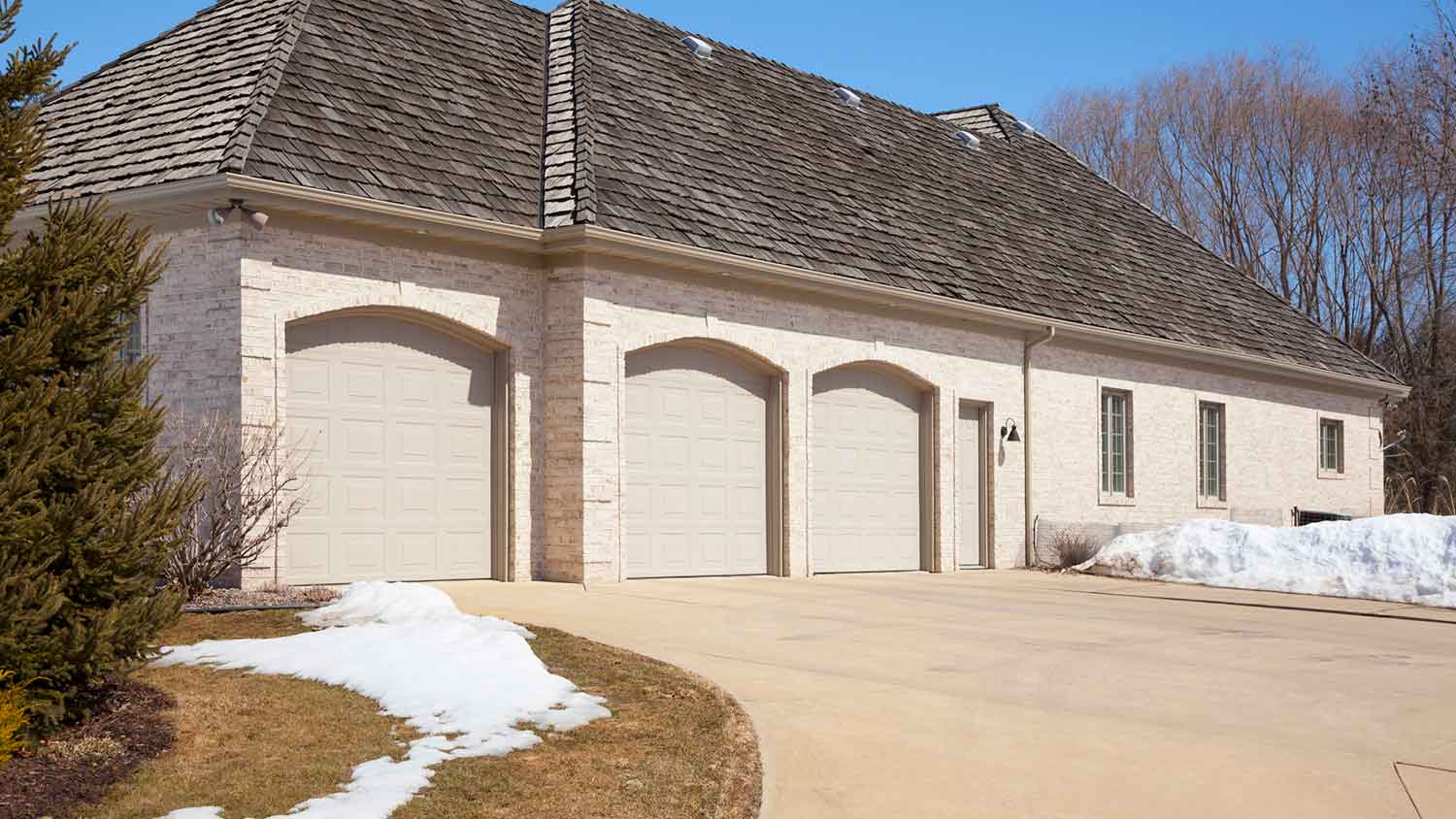
Concrete may be strong, but it's surprisingly sensitive to extreme temperatures. Here's what to know about pouring concrete in cold weather.

When your patio, driveway, or walkway needs a new look, can you pour concrete over concrete? Read on to learn when it does—and doesn't—work.