
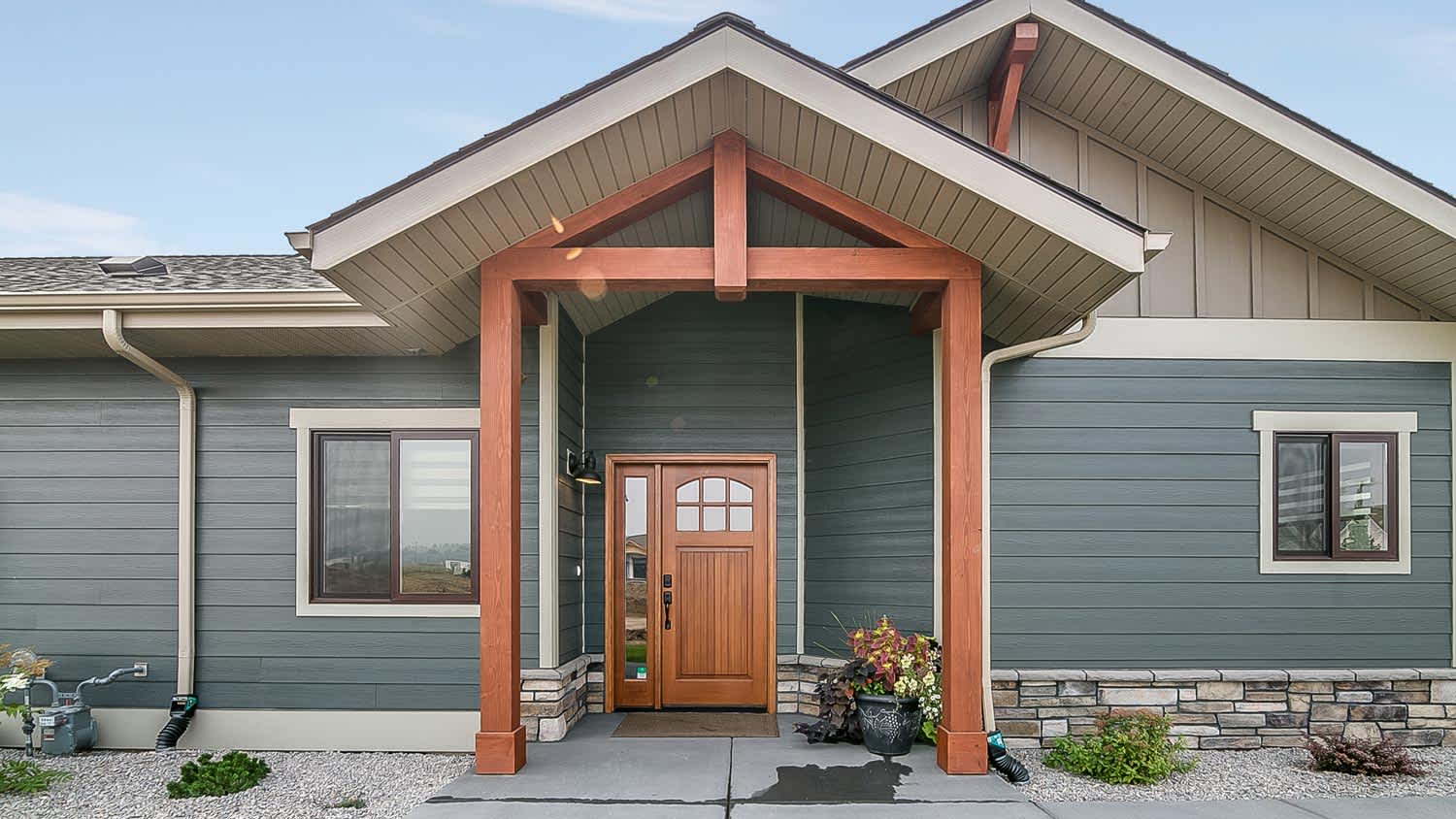
Concrete plays a role in more than just your foundation. No matter where you need the extra stability, here's how to determine your concrete slab cost.
We'll help you make a concrete decision on concrete vs. asphalt

Both concrete and blacktop driveways work in cold climates, but concrete's rigid structure makes it more prone to cracking from freeze-thaw cycles than flexible asphalt.
Concrete repair costs range from $829 to $2,788, which can be nearly double the $1,500 you'll spend on asphalt repairs for similar damage.
Your choice depends on maintenance preferences and budget: concrete needs minimal upkeep but cracks more easily, while asphalt requires resealing every three to four years.
Hiring a local asphalt company provides expert guidance on which material suits your climate best and ensures proper installation for long-term durability.
If you live in a cold climate, you may be wondering about the best type of driveway for longevity and easy maintenance. The freeze-thaw cycles that take place in colder climates can do a number on driveways, walkways, and other surfaces. This guide to concrete vs asphalt in cold climates will help you make a choice!

Concrete is a simple mixture of paste and aggregates that is one of the most commonly used infrastructural materials in the world. On average, a concrete driveway costs $4 to $15 per square foot. Here's what you can expect for performance in cold weather.
Pros
Low Maintenance: Concrete doesn't require the sealant coating needed for asphalt to survive cold weather.
Lifespan: Concrete can easily last up to 30 years even in the chilliest conditions.
Recyclable: Concrete is a better choice for an eco-friendly driveway.
Cons
Issues With Heaving: While fixable, a problem called heaving that results when ice and water get into pockets under concrete is a risk.
Staining: Salt and melting compounds that are commonly used in cold-weather climates during the winter can easily stain concrete.
Cracks: Wild temperature swings are known to cause cracks to form in concrete.
Repair Costs: The average cost to repair or fix a concrete driveway totals $829 to $2,788.

Asphalt is a mixture of aggregates and fillers used for roads, walkways, driveways, and countless other surfaces. It is considered much softer than concrete as a walking surface. At $7 to $13 per square foot, it is comparable in cost to asphalt. Here's a look at the pros and cons based on how it performs in cold weather.
Pros
Bendable: Asphalt doesn't have the rigidity of concrete. As a result, it generally performs much better in areas with frost-thaw cycles that cause materials to expand and contract.
Helps to Melt Ice: The darker color of asphalt can actually attract the sun, helping snow and ice melt faster.
Easily Repairable: Small cracks in asphalt are generally less expensive to repair than damaged concrete. On average, asphalt repair costs $1,500.
Cons
Ongoing Maintenance: Unlike concrete, asphalt needs to be sealed every three to four years.
Patching Is Difficult: Due to the temperature needed for asphalt curing time, damaged concrete can only be patched when temperatures reach above 50 degrees Fahrenheit. If a driveway is damaged by a plow, major repairs may need to be left unfinished until spring.
Asphalt's bendable quality makes it a better choice in areas where the freeze-thaw cycle poses threats for cracking. It can also be a better option for walkways because of the way its dark color helps ice and snow to melt quickly. Asphalt that is professionally installed by a local asphalt company should last for up to 30 years. However, homeowners who choose this option should be prepared to reseal asphalt every few years.
Archie did a good job cleaning up the driveway before he laid down the sealer. It looks good. He was gracious and even helped me bring up my groceries. His rate was comparable to another company who came out to give me a quote and he talked to me personally rather than just text me a quote...
 Pro Seal Roofing & Paving
D1 Roofing delivers outstanding service from beginning to end, backed by a strong warranty and expert teams. I highly recommend them for their excellence in meeting and surpassing expectations with unmatched communication. Choosing D1 Roofing was flawless decision
 Division 1 Roofing LLC
This company went above and beyond with their work, chimney sweeps are usually pretty messy, but the clean up was spot on.!! Josh explained every thing that he was doing, and the things that he was checking to make sure the chimney was safe for me and my family. He was very professional,...
 Supreme brick & chimney
Our homes curb appeal skyrocketed thanks to Custom Paint Jobs LLC s exterior painting.
 Custom Paint Jobs, LLC
Very well! Two men came to do the work. They were both polite, punctual and professional in manner. When they finished, Cameron explained about preserving an asphalt driveway, as I had never had one in the past. I will definitely be calling them in the future.
 All Star Paving and Sealing
Fantastic! Top Line was early for the appointment and very knowledgeable and took time to explain everything they had found during the home inspection. The report included clearly defined issues and what they recommended to remedy the same. The report also included many pictures to help...
 Top Line Home Inspections, LLC
Working with Peter and his crew was a breeze. They were exceptionally polite and did a neat job to repair and seal our driveway. I will definitely talk to them first for additional work.
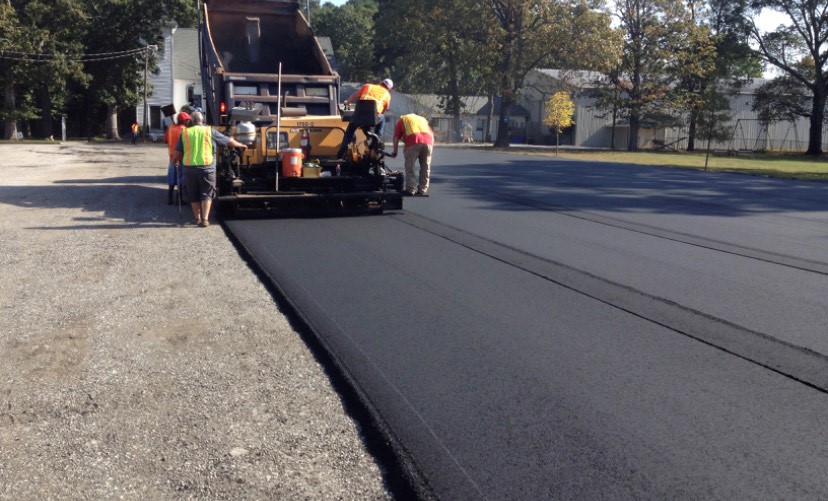 Central Paving
The preformed a really good job the staff is incredible never been so happy with my home, A brand new driveway is like a face lift!!
 Pristine Paving
Called Mark on a Thursday morning. Not really knowing if he could help me or not. I was having driveway, flooding issues due to a clogged channel drain and I was trying to figure out what direction to take. Heavy rains had come on Monday and again on Thursday leading to flooding in my garage...
 Mark Rodgers Construction
Had already met with 2 other contractors before Blue Ring, and Blue Ring's price quote for the work was better than either of the other 2, and the came out the next morning and cleaned up a very large fallen tree branch from a storm that was blocking my driveway. Work was completed in...
 Blue Ring Residential Services, LLC
From average costs to expert advice, get all the answers you need to get your job done.
Concrete plays a role in more than just your foundation. No matter where you need the extra stability, here's how to determine your concrete slab cost.
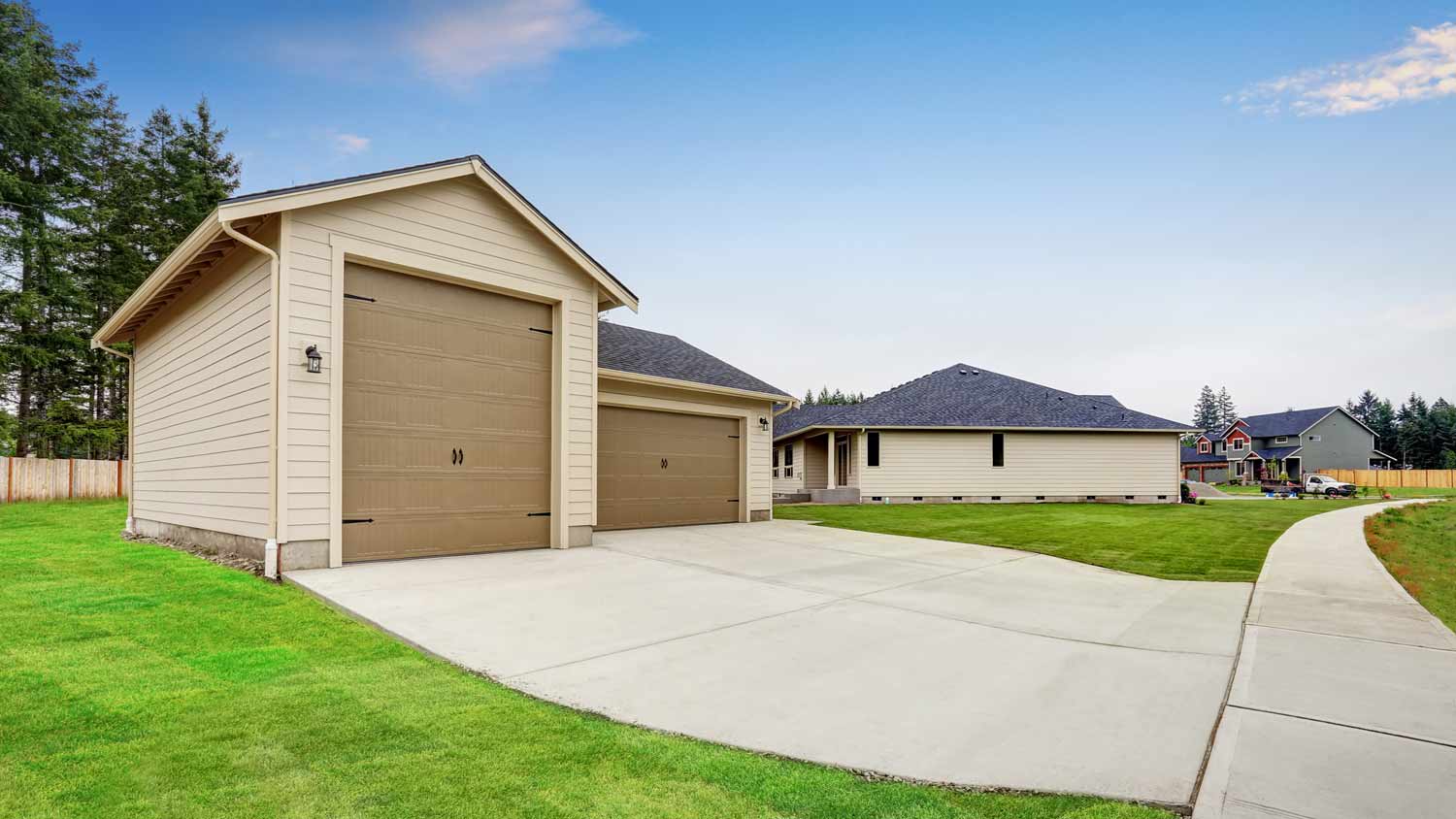
Which one is better for your home, an asphalt or concrete driveway? Learn the difference in initial installation, pros and cons, and follow-up costs.
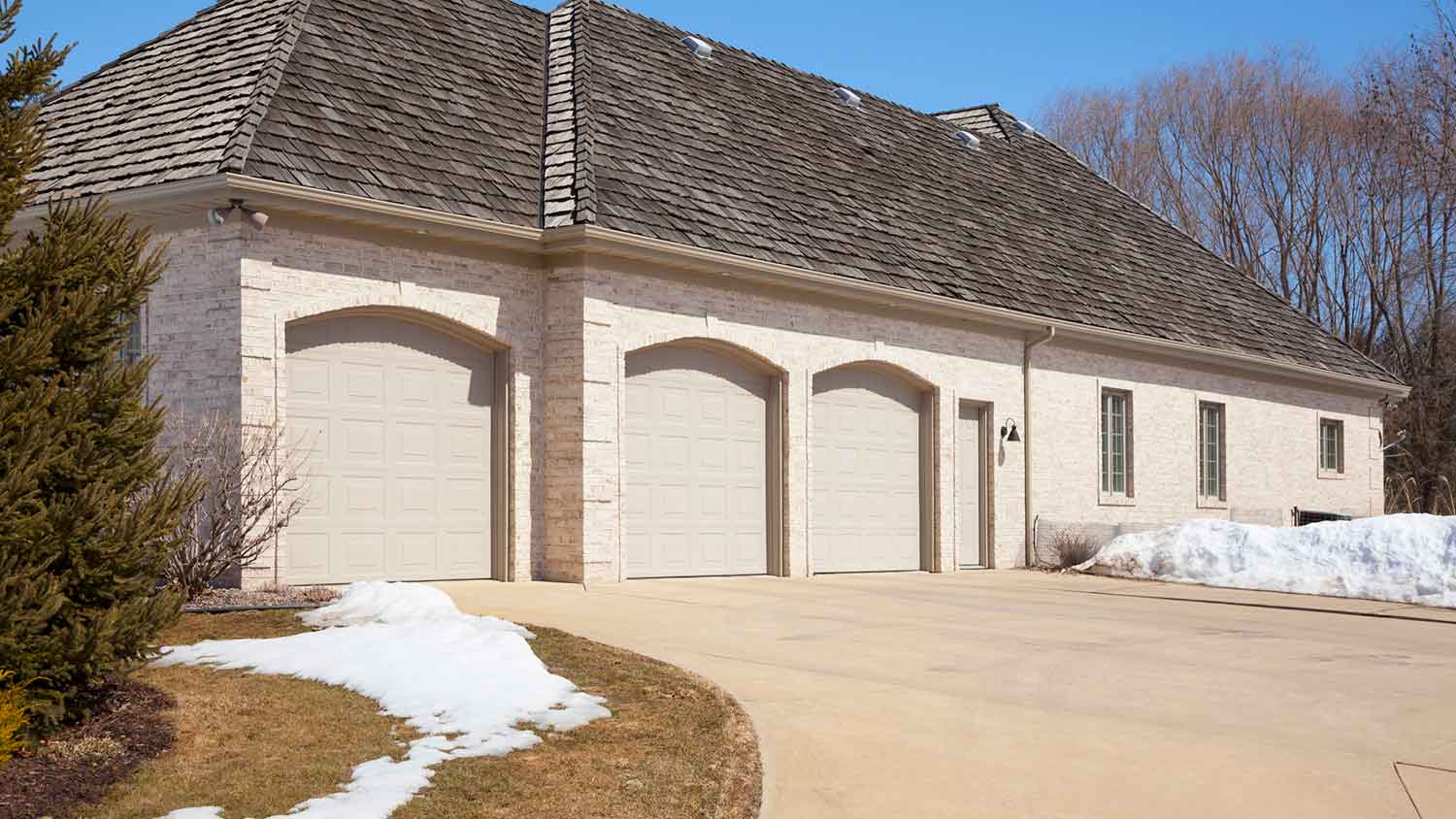
Concrete may be strong, but it's surprisingly sensitive to extreme temperatures. Here's what to know about pouring concrete in cold weather.
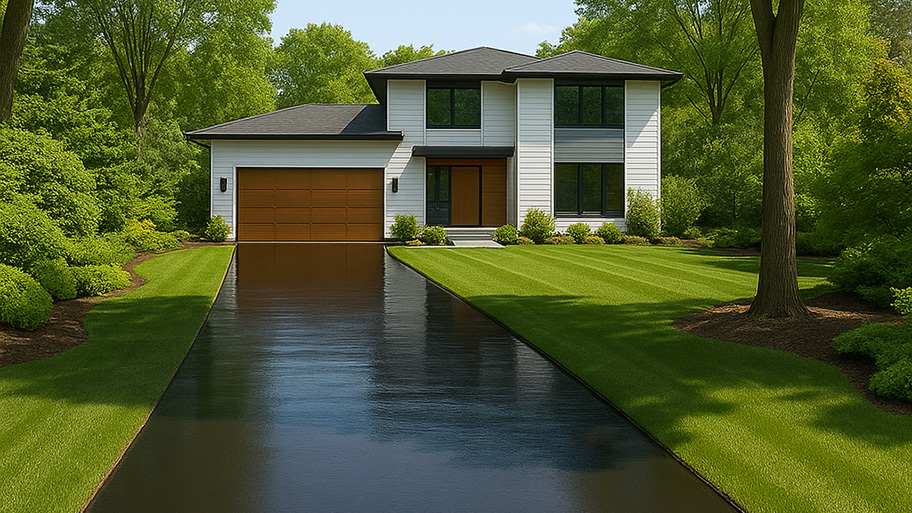
Choosing the right asphalt is key to a long-lasting surface. Find out which mix works best for roads, driveways, and heavy-traffic areas.
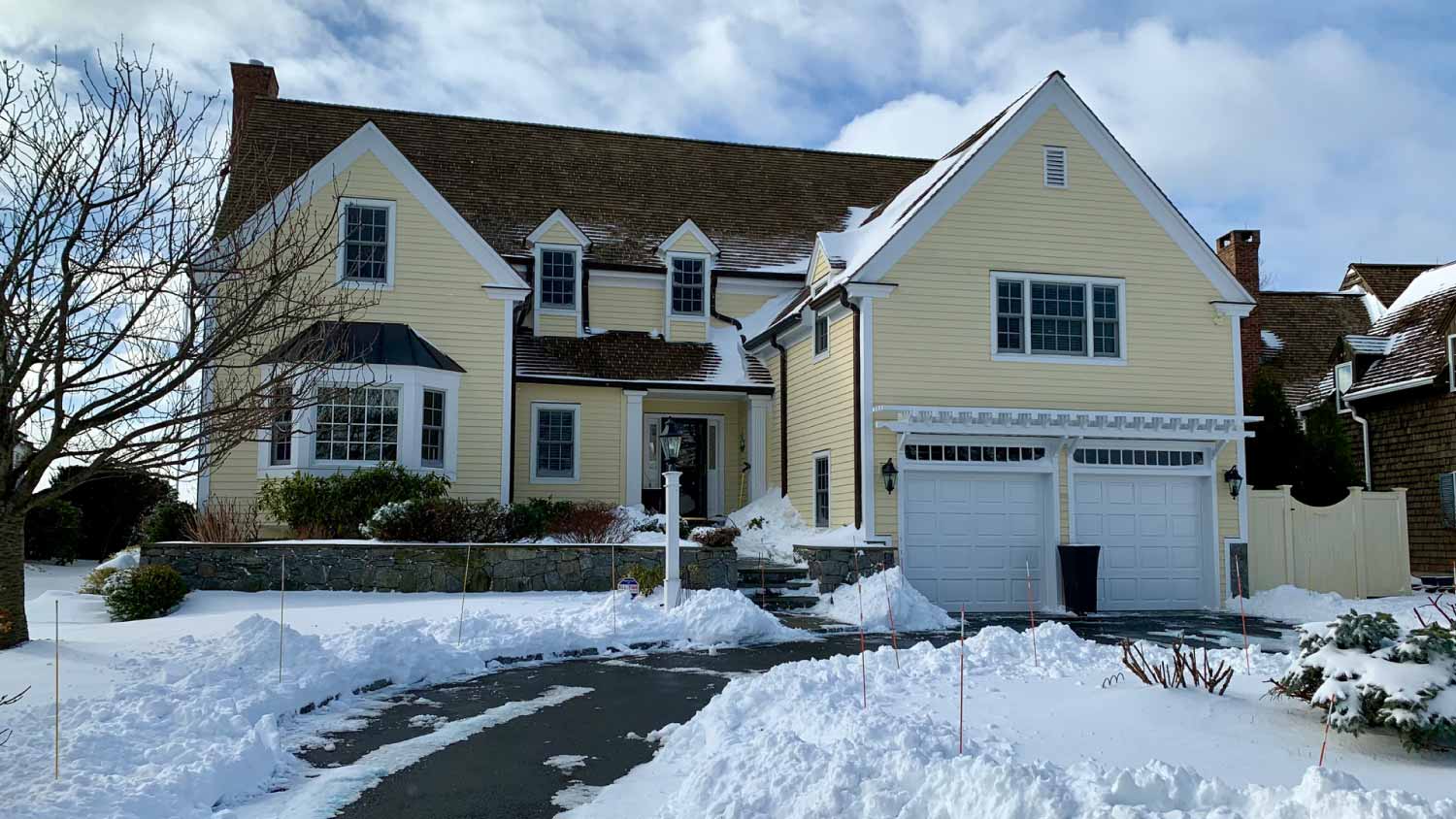
Asphalt is the best driveway material for cold weather, but there are times when other materials may be a better fit. Get the details in this article.
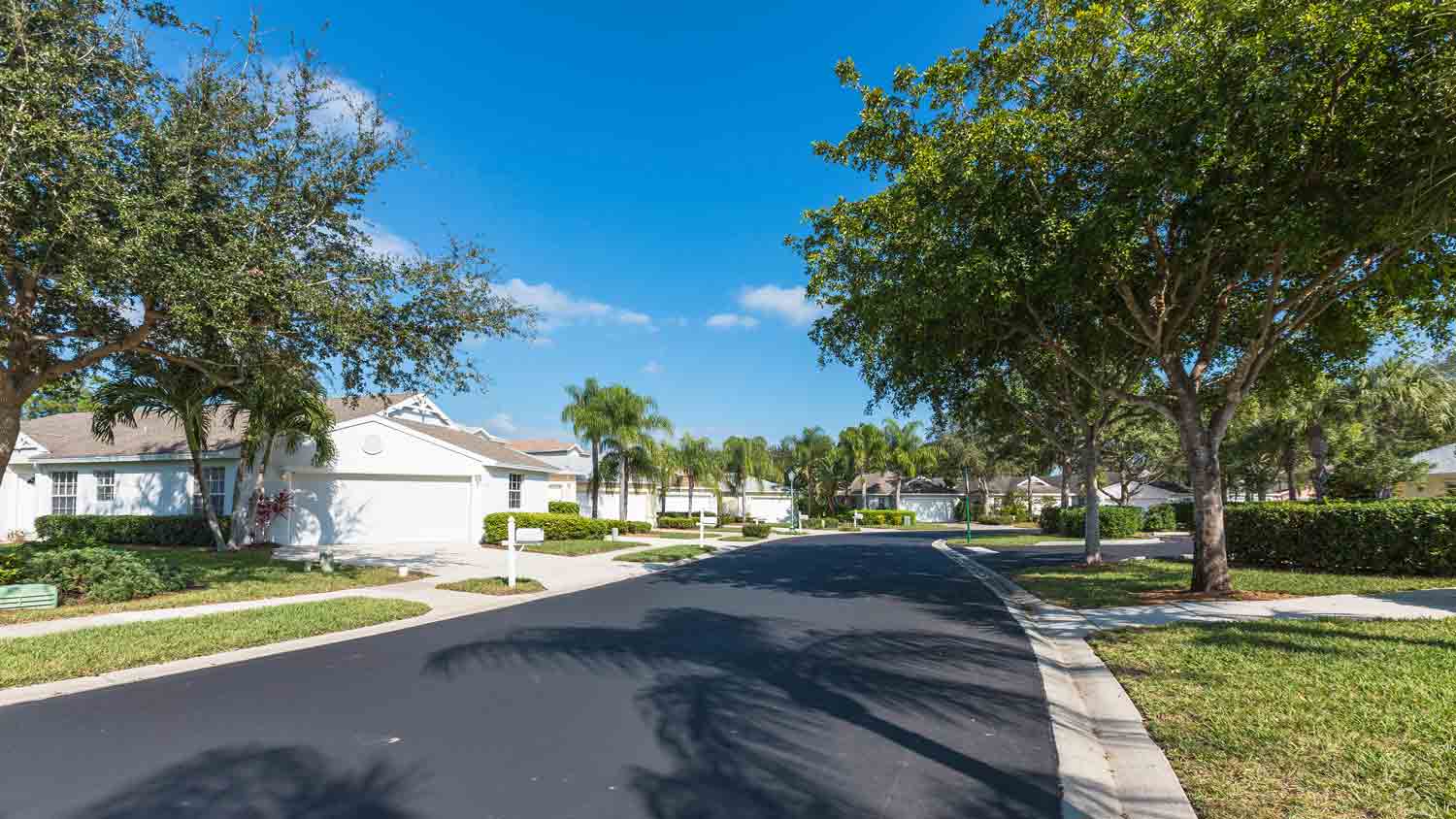
Learn the key differences between pavement and asphalt, including cost and durability, so you can choose the best option for your driveway or walkway.