
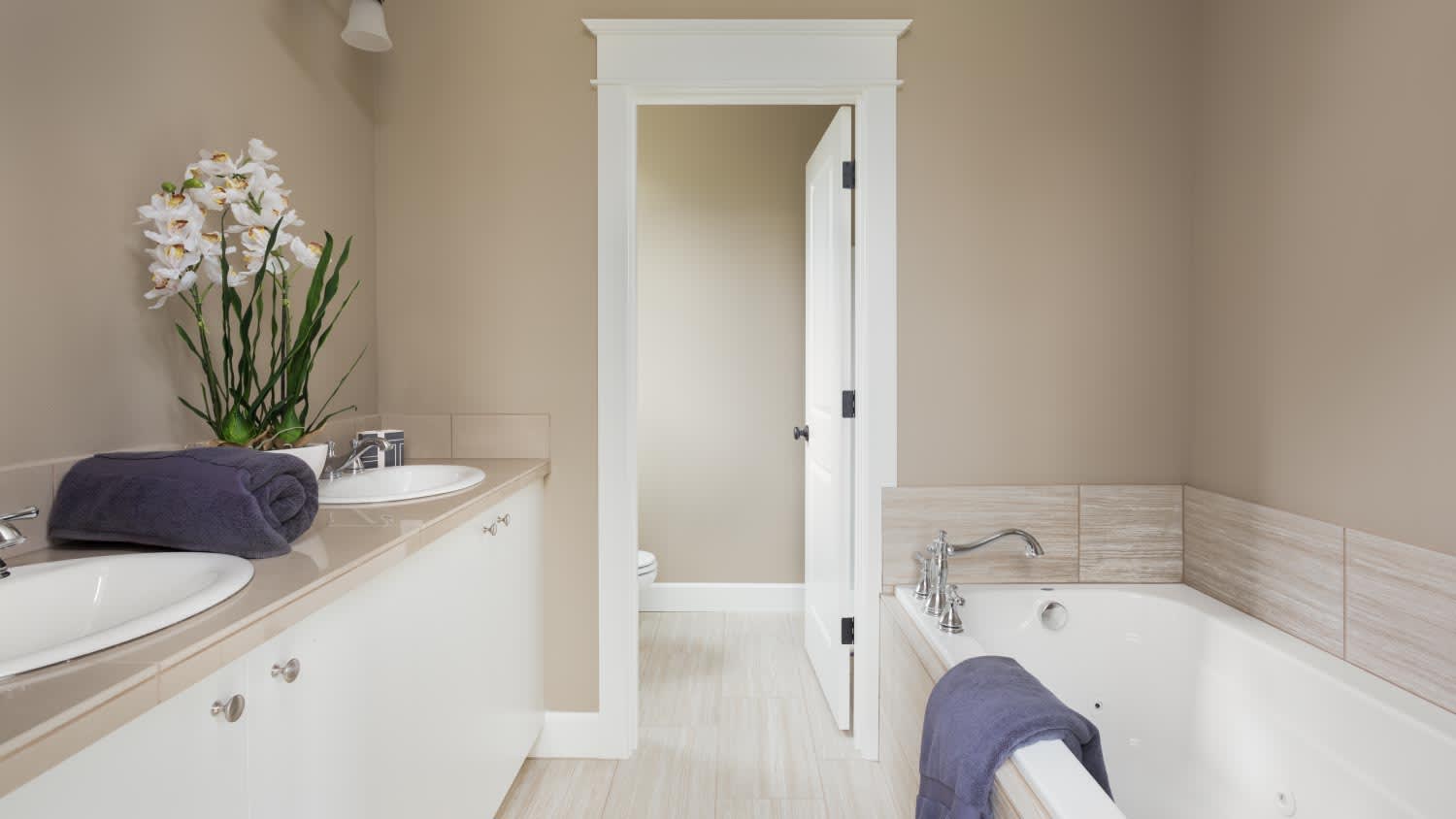
The cost to install porcelain tile depends on materials, size, and whether you DIY or hire a pro. This guide will help you choose the perfect porcelain tile for your home and budget.
Don’t crack under the pressure of choosing tile for your project

Porcelain tile versus ceramic tile differs in density and porosity, as porcelain absorbs less than 0.5% of water while ceramic is more porous.
Ceramic tiles cost $5 to $10 per square foot, while porcelain tiles cost $10 to $15 per square foot for your project materials.
Porcelain tiles offer better durability than ceramic, resisting moisture, scratches, and temperature changes more effectively in high-traffic areas you use daily.
Hiring a local porcelain tile professional provides expert guidance on cutting dense materials and selecting the right adhesive for lasting installation.
You’ve ripped out the old kitchen counters or the outdated shower tiles, and now you’re on to the most exciting part of a home renovation: choosing new tile. You notice many beautiful tiles that would work for your project, but how do you tell the difference between porcelain versus ceramic tiles? These two materials may seem similar, but they have major differences that make them each better suited to specific types of projects.
The key differences between porcelain versus ceramic tiles are durability, cost, and installation difficulty. Porcelain tile is dense and highly durable, but that means it comes at a higher cost and is more difficult to install compared to ceramic. Ceramic tiles are softer and lighter in weight, making them easier for DIY installation and more budget-friendly, but they are more vulnerable to moisture, chips, and scratches.

Porcelain is a type of high-quality ceramic made using fine clay fired at high temperatures, often over 2,200 degrees Fahrenheit. Porcelain is not very porous—it absorbs no more than 0.5% of water. This makes the material an excellent choice for moisture-prone areas, like showers or outdoor spaces. However, porcelain’s density and durability make it more challenging to install for DIYers, so if you choose porcelain for your project, leave installation to a local tile pro.
| Pros | Cons |
|---|---|
| Less porous | Higher cost |
| High durability | Difficult installation |
| More design options | Requires special adhesive |
Best for:
High-traffic areas
Tubs and showers
Kitchen counters
There are pros and cons to porcelain tile, with the biggest pro being its extreme durability. Porcelain is dense and has low porosity, so it stands up well to everything from shower steam in the bathroom to spilled milk in the kitchen. You can even install it in outdoor spaces without worrying about it cracking or shifting from temperature changes.
Plus, porcelain comes in a wide range of design options. Not only can you find glazed porcelain similar to ceramic tiles, but you can also explore textured options made to look like natural stone or even wood.
Porcelain does have its drawbacks, especially when it comes to installation. Its heavier weight and density make porcelain harder to handle and cut. Cutting porcelain tile requires extensive skills in using angle grinders or a wet tile saw, which can also be expensive to rent or purchase. Plus, since porcelain is not very porous, it needs a specific substrate material to adhere to walls and floors.
The cost of installinWhat Is Ceramic Tile?What Is Ceramic Tile?g porcelain tile can be more expensive with the special setting material and tools required for installation, and porcelain tile itself is also more costly than ceramic.

Ceramic tile is made similarly to porcelain but using a less fine clay mixture fired at a lower temperature—around 1,600 degrees Fahrenheit. The resulting ceramic tile is thinner and more lightweight than porcelain, making it a popular option for DIY tiling projects. Because of this, ceramic tile absorbs water more easily, so it’s not the best choice for tubs and showers or kitchen counters (but it is great for backsplashes). Ceramic is often glazed for more unique and custom designs.
| Pros | Cons |
|---|---|
| Lower cost | More porous |
| Easy to install | Less durable |
| Lighter weight | Prone to scratches and chips |
Best for:
Lower-traffic areas
Wall tiling
Backsplashes
Ceramic tile is popular because it balances unique styles with a lower cost for materials. Unless you opt for custom or designer tiles, you can expect to spend less than $10 per square foot for ceramic tiles.
In addition to being budget-friendly, ceramic tiles are also easier to install than porcelain. If you want to install tile yourself, ceramic is a great pick. It’s easy to cut and handle since it's a softer, lightweight material and doesn’t require any specialized setting material.
Ceramic tile is more porous than porcelain, so if you spill coffee on ceramic countertops, you may be stuck with stained tiles. Consequently, ceramic tile is best reserved for areas that aren’t hit with a lot of water or other liquids (unless you’re diligent about sealing the tiles regularly and cleaning up spills immediately).
The lower density of ceramic tile means this material isn’t quite as durable as its porcelain counterpart. Dropping a garden tool on the ceramic floors of your mudroom could leave behind a chip, and ceramic tile may crack under heavy foot traffic or frequent temperature changes.

Although porcelain is a type of ceramic tile, these two options have many differences to consider before you decide on one for your tiling project.
No matter whether you choose porcelain versus ceramic tiles, you’re sure to be satisfied with the project when you’re done. Ceramic often comes glazed, but there are unglazed options. Porcelain can also feature a glazed finish. Both types of tile come in a wide variety of colors and patterns to suit any interior design style.
Although both porcelain and ceramic tiles are attractive and come in a variety of colors, porcelain offers even more versatility. You can find porcelain tiles that mimic the appearance of wood or stone, and porcelain may be glazed or textured for different looks.
Because porcelain is fired at higher temperatures, it is a much stronger and more durable material compared to ceramic. Porcelain is less porous, so it holds up well to moisture, and it’s less prone to contraction or expansion in cold or hot temperatures. Porcelain is also much less vulnerable to scratching, denting, or cracking than ceramic.

Tile installation costs an average of $5 to $45 per square foot, depending on the material. Ceramic falls on the lower end of the price range, although both of these materials cost less than stone tiles, such as marble or granite. Ceramic tiles cost $5 to $10 per square foot, and porcelain tiles cost $10 to $15 per square foot.
Ceramic is softer than porcelain. This means it’s easier to cut ceramic tiles to size during installation, making it a more achievable DIY project. Cutting porcelain often requires specialized tools to avoid breaking the tiles.
No matter which type of tile you choose, the repair process is similar. To repair minor cracks in tile, you can use epoxy or remove the old tile and replace it with an extra you stashed away after installing the tile. To prevent any moisture from seeping into the damaged tile, though, it’s best to hire a pro as soon as possible to fix any cracked porcelain or ceramic tiles.
Ceramic and porcelain tiles require similar upkeep. You’ll want to clean your tiles regularly, once a day for counters and at least once a week for wall and floor tiles, using warm water and a mild soap. Plan to deep clean and reseal the grout at least once per year.
Porcelain and ceramic tiles have a life span of 50 years or more with proper installation and maintenance. However, because of the harder material, increased moisture resistance, and improved durability, porcelain often lasts longer than ceramic tile. Ultimately, opting for tiles with a Porcelain Enamel Institute (PEI) rating of 3, 4, or 5 will ensure better quality, longer-lasting tiles.
Terrible experience. Walls/trim/floors/cabinets/doors all have drip marks, overspray, etc. Tiling at the fireplace had to be redone by another vendor due to incorrect and shoddy install by Profect. Contractor had his children in our house while he was on site without prior authorization or...
 Profect painting & exteriors
It was wonderful working with Yordy and his team. They were very professional and are experts in what they do. They have completed the work on time, with better quality and with in fairly reasonable price. We just started with backsplash work , but liking his work, we went on to provide...
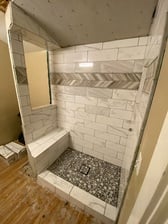 Flooring Solutions
We were having 2”x 2” tile installed . There was a small installation error and the new additional replacement tile was from a different lot and the colors didn’t match. Joe assured us that he would rectify everything , which he did without hesitation. We decided to go with the 18” x 36” tile...
 CarifaTile
For several months I was looking for somebody to tile a wall in my master bath and move lighting fixtures, and could not find anybody who was responsive. I contacted Rowe through Home Advisor and within days they came by to assess the job and provide an estimate. The cost was very...
 Rowe House Development
It went very well! The end product was amazing and we keep getting a lot of compliments from friends! M&E were very professional and they made sure we were happy with the product before leaving. They met with us in our home and at the tile shop to make sure we were okay with our tile and...
 M&E Remodeling
Involved an extensive bathroom remodel, including removing tub & installing walk in shower, new drywall, custome tile work to ceiling, plumbing, etc. Overall, job was done on time and on budget. Nick & his team were very professional and had high attention to detail. Quality was great. Highly...
 Stamos Flooring and Remodeling LLC
Very pleased with the service and level of professionalism. Courteous and very unobtrusive in performing service. Unlike several other companies, Bradford Xteriors was willing to perform work on a three story home with a clay tile roof. <br />
 Bradford Xteriors
This company did a very good job on the brick wall and it looks just amazing. The staff was always professional and was practically OCD on how the bricks were stacked and how they were laid. Although it took longer than expected, I am willing to sacrifice time over perfection anyday. The...
 My Handy Mate LLC Improvement & Remodeling
He did the tile work and he was good at it. He used other subcontractors for the rest of the work (like putting in the cabinetry) and they were okay but not great. He was a great guy! He was easy to work with and had a good eye for the detail of his work. There were a couple of things that I...
 Brian Miller Custom Remodeling
I was very impressed with Miller Cantrell! I live in an old home in which the sewage line that runs from my home to the sewage system is a line of clay tile. These eventually collapse and need to be replaced - an expensive problem and sure to happen at the worst time. I told them that my...
From average costs to expert advice, get all the answers you need to get your job done.
The cost to install porcelain tile depends on materials, size, and whether you DIY or hire a pro. This guide will help you choose the perfect porcelain tile for your home and budget.
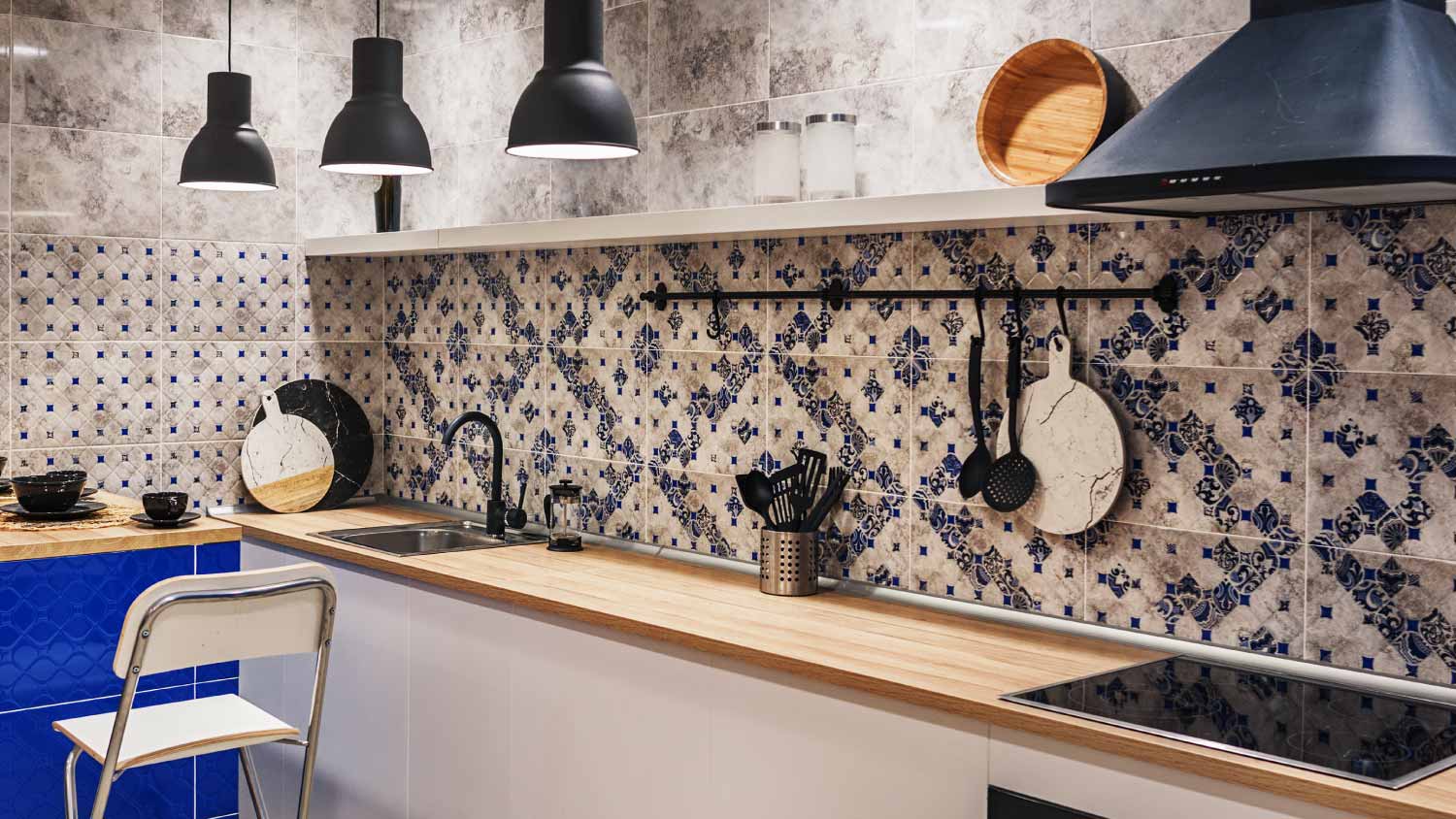
Whether it’s on your floor, walls, or shower, ceramic tile can add style to your space. So, how much does ceramic tile installation cost? Let’s break it down.

Discover the average cost to reglaze tile, what impacts pricing, and how to save. Get expert tips to plan your tile reglazing project with confidence.
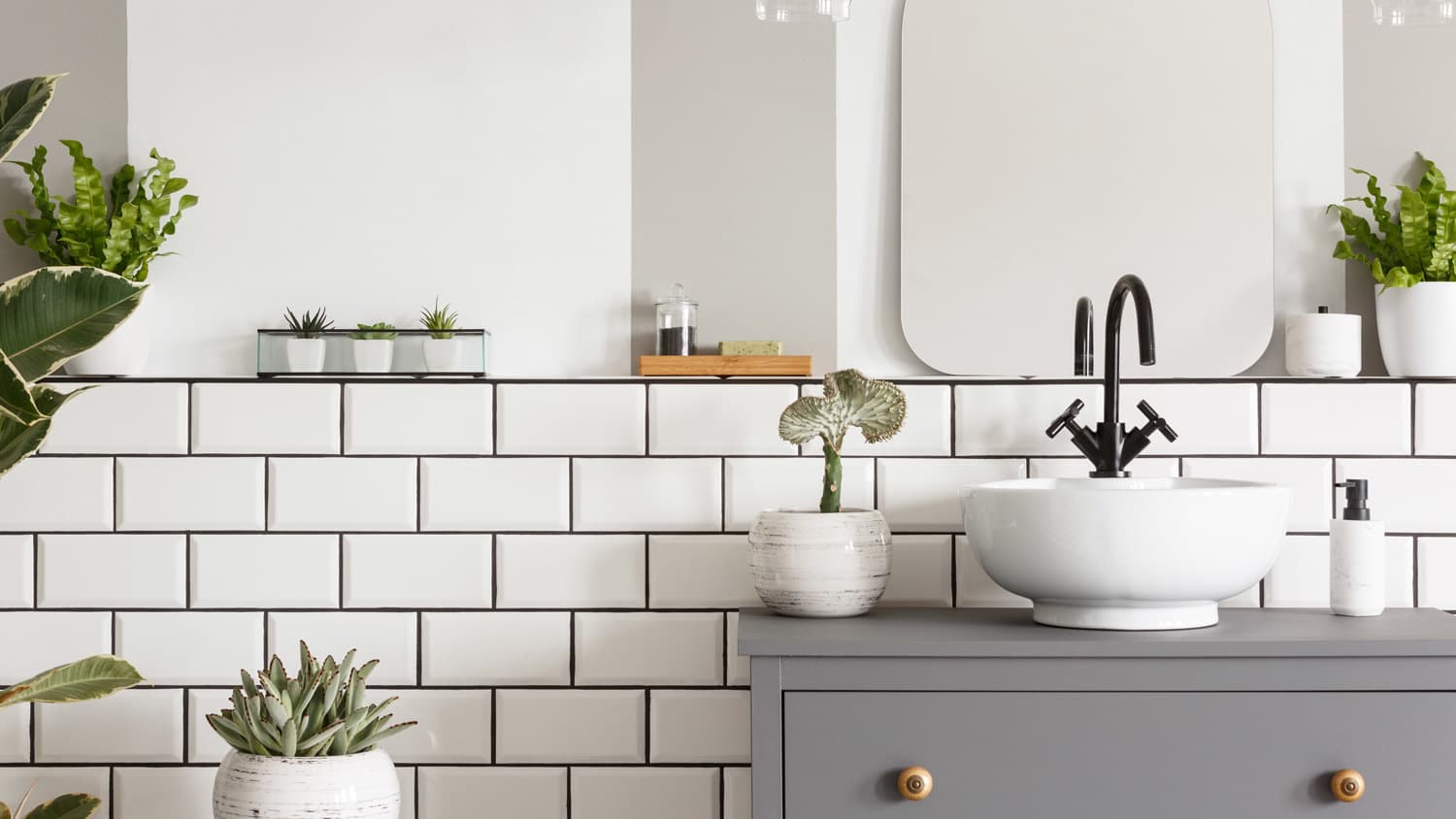
Looking to upgrade your bathroom or kitchen? There’s a reason why porcelain is a classic. This guide will help you weigh the pros and cons of porcelain tile.
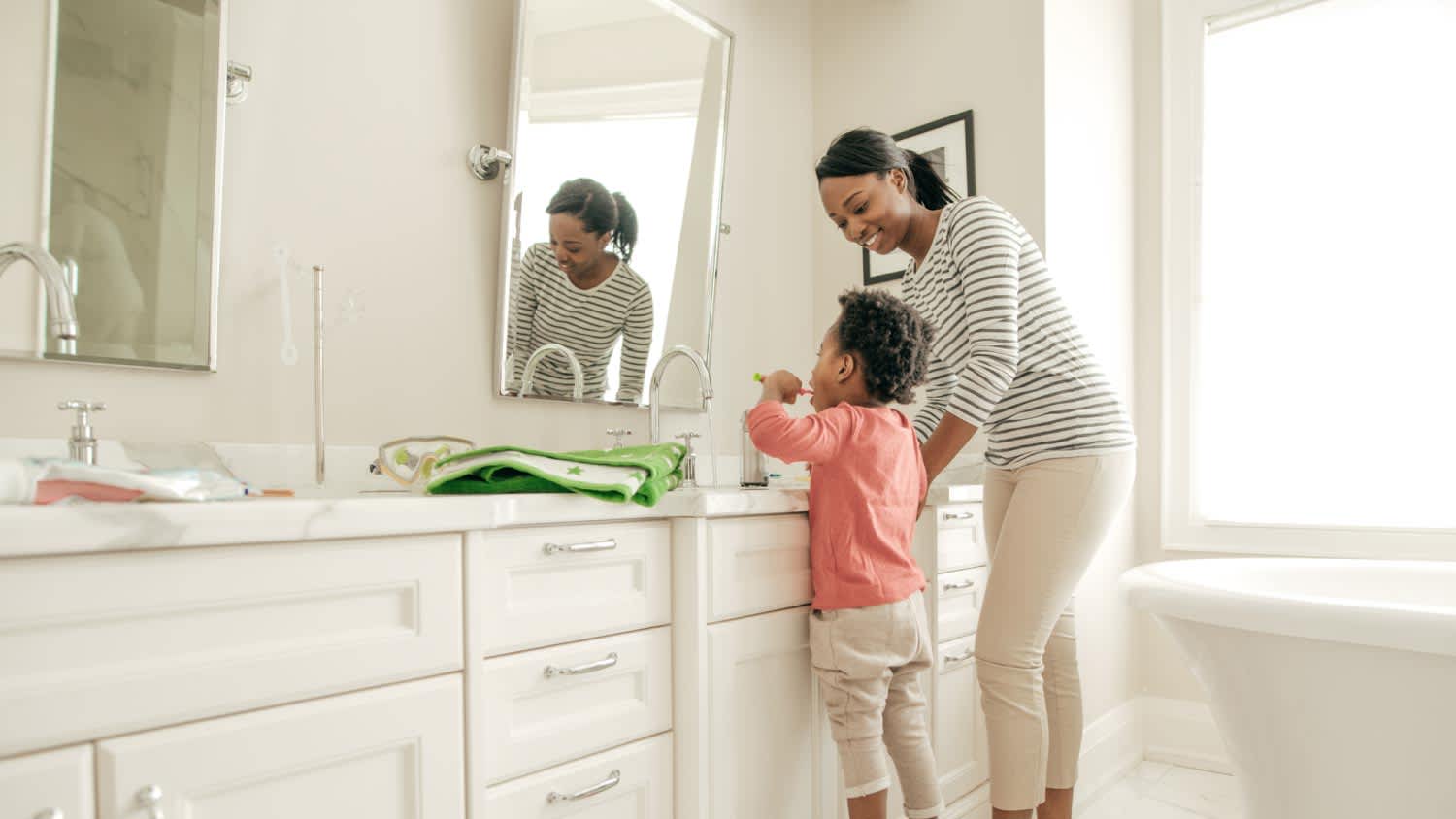
When weighing marble vs. porcelain, tile there are a few things to consider. These two materials have some of the same benefits, but different drawbacks.

Ceramic tile as a flooring option boasts a long list of advantages over other surfaces. However, there are also some key drawbacks worth considering. We’ve rounded up both the pros and the cons of ceramic tile into a helpful list.