
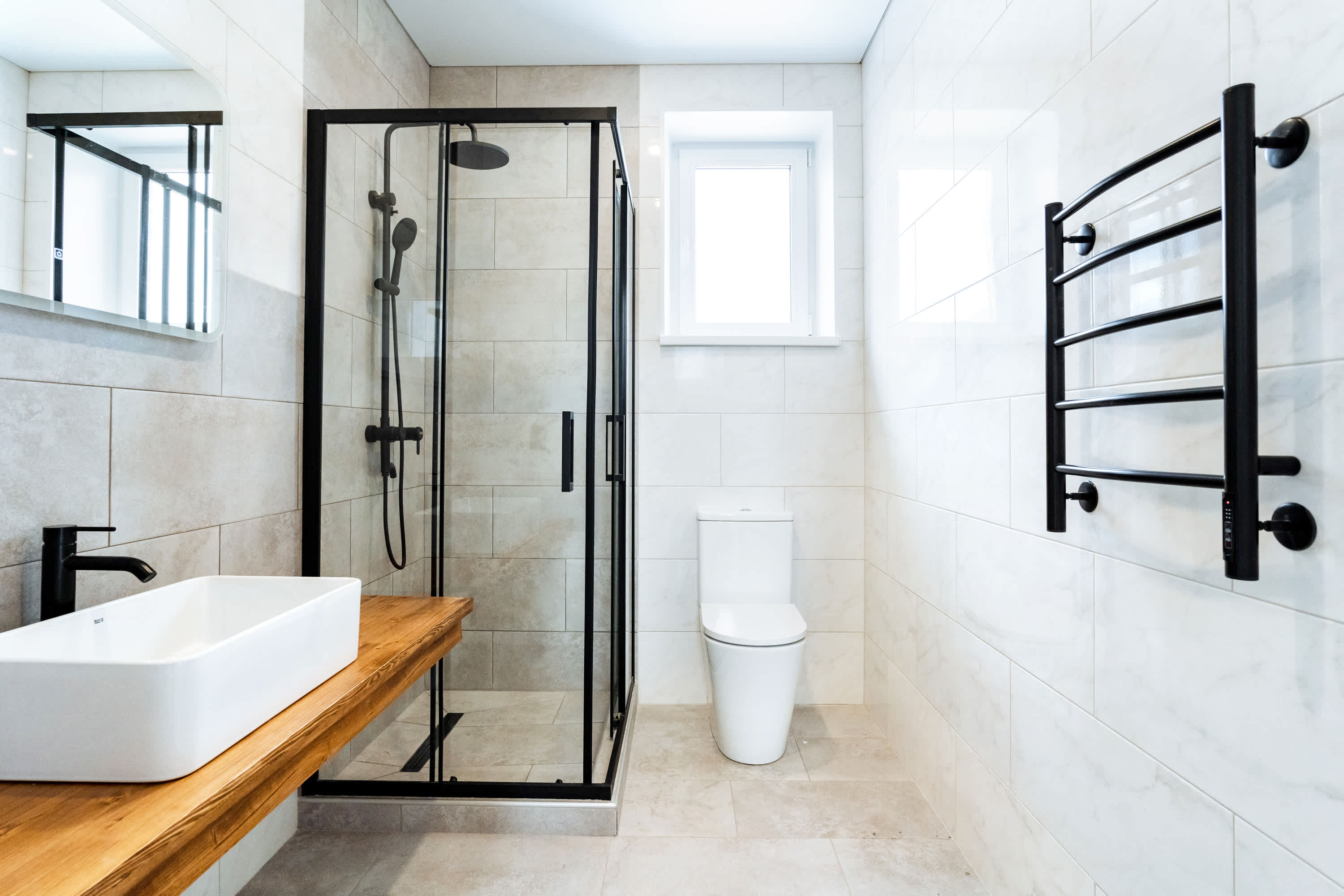
Discover the cost to design a bathroom, including key price factors, to help you plan your remodel with confidence and avoid budget surprises.
Kick back and relax as your passive home does all the work to keep itself cool and comfortable

Passive house design relies on your home's structure, placement, and insulation to control heating and cooling naturally, reducing your need for active HVAC systems.
Passive homes use up to 90% less energy than standard construction, helping you save money on utility bills while supporting eco-conscious living goals.
You can upgrade your existing home with energy-efficient windows, improved insulation, proper attic ventilation, and airtight sealing to capture passive design benefits without rebuilding.
Hiring a local home energy auditor provides expert guidance on the best passive design upgrades for your home, helping you identify cost-effective improvements confidently.
Just over 30 years ago, the Germany-based organization Passive House Institute (PHI), set the standard for a new green home movement. Passive house design combines five key principles for controlling home heating, cooling, and humidity without the energy-dependent devices we flip on with a switch.
Now with hundreds of partner organizations around the world—including many in the U.S.—passive home design offers an eco-conscious upgrade for both new and existing homes.
On a basic level, the secret to passive home design lies in the structure of the home itself. The home's placement, insulation, building materials, and structure all reduce the need for active cooling and heating—aka, your HVAC system. In other words, if your home naturally remains at the right temperature, you'll spend less time futzing with the thermostat (and less money on your utility bill!).
Historically, architects used eco-friendly home design ideas long before HVACs and furnaces even existed. Window placement, the shape of the roof, and ventilation all played a role in how the home would handle the local season.
Nowadays, home builders seek out certification in modern passive home design to catch the eye of more eco-conscious clients. After all, according to the PHI, passive homes have up to 90% energy savings compared to older homes.
So, what exactly is a passive house and how does it combat energy loss? Take a look at the PHI five principles of design—all of which act as guideposts for partner organizations:
Thermal insulation: Insulation should surpass government standards and stand up against the climate of the area to protect the full envelope (walls, floors, roof, etc.) of the house from outside temperatures.
High-performing home windows: Multi-paned and coated windows can help control the solar gain—energy and heat from the sun—during the winter and summer.
Ventilation strategy: Passive homes feature heat-recovery ventilation to properly circulate air and remove exhaust without electricity.
Airtightness: Properly sealing windows, doors, and joints protects a home against unwanted movement of hot or cool air between the envelope.
Thermal bridge reduction: A thermal bridge refers to materials in your home's envelope that are more conductive than the insulation—and therefore cause a home to lose energy. For example, the studs in between wall insulation will conduct enough heat to allow significant energy loss.

Whether you're building from the ground up, adding a new addition, or simply looking to add more green interior design elements to your home, there are plenty of opportunities for passive design. Keep in mind that the vast majority of passive home plans will require the help of a professional familiar with eco-conscious design.
Homebuilders typically choose north or south-facing facades for passive design. When your windows and walls face north and south, you get a full day of indirect sunlight—which is more consistent and easier to manage. Designers may even opt for a longer, narrower building footprint to catch as much sun as possible.
Keep in mind that the direction of the house will heavily depend on the local system and the microsystem on your property. Trees, other homes, and slopes can all play a role in how much sun reaches your home.
Your attic plays a significant role in controlling the heating and cooling of the rest of the house. When you combine proper ventilation and insulation, your attic keeps all the hot air from escaping in the winter and prevents heat against the roof from offsetting your AC in the summer.
The best types of roof vents for your home will come down to the shape and slope of your roof, the age of your home, and where you live. Both intake vents and exhaust vents work with the natural convection process to keep the temperature and humidity balanced in this crucial space.
Passive ventilation also relates to the placement and type of windows included in your home. Designers will consider the local climate and common airflow patterns to keep your AC from kicking on.
You have a handful of options for fortifying your windows. Making your window more energy-efficient is a great option on this list for existing homes looking for green upgrades.
For example, Low-E window coating—aka low emissivity coatings—reflects a large portion of the infrared long-wave energy from the sun that creates heat. Similarly, those who live in an area with changing seasons can add solar window film for temporary heat control.
If you live in a cold climate year-round, designers may recommend additional window glazing—the addition of extra panes to each window.
Your window team may also recommend an Energy-Star approved window—windows that combine the tactics above as well as provide a strong seal against air leaks. And if replacing them is not currently an option, winterizing your windows and doors is a great alternative.
Speaking of sealing in air, insulation, window sealing, and thermal bridge reduction are all major pieces of the puzzle as well. Passive home designers may choose insulation with a higher-than-necessary R-value to ensure long-term savings of both money and energy.
As mentioned earlier, passive home design requires that thermal bridges receive special attention. Areas around your studs, for example, require additional insulation. Some homes even do best with continuous insulation placed under the home's exterior siding.
Contractors can receive training and certifications from a range of organizations across the country, including the Passive House Institute US (PHIUS) or the Passive House Network (PHN). According to the PHIUS, These experts learn how to balance a home's comfort levels, indoor air quality, resiliency, and a method to reach a net-zero or net-positive building.
We recommend starting the process by contacting a local home energy auditor. These experts will be able to advise the best opportunities for passive home upgrades in your home. From here, your energy auditor will either be able to recommend certified contractors or you check a pro's background on one of the organization's sites.
Remember that passive design can be applied to both new construction and older homes—outside of changing the whole orientation of your house, of course. Window, insulation, and ventilation upgrades are all available to current homeowners.
1st Choice Renew is simply the best! We hired them for a complete home renovation, and they transformed our space into something truly amazing. The team attention to detail and commitment to quality were evident throughout the project. They were easy to work with, very responsive, and always...
 Save A Dime
Exquisite workmanship from Custom Paint Jobs LLC. My home has never looked better.
 Custom Paint Jobs, LLC
We needed windows in our home, and we couldnt believe we got our entire home done for under $14,000. We have a lot of windows, and not only was it affordable, but it got done in a timely manner! Thanks guys, I truly appreciate you all!
 Window Depot USA of Central Ohio
Chris has been completing paint projects for me on flips, rentals, and even my personal home over the last 5 years. He always does an exceptional job, and is always responsive and easy to get ahold of. Great work, great communication. Iâ d definitely recommend him!
 Y City
Working with Mike on our first home purchase was an absolute pleasure. Mike put us at ease and made the process of buying a home fun. Mike is knowledgeable, honest, professional, and punctual. He worked with our busy schedule and always made time for us. When a home came on the market that...
 Michael Marshall - Buyer's Resource Realty Svcs.
Clint was and is very Professional and takes pride in this company and his work. Definitely recommended him to everyone in my hi-rise building. Excellent proposal and no hidden charges or surprises. Don't find that in today's world.
 Footprints Floors of Columbus
From average costs to expert advice, get all the answers you need to get your job done.
Discover the cost to design a bathroom, including key price factors, to help you plan your remodel with confidence and avoid budget surprises.
Thinking about a bathroom remodel? Learn all about bathroom design, average costs, and how to hire the right local pro.
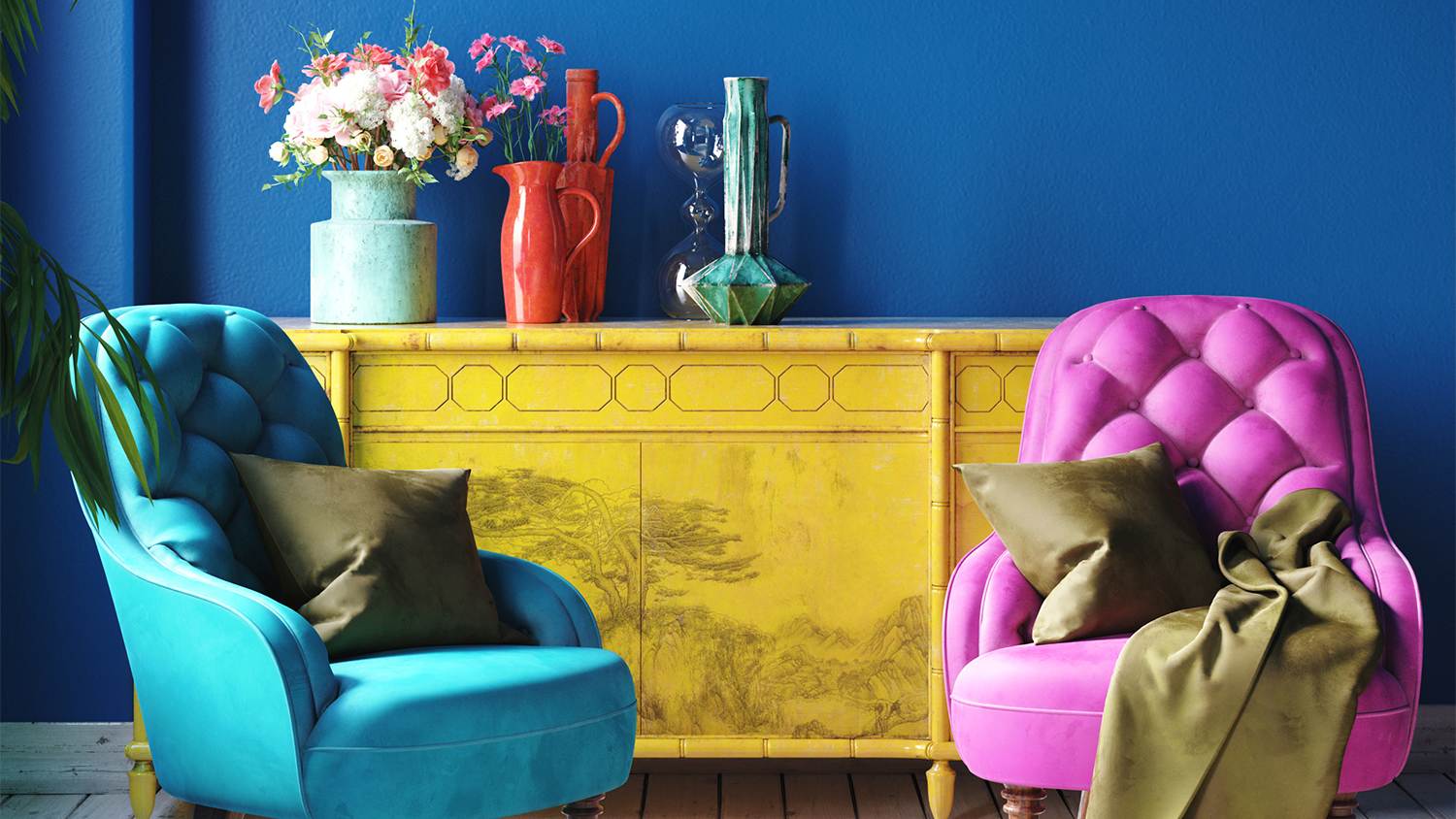
Eclectic style may look random at first glance, but there is a method to the madness. Here's how to pull off this energetic design without cluttering your home.
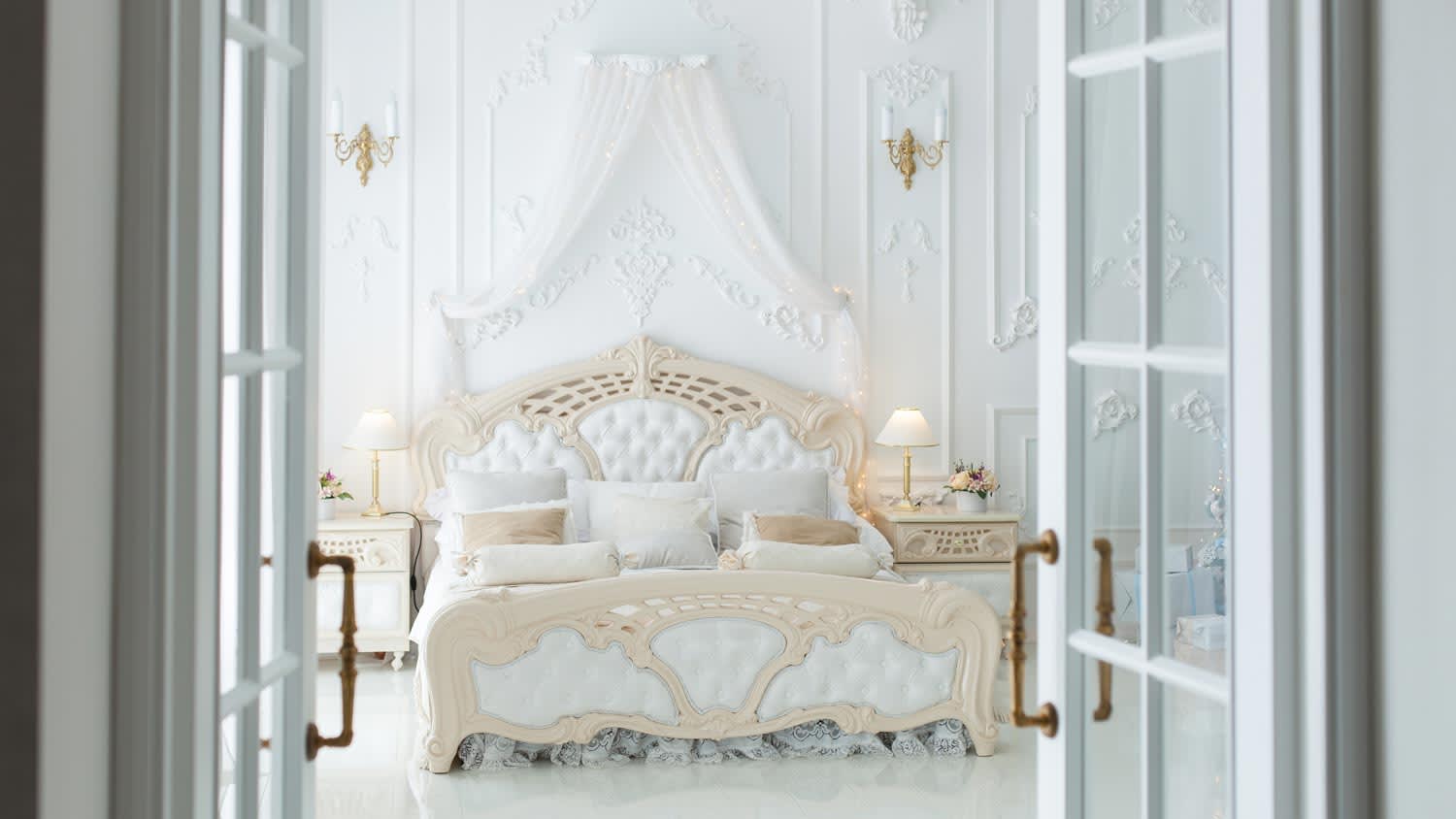
What is the Rococo style and how does it work in today's interior design? Here's what you need to know about the romantic style of the 18th century.
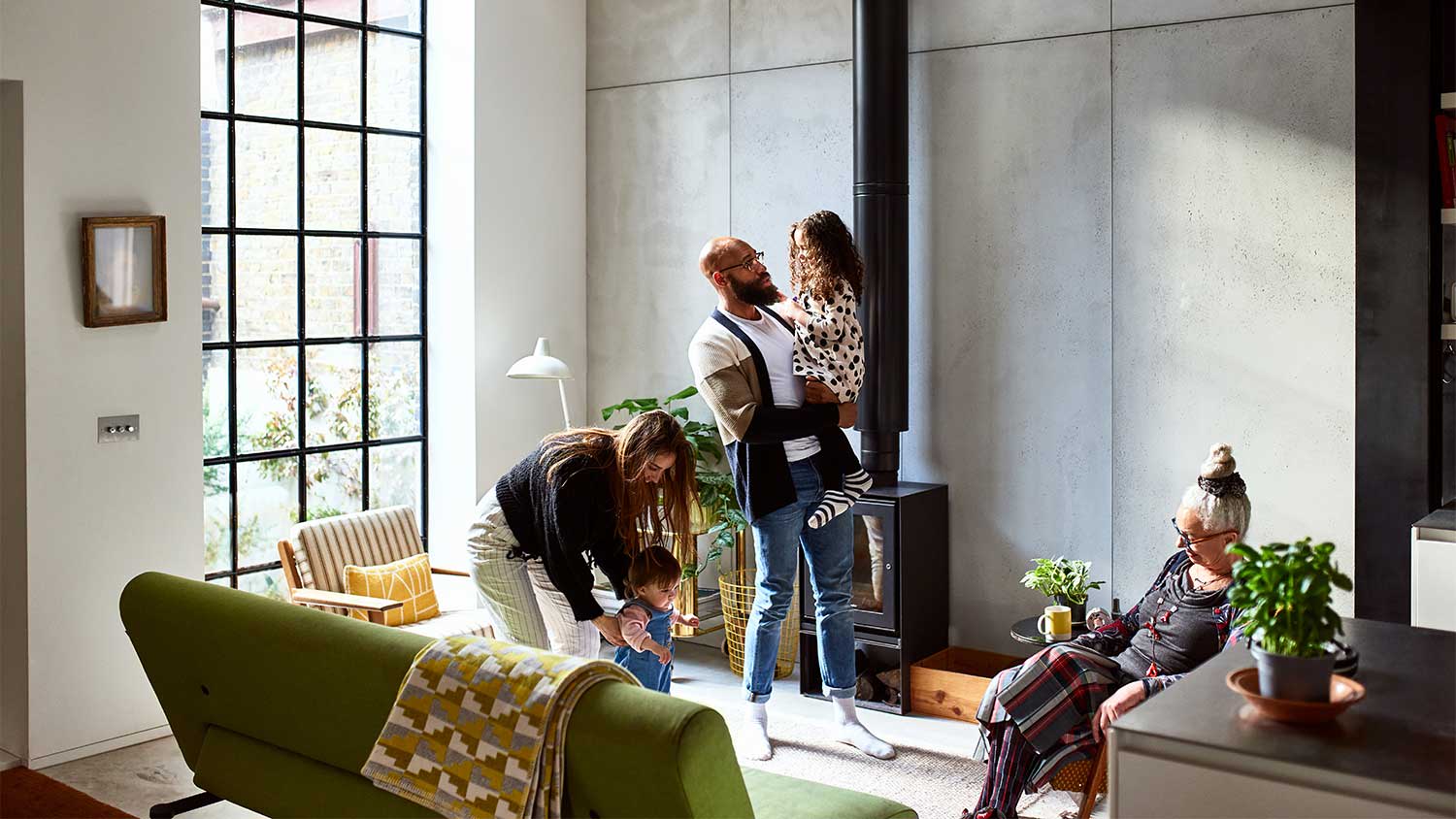
What is contemporary design, and what is modern design? These styles have some similarities, but they're also very different. Read on to find out more.

With these ideas, you'll be able to design the home office of your dreams. Yes, a home office that you'll actually want to work (and be productive!) in.