


One of the best ways to expand your home is to build up. Let’s break down the cost to add a second story in Los Angeles, CA.
Home building costs depend on your project and location. Check with a local pro for your specific job.


A second-story addition costs between $100,000 and $250,000, but your foundation condition and room choices drive the final total significantly.
Full second-story additions need stronger foundation support than partial builds, and your existing structure determines how much reinforcement work you'll need.
Budget for building permits costing $1,200 to $2,000, foundation reinforcement starting at $5,000, and temporary housing during your three to twelve month construction timeline.
Hiring a local home addition professional ensures your second-story meets code and protects your family during this complex structural build.
In 2026, the national average cost to add a second story to your home is $175,000, with most homeowners spending between $100,000 and $250,000. Your final total depends on the square footage, the condition of your existing structure, and the types of rooms you're adding.
A second-story addition costs between $100 and $300 per square foot on average, with the size of your project being the primary cost driver. Complex projects using high-end materials can reach $500 per square foot. The table below breaks down the estimated cost to add a second story across common addition sizes:
| Size (Square Footage) | Average Cost Range in 2026 | Maximum Range in 2026 |
|---|---|---|
| 800 | $80,000–$240,000 | $400,000 |
| 900 | $90,000–$270,000 | $450,000 |
| 1,000 | $100,000–$300,000 | $500,000 |
| 1,100 | $110,000–$330,000 | $550,000 |
The type of second-story addition you choose is one of the biggest factors shaping your overall project cost. Every second story is unique, but most projects fall into one of five common categories. Understanding the differences helps you match your design goals to a realistic budget before you call a contractor.
The table below breaks down the average cost to install a second story by type of addition:
| Type | Cost in 2026 |
|---|---|
| Full second-story addition | $600,000 |
| Partial second-story addition | $300,000 |
| Converting a vaulted ceiling | $20,000 |
| Dormer addition | $12,000 |
| Bonus room | $60,000–$120,000 |
Here is a breakdown of the estimated second-story addition costs:
Full Second-Story Addition: Building a full second story over your current layout requires stricter foundation requirements. You will also spend more on windows, roofing, insulation, and all of the homey features that round out your second floor.
Partial Second-Story: These additions are popular for their flexibility and relatively low cost. They may include a guest bedroom, an extra bathroom, or a flexible space for an office.
Converting a Vaulted Ceiling Into a Second Story: A vaulted ceiling adds lots of airy space to a house, but some see all that space and wonder if it could be used differently. If the ceiling is higher, it's possible to convert it to a partial addition or loft to create usable space.
Dormer Addition: A dormer is a triangular window space on top of a roof. It is a common addition used to expand an existing second story and give second-story rooms more light and a bigger feel. Dormer costs start at $6,000 but can reach $30,000.
Add a Bonus Room Above the Garage: When adding a room above a garage, square footage matters, but you'll also need to ensure the garage's structure can support the extra weight. The second floor may also require additional insulation and vapor barriers.
Hiring a home addition pro near you is the standard approach for a second-story project, and these pros typically charge 10% to 20% of the total project cost rather than an hourly rate. A general contractor takes charge of the full build—coordinating subcontractors, recommending architects, and obtaining permits on your behalf. For a project of this scale, get at least three estimates to compare local pricing, and always verify that your contractor holds the proper licenses and insurance.
Where you live significantly affects the cost of a second-story addition, as contractor fees, material prices, and shipping costs vary by region. Some areas also require additional insulation, roofing materials, or siding protection to meet local climate demands. The table below shows estimated costs for full and partial second-story additions across several U.S. cities:
| City | Full Second-Story Addition in 2026 | Partial Second-Story Addition in 2026 |
|---|---|---|
| Los Angeles, CA: | $500,000–$1,000,000 | $150,000–$300,000 |
| Denver, CO: | $350,000–$600,000 | $200,000–$300,000 |
| Houston, TX: | $300,000–$600,000 | $100,000–$130,000 |
| Seattle, WA: | $400,000–$700,000 | $250,000–$300,000 |

Because adding a second story is a large and often complex project, several factors influence the cost of your addition.
Pulling the proper building permits for a second-story addition is required, and the cost of a building permit ranges from $1,200 to $2,000, with your contractor typically handling the application process. If your permit is denied due to local restrictions, you may also need to budget for legal assistance to navigate the applicable laws. Historic homes, HOAs, and properties in areas with strict air rights add complexity that often requires a legally trained professional to resolve.
The finish level you choose directly impacts your total project cost, with higher-end options like stone siding or marble bathroom flooring costing more than builder-grade materials. Some premium materials do reduce long-term maintenance costs, but many standard finishes are equally durable and keep the overall budget in check. If you're looking to control costs, finishes are one of the easiest areas to scale back without compromising structural quality.
Your existing foundation may not be strong enough to support a second-story addition, and foundation support work can cost $5,000 or more, depending on the reinforcement needed. Hiring a local structural engineer to evaluate your foundation before construction begins is the right first step. Where you live, seasonal weather patterns, and soil characteristics all influence the scope and cost of the work required.
Building a second story often requires removing the roof and opening walls and ceilings to reinforce your home's framing, with room removal averaging $1,250. The cost to replace the roof once construction wraps up ranges from $4.35 to $11 per square foot. If your home has a chimney that conflicts with the new layout, the price to remove a chimney adds an average of $4,500 to your project total.
Installing the main staircase in your home costs between $2,400 and $4,000, with high-end designs reaching up to $6,000. General contractors typically include this in the overall second-story estimate since it's a structural necessity. Stair placement, design complexity, and finishing touches like carpeting can all push the final price higher.
Second-story construction can affect the landscape around your home, since heavy equipment may damage your lawn, garden, or surrounding trees. Changes to sunlight and shadow patterns may also prompt you to relocate plants that previously sat in direct sun. Professional landscaping costs between $4.50 and $12 per square foot if restoration or replanting is needed after the build.
You'll need to vacate your home during construction for safety reasons, so temporary housing is a real cost to plan for. A partial addition typically takes three to six months to complete, while a full second-story addition can take six to 12 months. If you don't have access to a nearby relative's home or a motorhome, factor the cost of a rental into your overall project budget.
Zoning laws will set restrictions on building a second story, so always start your design process by reviewing these with a professional. Regulations will cover foundation changes, expansion of your septic system, and structural requirements. If you add a fully functional living space on the second floor—such as with a bathroom, kitchen, and separate entrance—your zoning board may consider the addition of a multiple dwelling unit.
When you work with a contractor, they will have experience pulling permits and can walk you through the process. Your design plans may require a certified stamp of approval from a structural engineer, electrician, and plumber before starting.
Labor usually accounts for 30% to 50% of your second-story addition budget. Tackling the entire project without contractors isn’t advisable unless you’re an experienced builder. Hiring a general contractor ensures the project meets code, stays on budget, and maintains a high standard of work. They'll also subcontract other pros like roofers and electricians.
“We recently added a second story to a 900-square-foot house in an urban area,” says Bob Tschudi, Expert Review Board Member and Raleigh, N.C.-based general contractor. “One thing that surprised us was that the municipality required a building elevation survey after construction to verify that the peak of our roof was within inches of what we had on the blueprint. Fortunately, we have great framers and it was, but if you are doing it yourself, be sure to measure often.”
But you can still save costs by doing some of the work yourself, such as painting or installing bedroom flooring. Adding bathroom fixtures, ceiling fans, and other similar finishing touches are also an option. Just be sure that the project you plan to DIY does not require a permit in the context of a new addition.
When you hire a local home addition pro to add a second story, labor will account for up to 50% of the total project cost. This is not a job you can DIY unless you are an experienced and licensed builder, since the work involves significant structural, electrical, and plumbing components. Completing this project safely and in compliance with local zoning laws and building codes requires a team of specialized professionals.
You can save on project costs by doing small finishing touches, such as painting or installing carpeting (as long as they don’t require a permit), but it's best to leave the majority of the build to your home addition contractor. Here’s why:
Additions involve significant structural complexities, and miscalculations can cause a serious hazard.
Simple mistakes, like improper framing or joist alignment, can make your home unstable and potentially cause the building to collapse.
Mistakes in wiring, gas line installation, and insulation can create a fire or explosion risk.
Improper plumbing can lead to leaks, flooding, and substantial water damage.
There’s a serious risk of injury during construction, including a fall risk and the risk of electric shock.
Home addition contractors have the expertise and equipment, like professional scaffolding and safety gear, to complete this job safely.
Pros will make sure your addition complies with local building, plumbing, and electrical codes, as well as zoning laws.
Home additions require several permits, which must be obtained by a licensed contractor.
Most cities require licensed structural engineers to create the plans.
This job is extremely labor-intensive and takes months to complete, even with a professional team.
Pros can usually get materials at a lower cost than homeowners.
Poor craftsmanship and missing permits may sink your home value and create issues with resale.
DIY work may void your homeowners insurance and material warranties.
While you don’t want to cut corners when it comes to a second-floor addition, there are ways you can save money on the remodel project without forgoing quality:
Keep the blueprints simple: When working with an architect, choose the simplest ways to add a second story. Keep your roofline, structural beams, and first-story walls as intact as possible. The fewer changes you need to make, the less expensive the project. The architect may be able to suggest less expensive ways to complete the addition.
Arrange to use your old rooftop: If your old rooftop is in excellent condition and you won’t be changing the roofline much, see if you can remove it intact, add a second story, and then install it back into place. While that sounds expensive, it’s less expensive than building an entirely new rooftop.
Choose modular pieces when possible: Modular pieces are pre-fabricated and shipped for easy, quick installation. They won’t fit on every home, but if they’re an option for your home design you can save a lot of money by choosing a modular addition. Ask your architect about these options.
Cut down on high-end finishes: Finishes are an excellent way to cut down on less-necessary costs. Choose more affordable finishes to save money. This is one feature that you can always upgrade years down the road.
Skip plumbing amenities where you can: If your second story doesn’t absolutely need a bathroom, skip it. This will remove any major plumbing work and can save you big bucks.
Have a clear idea of the purpose of your addition and the rooms you want to create, such as a bedroom, bathroom, or home office, before you call a pro.
Ask your home addition contractor what’s included, such as who obtains permits and who handles demolition, plumbing, electrical, and HVAC work.
Your pro can help you choose materials, features, and layouts that work with your budget.
Additions can take six to 12 months to complete, so be sure to ask about the timeline and potential disruptions to prepare accordingly.
Home is the most important place on earth, which is why Angi has helped more than 150 million homeowners transform their houses into homes they adore. To help homeowners with their next project, Angi provides readers with the most accurate cost data and upholds strict editorial standards. We extensively research project costs to develop the pricing data you see, so you can make the best decisions for you and your home. We rely on reputable sources, including the U.S. Bureau of Labor Statistics, academic journals, market studies, and interviews with industry experts—all to ensure our prices reflect real-world projects.
Want to help us improve our cost data? Send us a recent project quote to [email protected]. Quotes and personal information will not be shared publicly.
1st Choice Renew is simply the best! We hired them for a complete home renovation, and they transformed our space into something truly amazing. The team attention to detail and commitment to quality were evident throughout the project. They were easy to work with, very responsive, and always...
 Save A Dime
Exquisite workmanship from Custom Paint Jobs LLC. My home has never looked better.
 Custom Paint Jobs, LLC
We needed windows in our home, and we couldnt believe we got our entire home done for under $14,000. We have a lot of windows, and not only was it affordable, but it got done in a timely manner! Thanks guys, I truly appreciate you all!
 Window Depot USA of Central Ohio
Chris has been completing paint projects for me on flips, rentals, and even my personal home over the last 5 years. He always does an exceptional job, and is always responsive and easy to get ahold of. Great work, great communication. Iâ d definitely recommend him!
 Y City
Working with Mike on our first home purchase was an absolute pleasure. Mike put us at ease and made the process of buying a home fun. Mike is knowledgeable, honest, professional, and punctual. He worked with our busy schedule and always made time for us. When a home came on the market that...
 Michael Marshall - Buyer's Resource Realty Svcs.
Clint was and is very Professional and takes pride in this company and his work. Definitely recommended him to everyone in my hi-rise building. Excellent proposal and no hidden charges or surprises. Don't find that in today's world.
 Footprints Floors of Columbus
From average costs to expert advice, get all the answers you need to get your job done.
One of the best ways to expand your home is to build up. Let’s break down the cost to add a second story in Los Angeles, CA.
The cost of expanding your outdoor space with an elevated deck depends on the project size and the materials used. Plan your project budget with this guide.
The cost to convert a vaulted ceiling to a second floor depends on factors such as its size, intended function, materials, and the project's complexity.
Adding a second story to a house is a great way to get the space you need without uprooting your family. Find out everything you need to know here.
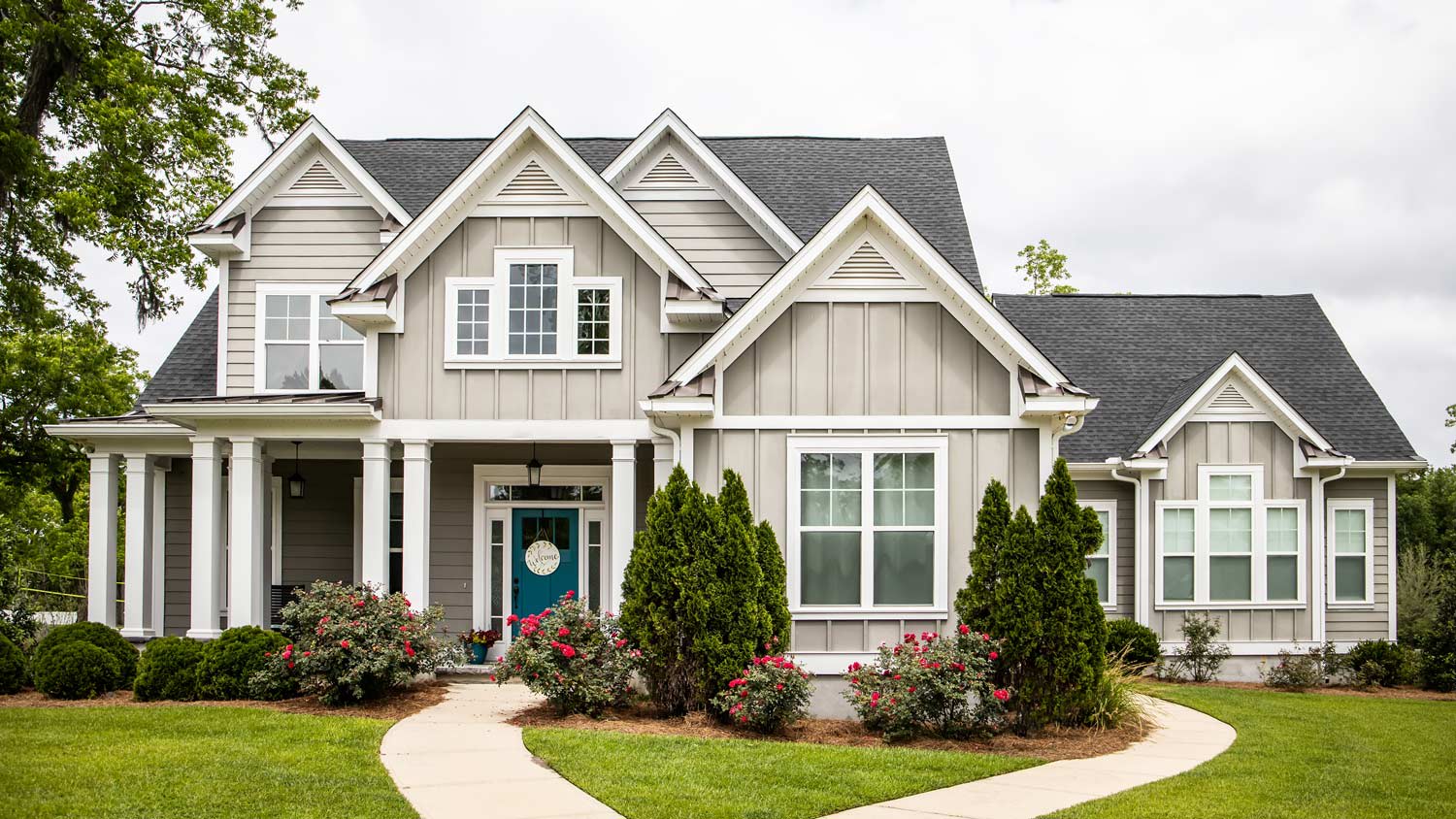
Learn the essential foundation requirements for adding a second-story addition to your home, how much it costs, and other considerations.
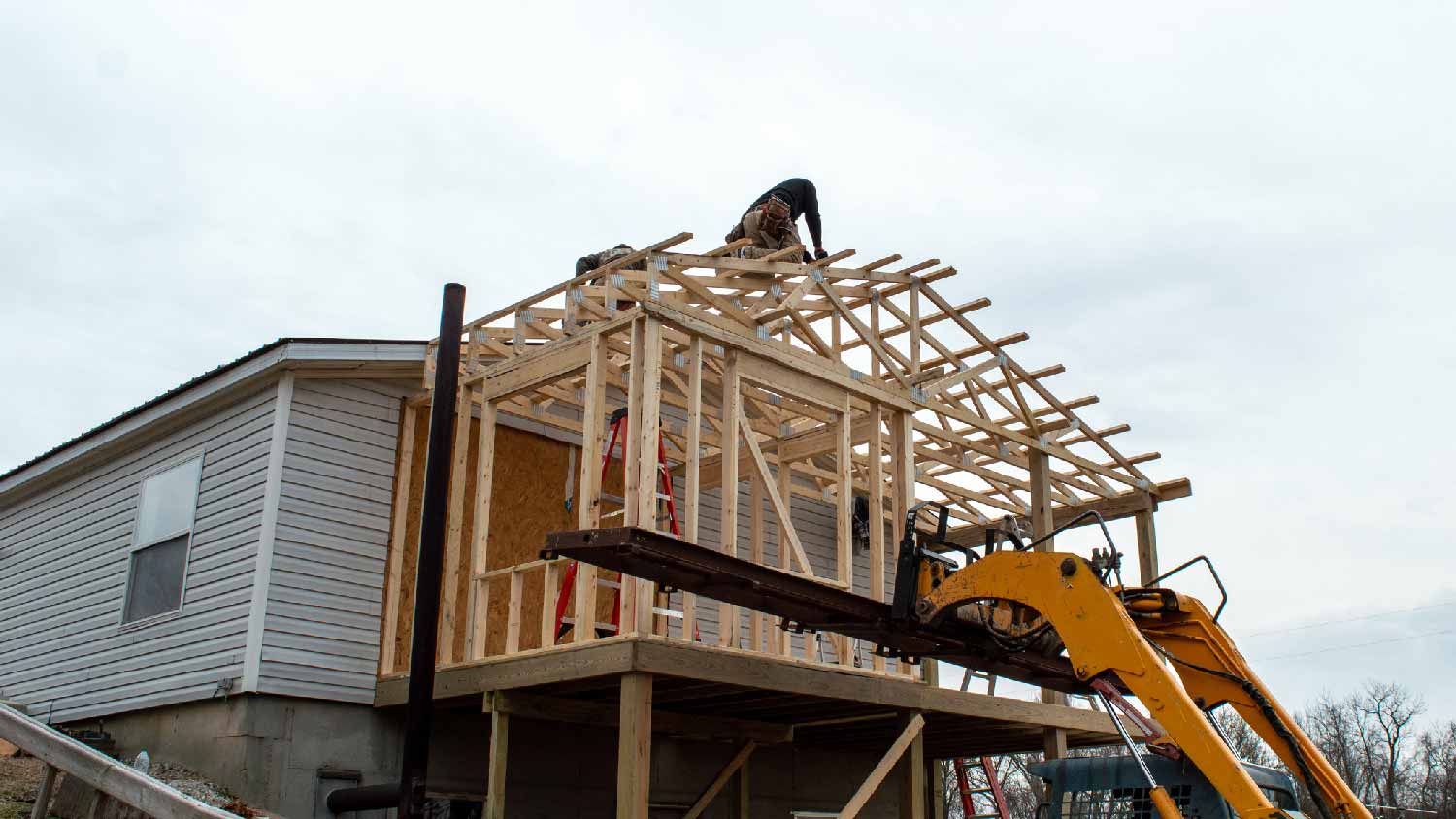
Learn who to hire for a second story addition—compare general contractors, architects, and design-build firms, then choose the right team for your home.