

Imagine blending the natural beauty of your landscape with your morning laps. Natural pool costs may be hefty, but having one will change how you think about pool life.
Swim as nature intended

Natural-looking swimming pools use aquatic plants and moving water instead of chlorine, creating a chemical-free ecosystem that keeps your pool clean naturally.
Expect to pay $60,000 to $70,000 for natural pool installation, which costs more upfront than traditional pools but saves you money on chemicals over time.
Your natural pool needs a separate regeneration zone with plants, a water pump for circulation, and shady placement to reduce algae growth and maintain water quality.
Hiring a local swimming pool installation professional ensures your regeneration zone setup and natural filtration system work correctly, keeping your pool safe and healthy.
Few things are more refreshing than a plunge into your own personal swimming pool, but the harsh additives that control the pH, water hardness, and alkalinity can be irritating to swim in (not to mention maintain).
If you're interested in a more low-maintenance alternative that doesn’t use chlorine or chemicals like algaecide or bromine, a natural swimming pool might be just the ticket. These pools, also known as living pools, mimic the bioactivity of natural ponds, eliminating the need for chemicals while still providing a clean swimming experience.
A natural swimming pool is a microcosm of the ecosystems found in natural ponds. Instead of relying on chemicals, they stay clean through the use of moving water and natural bioactive filtration systems.
An adjacent body of water next to the main swimming pool—known as the regeneration zone—contains aquatic plants that naturally filter and oxygenate the water, promoting the growth of beneficial flora that help keep it clean.
Yes, that means you won’t need chlorine tablets and you won’t have to add chemicals like algaecide, bromine, clarifier, and more.
Unlike natural pools, chlorine pools use chemicals to keep the water clean. While both types of pools use filters and need to be cleaned, the chemicals used in chlorine pools are much harsher on the skin and eyes than their natural counterparts.
While a natural pool uses a regeneration zone to help keep the pool clean, a living pool uses an underground biofilter and phosphate filter that absorb phosphates and promote the growth of good bacteria to maintain cleanliness.

A natural pool isn’t the same crystal-clear turquoise color, but it still has the same level of safety and cleanliness as a traditional chlorinated swimming pool. Here’s what a natural swimming pool should have in order to work successfully.
Plants are an essential part of a natural swimming pool’s filtration system. They encourage the growth of flora that keep the water clean, just as they do in natural ponds. The plants are housed in the regeneration zone adjacent to the swimming pool. The use of liners ensures you won’t see any stray plants in your swimming area.
You should place your natural swimming pool in a shady location. Algae thrives in direct sunlight, so a sunny location could make the natural filtration system work much harder than it needs to.
Gravel and other aggregate materials work as a filter in the regeneration zone. These also anchor down any rooted aquatic plants.
Natural swimming pools need a pump to cycle the water through the regeneration zone and throughout the swimming area. This constant movement also helps prevent the growth of algae, mold, bacteria, and other unwanted organic materials. It also naturally keeps frogs out of your pool, as well as other wildlife.
Plants and other bioactive components of the pool need oxygen to stay healthy. While plants naturally oxygenate the water, an aerator maximizes the oxygen levels in the water. Underwater aerators connect to the pump and are a great investment to allow your ecosystem to thrive.
Natural swimming pools can look and feel surprisingly similar to traditional pools, despite the presence of plants and other organic materials. Liners prevent leaks and keep your feet free from soil and sediment. These also seal off the regeneration zone, preventing plants and other components from blending with the swimming area.
Natural pools are kinder to the environment than their chemical counterparts, plus the concept lends itself to a variety of beautiful, nature-inspired pool designs. They’re also more low-maintenance and won’t burn your eyes or ruin your blonde highlights.
Still, they’re not for everyone. A higher upfront cost can be a big drawback for natural pools, as well as the extra space they need to accommodate their regeneration zone.
Some people also can’t get past the murkier water of a natural pool—it’s not muddy by any means, but it’s not the same crystal-clear turquoise that many are accustomed to. It’s important to weigh your priorities when deciding whether a natural pool is right for you.
Better for the environment: eliminates use of chlorine and other chemicals that can harm the environment
Lower maintenance: requires little maintenance other than plant care and skimming physical materials
Saves money over time: ends need to constantly repurchase pool chemicals
More natural: Chemical-free water replicates swimming in a natural body of water
Less irritating: Keeps water clean without use of irritating chemicals
Higher upfront cost: may cost up to twice as much as regular pools to build
Greater space requirements: can take up significantly more space due to the separate regeneration zone
Water appearance: murkier appearance than chemically-treated water
Less common: fewer swimming pool companies specialize in natural pools
Traditional swimming pools have a laundry list of pH balancing, chlorine additions, and other fine-tuning tasks to ensure they stay clean.
Natural pools, on the other hand, are largely self-sustaining and require very little maintenance aside from trimming and replacing plants where needed, and skimming away physical materials. You can even leave them alone and allow them to naturally freeze over during the winter, just like a natural pond.
No time to maintain your pool? Most pool contractors offer seasonal maintenance. Talk to your pro about scheduling check-ups to keep your pool healthy.

Natural pools are a marriage of tranquility and function. They’re an excellent solution for homeowners who don’t want to manage traditional pool chemicals or want a pool that blends seamlessly into the nature of their backyard —but they’re not right for every home. There are a few things you should consider before (literally) diving in.
Natural swimming pools are a high-end amenity that come with a high-end price tag. They’re one of the least affordable types of pools on the market—right up there with inground gunite or concrete pools. You can purchase DIY kits that lower installation costs, but it’s difficult to install compared to a DIY above ground pool. Most homeowners need a pro.
One of the biggest limitations homeowners face when installing a natural pool is space. This type of pool requires two separate bodies of water—one for swimming and one to house the regeneration zone. It’s not ideal for small yards, though you can play around with different pool shapes to find something that will best suit your property.
Unlike traditional inground pools, you won’t need to drain a natural pool during the winter. In fact, you can use it as a mini ice rink if it freezes completely (never skate on ice less than four inches thick). That said, you may also want to install a pool heating system—whether it’s a solar or a traditional pool heater. In a warm climate, this will allow you to use your pool year round.
It’s really important to install your natural swimming pool correctly. Otherwise, it won’t work the way it should and the water could make you sick. While it’s key to follow the steps of how to hire a pool contractor, not every pool contractor has experience with this type of pool even then. Make sure to hire someone who specializes in natural pool installation. Don’t know where to start? Check out some pool installers near you.

Plants in the regeneration zone help keep the water healthy and oxygenated while aiding in water filtration. Emergent and underwater plants oxygenate the water and feed beneficial microorganisms.
Floating plants such as water lilies provide additional oxygenating benefits while also giving shade to the microorganisms that help keep the pool clean. Here are some of the best pool plants.
Waterlilies
Duckweed
Mosquito fern
Water hyacinth
Water lettuce
Sedge
Cattail
Arrowhead (duck potato)
Pickerel weed
Rush
Hornwort
Pondweed
Waterweed
The cost of natural swimming pools is almost always higher upfront than regular swimming pools. Traditional in-ground pools cost anywhere from $39,000 to $70,000, while the average natural pool typically goes for at least $60,000 to $70,000.
However, as you won’t need to keep shelling out for chemicals, natural swimming pools cost less over time. You might also be able to shave off some of your budget if you time your pool purchase wisely during the off-seasons when sales are more likely.
Talk to swimming pool companies in your area to find one that specializes in the installation of natural pools.
It’s possible to DIY a natural swimming pool, but it’s an advanced-level project that requires know-how on all the elements. A base understanding of natural ecosystems is essential to selecting your plant/regeneration zone setup.
Along with that, there are a few physical setups that can be challenging or even hazardous for a beginner. You may want a local electrician to help you safely set up the water pump or a plumber near you to help run underground piping from the regeneration zone to the swimming area.
Either way, as long as you do your research and outsource jobs when needed, your build should go swimmingly.
Mariel Loveland contributed to this piece.
I recently had Mosby Electric perform an electrical installation on 8-14-2026, and I couldn’t be more satisfied with the service. From the moment I called, their team demonstrated fast arrival and professionalism. The electricians were highly knowledgeable, completing the installation...
 Mosby Electric
Joseph did a great job with the staircase and trim. Timely and efficient, clear communication about the work, very fair pricing. For the stairs in particular, done very skillfully in an old house (1893) in a tight spiral, and very creative with how to do the handrail. Did a nice job with...
 Vouis Trim Carpentry L.L.C.
Professional Team, smooth to communication chain and schedule flexibility. Follows proper construction procedure and completes task on time.
 Pegasus Concrete
Jason has helped me with multiple household projects, with the most recent being new door installation. He has always showed up on time and organized and has done an incredible job! Jason is very professional and he's now my go-to for anything around my house that needs to be fixed or...
 Huff Garage Rescue, LLC
Very professional, knowledgeable and helpful! Completed the install on time and as expected.
 Ward's Services
Cole has been handling plumbing and general contracting for our four properties over the past three years, and he’s always done a great job. Most recently, he installed a sink and countertop in our retail store where none existed before, and it turned out exactly how we needed. He’s...
 ANB Renovations LLC
Excellent, Prompt, Courteous Service!!! They were super friendly and quite personable. I felt very comfortable with the gentlemen that did the installation. They installed it exactly where I asked them to and they did an excellent job!! I loved their service so much.
 Tether House
I had Ace Fireplace Services install custom chimney caps for my home, and the results are stunning. They fit like a glove and have added a touch of sophistication to my chimney. I can't recommend their services enough.
 Ace Fireplace Services
The Mosby team went above and beyond for my project. They not only installed my light fixture; they also worked through an old, wonky, and as it turns out incorrect wiring issue from the work of prior contractors. Professional, thorough, conscientious, and kind. Five star experience. Thank you!
 Mosby Electric
I hired windows depot USA of central to install new windows in house in Oshawa. Ilya was very professional from the start, not only did he offered a great price, he also made sure the installation was on time. I am very satisfied with final outcome. The windows look great and the overall...
 Window Depot USA of Central Ohio
From average costs to expert advice, get all the answers you need to get your job done.
Imagine blending the natural beauty of your landscape with your morning laps. Natural pool costs may be hefty, but having one will change how you think about pool life.
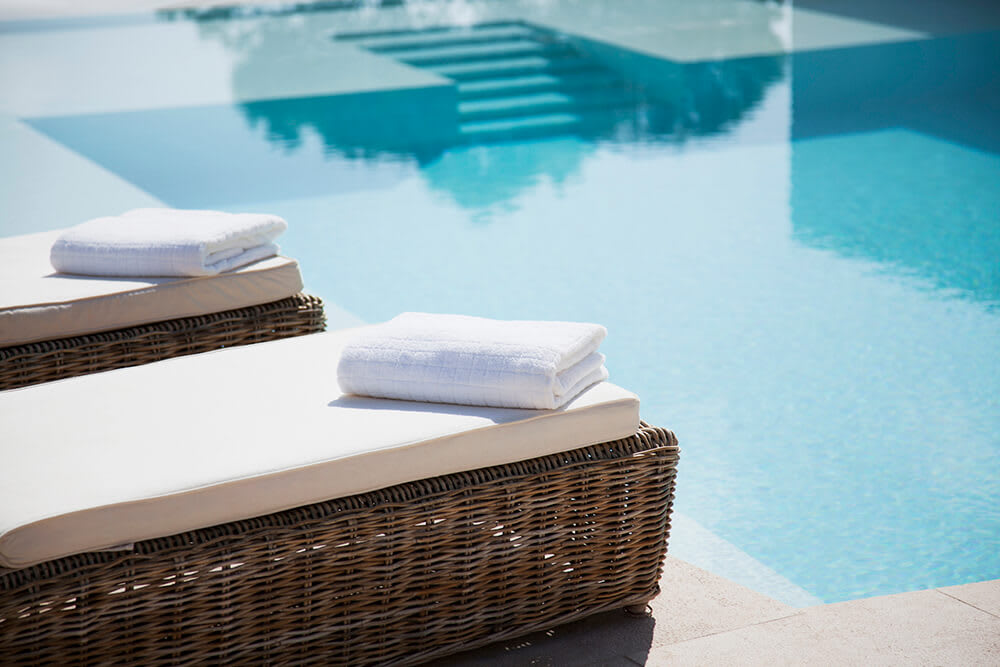
Spool pool costs vary based on the design and materials, but they’re relatively affordable and space-saving compared to traditional pools. Here’s a cost breakdown.
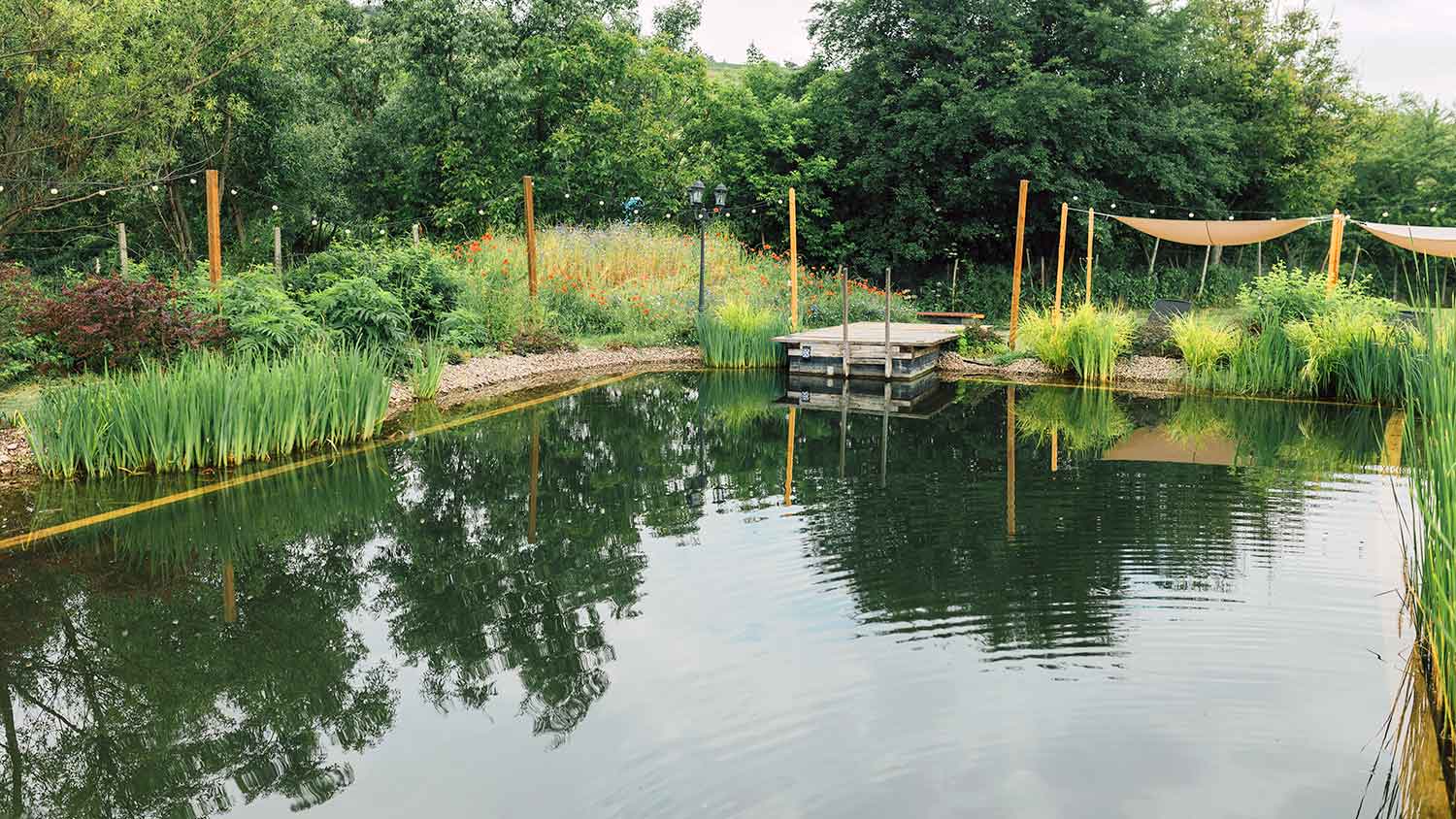
From choosing the right liner color to creating a drainage plan, find out what the most important tips are when it comes to how to build a natural swimming pool.

Not sure what type of pool would suit your yard best? Use this guide on the different styles and designs to maximize appeal and utility.
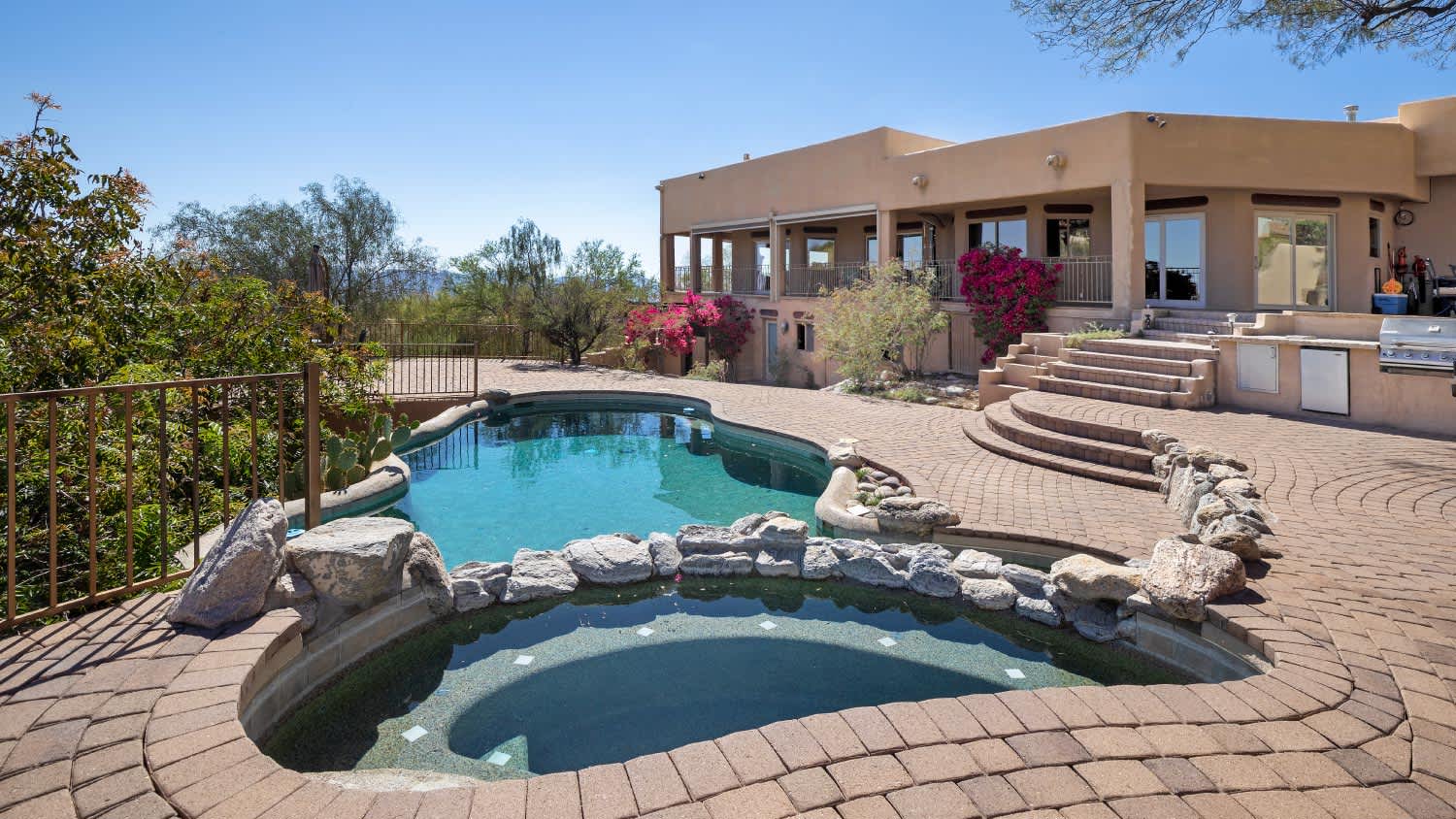
Interested in taking your swimming pool to the next level? Check out these seven pool upgrades to make your backyard the hit of the neighborhood.
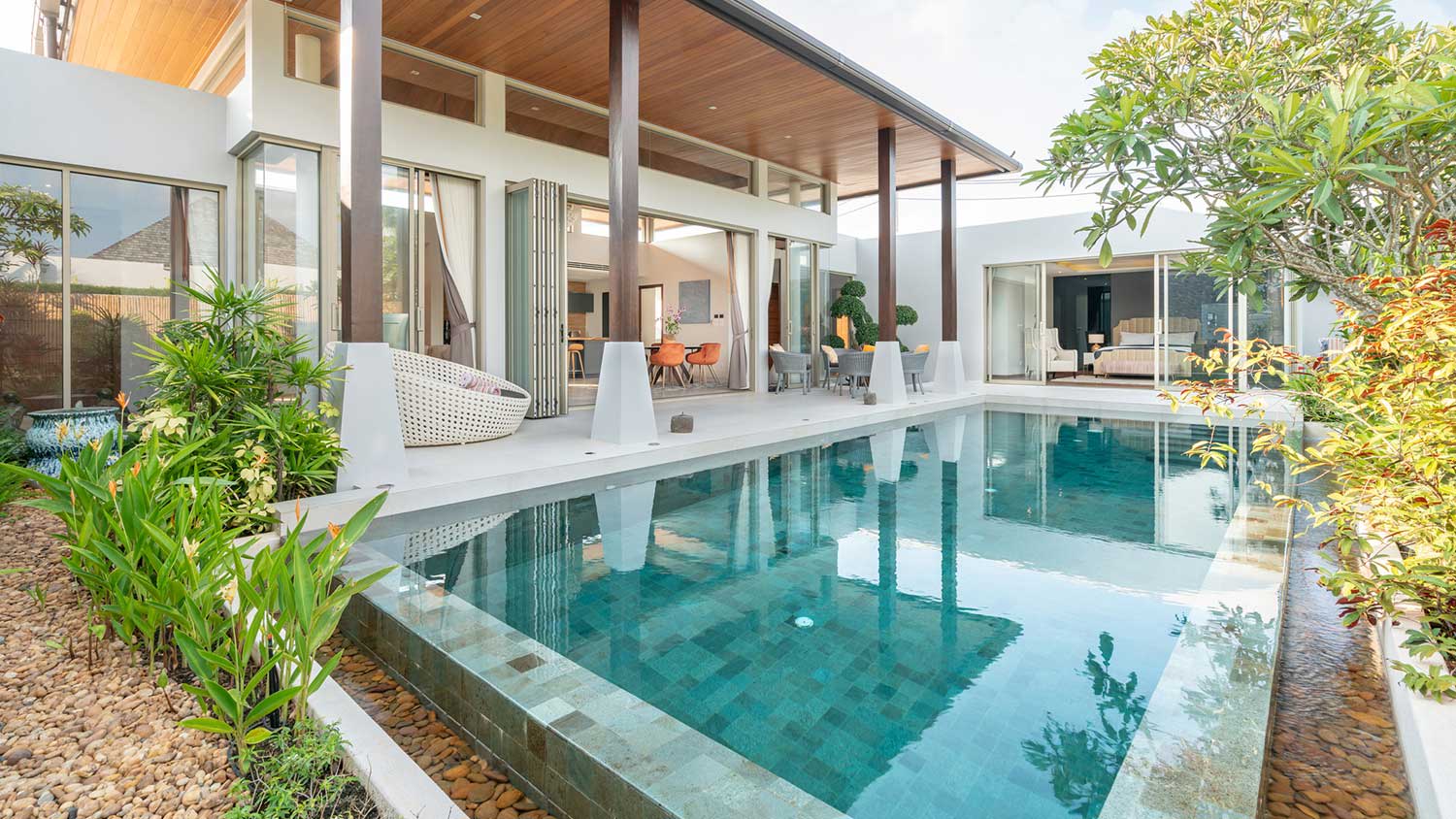
Take a look at these amazing classic pool designs and get inspiration for your in-ground pool project, whether you want a lap or a free-form relaxing pool.