
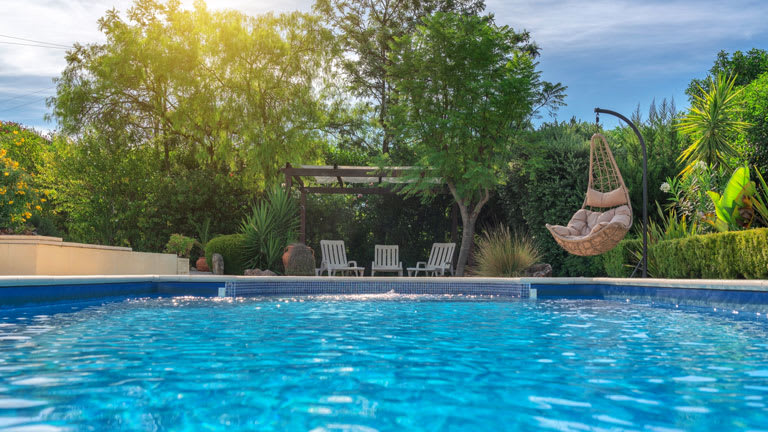
Installing a pool heater ensures that your pool gets used as much as possible, but is the pool heater cost worth it? Let’s find out.
Install a pool heater and never swim in chilly water again

Unless you’re a fan of polar plunges, your pool likely sits idle for months each year. With a pool heater installation, you don’t have to wait for summer to return to your backyard oasis. You can take a goosebump-free dip and extend the swimming season by following the steps in this guide to install a pool heater.

Your pool’s pump is responsible for circulating water through the heater, just as it does for your pool’s filter. Make sure your pump’s flow rate, rated in gallons per minute (GPM), is compatible with the flow rate rating on the pool heater you're planning to buy. Most pool heaters have the nominal flow rate listed on their specifications.
Don’t skip this step. If the pump doesn’t circulate water through the heater at a fast enough rate, it could overheat, causing it to shut off. If the pump is too powerful, it can damage the heater’s internal parts.
Since the pool filter sits between the pump and heater, your filter’s flow rate must also align with the heater’s requirements. If you need to upgrade your pump, you may also need to change out the filter.
While you can complete most of the installation on your own, you won’t be able to do all of it. Pool heaters are hardwired into your home’s electrical box and require a dedicated circuit because they use so much juice. This is not a job you can handle yourself. Once you have the heater in place, hire a local electrician to make the electrical connections.
Making gas connections is also something you should leave to a professional. If you’re installing a gas pool heater, you’ll need to hire a gas plumber to make the connections.
There are several types of pool heaters to choose from to warm the chilly waters of your pool. The three most common are gas, heat pump, and solar pool heaters.
A gas pool heater uses either natural gas or propane to create a flame that heats the water as it flows through. While these heaters are more expensive to run than their electric counterparts, they can heat water more quickly, making them ideal for pools that see sporadic use during colder months.
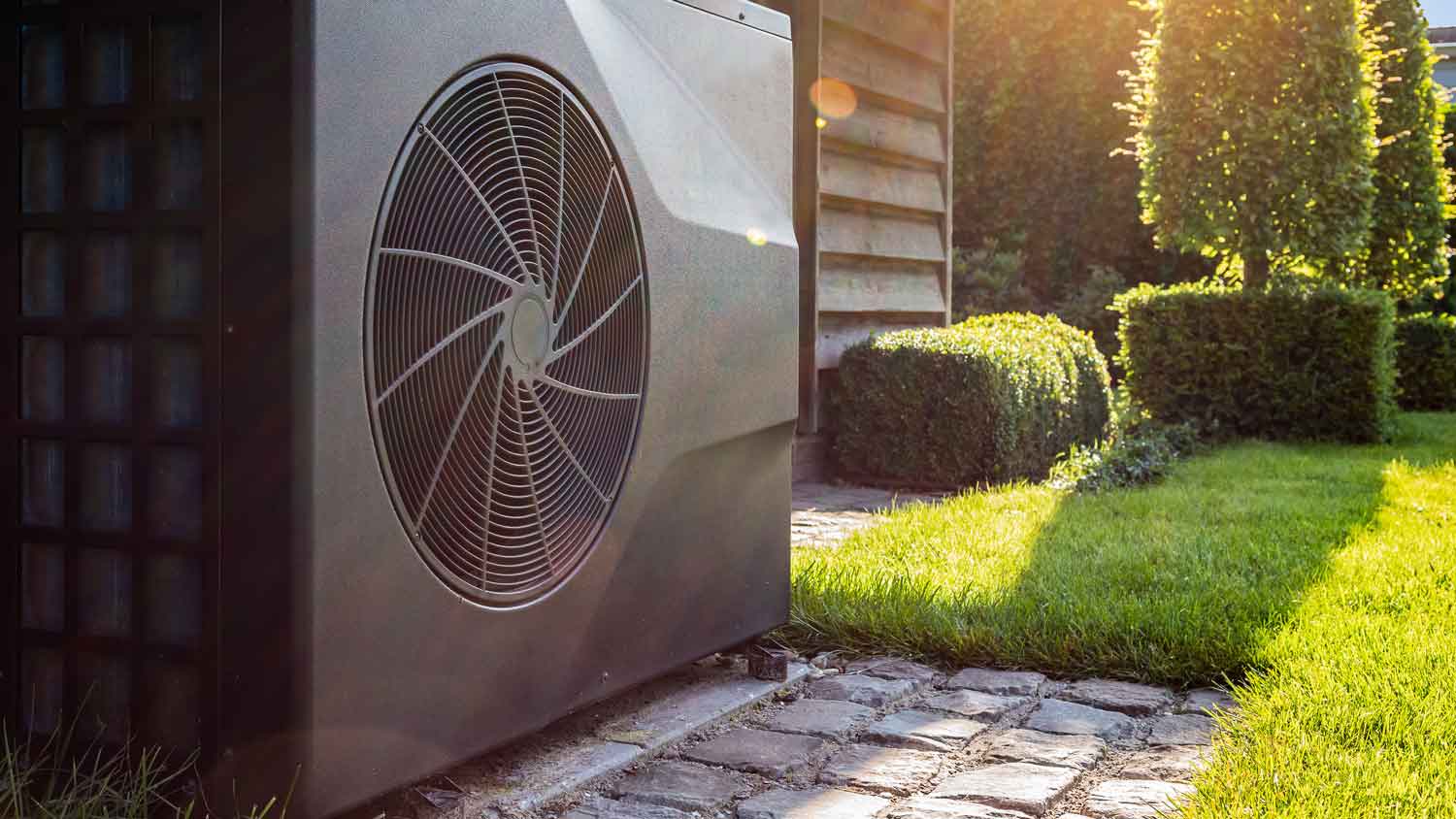
A heat pump works by drawing in air and circulating it over an evaporator coil. The process creates a hot gas that transfers heat to the pool water as it passes through the heater. While heat pumps cost less to run than gas heaters, they’re more expensive to install and take longer to warm pool water.
This type of heater works by using solar panels mounted at ground level or on the roof of your home. Your pool’s pump circulates water through a series of pipes that snake through the solar panels. In concert with the sun, the panels heat the water as it makes its way through the pipes before returning it to the pool.
While there are many benefits to installing a solar pool heater, this type of heater only works in locations that receive a lot of sunlight. Solar heater installation is expensive and may require upgrading your pool’s pump, but you can recoup that money in energy savings.
The installation, including tools and supplies, will change with the type of pool heater you choose. Always check the manufacturer’s instructions for installation details and required supplies.

Choosing the right location for your new pool heater is key to ensuring it operates properly and works as efficiently as possible. Find a spot that’s within a few feet of your pump. The further away the heater sits, the harder the pump will have to work to circulate water through it. If possible, make sure the unit is within 25 feet of the pool to reduce heat loss as the water flows from the heater to the pool.
The pool should also have plenty of clearance where the heat pump draws air into the unit (usually on the sides) and where it expels cold air out of the unit (usually from the top). Make sure you have at least 2 feet of open space between the sides of the heater and any structures or vegetation and at least a 3-foot buffer above the unit to allow for ventilation.
Don’t fudge with these clearance requirements. A lack of air circulation around the unit can damage the unit and void its warranty, meaning you’ll have to foot the cost of repairing the pool heater or even replacing it.
The pool heater should sit on a firm base. While you can hire a pro to install small concrete pad to serve as your heater’s equipment pad, a more affordable option is to use pavers or wood decking.
Once you have a pad in place, add your pool heater. Make sure the control panel faces outward with at least 3 feet of open space in front of it so you can access it easily. If possible, minimize the number of bends and turns in the plumbing between the two units by orienting the heater, so its water intake and outlet face the pool pump.
After you install the heater, water will flow from your swimming pool to the pool pump, then through the water filter, and to the heat pump before emptying back into the pool.
Once you have the heater in place, install the plumbing connections to the heater intake and outlet using rigid PVC piping (as opposed to flexible tubing) and PVC cement. If you don’t feel comfortable making these connections, consider calling a local plumber to handle this step.
Check the size of the plumbing inputs and outputs for the heater and your pool filter. Most systems use either 1-1/2-inch or 2-inch PVC pipes. Purchase enough pipe to make connections from the filter to the heater and from the heater to the pool. If the heater’s plumbing doesn’t match the size of the filter’s plumbing, you’ll need to install adapters to make the connections.
Run plumbing from the heater’s input to the pool filter, using elbows as needed. Next, install a pipe that runs from the output from the heater to the pool’s chlorination system. Make sure to add a valve between the filter and heater so you can bypass the heater when it’s not in use.
As stated previously, pool heat pumps are hardwired to your home’s electrical box. Since they require a significant amount of voltage to start the compressor, most need a dedicated circuit. Making these electrical connections is not something you can handle on your own. Once the pool heater is in place, you’ll need to hire a licensed electrician to wire the heater to the electrical box.
By following a few tricks of the trade, you can get the most out of your pool heater and ensure the water stays nice and warm for many swimming seasons to come. Use the tips below when installing your heater.
Minimize the twists and turns in your plumbing: Connections and changes in direction create friction that reduces the flow rate of the water. Position your filter, pump, and heater strategically to reduce the number of turns.
Add an insulated pool liner: Consider purchasing an insulated pool liner, which will help to prevent heat loss in your pool. That way, you’ll reduce the time you need to run your heater and save money on your energy bill.
Winterize your heater: Draining the heater before the arrival of subfreezing temperatures is crucial to prevent water from freezing inside and cracking its internal components. Make draining your heater a part of your annual pool winterization routine.
Warm water temperatures make a pool more inviting, which equates to more pool use. While a pool heater will set you back several thousand dollars, it will reward you in swim time. Instead of pulling out that pool cover when the mercury sinks into the 60s in late September, you can keep working on your backstroke even as the thermometer flirts with the 40s.
When you do finally have to close the pool, you can reopen it just a few months later when the first buds of spring appear. Depending on where you live, you may even be able to keep the pool open year-round. Use your pool heater to keep the water at a consistent temperature after the sun goes down, making night swimming more enjoyable.
The cost of installing a pool heater varies depending on whether you do it yourself or hire someone. If you hire a pool heater installer near you to get your unit up and running, expect to pay between $1,800 and $4,200, depending on the location, type, and size of the pool.
A gas or propane heater is the most affordable option, costing between $1,000 and $4,500 for the unit. Solar pool heaters are the most expensive, ranging between $2,000 and $7,500, while a pool heat pump runs between $2,000 and $6,500. Remember that while a gas heat pump may be the most affordable to install, it’s more expensive to run than a solar heater or electric heat pump heater.

You can save between $500 and $1000 in labor by installing a pool heater on your own. The average DIYer can set up the equipment pad and make the plumbing connections if there are existing hookups. However, without existing hookups, this job is better left to a professional. Your pro can obtain permits and install your unit correctly, protecting your investment in your new pool heater and pool setup.
If you don’t feel comfortable taking on this project, consider hiring a pro. Even if you decide to take care of it on your own, you’ll have to hire a licensed professional to make any necessary electrical or gas line connections.
If you’re good people wanting to do business with good people, hire Matt. He is a consummate professional and utterly competent. He installed a water heater in my home at a price that beat competitors by hundreds of dollars with a promise to support the unit for its life (even after its 6 yr...
 Greene's Plumbing Services
Joseph did a great job with the staircase and trim. Timely and efficient, clear communication about the work, very fair pricing. For the stairs in particular, done very skillfully in an old house (1893) in a tight spiral, and very creative with how to do the handrail. Did a nice job with...
 Vouis Trim Carpentry L.L.C.
This company does it right. Firstly, I want to say that Landan was a joy to work with. He was so kind, transparent, and had everything under control. His entire team showed up ready to work and they were all very respectful of the fact that we were in an office space. A little backstory – we...
 Krumlauf Floors
Professional Team, smooth to communication chain and schedule flexibility. Follows proper construction procedure and completes task on time.
 Pegasus Concrete
Very professional, knowledgeable and helpful! Completed the install on time and as expected.
 Ward's Services
Cole has been handling plumbing and general contracting for our four properties over the past three years, and he’s always done a great job. Most recently, he installed a sink and countertop in our retail store where none existed before, and it turned out exactly how we needed. He’s...
 ANB Renovations LLC
Excellent, Prompt, Courteous Service!!! They were super friendly and quite personable. I felt very comfortable with the gentlemen that did the installation. They installed it exactly where I asked them to and they did an excellent job!! I loved their service so much.
 Tether House
I hired windows depot USA of central to install new windows in house in Oshawa. Ilya was very professional from the start, not only did he offered a great price, he also made sure the installation was on time. I am very satisfied with final outcome. The windows look great and the overall...
 Window Depot USA of Central Ohio
The guys did an outstanding job and we had a great experience with CarifaTile. I appreciated that Joe reviewed the quotes with me and set expectations prior to the install. The crews showed up as scheduled and always left the areas clean upon leaving the house. We will definitely use...
 CarifaTile
Did an amazing job transforming my yard. Also installed sod in places, would recommend to everyone.
 Cardinal Landscaping & Construction LLC
From average costs to expert advice, get all the answers you need to get your job done.
Installing a pool heater ensures that your pool gets used as much as possible, but is the pool heater cost worth it? Let’s find out.
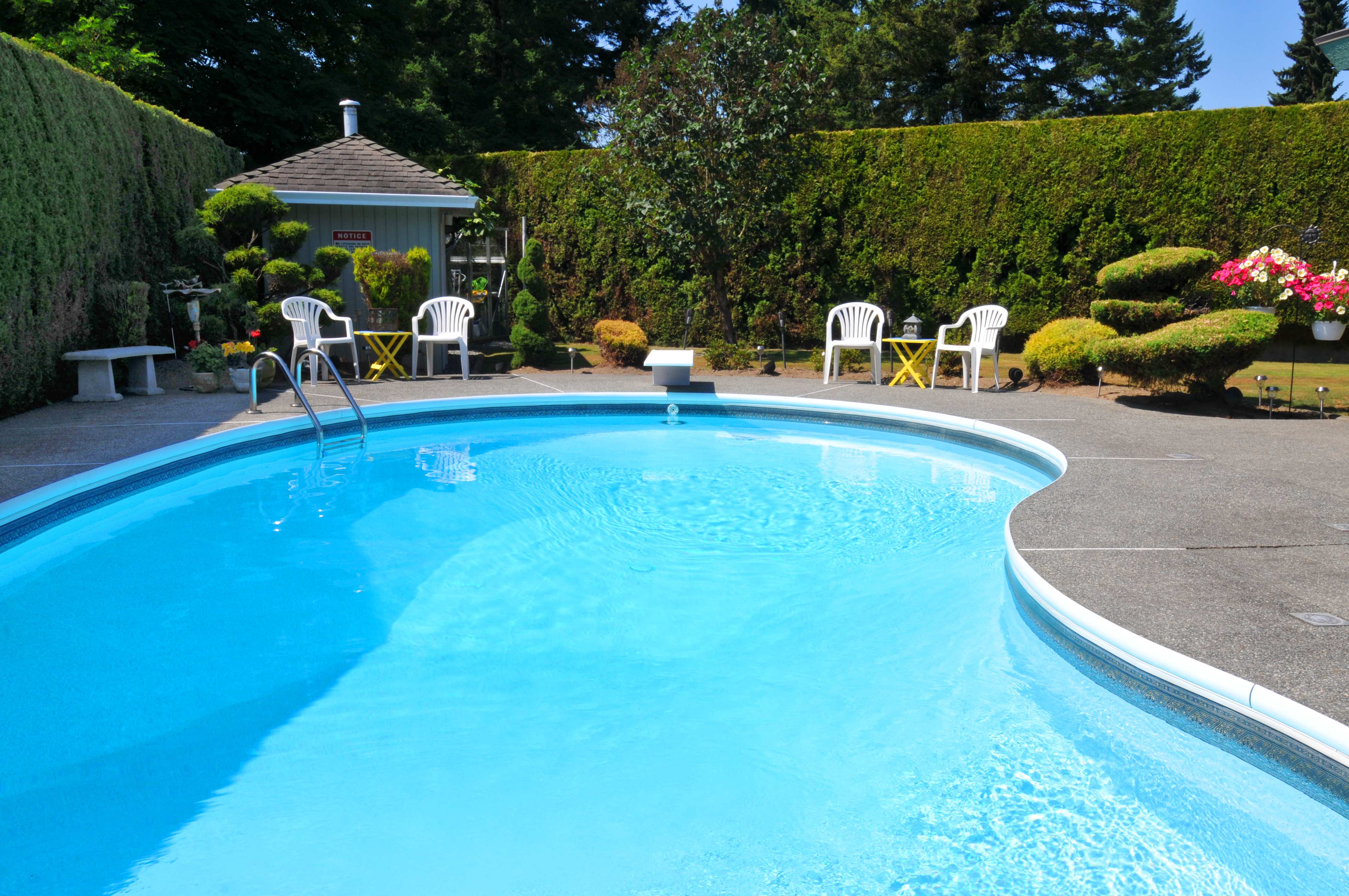
Discover the cost to install a solar pool heater, including average prices, key cost factors, and tips to save on your project.
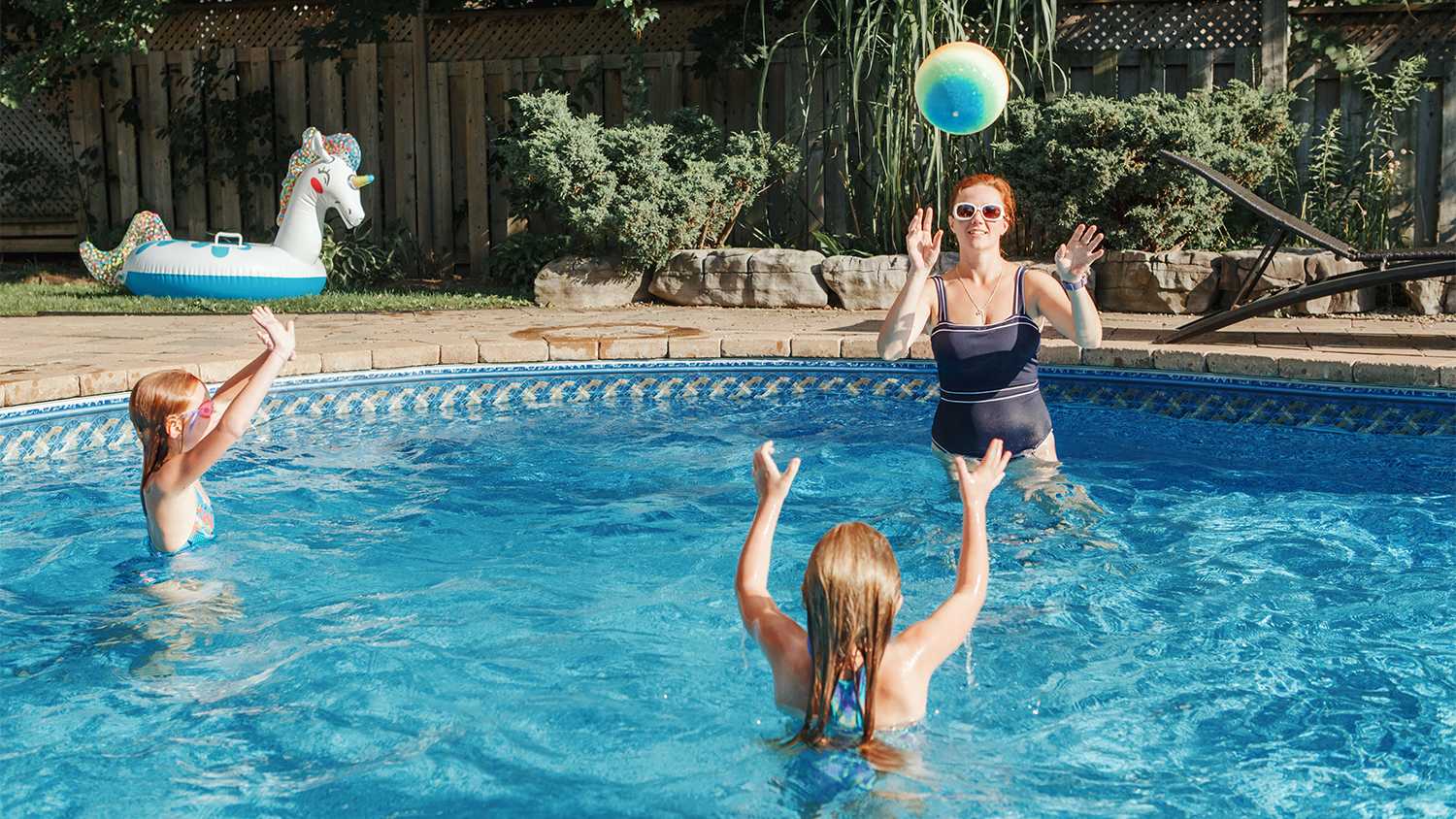
Pool heater problems could point to many issues, some of which you can troubleshoot. Find out repair costs for heat pumps, natural gas, and solar pool heaters.
Wondering who to hire for pool heater installation? Learn when to call an electrician, gas fitter, or pool specialist, and see how pros handle the job.
Thinking about a pool heater installation? Learn about project scope, costs to expect, and how to hire the right local pro for your backyard oasis.

While the fall is usually the most popular time for homeowners to get a pool heater, here’s why you should consider doing it in the spring instead.