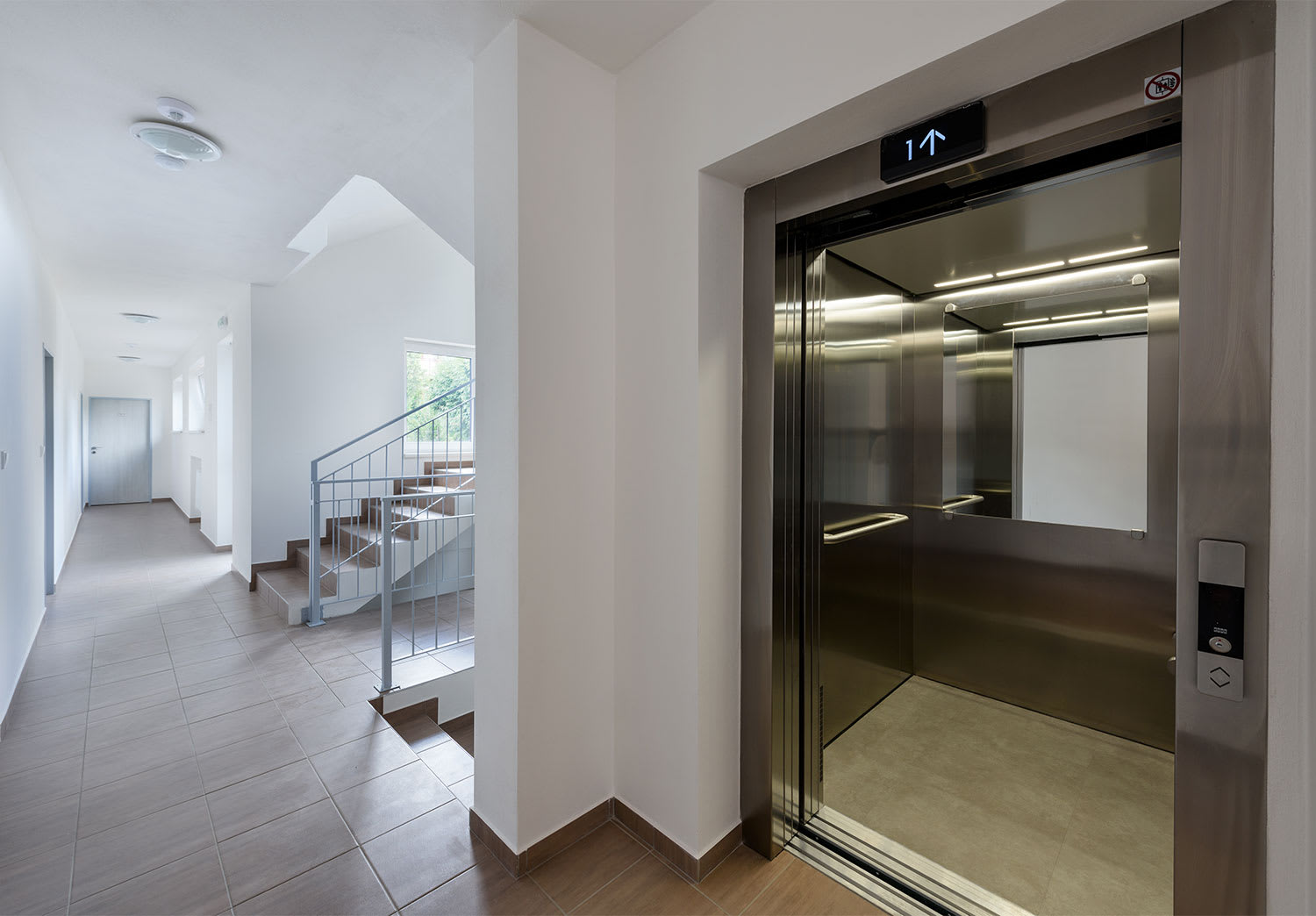
Home elevator costs depend on the size and type of lift, if it needs retrofitting, and the number of floors. Our guide outlines all residential elevator costs.
The up-and-up on going up (or down)

The main types of elevators for your home include hydraulic, traction, machine room-less, winding drum, shaftless, and outdoor options, each suited to different spaces.
Typical costs range from $2,705 to $6,073 for home elevator installation, while full home renovations to accommodate elevators average around $52,068.
Your choice depends on available space, the number of floors you need to connect, weight capacity requirements, and whether you prefer indoor or outdoor installation.
Hiring a local elevator company provides reliable guidance on site assessments, foundation requirements, and matching the right elevator type to your home's layout and needs.
A home elevator has many applications: it can assist a family member with mobility issues, help with moving items around in your home, or simply provide a luxurious addition to your house. Depending on your home's layout, available space, and budget—the cost of a home elevator averages between $2,705 and $6,073—there are many options to choose from, each with its own pros and cons.
Home elevator installation often requires a full home remodel. We recommend contacting a pro to ensure the whole process goes smoothly.


Hydraulic elevators use hydraulic pressure to work, via a piston and a pump. The piston is connected to the elevator with the pump housed in a machine room.
These elevators are common in areas of homes that lack a power source or where the electric grid might be unstable. To install a hydraulic elevator, you will need a full hoist-way enclosure on every floor the elevator travels to, a pit on the lowest landing, and a separate machine room.
Offering a smooth and quiet ride, hydraulic elevators are powerful, capable of withstanding heavy use and have a weight capacity of 750-1,000 pounds.
Best for: Homes with heavy elevator use or heavier weight capacity needs
| Pros | Cons |
|---|---|
| Very quiet | Requires a machine room |
| High weight capacity | Risk of hydraulic fuel leak |
| Requires less headroom |

Traction elevators use ropes, wheels, and an electric motor to operate; they are very common elevators, and likely the ones you use anytime you are in a hospital, office building, or other high-rise. They can be installed in both low-rise/residential and high-rise buildings.
Here’s how they work: a motor turns a sheave, which rotates the ropes around the wheel. The ropes are attached to the elevator car and the counterweight; as the sheave rotates, the elevator car is moved up and down with the ropes. The counterweight balances the elevator car.
Traction elevators are very fast and can hold a significant amount of weight (up to 10,000 pounds for geared models and up to 25,000 pounds for gearless models). However, they are more expensive than other elevators and require more extensive installation, which is why they are more commonly placed in commercial or high-rise buildings.
Best for: Homes with many stories that require elevator speed above all else.
| Pros | Cons |
|---|---|
| Easy installation | Significant power requirement |
| Minimal headroom required | Best for taller buildings |
| Very fast | More expensive |

Machine room-less elevators, sometimes referred to as MRL elevators, are ideal for those who don’t have the space or need for a machine room. These elevators have their controls and machinery located in the hoistway, which minimizes their overall footprint.
The electric motor of an MRL elevator is located at the top of the hoistway, which helps to protect the elevator from water damage. Given its design, a machine room-less elevator can be a wise choice if you live on the waterfront or under floodplain management regulations.
Even though the MRL elevator has a smaller footprint, because of the setup with the motor and other electrical machinery at the top of the system, technicians may have trouble accessing key components when a repair is necessary.
| Pros | Cons |
|---|---|
| Small footprint | More expensive to install and maintain |
| Quiet, smooth ride | Components might be difficult to access |
| Energy efficient |
Best for: Homes with minimal space and multiple floors that prioritize a quiet elevator.

Winding drum elevators function with an electric motor that winds two cables or wire ropes onto steel drums that raise or lower the elevator; there are no counterweights. Traditional models require a hoistway, pit, and machine room, as well as more contemporary models that have their own enclosure and space to house the control and drive equipment.
The design of a winding drum elevator is simple but effective. That said, the cables will need to be replaced every three to five years, depending on the frequency of use. These elevators can also be noisier than other options, with the brakes making a clicking sound.
Winding drum elevators have an average weight capacity of 500 to 750 pounds and, depending on the manufacturer, can serve four to five floors.
Best for: Adding a simple solution to accessibility to homes without much space or without a desire for large renovations.
| Pros | Cons |
|---|---|
| Some models do not require a machine room | Brakes can make clicking sound |
| Less expensive to install | Cables need to be replaced every 5-7 years |
| Not ideal for retrofitting |

Shaftless elevators are small residential elevators that can squeeze into tight residential areas and are easy to install into existing home layouts; they do not require a shaftway, pit or machine room. This can save you significant money, considering the cost of home renovations averages $52,068.
To move up and down, a winding drum elevator system uses steel ropes attached to a revolving drum; the revolving drum then raises and lowers the elevator car. To operate a shaftless elevator, you push and hold a control button the entire time the elevator is in use.
Shaftless elevators are available in wider-sized models, which can accommodate wheelchairs and walkers to assist those with mobility issues. Unfortunately, these elevators can only travel between two floors; elevator code dictates that a home elevator can only travel one floor without an enclosure.
Best for: Adding a simple solution to accessibility to homes without much space or without a desire for large renovations.
| Pros | Cons |
|---|---|
| Easy to retrofit into existing floorplan | Limited to two floors |
| Small footprint | Must hold control button to operate |
| No elevator shaft required |
Adding an outdoor elevator to your home can be a desirable option if you have limited room inside. Installing these elevators requires significant planning. You will need to conduct a site assessment to find the best location for the elevator and ensure there is enough space for the elevator equipment and cab, as well as room for the installation equipment and installers to work.
The location must have a strong and sound foundation, capable of supporting the weight of the elevator. You might need to pour concrete footings and a pad to place the elevator on; consider reinforcements for your home’s structure as well with support beams, strengthening walls, and cross-bracing. To get an assessment of your home’s readiness for an outdoor elevator, you should speak to a nearby elevator pro.
Because outdoor elevators are exposed to the elements, they require a higher level of maintenance than indoor models.
Best for: Those who do not want to cut into their indoor footprint and have a strong foundation to work with.
| Pros | Cons |
|---|---|
| Doesn’t cut into indoor home footprint | Requires significant maintenance |
| Installation can be difficult, with a lot of pre-planning |
Exquisite workmanship from Custom Paint Jobs LLC. My home has never looked better.
 Custom Paint Jobs, LLC
Visited my home for estimate same day that I called. Painted on Saturday. Great job. Good price!
Window Depot did an amazing job on my deck. I wasnt sure what I wanted to do, but their composite decking was affordable and will last a long time. I am excited to have family over, and I am no longer embarrassed by my backyard. Jeff and the ground crew were polite, respectful, and caring for...
 Window Depot USA of Central Ohio
The guys did an outstanding job and we had a great experience with CarifaTile. I appreciated that Joe reviewed the quotes with me and set expectations prior to the install. The crews showed up as scheduled and always left the areas clean upon leaving the house. We will definitely use...
 CarifaTile
Beginning with the estimate, Larry and Peyton were super helpful in getting my new condo's interior re-painted. Not only was the job well done, but also done in a super timely manner as promised.
 Five Star Painting of Plain City and Powell
BJ Trim Carpentry rescued me in the middle of a do-it-yourself project. I found I needed more expertise than I had...and more TOOLS! BJ Trim Carpentry responded quickly and completed what I needed expertly, politely and with a little humor!
This brownstone is historical and the carpentry work is very detailed. I was very happy to secure a company in NY and living in OH to complete the request. Wood work on this brownstone has been existing since approximately 1888 and West side did a GREAT JOB. I will not be able to...
 Westside Home Improvement
We had a great experience with Mark Rodgers Construction. We were in the process of seeking out estimates for possible foundation work for our front porch. Mark came out himself to provide the estimate. Turned out that the company deals mainly with concrete, so we wouldn't be getting an...
 Mark Rodgers Construction
Overall this experience was incredible! I looked on Angies List for a cleaning service because I was planning a holiday party and wanted to make sure we found a reliable, thorough and efficient cleaning service to make sure everything was perfect for the party since we had co-workers and...
From beginning to end our experience with Joe was very good. He was professional and prompt in his estimate for the job and worked hard to meet our schedule so that he could remove our old backsplash the day before our new countertops were removed and return shortly after they were removed to...
From average costs to expert advice, get all the answers you need to get your job done.
Home elevator costs depend on the size and type of lift, if it needs retrofitting, and the number of floors. Our guide outlines all residential elevator costs.
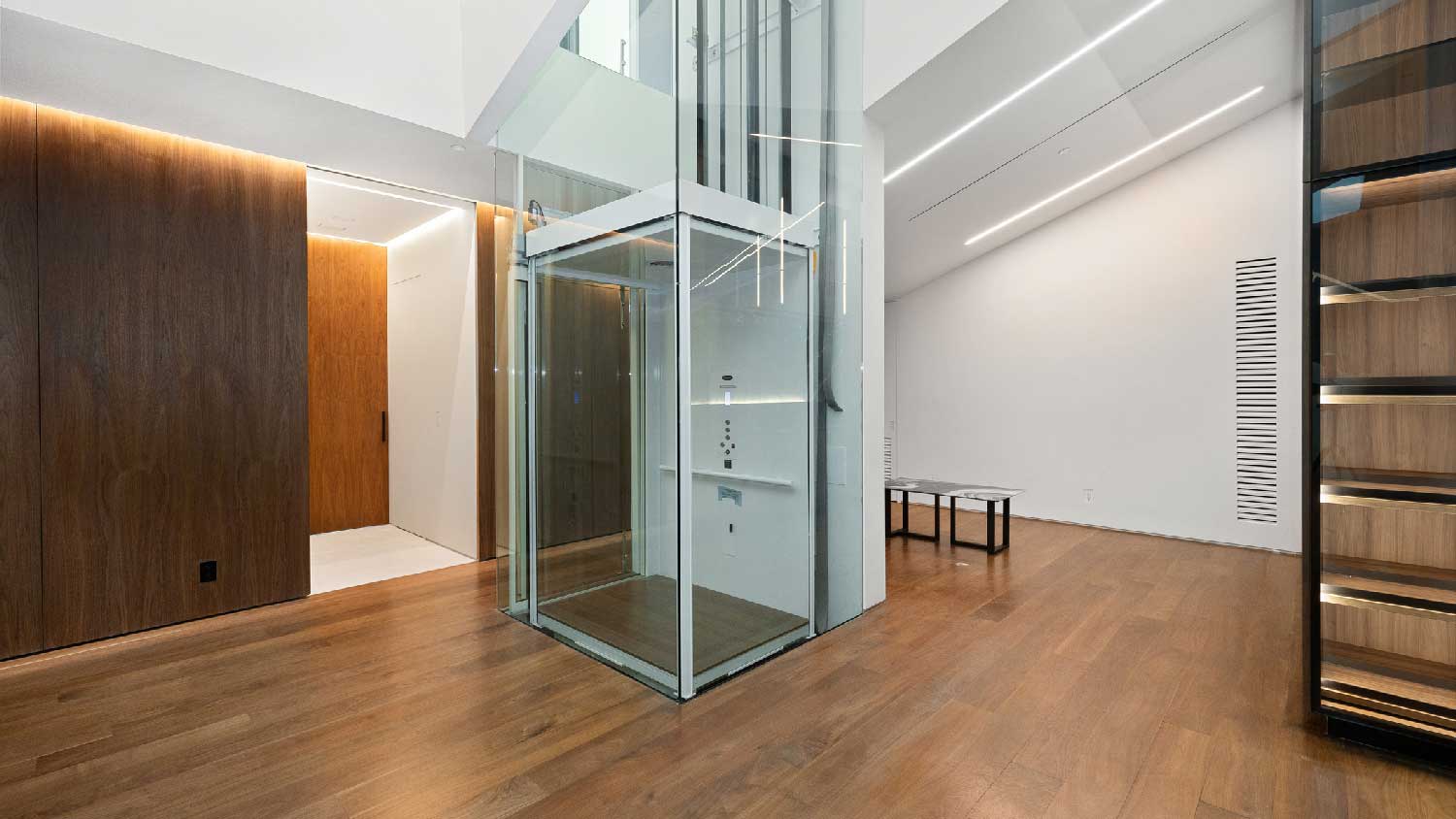
Find out how much a shaftless home elevator costs, including additional factors that can drive up the overall installation price.
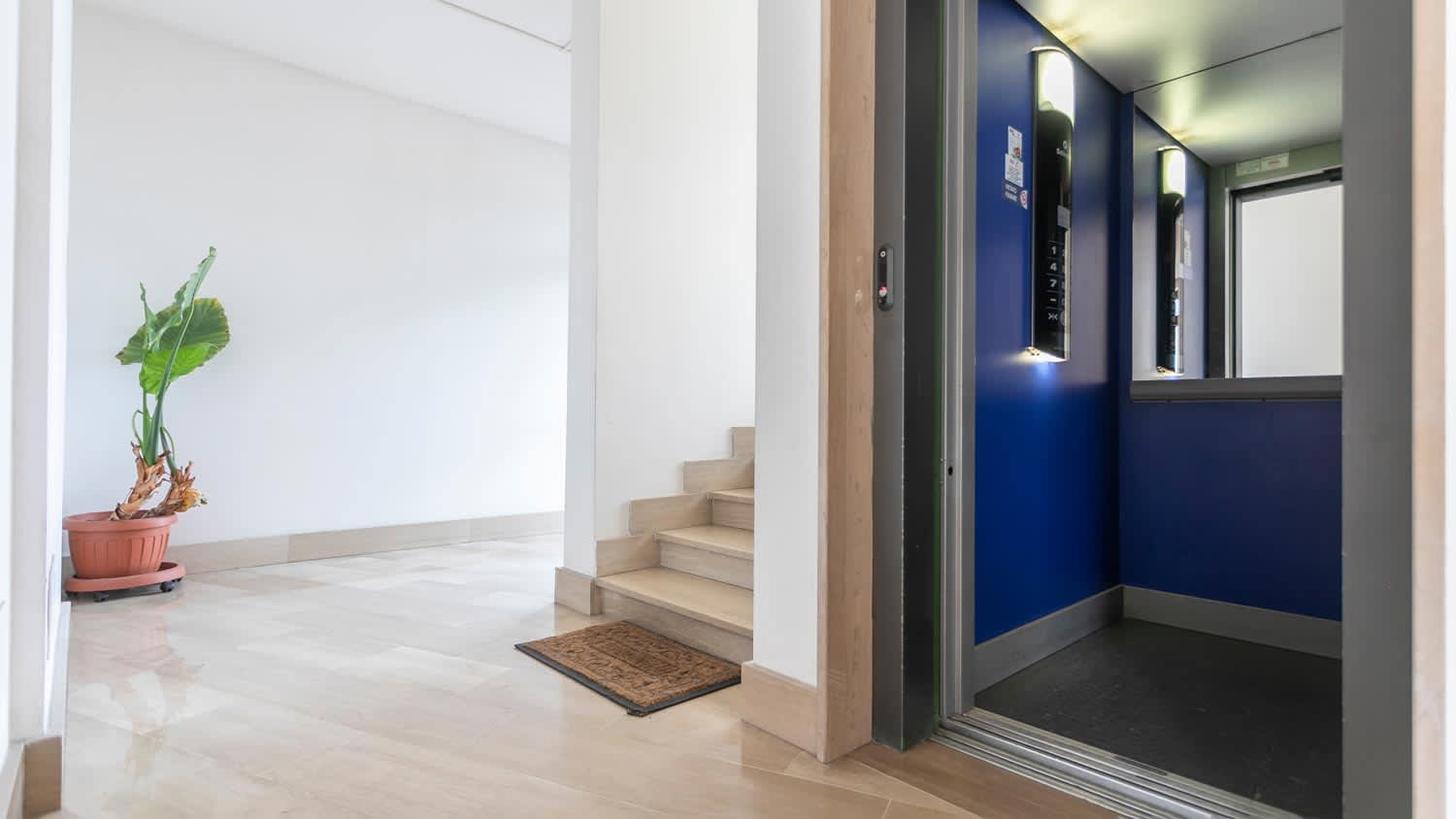
Discover the average home elevator maintenance cost, key price factors, and expert tips to help you budget for safe, reliable elevator upkeep in your home.
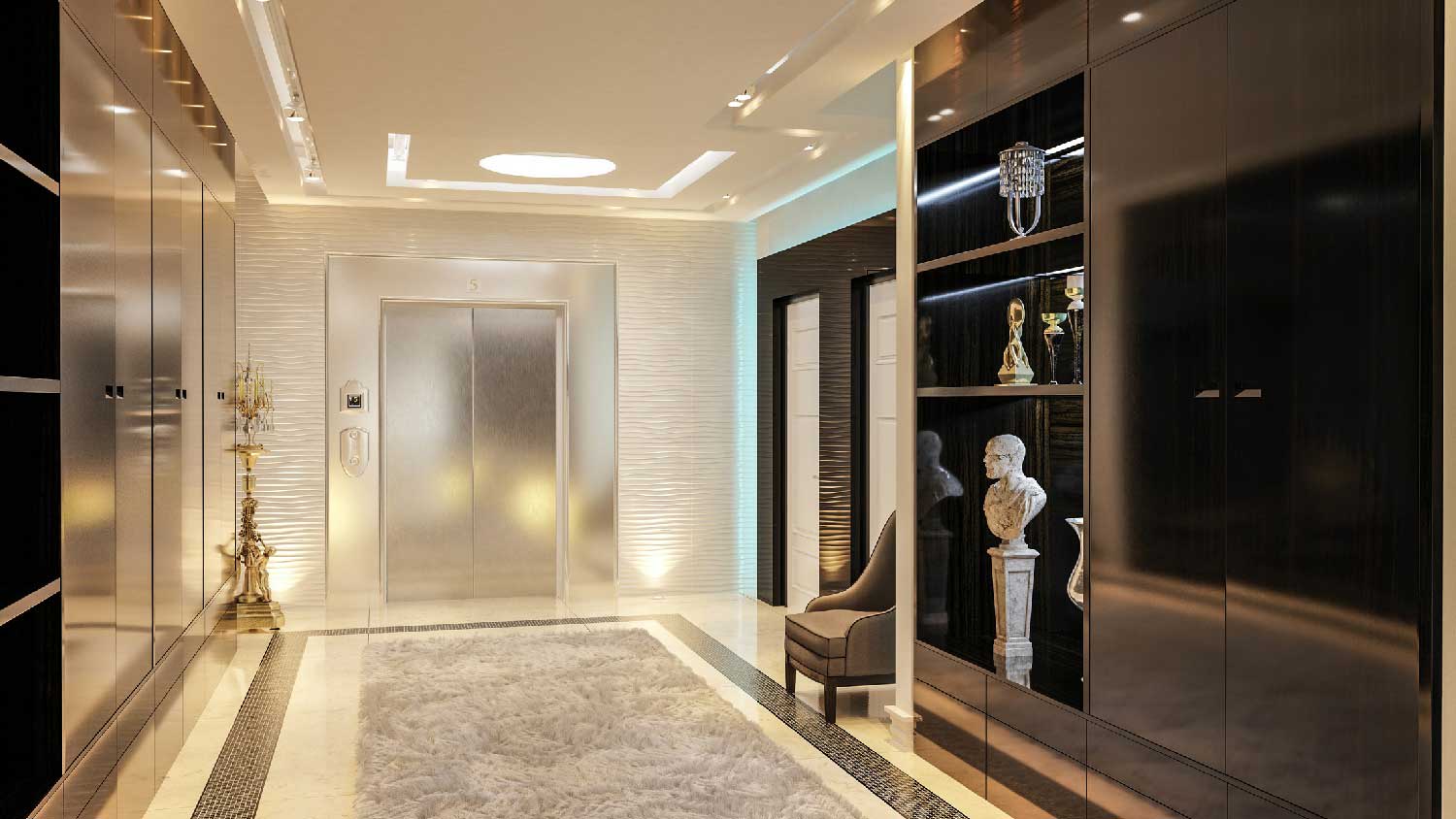
Elevators boost your home’s accessibility while adding a touch of style and value. Learn about the best professionals for installing a home elevator.
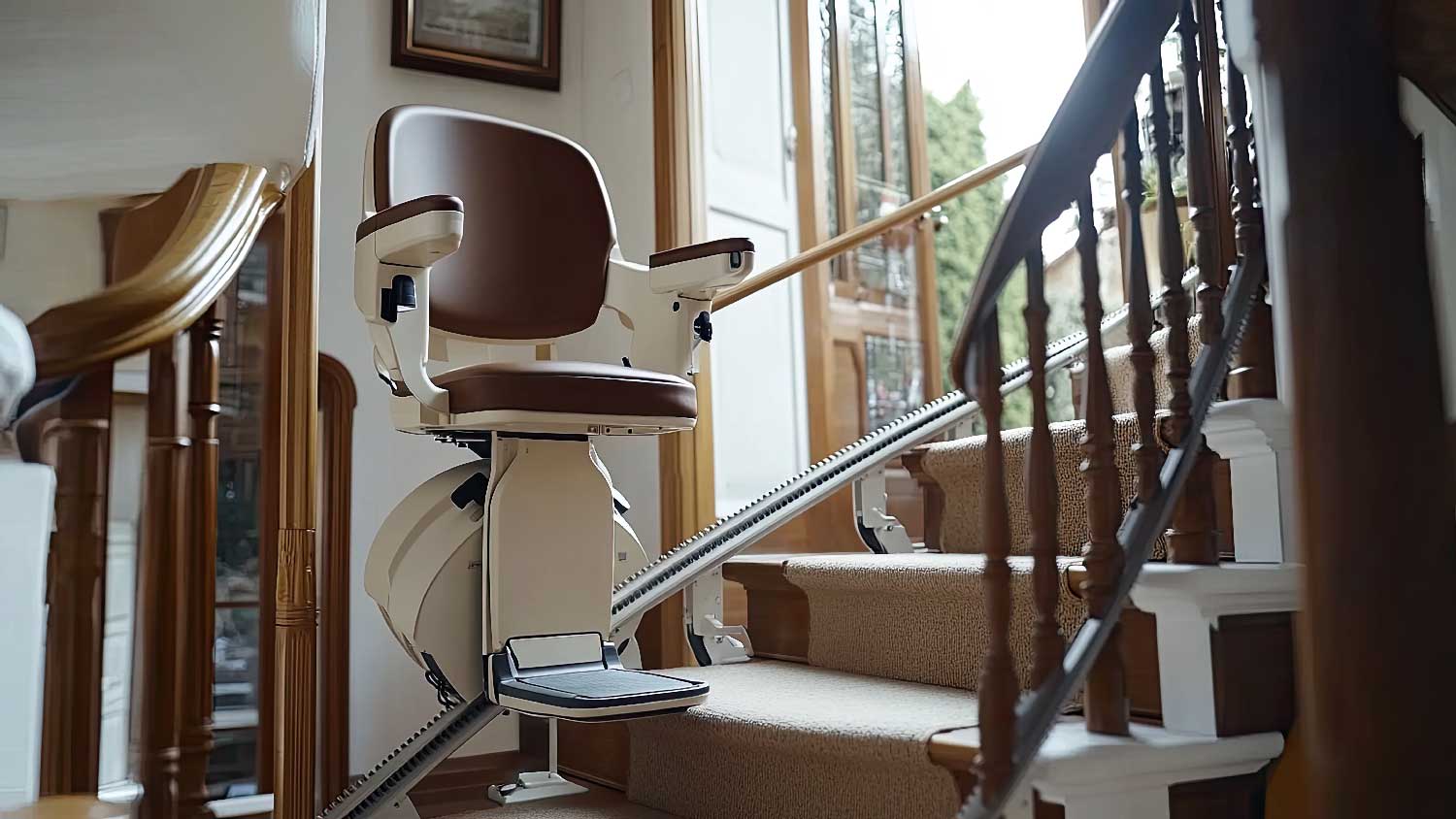
Thinking about an elevator installation? Learn about design options, average costs to expect, and how to hire the right local pro for your home.
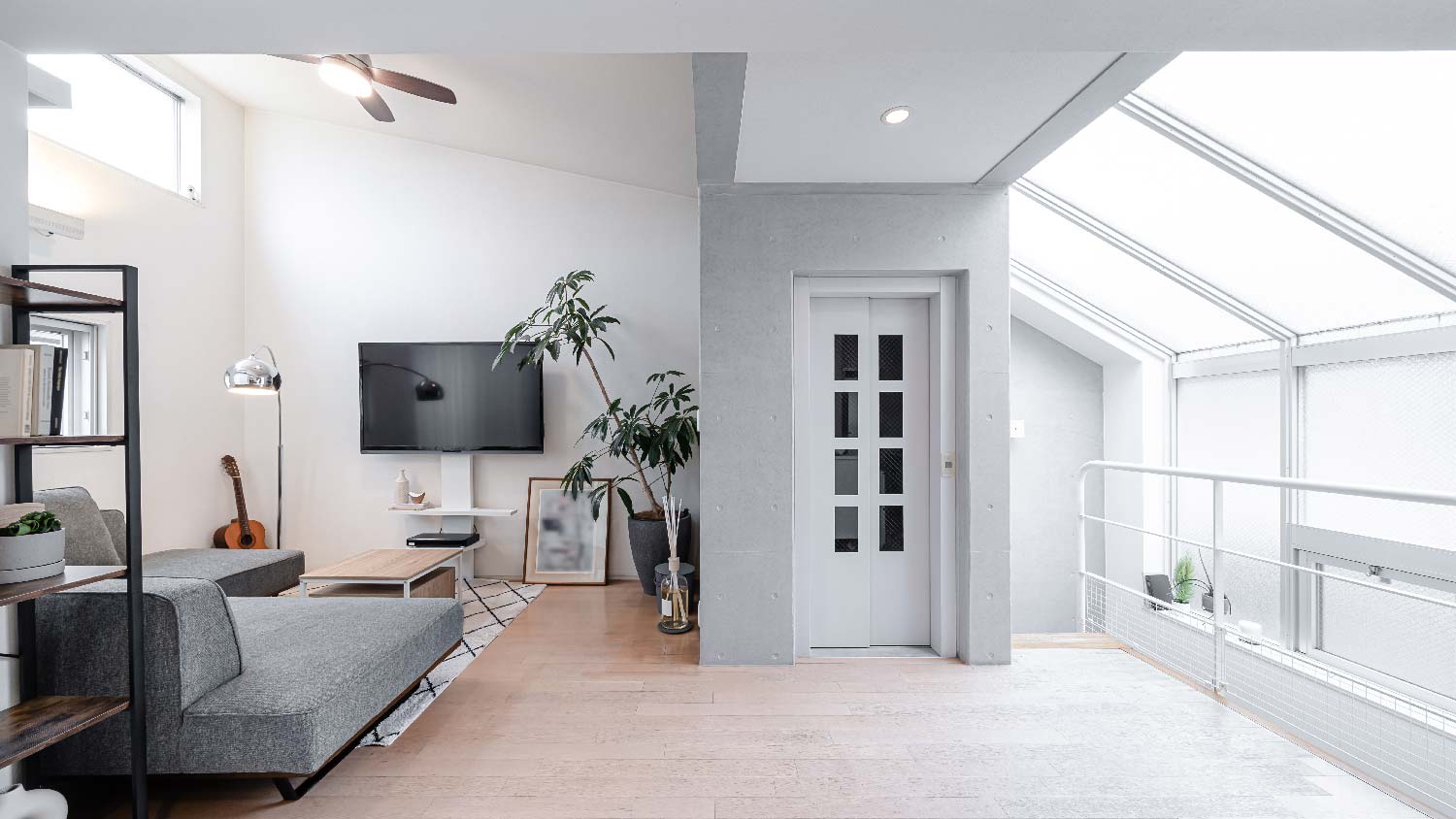
Home elevators can develop problems over time, so it's important to be able to diagnose the issue yourself. Stay tuned to learn more.