
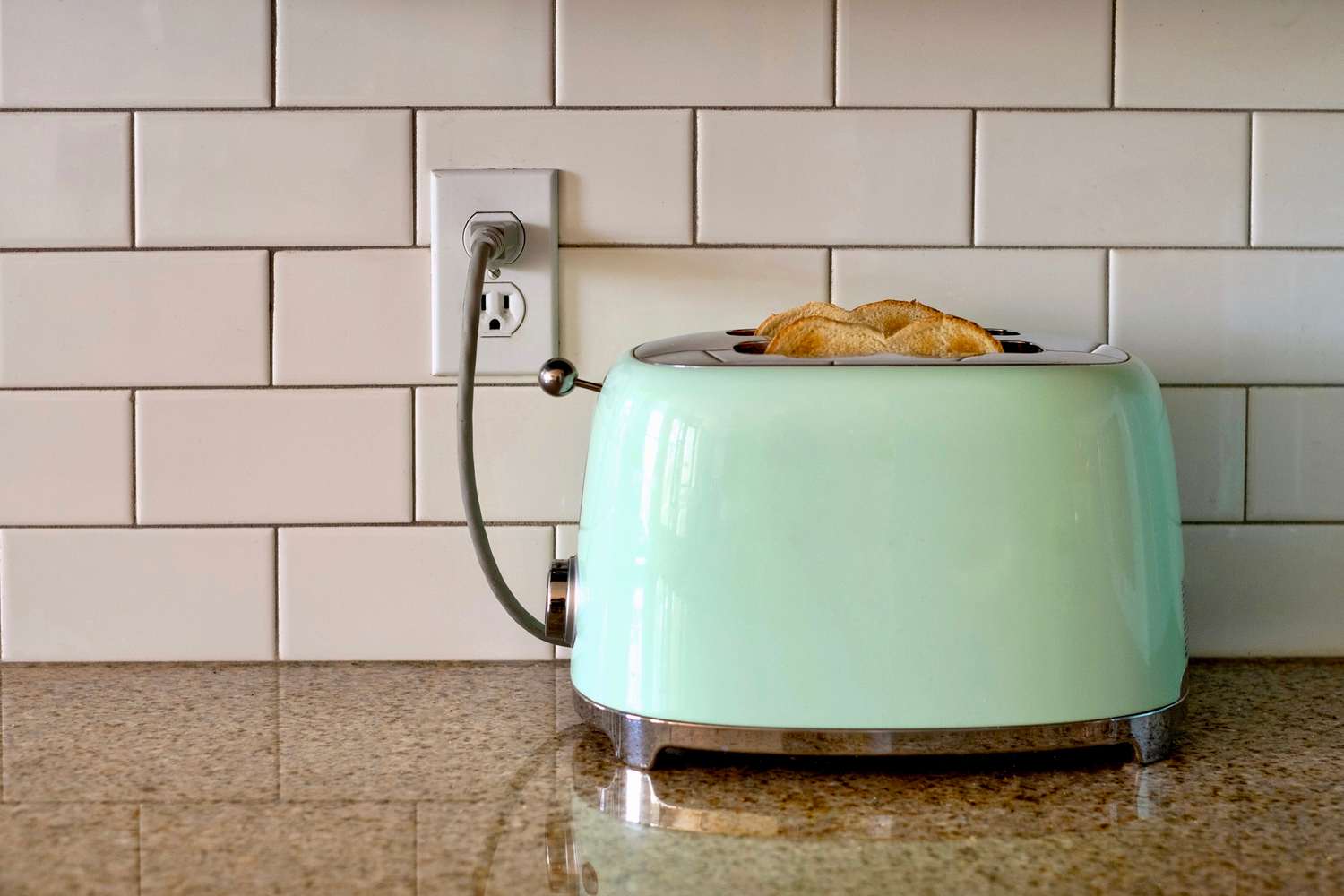
The average cost to install an electrical outlet is $133 to $296 each. This guide explains what factors impact the total cost of installing an outlet.
Say so long to unsightly wires with these simple steps

Let’s say you have a mounted TV with unsightly cables hanging down your wall. In that case, it’s possible to learn how to move an outlet for convenience and cord-clutter removal.
Keep in mind that electrical work is best left to a professional electrician to ensure it’s completed correctly and safely. If you have experience working with electrical wiring, the steps below can help take you through the process, from how to prep to how to connect wiring to your new outlet.
Before you start cutting into drywall and stripping wire, identify where you want to move the outlet. You’ll want to make sure the new spot is compliant with current city building codes and that you have all the necessary tools and supplies. This way, you won’t have to make an extra trip to the hardware store mid-project.
It’s also essential to purchase or gather protective gear, such as safety glasses and gloves, to ensure you’re as safe as possible when working with wiring. If you’re working with an outlet in an older home, inspect the wiring for frayed wires or loose connections that would require more extensive work. If that’s the case, hire a professional electrician to determine the best next steps for your home’s wiring.
First thing’s first: Turn off the power to the circuit of the outlet in question. Flip the appropriate breaker in your circuit breaker box to eliminate power to that outlet. Even if you’re positive the power is off, you’ll need to use a voltage tester on the outlet surface to make sure. Once the voltage tester proves power is off, you can move to the next step.
Determine where you want to move the outlet and use a stud finder to locate the studs in that wall. Mark the stud’s locations with a pencil so that, when the time comes, you can attach the electrical box to the side of a stud.

Place the electrical box on the wall where you plan to attach it to the stud, and then trace around it with a pen or pencil. Using a drywall saw, cut into the wall on the lines, following as close to the traced lines as possible.
Use your screwdriver and remove the plate cover from the old outlet. Then, unscrew and take out the mounting screws to the outlet and pull it out of the wall. Next, loosen the terminal screws on the side of the outlet. Remove the outlet from the attached wires.
With one hand in the hole for the new outlet, pull the cable from the old outlet out of the wall. Using your wire cutters, cut about 6 inches of cable off. Then, use your wire stripper to strip 2 inches off the end of the cable and 1 inch of insulation off the black and white wires.
Move the end of the cable through the knockout hole in the back of the new electrical box. Put the box into the pre-measured hole and secure it to the side of the stud with a screw and screwdriver.

Using a pair of pliers, put the ends of the wires into the hooks. Take the black wire and hook it into the brass terminal screw on the outlet. Tighten the screw, then repeat the same step with the white wire, but onto the silver terminal screw. Now, take the bare copper wire and hook it to the green screw on the bottom of the outlet.
Push the wiring and the outlet into the new electrical box and screw them in with a screwdriver. Take the plate cover and screw it into place, then restore power to the circuit. Test the power with the voltage tester to make sure everything is wired correctly. Repeat until power reaches the outlet in its new location.
Patch the hole in the wall where the old outlet lived with spackle and a putty knife. Once the area is dry, you can touch up the paint so it will look good as new.
According to data from Angi customers, 57.8% of electrical projects are repairs-based, while 42.2% are for initial installations or relocations. Call a professional electrician for any electrical problems you have or projects you’re thinking about.
While it’s possible to DIY moving an outlet if you have prior electrical experience, it’s best to hire a licensed electrician to complete this task. Working with electrical wiring can be hazardous to your home and personal safety, risking electrical shock or fire.
The good news is that if you hire a professional electrician, the cost to install an outlet yourself is largely the same cost as what an electrician would charge. While you may spend anywhere from $100 to $300 to do the job yourself, an electrician is likely to charge about $75 to $485 per outlet. If it saves you time, stress, and the risk of creating further issues, it’s worth hiring an expert from the get-go.
I recently had Mosby Electric perform an electrical installation on 8-14-2026, and I couldn’t be more satisfied with the service. From the moment I called, their team demonstrated fast arrival and professionalism. The electricians were highly knowledgeable, completing the installation...
 Mosby Electric
Great company! Price was competitive, technician showed up on time and completed the job (exterior electric Radon fan replacement) quickly. Would hire them again.
 MaGen Property Inspections and Radon Mitigation
I conferred with 2 other contractors before Armstrong Electric. Nick and his crew showed me that the project was not as convoluted as the other contractors made it appear to be. They completed the entire project on time. They were professional, friendly and cleaned up after at completion. I...
 ARMSTRONG ELECTRIC, LLC
The techs on my project, Shawn and Cliff, were great. They were prompt, courteous, and efficient. I am very happy with the results and would definitely contact Mr. Electric for any future electrical projects.
 Mr. Electric of Columbus
Victor was wonderful. He was on time, professional, and explained everything he was doing. He was thorough and figured out that the problem was electrical instead of with my HVAC system. Very knowledgeable. I will be using this company in the future for any HVAC needs. Thanks!
 Hubbs Heating & Air LLC
They were excellent. They did a great job. I was totally satisfied. They put tremendous effort in making sure the work was completed. They were great. They provided immediate response to any inquires I made. I would hire them again. I would recommend them to anyone who needs electrical work....
 JCB & Associates, LLC DBA Property-Tech Industries
Initially, the repairman could not find the problem. Apparently, there was some electrical shortage, but he could not find the definite problem. He left, but called back later to say he had a new idea. He returned and replaced the light switches on the doors. The refrigerator seemed to return...
 Appliance Pro LLC
The initial quoted price from a walk-through seemed high, but we discussed that the quote represented worst case scenario (re-wiring to two floors) and we were excited about the opportunity to have the work done in a timely manner with closing for fire safety reasons, etc. When the job was...
I have to tell you I am all about customer service - I will go out of my way and even pay more for it if you give me great customer service. <br> <br>In a world where this is hard to find, these guys were awesome! I can not sing their praises enough. They were prompt, personable, funny, got...
 Waibel Electric
When I challenged the markup on the generator, Bruder Electric withdrew its bid. They only want naïve customers.
From average costs to expert advice, get all the answers you need to get your job done.
The average cost to install an electrical outlet is $133 to $296 each. This guide explains what factors impact the total cost of installing an outlet.

The cost to ground outlets depends on several factors. This guide will help you prepare for all of the costs involved with this project.
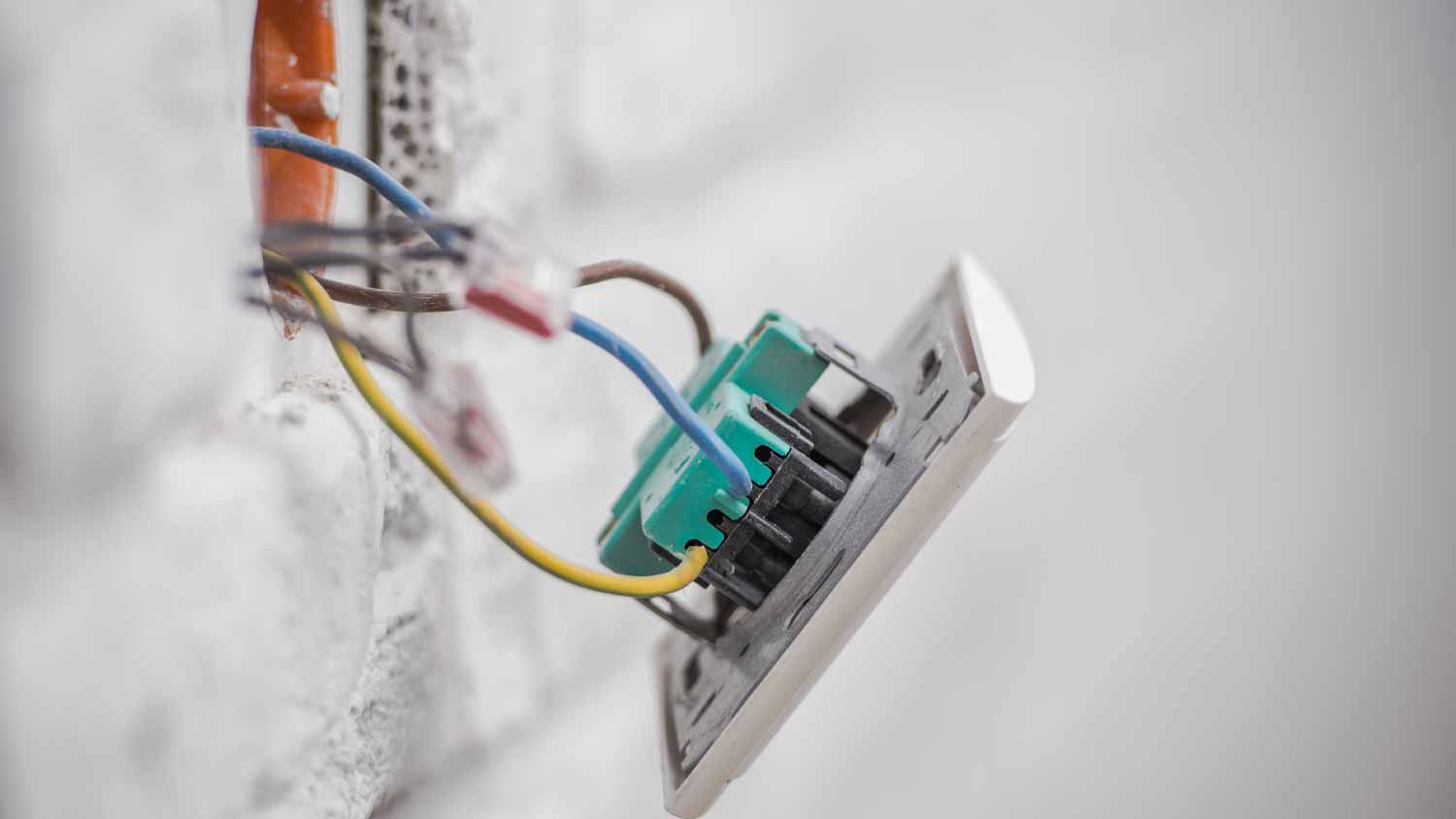
Discover the cost to replace outlets in your home. Learn about price factors, labor rates, and tips to save on your outlet replacement project.
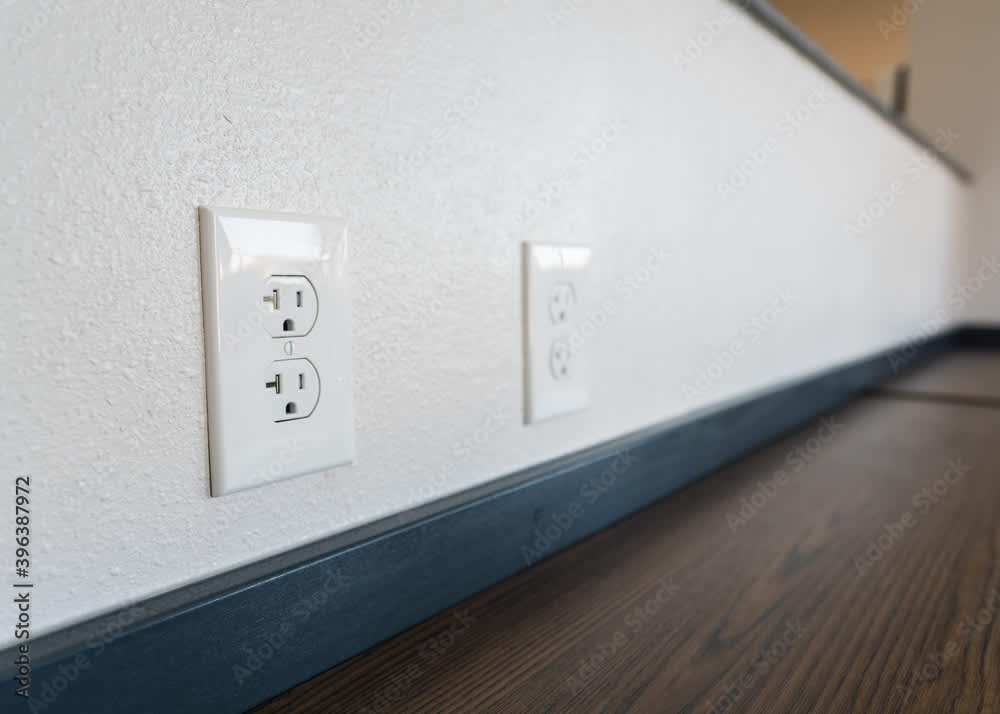
If your plugs are sliding out halfway after you insert them into the outlet, this is a fire hazard. Learn how to fix loose outlets in your home.
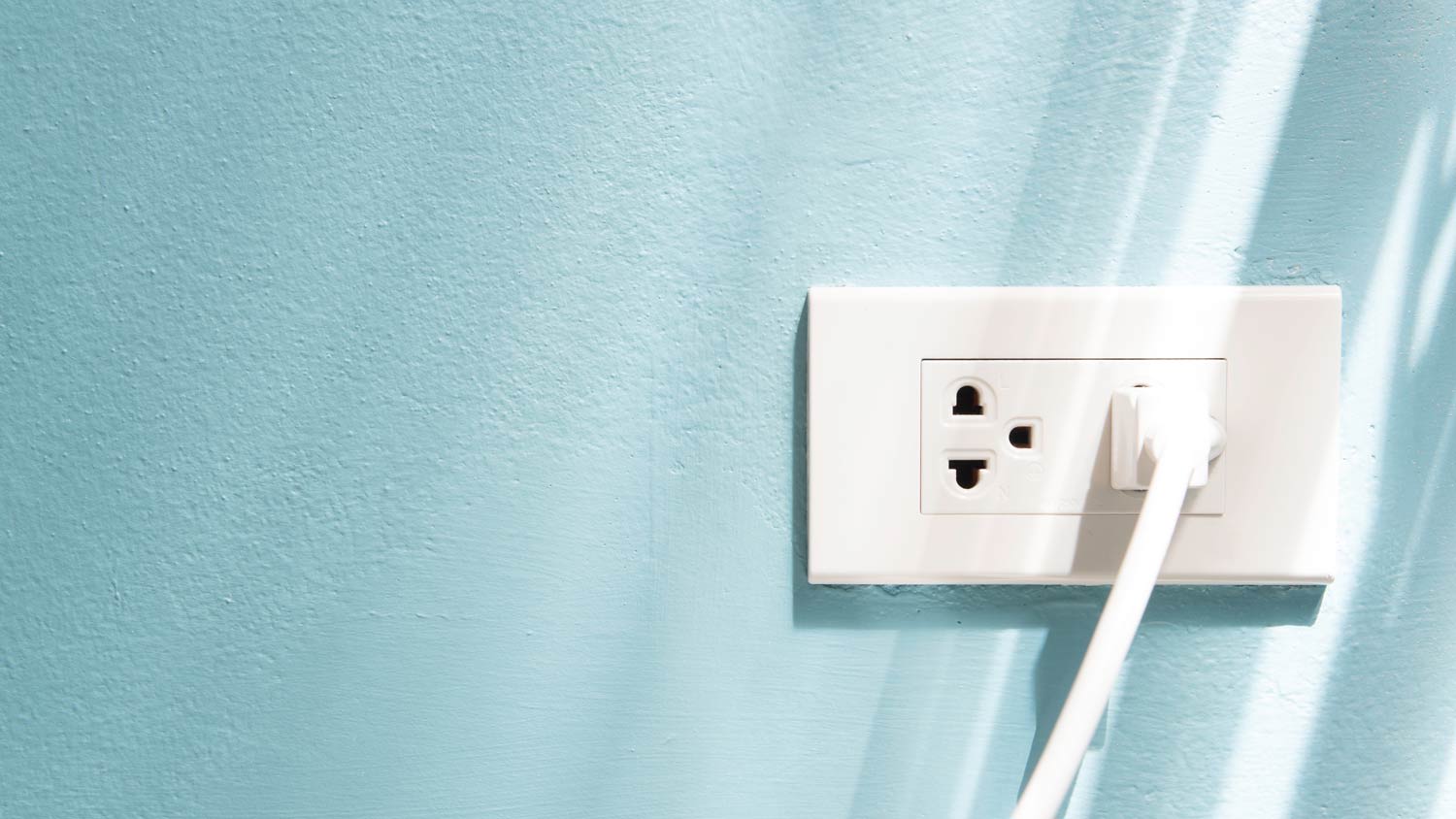
Adding an outlet to your home can be as straightforward as connecting to an existing circuit. Learn how to wire an outlet from another outlet in this advanced-level DIY guide.

Wiring a switch to an outlet is a relatively simple DIY that makes it easy to flip on your lights or devices. Find out how to wire a switch to an outlet.