
The average cost to install an electrical outlet is $133 to $296 each. This guide explains what factors impact the total cost of installing an outlet.
Find a new outlet for those DIY skills

Loose electrical outlets pose safety risks when worn contact points allow plugs to slide out, creating sparks that can cause fires or electrical shocks.
Expect to pay $9 to $35 per outlet for professional electrical outlet repair, with basic outlet materials costing $3 to 5 each.
You can secure loose outlets by tightening outlet screws, adding wall plate spacers, or installing electrical box extenders to close gaps between your box and wall.
Hiring a local electrical professional provides confident guidance on outlet replacement and wiring repairs, keeping your home safe from electrical hazards.
Whether you recently noticed you have a loose outlet or want to proactively protect your home from electrical dangers, learning how to fix a loose outlet is a good way to ensure your outlet is safe to use. While hiring an electrician is always the best bet for electrical projects, you may be able to do the job yourself with the right tools and experience. Here’s what you need to know on how to fix loose outlets around the house.
Follow these steps to ensure your repair project goes smoothly and safely.

Before you work with electrical wiring, be sure to turn off the circuit breaker. Failure to complete this step can result in electrocution. Flip the switch to the “OFF” position, and then use a non-contact voltage tester like a multimeter or voltmeter to check for electricity to confirm there’s no voltage.
With a Phillips-head or flathead screwdriver, unscrew the cover plate to access the outlet. Avoid a trip to the hardware store by placing the screws in a baggie or small container to avoid losing them.

If it’s the outlet box itself that’s loose, there are several methods for securing the loose outlet box. Try the following methods to get to the bottom of your loose outlet box once and for all.
The easiest solution for fixing loose outlets is to try tightening the screws on the outlet. All those electronics that have gone into the outlets can sometimes wiggle screws loose, causing the entire outlet to move. To fix this issue, simply use a screwdriver to tighten the screws.
If the outlet’s screws are already tight, you’ll need to get creative about holding your outlet in place. Cue the electrical spacers: These plastic inserts hook onto the screws of your outlet to keep the receptacle from moving. Install electrical outlet spacers by following these steps:
Use the screwdriver to remove the outlet screws.
Slide the spacer behind the outlet.
Place the screws into the top and bottom holes in the spacer.
Reinstall the screws with your screwdriver.
Alternatively, if your outlets look like sunken ships, you could have gaps between the electrical box and the outlet. In this case, you’ll want to use electrical spacers on recessed outlets. These small, plastic spacers are shaped like a “C” and contain interlocking clips for customizing the amount of additional depth your outlets need to stay in place.
Gauge how many spacers you’ll need by holding the spacers up to the box and assessing the right depth.
Fold the spacer over until it snaps together.
Insert the spacers onto the top and bottom of your outlet, ensuring the male side faces outward.
Push down on the screws to secure the spacers.
Insert the outlet back into the box to confirm the spacers have successfully secured the outlet.
Retighten the screws on your outlet.
If there is too much space between your outlet and the electric box, you might be unable to use spacers to hold the outlet in place. Here’s when you’ll want to use an electrical box extender. To install an electrical box extender, do the following:
Remove the screws on your outlet.
Place the outlet through the center of the extender.
Adjust the extender until it is flush with your wall.
Reinstall the screws on your outlet to secure it in place.
If your outlet receptacle shows signs of wear and tear—like wobbly, loose plugs—you'll want to replace the outlet receptacle rather than try to troubleshoot the loose outlet. Follow these steps to replace your outlet or hire an electrician to complete this electrical project:
Purchase a new outlet receptacle.
Ensure that your circuit breaker's power is off.
Test the outlet for signs of voltage by using a voltage tester.
Unscrew and remove the old outlet receptacle using a screwdriver.
Place the screws in a container for safekeeping.
Loosen the screws that secure the wires to the old outlet.
Unhook the wires, noting where each wire was connected to the outlet.
Install the new outlet receptacle by wrapping the correct wires to the new receptacle’s terminal screws.
Screw the new outlet to the electrical box by inserting the screws and tightening them with a screwdriver.

Now it’s time to retrace your steps and reinstall the cover plate to your new or improved outlet receptacle. Line the plate up, insert the screws, and secure them with a few solid twists of your screwdriver.
With your fixed outlet now strong and sturdy, flip the breaker switch back to “ON” and test the outlet’s power using a voltage tester. If there isn’t a current, retrace your steps and determine the outstanding issue. Otherwise, enjoy using a safe outlet for your electronics and appliances.
Though it might seem like a no-brainer, it’s important to hold the plugs of your electronics securely at the base when removing them from the outlet. This removal method prevents displacing or damaging the insert points into your outlets.
You also want to avoid overloading your circuit, as this extra surge of power can overheat and damage your outlets. Know how many outlets on a circuit work for your amperes before plugging more devices into a circuit—especially if you live in an older home that cannot handle the increased demand.
Loose outlets can pose several electrical safety hazards, including sparks, fire risks, or electrical shocks that could harm you or the structure of your home. For that reason, you should always fix an outlet that’s loose or wiggly as soon as you notice an issue.
Replacing an outlet costs around $3 to $5 for the materials. Specialty electrical outlet types like GFCI outlets or AFCI outlets can cost as much as $50 each, while outdoor outlets cost around $225 each. Keep in mind that hiring an electrician for this project will cost you an additional $9 to $35 per outlet.
Fixing a loose outlet on your own will save you roughly $9 to $35 per outlet in labor costs. However, depending on the extent of the repair and your confidence in working with electrical wiring, you may be better off working with an electrician near you to safely fix loose outlets.
I recently had Mosby Electric perform an electrical installation on 8-14-2026, and I couldn’t be more satisfied with the service. From the moment I called, their team demonstrated fast arrival and professionalism. The electricians were highly knowledgeable, completing the installation...
 Mosby Electric
Great company! Price was competitive, technician showed up on time and completed the job (exterior electric Radon fan replacement) quickly. Would hire them again.
 MaGen Property Inspections and Radon Mitigation
I conferred with 2 other contractors before Armstrong Electric. Nick and his crew showed me that the project was not as convoluted as the other contractors made it appear to be. They completed the entire project on time. They were professional, friendly and cleaned up after at completion. I...
 ARMSTRONG ELECTRIC, LLC
The techs on my project, Shawn and Cliff, were great. They were prompt, courteous, and efficient. I am very happy with the results and would definitely contact Mr. Electric for any future electrical projects.
 Mr. Electric of Columbus
Victor was wonderful. He was on time, professional, and explained everything he was doing. He was thorough and figured out that the problem was electrical instead of with my HVAC system. Very knowledgeable. I will be using this company in the future for any HVAC needs. Thanks!
 Hubbs Heating & Air LLC
They were excellent. They did a great job. I was totally satisfied. They put tremendous effort in making sure the work was completed. They were great. They provided immediate response to any inquires I made. I would hire them again. I would recommend them to anyone who needs electrical work....
 JCB & Associates, LLC DBA Property-Tech Industries
Initially, the repairman could not find the problem. Apparently, there was some electrical shortage, but he could not find the definite problem. He left, but called back later to say he had a new idea. He returned and replaced the light switches on the doors. The refrigerator seemed to return...
 Appliance Pro LLC
The initial quoted price from a walk-through seemed high, but we discussed that the quote represented worst case scenario (re-wiring to two floors) and we were excited about the opportunity to have the work done in a timely manner with closing for fire safety reasons, etc. When the job was...
I have to tell you I am all about customer service - I will go out of my way and even pay more for it if you give me great customer service. <br> <br>In a world where this is hard to find, these guys were awesome! I can not sing their praises enough. They were prompt, personable, funny, got...
 Waibel Electric
When I challenged the markup on the generator, Bruder Electric withdrew its bid. They only want naïve customers.
From average costs to expert advice, get all the answers you need to get your job done.
The average cost to install an electrical outlet is $133 to $296 each. This guide explains what factors impact the total cost of installing an outlet.

Discover the electrical outlet repair cost of different outlet types depending on the problem, location, amperage, and other factors.
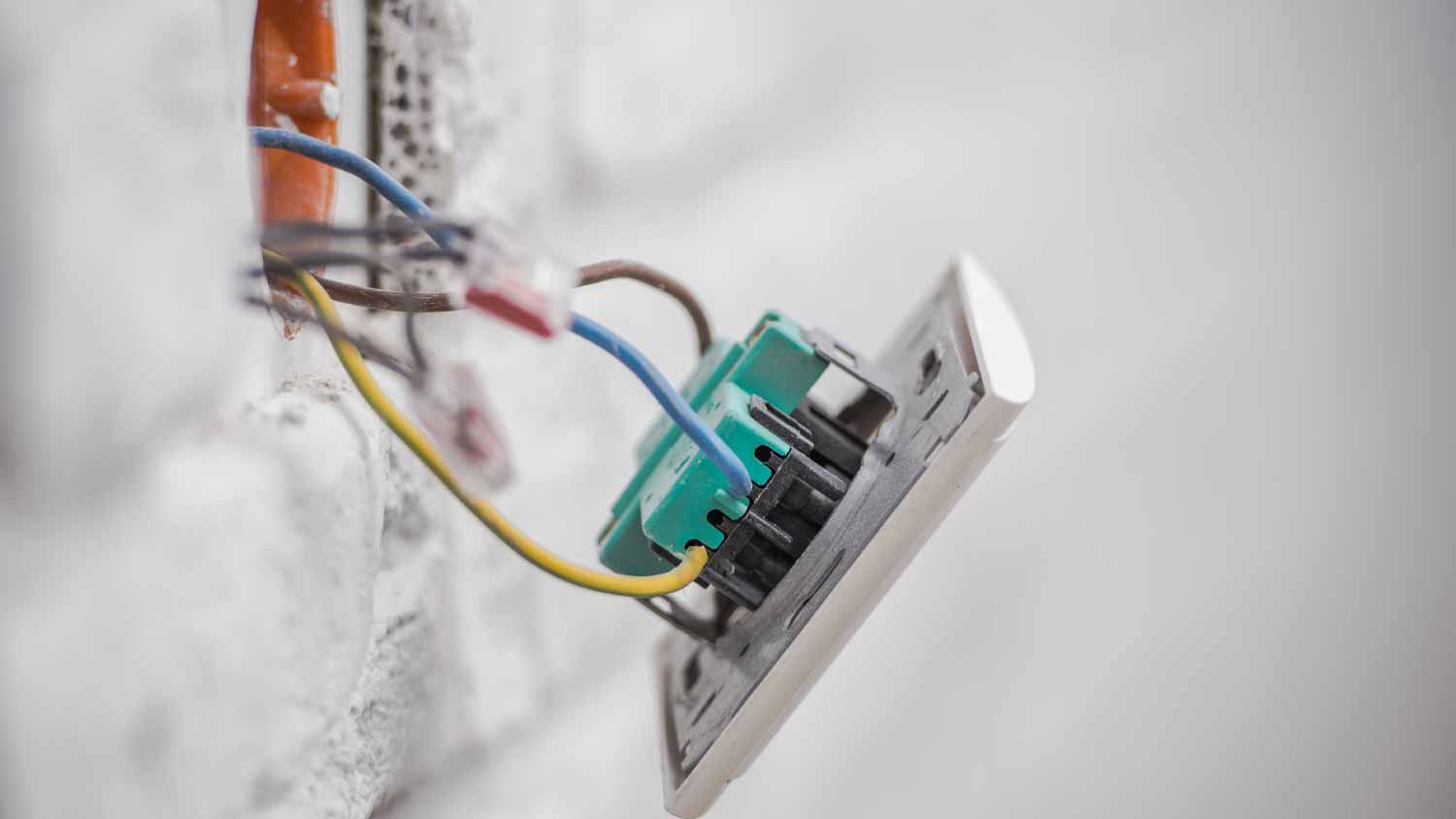
Discover the cost to replace outlets in your home. Learn about price factors, labor rates, and tips to save on your outlet replacement project.

Are there outlets not working in one room in particular? Learn what could be causing the issue and how to solve the problem.
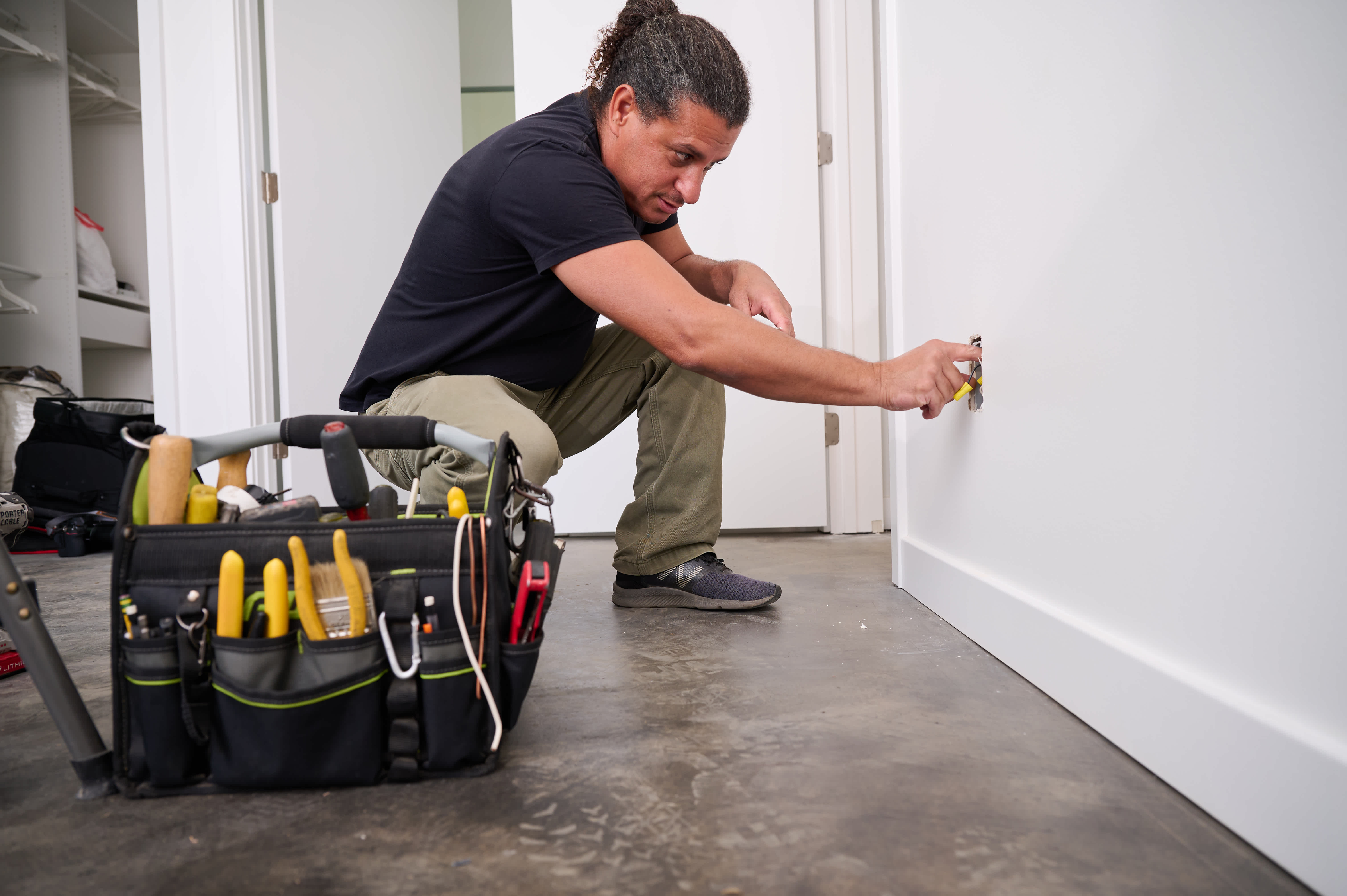
If your outlet stopped working and your breaker has not tripped, it could be due to several reasons. Learn how to fix an outlet with our guide.
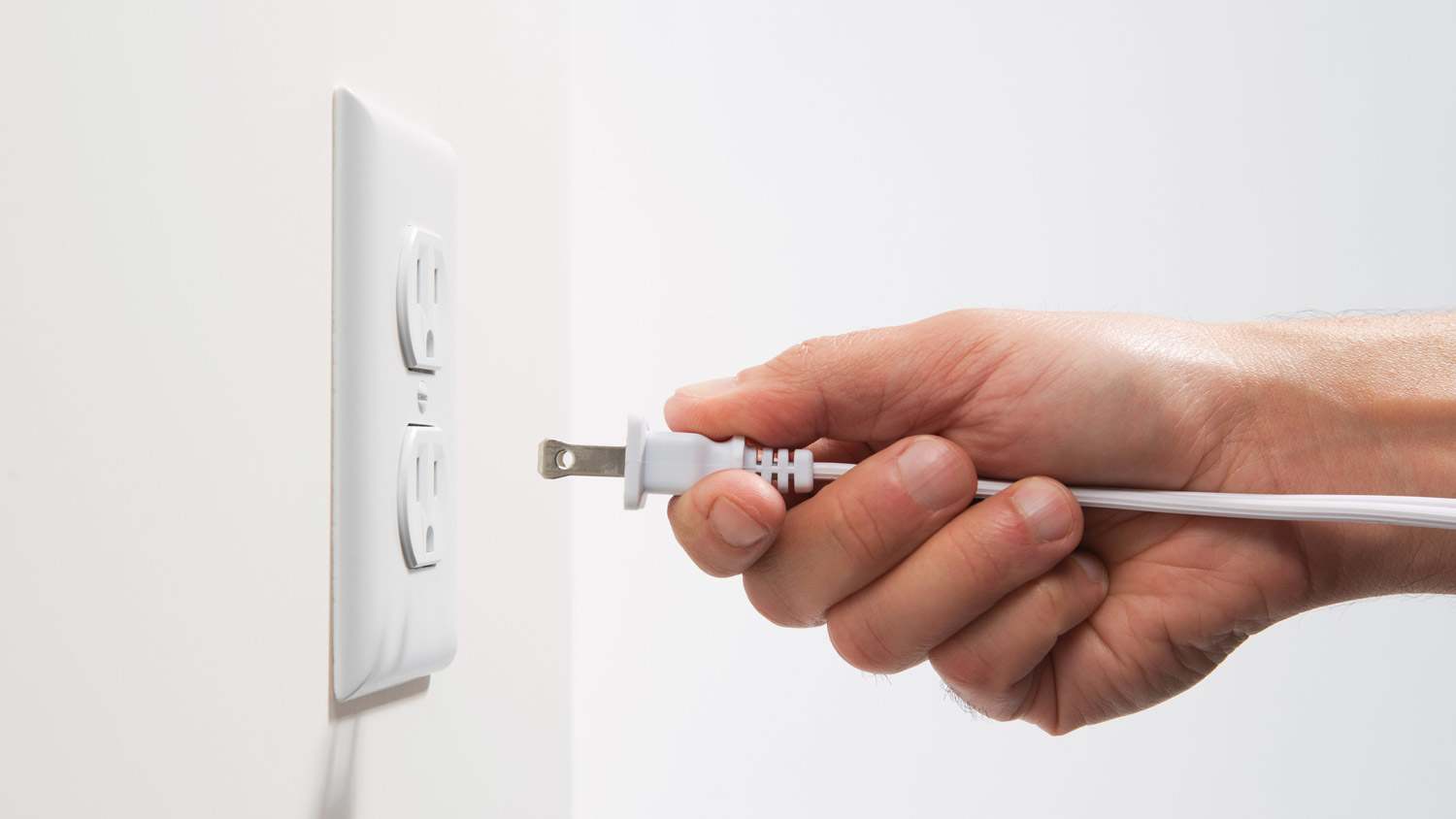
This guide will walk you through why electrical outlets go out and why one bad outlet can affect others in your home. Use our helpful guide to learn more.