

Whether you’re planning on putting in a concrete driveway, patio, or staircase, use this concrete delivery cost guide to get an accurate estimate.
Home building costs depend on your project and location. Check with a local pro for your specific job.

Building a concrete house costs between $150,000 and $600,000, with your total price per square foot ranging from $120 to $600.
Your square footage and the construction method you select will determine the amount of labor your concrete house project requires.
You should account for land preparation costs, utility connections, permits, and interior finishes when you create your budget for the build.
Hiring a local custom home building professional ensures your foundation meets code and keeps your household safe from structural issues.
In 2026, the national average cost to build a concrete house is $360,000. Most homeowners spend between $150,000 and $600,000, with the cost driven by the square footage, construction method, and level of interior finishes. You'll also have to budget for labor to hire a custom homebuilder and possibly hire additional pros to get the job done.
Bedroom count gives you a useful starting point for estimating your concrete house budget, with costs ranging from $150,000 to $500,000. Though costs don't scale in a perfectly linear way, since more bedrooms also require additional living space throughout the home. The table below shows how costs vary by number of bedrooms:
| Number of Bedrooms | Price Range in 2026 |
|---|---|
| 3 | $150,000–$250,000 |
| 4 | $275,000–$385,000 |
| 5 | $390,000–$500,000 |
Square footage gives you the most accurate estimate for your concrete house cost, with the average cost to build a house out of concrete running $180 per square foot and ranging from $120 to $600 per square foot depending on the materials and features you choose. The table below shows how costs break down across common house sizes:
| House Size (sq. ft.) | Average Price in 2026 | Price Range in 2026 |
|---|---|---|
| 800 | $144,000 | $96,000–$480,000 |
| 1,000 | $180,000 | $120,000–$600,000 |
| 1,500 | $270,000 | $180,000–$900,000 |
| 2,000 | $360,000 | $240,000–$1,200,000 |
| 2,500 | $450,000 | $300,000–$1,500,000 |
| 3,000 | $540,000 | $360,000–$1,800,000 |
Labor accounts for between 40% and 60% of your total concrete house cost, with the largest share going to your custom homebuilder, who handles the major phases of construction and coordinates or subcontracts specialty work.
Here is a breakdown of common tasks your custom homebuilder will complete during the homebuilding process and what each typically costs:
Pouring the foundation: $5,000–$25,000
Constructing concrete block walls: $2,000–$10,000
Installing the roof: $5,900–$13,200
Installing windows and doors: $3,500–$12,000

An architect and a structural engineer are among the most important pros you'll need to hire to build a house, with combined fees running $10,000 to $60,000 depending on the complexity of your design. Their work ensures your home is structurally sound, making the investment well worth it.
Here is a breakdown of the most common individual costs you can expect from these professionals:
Creating building plans and structural drawings: $20,000–$60,000
Drawing up blueprints: $550–$1,900
Creating as-built drawings: $700–$1,300
Landscape design plans: $700–$3,600
Beyond your custom homebuilder and architect, building a concrete house requires a range of additional specialists whose costs vary widely by trade:
Drywall installer: $1–$2.10 per sq. ft. for interior walls only
Electrician cost: $1,500–$10,000 to wire the house
Flooring installation cost: $2–$20 per sq. ft.
Framer cost: $7–$16 per sq. ft. for interior walls only
Interior painter cost: $4,600–$13,800
HVAC technician cost: $5,000–$14,500 to install a new HVAC system
Plumber cost: $10,000–$20,000 to install a new plumbing system
Roofer cost: $5,800–$13,000
Where you build has a significant impact on your concrete house cost, with prices running highest in and around major metropolitan areas where labor rates are elevated. Climate also shapes which foundation type is appropriate for your site, and that choice alone can shift your total by tens of thousands of dollars.
The table below shows how concrete house costs vary by state:
| State | Concrete House Cost in 2026 |
|---|---|
| California | $521,000 |
| Florida | $369,000 |
| Georgia | $330,000 |
| Illinois | $344,000 |
| Michigan | $333,000 |
| New York | $445,000 |
| North Carolina | $352,000 |
| Ohio | $342,000 |
| Pennsylvania | $342,000 |
| Texas | $334,000 |
Several additional factors can meaningfully influence your total concrete house cost, and accounting for each one carefully will give you the most accurate budget estimate.
Land cost is not included in standard concrete house price estimates and can add between $650 and $6,200 to your total, depending on the size and location of the plot.
The following table shows what you can expect to pay for common land preparation tasks that may also be required before construction begins:
| Land Prep Item | Cost Range in 2026 |
|---|---|
| Environmental impact study | $1,200–$2,500 |
| Land clearing | $1,400–$6,200 |
| Land grading | $1,300–$5,700 |
| Perc test | $750–$1,900 |
| Soil test | $650–$2,200 |
Running utilities to your property is a prerequisite for construction and typically costs $6,500 to $30,000, with your total depending on which utilities you need and how far your site sits from existing connections. The table below shows typical costs by utility type:
| Utility Type | Typical Cost in 2026 |
|---|---|
| Drilling a well | $5,000–$10,000 |
| Electric connection | $1,000–$5,000 |
| Gas line | $500–$2,000 |
| Septic system | $3,400–$11,500 |
| Sewer connection | $1,500–$5,700 |
| Water supply | $1,000–$6,000 |
Plans and drawings for a custom concrete house cost $10,000 to $60,000, though you can avoid this expense entirely by choosing a spec house, where the builder has already prepared and approved the plans before construction begins.
Permits to build a new home cost $1,000 to $4,000, depending on your municipality, and most building departments issue a single construction permit that covers foundation, electrical, plumbing, HVAC, and other work rather than requiring separate permits for each trade.

Pouring a foundation for a 2,000-square-foot concrete house costs $10,000 to $75,000, and the style you choose determines how much excavation is required. Slab foundations need minimal excavation, while basement foundations require extensive digging and tamping that significantly increases labor costs.
The table below shows how costs change with foundation style:
| Foundation Style | Cost per Sq. Ft. in 2026 |
|---|---|
| Basement | $20–$37 |
| Crawl space | $6–$18 |
| Pier and beam | $6–$12 |
| Slab | $5–$18 |
The type of concrete you use for the foundation and walls affects your per-square-foot cost from $110 to $250, and the table below shows how costs break down across the available construction methods:
| Foundation Type | Cost per Sq. Ft. in 2026 |
|---|---|
| Poured concrete | $110–$160 |
| Concrete blocks | $190–$250 |
| Precast concrete | $120–$180 |
| Insulated concrete forms (ICFs) | $110–$140 |
Once the main structure is complete, interior finishes such as insulation, drywall, paint, flooring, and kitchen and bathroom installation, along with exterior finishes like gutters and trim, will cost most homeowners $75,000 to $300,000, with prices climbing well beyond that range for luxury builds.
A new HVAC system for your concrete house costs $5,000 to $14,500, and the table below shows how system type impacts costs:
| Type of HVAC System | Average Cost in 2026 |
|---|---|
| Boiler | $3,600–$8,500 |
| Central AC | $3,900–$20,000 |
| Ductless mini-split | $2,000–$14,500 |
| Forced hot air furnace | $2,800–$6,900 |
| Water heater | $900–$1,800 |
Final landscaping and hardscaping for your concrete house costs $1,200 to $50,000, depending on the scope of work. Basic lawn seeding keeps you near the lower end, while paver patios, concrete driveways and walkways, garden beds, and features like pool houses and sheds can push your total toward the upper end of that range.
Building a new concrete house costs an average of $360,000, compared to an average of $52,500 for a remodel that can reach up to $90,000, making new construction the more expensive path in nearly every scenario.
That higher cost of building a new custom home comes with total freedom over square footage, room count, and layout, along with the efficiency advantages of a brand-new structure that can lower your ongoing utility costs.
A remodel is the right call if you simply want to refresh your interior, but new construction makes more sense when you need a larger footprint, a different layout, or your existing home has major structural issues.

Building a concrete house is more expensive than building a traditional framed home, and prices can easily climb to $600,000 or higher, even if you don’t splurge on luxury materials and features. Luckily, there are a few things you can do to help keep costs down.
Start with a pre-prepped plot of land: You could save $50,000 or more by choosing a plot of land that has nearby utility connections and doesn’t require clearing and grading.
Go with ICF construction: Building with insulated concrete forms will cost less in labor and save on construction costs. It will also boost home efficiency and provide savings on utilities in the long run.
Hire a local custom homebuilder: Hiring a local custom homebuilder who can pull permits and hire and coordinate with the different professionals necessary will save time and could save money over hiring a general contractor.
Choose more affordable materials: Interior and exterior finishes cost between $75,000 and $300,000. Choosing more budget-friendly materials for flooring, plumbing, and electrical fixtures, kitchen cabinets, and appliances can save tens of thousands of dollars.
Focus on energy efficiency: One benefit of concrete homes is boosted energy efficiency. You can go one step further by upgrading to better insulation and installing energy-efficient windows, doors, light fixtures, and appliances to save money over time.
Take advantage of incentives: To that same end, see if there are incentives for efficient building in your area and take any rebates and tax credits that you can. You may also get a deal on your homeowner’s insurance if you live in an area where wildfires and earthquakes are threats.
When building a concrete house, 40% to 60% of your costs go towards labor. While it may be tempting to try to save by taking on some aspects of the project yourself, doing so can lead to costly mistakes, significant delays, and structural issues that cause trouble down the road.
Hiring a local custom home builder ensures that everything, from foundation work to finishing, is done safely, correctly, and in accordance with local codes.
Building a concrete house is a major project that requires specialized expertise. Here are some of the top reasons to work with a pro:
Concrete pros ensure walls, foundations, and slabs are properly aligned to prevent structural issues.
They have the tools to mix and pour concrete correctly, providing lasting strength and durability.
Experts handle curing and finishing to reduce the risks of cracks, warping, or weak spots.
Working with pros ensures your project meets local building codes and safety regulations.
Pros can help you select the best concrete type and technique for your climate and design.
If you want to take on some aspects of the project yourself, here are a few DIY tasks that can help save time and labor costs:
Remove debris and clear landscaping before construction begins.
Install small fixtures like shelves or lights after major construction.
Work with an architect to finalize your design and interior finishes early on.
Handle minor landscaping projects, like planting trees and shrubs, once the structure is complete.
Install energy-efficient upgrades like smart thermostats or lighting.
Be ready to meet with an architect to discuss your vision, budget, and timeline.
Have an idea of the design, finishes, and layout you want before construction begins.
If there is room left in your budget, ask your pro about add-ons like smart home systems, upgraded fixtures, and custom finishes.
Be prepared for unexpected costs, such as permit fees, material price increases, and site preparation issues, that may arise during the construction process.
1st Choice Renew is simply the best! We hired them for a complete home renovation, and they transformed our space into something truly amazing. The team attention to detail and commitment to quality were evident throughout the project. They were easy to work with, very responsive, and always...
 Save A Dime
Exquisite workmanship from Custom Paint Jobs LLC. My home has never looked better.
 Custom Paint Jobs, LLC
We needed windows in our home, and we couldnt believe we got our entire home done for under $14,000. We have a lot of windows, and not only was it affordable, but it got done in a timely manner! Thanks guys, I truly appreciate you all!
 Window Depot USA of Central Ohio
Chris has been completing paint projects for me on flips, rentals, and even my personal home over the last 5 years. He always does an exceptional job, and is always responsive and easy to get ahold of. Great work, great communication. Iâ d definitely recommend him!
 Y City
Working with Mike on our first home purchase was an absolute pleasure. Mike put us at ease and made the process of buying a home fun. Mike is knowledgeable, honest, professional, and punctual. He worked with our busy schedule and always made time for us. When a home came on the market that...
 Michael Marshall - Buyer's Resource Realty Svcs.
Clint was and is very Professional and takes pride in this company and his work. Definitely recommended him to everyone in my hi-rise building. Excellent proposal and no hidden charges or surprises. Don't find that in today's world.
 Footprints Floors of Columbus
From average costs to expert advice, get all the answers you need to get your job done.
Whether you’re planning on putting in a concrete driveway, patio, or staircase, use this concrete delivery cost guide to get an accurate estimate.
Concrete plays a role in more than just your foundation. No matter where you need the extra stability, here's how to determine your concrete slab cost.
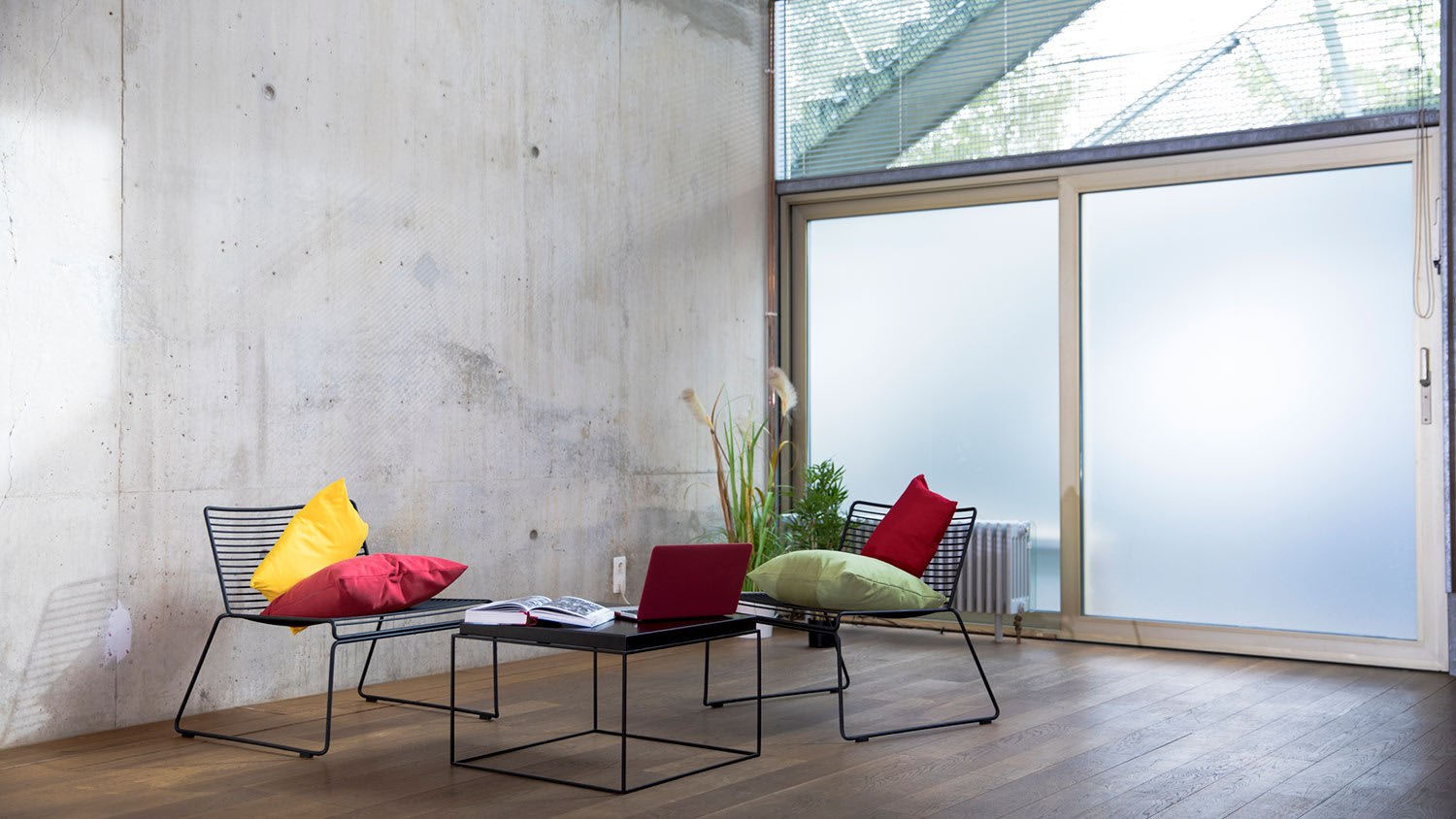
Discover how much concrete walls cost based on factors like their size, material, location, design, and local labor rates.
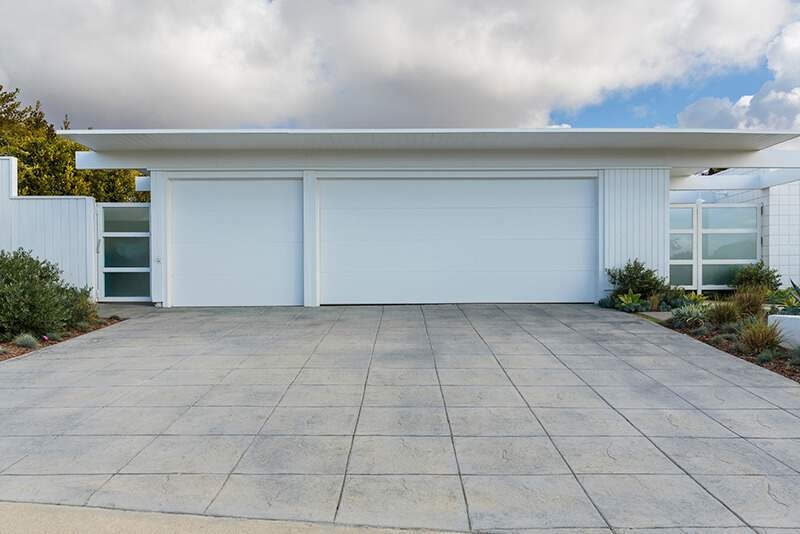
Concrete is a durable material but needs maintenance every few years. Use this concrete resurfacing cost guide to get an idea of ongoing maintenance costs.
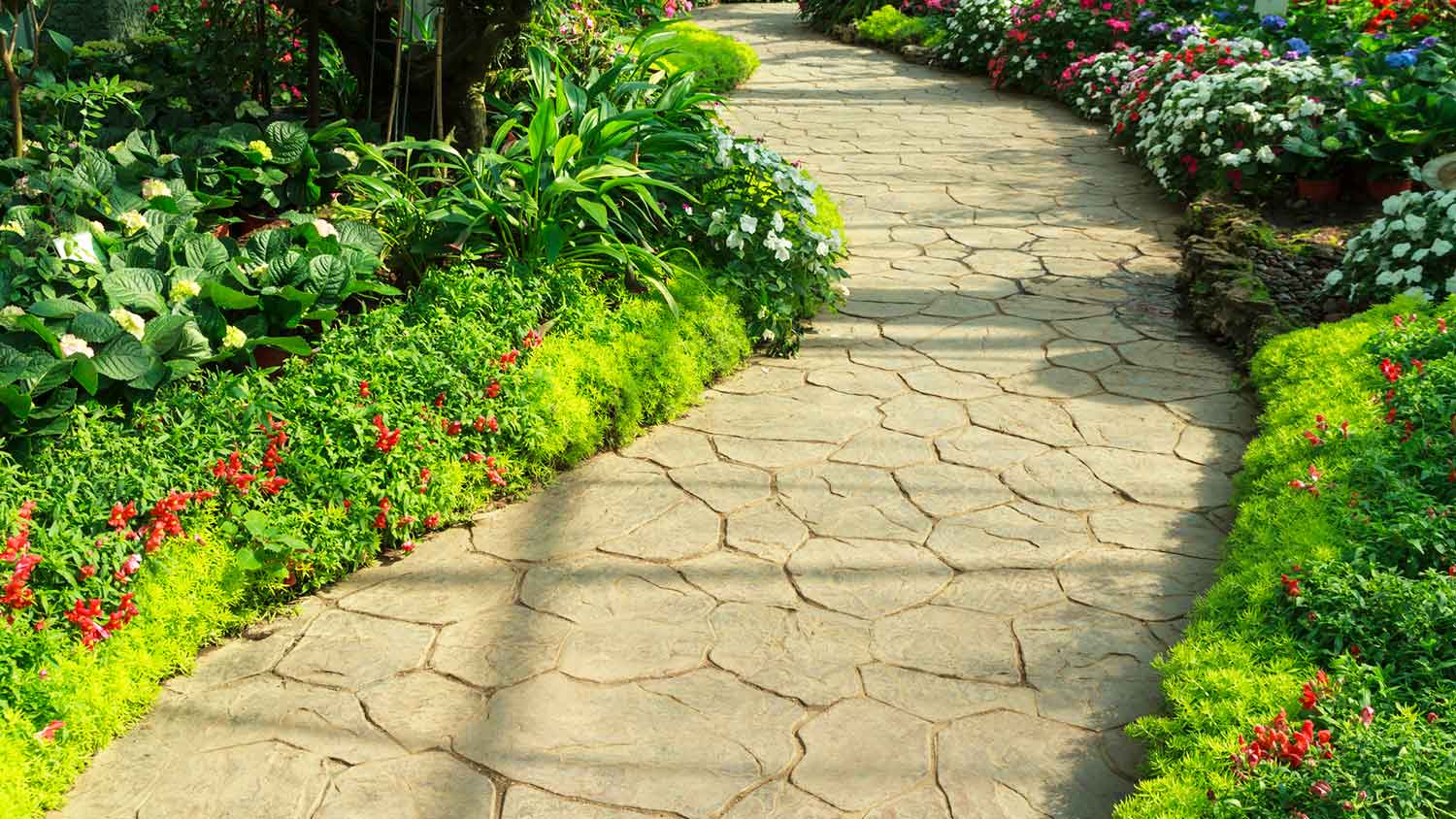
Discover stamped concrete cost. Learn about installation prices, cost factors, and how to save on your stamped concrete project.
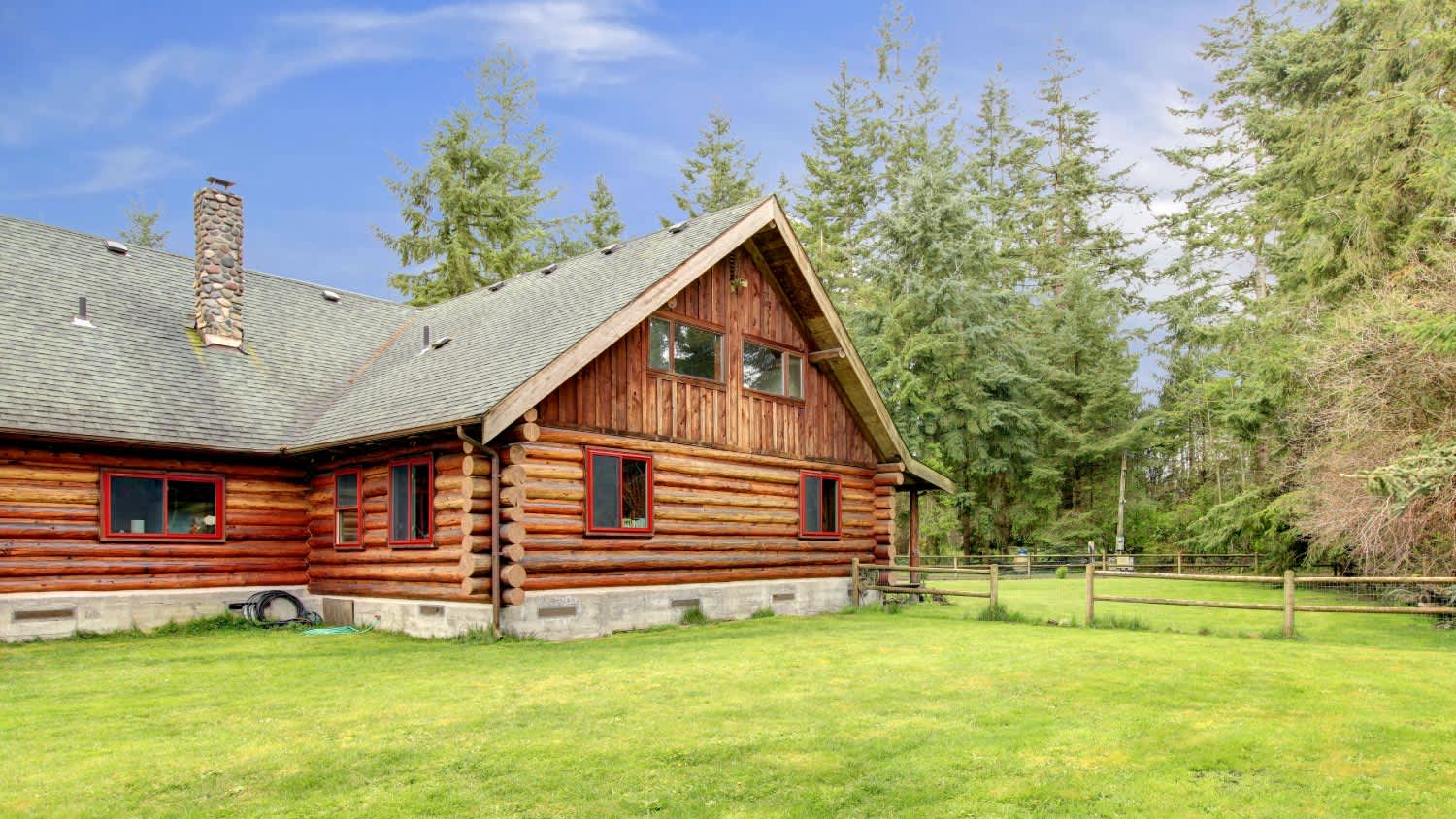
Concrete log siding costs more than traditional wood but requires less maintenance. Learn about pricing and upkeep costs to see if it’s a fit for your home.