
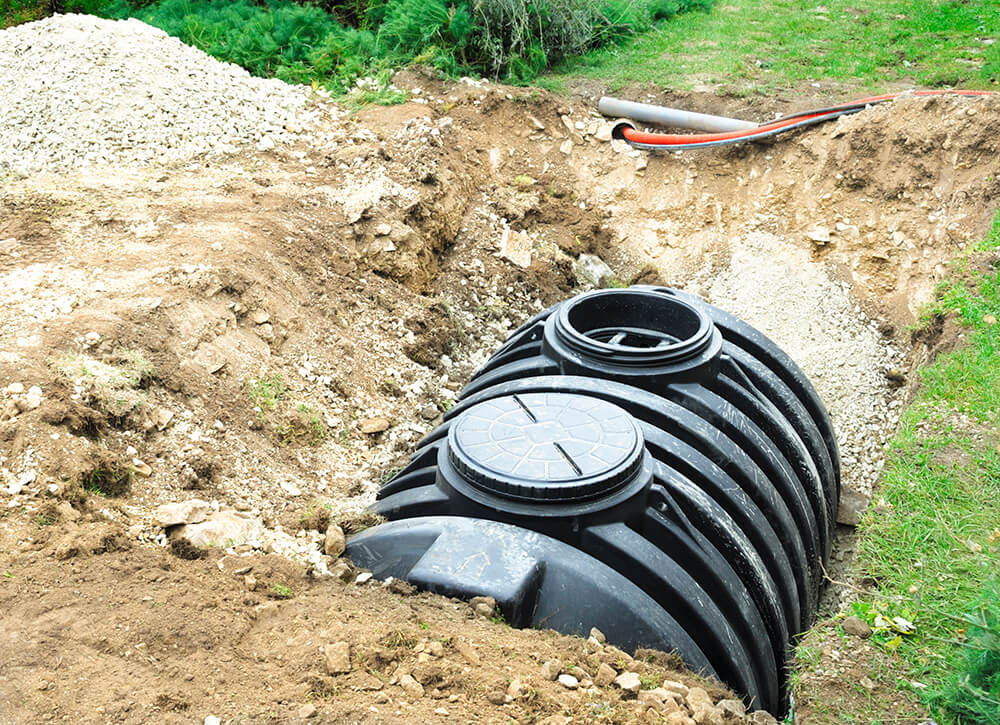
How much does a septic system cost? Explore impacting factors, important add-ons, and how you can save money on septic system installation right here.
Is the mound system a match for your home?

A septic tank mound becomes necessary when your property has shallow bedrock, limited soil depth, or high groundwater that prevents a traditional drain field.
Installation costs range from $10,000 to $20,000, and septic tank pumping runs about $400, so regular maintenance helps you avoid larger expenses.
Your mound system needs pumping every three to five years to remove sludge buildup, and you should avoid flushing anything beyond toilet paper and waste.
Hiring a local septic tank company provides reliable support for pump chamber repairs and outlet pipe clogs, keeping your mound system running smoothly for decades.
A typical septic system is made up of two main components: a septic tank and a drain field. But some landscapes—like those with shallow bedrock or soil depth or high groundwater—aren’t suited for a traditional drain field. In these instances, additional ground material is built up into a mound in order to allow for more filtration and treatment of wastewater before it returns to the aquifer. Thus, a mound septic system is born.
But how exactly does this process work, and is a mound septic system right for your home?

In the septic tank, waste is separated into three layers:
Scum contains lighter solids like grease and fat and floats on top of the water’s surface.
Effluent is the cleanest layer of wastewater, or what’s left over after solid waste separates.
Sludge is composed of the heavier solids (including human waste) that fall to the bottom of the tank.
A mound septic system works mostly the same way as a traditional septic system does: Wastewater from your home first enters a septic tank, where solid waste is separated from liquid waste. From there, the cleanest wastewater, or effluent, enters a pump chamber, which pumps the effluent into the drain field—in this case, a sand- and gravel-filled mound—in controlled doses so that it doesn’t flood the area. As the effluent filters through the gravel and sand that make up the mound, bacteria work to further cleanse it before it returns to the soil and groundwater.
The main difference between a mound septic system and a traditional septic system is that the drain field has been built up into a mound that’s filled with specific types of gravel and sand in order to aid in this process. Again, the mound is usually used because the natural landscape doesn’t offer enough room or the right kind of soil for this treatment process to occur without the addition of the mound.

While a mound septic system can be an effective and low-cost way to treat your wastewater without being connected to a city sewer system, you can’t just set it and forget it. Like other types of septic systems, sand mound septic systems do require maintenance and repairs in order to keep functioning properly.
For starters, your mound septic tank will need to be pumped from time to time in order to get rid of the sludge that builds up on the bottom. Generally, septic tanks must be pumped approximately once every three to five years, although your specific experience will vary depending on how much water you use, how many people live in your home, the size of your tank, and other factors. The cost of a one-time septic tank pump is about $400, or $0.30 per gallon.
Additionally, the components of the mound septic system itself require maintenance and upkeep. The pump in your pump chamber will eventually wear out and need to be replaced, for example, and the outlet pipe that leads from your septic tank to your drain field can become clogged without installing (or replacing) an effluent filter or pump screen.
According to data from Angi customers, most homeowners (32.9%) have a pro clean their septic tank every one to four years. However, 24.5% of homeowners don’t know how often they get their septic tank cleaned. Keep in mind that this data is for general septic tank cleaning—not for one specific system. If you don’t know the last time you got your system cleaned, reach out to a septic company ASAP.
While you can flush normal paper products and waste into your mound septic system, it’s important to avoid flushing other objects, like cigarette butts, feminine hygiene products, paper towels, and diapers. Even with toilet paper, it’s important not to flush too much all at once. Some other maintenance tips include:
Conserving water when possible, to minimize load on the system.
Directing roof runoff and sump pump discharge away from the mound to keep it from getting saturated.
Only putting shallow-rooted grass over the mound and mowing it regularly.
Regularly inspecting for cracks and erosion.
Hiring a local septic pro to repair any damage as soon as possible.
Never parking over the mound or planting trees or shrubs.
Avoid dumping harsh household chemicals over the mound.
Baby wipes and other “flushable” bathroom wipes are often not able to properly break down in your septic system. Avoid flushing any wipes down the toilet, even if they say “flushable.”

Finally, you should plan and protect a replacement area for the mound itself in the event that the working mound needs repairs or an addition to function properly. Septic tanks must be located at least 5 feet away from your home, while the mound will usually be at least 10 or 20 feet away.

While maintaining a mound septic system is relatively low-cost, and the system can last about 20 to 25 years on average when properly maintained, there is a substantial upfront cost to installing a mound septic system.
A mound septic system can cost about $10,000 to $20,000 on average to install and set up, and because the mound requires additional construction, they’re often more expensive than traditional septic systems to get started.
Like any home improvement decision, installing a mound septic system has both benefits and drawbacks to consider. Here are a few of them:
Pros
Provides a way to treat your own wastewater without being connected to a city sewer system, even if you live in an area with a high water table.
Relatively inexpensive to maintain, given its long average lifespan.
Usable in almost any climate.
Cons
You need enough space to construct a mound and also reserve a replacement area.
There can be odors associated with a mound septic system under certain circumstances, though this should be infrequent if the system is maintained properly.
Much more expensive upfront costs.
I recently moved to another state and chose United Trust Van Lines after comparing several companies. Their team was punctual, professional, and extremely careful with my belongings. I was especially impressed with how they handled my home office setup and fragile items. Everything arrived on...
 United Trust Van Lines, LLC
Positive experience. As previously stated, the replacement/repair could not be completed (no fault of the plumbing tech) b/c misinformation was rec?d by property management maintenance. Thanks to the plumbing tech for your efforts. Appreciate you!
 The Waterworks
As usual with ECO, tech Jordan was outstanding, very professional, very knowledgeable, and very thorough with repairs made to tankless water heaters. Very highly recommend ECO!!!
 Eco Plumbers, Electricians, and HVAC Technicians
I would recommend this company to anyone! He showed up on time, was friendly, completed a very difficult repair on our dryer vent cover, was responsive, and pricing was extremely fair and competitive. I would have him back to do any of our repairs or cleanings without hesitation!
 U.S.A. Dryer Vent, LLC
Best cleaning I've had at my property
I'm a repeat customer of All Star Paving & Sealing and I appreciate the service that all start paving has done for me in the past. I just recently had them out for an estimate and things couldn't have gone better. The staff that they send out to do the estimates are very knowledgeable. The...
 All Star Paving and Sealing
Supreme Brick & Chimney is one of the best service providers I’ve interacted with. Extremely efficient, knowledgeable, and thorough. They took the time to walk me through their detailed full-service inspection and were extremely professional. Not to mention their turnaround time was...
 Supreme brick & chimney
They were great! They were thorough and efficient and paid attention to the details. Definitely recommend. I'm definitely going back!
 FIFI'S EARTH FRIENDLY CLEANING
Storms Mobile Welding was great to work with. They were prompt, professional and did an overall excellent job on the project. I highly recommend.
Great experience all together. Dog friendly, courteous, great results and honest with recommendations. Will certainly be using Cardinal in the future for any carpet repairs
 Cardinal Carpet Care & Repair
From average costs to expert advice, get all the answers you need to get your job done.
How much does a septic system cost? Explore impacting factors, important add-ons, and how you can save money on septic system installation right here.

Replacing a drain field requires digging up quite a bit of land and involves a decent amount of testing. Using this guide, you’ll learn how much it costs to replace a drain field based on a few key factors such as size and type of septic system.

There are different types of septic systems. The right one for you depends on its size and construction as well as your household waste needs.
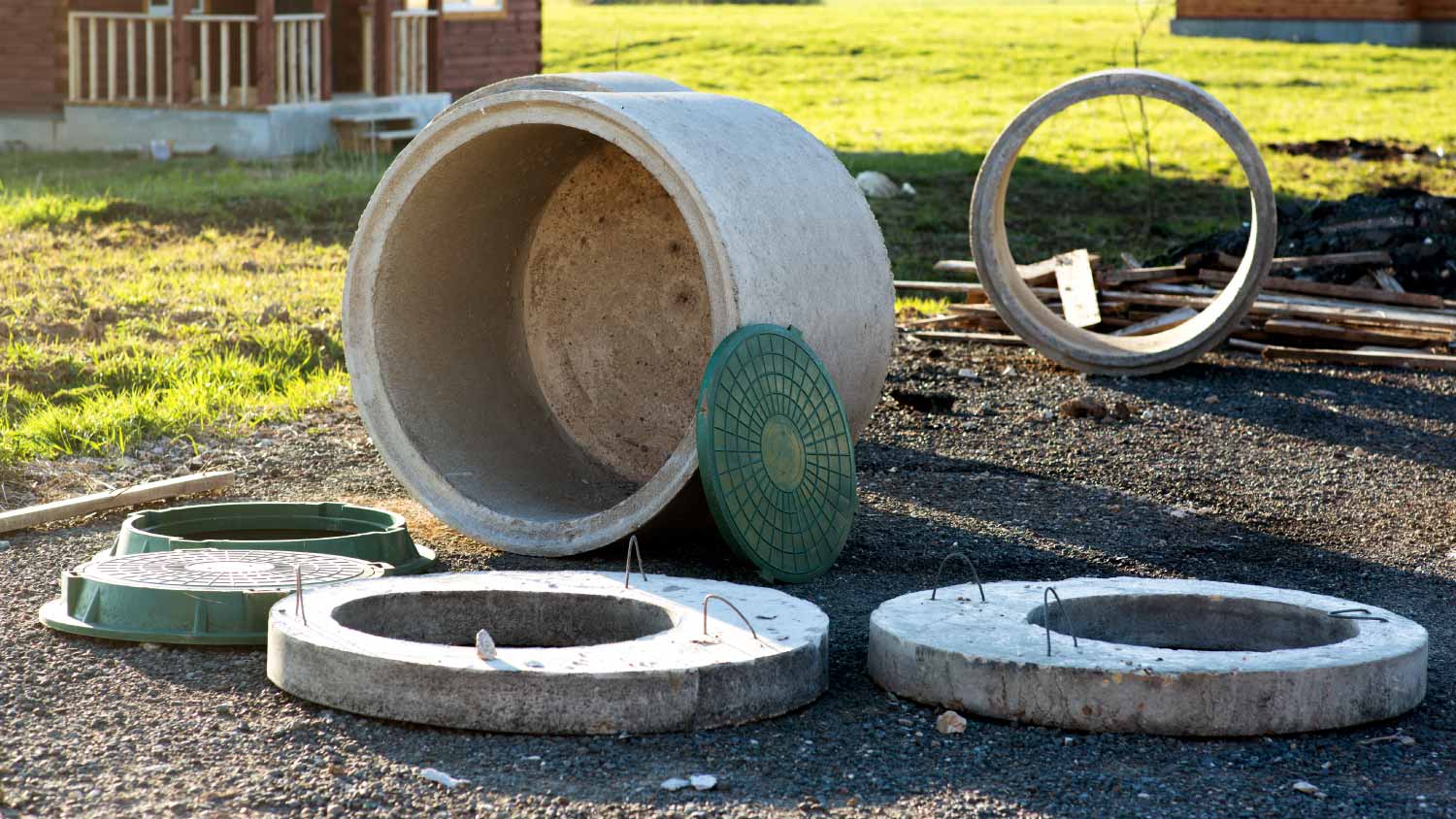
Some properties require an above-ground septic tank due to soil conditions or location. Learn all about above-ground septic tanks, pros, cons, and costs.

From clay soils to small lots, chamber septic systems work best for certain property types. Find out if a chamber septic system is right for your home.

Your lot might require an alternative septic system based on location and soil conditions. Learn all about alternative septic systems and their costs.