

•
Get expert insights on radiant heating repair cost, including average prices, cost factors, and ways to save. Learn what impacts your radiant heating repair bill.
Flooring costs depend on your project and location. Check with a local pro for your specific job.

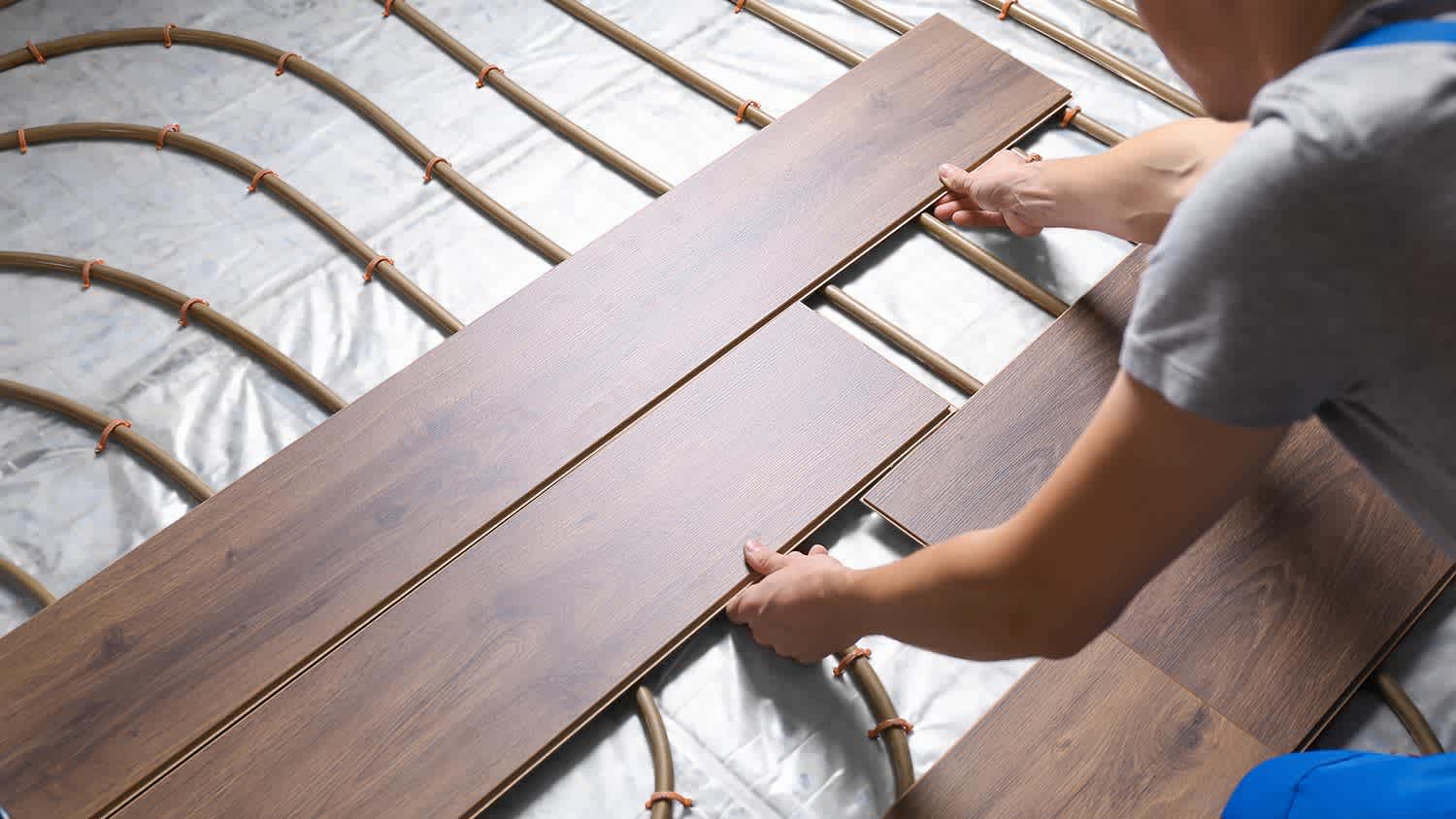
Radiant floor heating costs $1,653 to $6,656 for your heated floor system, with your total depending on system type and installation area.
Your flooring material affects installation complexity, with tile and concrete conducting heat well while laminate and hardwood provide more insulation.
You should budget for site prep, debris disposal, and permits, which can add $150 to $600 to your project.
Hiring a local plumbing professional ensures correct installation and helps prevent leaks that damage your floors.
In 2026, the national average cost for a heated floor system is $4,128. Most homeowners spend between $1,653 and $6,656, with the spread driven by the type of radiant system, the flooring material, and labor costs.

A radiant floor heating system typically costs between $1,653 to $6,656, with your final price shaped by several key variables. The size of your surface area, the type of flooring you have, and the type of radiant heating system you choose are the biggest cost drivers to evaluate as you build your budget.
Heated floor systems cost between $6 to $20 per square foot, which means heating an entire 2,300-square-foot home runs $13,800 to $48,000. Most homeowners choose to heat only a few key areas, such as the bathroom, kitchen, and primary bedrooms, to keep costs manageable.
The type of radiant heating system you select is the single biggest driver of your total project cost, with options ranging from budget-friendly propane systems to premium hydronic setups. Here is a breakdown of how costs vary by system type.
For electric radiant heating materials, a good rule of thumb is $10 to $15 per square foot. Add $5 to $10 per square foot for installation.

| Radiant Floor Type | Average Cost in 2026 |
|---|---|
| Electric | $19,000–$36,000 |
| Hydronic | $19,000–$48,000 |
| Geothermal in-floor | $9,500–$27,000 |
| Solar | $8,000–$19,500 |
| Propane underfloor | $2,400–$2,900 |
Electric radiant floor heat: An electric radiant floor has strips of electrical matting set in mortar and will cost around $19,000 to $36,000 to install.
Hydronic radiant floor heating: These energy-efficient systems pump water heated by a water heater or boiler through pipes installed in the floor. They cost between $19,000 to $48,000 for a whole-home system.
Geothermal in-floor heating: Geothermal systems use thermal energy and heat pumps to circulate hot water through pipes. These eco-friendly systems cost about $9,500 to $27,000 to install.
Solar radiant heating: Solar radiant systems utilize solar panels to store energy, which is then used to heat a fluid piped and circulated beneath the flooring. They cost between $8,000 to $19,500.
Propane underfloor: This affordable option, which costs around $2,400 to $2,900, uses propane to heat water that's pumped through under-floor pipes.
Your flooring material significantly affects the per-square-foot cost of a heated floor system, with prices ranging from $15 to $60 per square foot depending on what you have. Tile is one of the most popular choices, averaging $20 to $40 per square foot, while laminate and hardwood both run $15 to $20 per square foot.
Radiant ceiling panels cost between $50 and $60 per square foot on average. Lower voltage and lower wattage panels are the most budget-friendly options, while higher voltage and wattage panels fall higher on the price range. Costs vary by flooring type and installation complexity, as the table below shows.
| Type of Flooring | Average Cost (Per Square Foot) in 2026 |
|---|---|
| Tile | $30 |
| Concrete | $22.50 |
| Laminate | $17.50 |
| Hardwood | $17.50 |
| Ceiling panels | $55 |
Whether you decide to seal grout or install a water-resistant vinyl, waterproofing your flooring is crucial, especially in rooms like bathrooms or the kitchen. A flooring pro can recommend the best materials for specific areas, install new flooring, and ensure it will stand up to water.

Beyond the core system and installation costs, your final budget will depend on your home's condition and the specific system you choose, with expenses ranging from professional labor to site prep and debris removal.
Labor for a heated floor installation runs $550 to $2,500 and typically requires a team of specialists working together. A local plumber charges $45 to $200 per hour to install pipes or a new boiler, floor contractors average $100 to $150 per hour, and hiring an electrician near you costs $50 to $100 per hour to connect the system to your thermostat. Keep in mind that every 1,000 square feet you plan to heat adds roughly 12 hours of labor to the project.
Plumbers: If you're installing a new boiler or water heater, you'll need a plumber. Hiring a local plumber to install the pipes for the heated flooring costs anywhere from $45 to $200 per hour.
Floor installers: The average rate for floor contractors is between $100 and $150 per hour.
Electricians: Hiring an electrician near you costs around $50 to $100 per hour. You might need an electrician to connect your new radiant floor heating system to the thermostat.
Keep in mind that every 1,000 square feet you plan on heating is roughly 12 hours of labor.
Site prep is a necessary part of every heated floor installation, and hiring a flooring installer to remove your existing floors costs $60 to $120 per hour. You can reduce this expense by handling the removal yourself, though doing so requires a significant investment of time and physical effort.
Debris disposal is a real line item whether you are hauling out old flooring or clearing excavation waste from a geothermal installation, costing $100 to $600 per truckload. If you prefer renting a dumpster near you, budget an additional $300 to $600 per week.
Where in your home you install radiant heating has a direct impact on cost, with accessible areas like the garage or ground floor running significantly less than harder-to-reach spaces. Ceiling panels can cost three to five times more than other installation types, and a basement installation runs $3,100 to $13,200 more than the same concrete garage floor.
In addition to the underfloor heating system materials and installation costs, other expenses you should consider before moving forward with radiant heated floors include:
New water heater, heat pump, or boiler installation: A hydronic radiant flooring heating system requires a water heater, heat pump, or boiler. If your current setup doesn’t meet the new system’s needs, you’ll need to replace it.
Radiant cooling: If you live in a hot climate, you can install a radiant cooling system along with radiant heat. These cool floors and ceilings by absorbing heat radiating throughout the room or circulating cooled water through pipes.
Thermostat and temperature zones: Location-specific thermostats divide your flooring into temperature zones that operate independently, helping save energy. However, they come with an added upfront cost.
Operating costs: You should factor in the energy cost of using your system as you would with any upgrade to your home’s heating and cooling.
Maintenance costs: Ongoing maintenance will keep your system running well. You’ll need to inspect and clean the electrical components of your system annually. You should also conduct boiler or water heater inspections, system flushing, and water-quality monitoring on hydronic systems.
Radiant floor heating systems are popular because the pros often outweigh the cons, but they fit some homes and lifestyles better than others.
| Pros | Cons |
|---|---|
| Low operating cost | Expensive to install |
| Energy efficient | Almost impossible to install under existing flooring |
| Uniform heating in rooms and homes | Raises floor height |
| Low maintenance | Requires professional installation |
There’s so much to love about radiant floor heating. These are some of the best perks.
Energy efficient: Radiant floor heating is one of the most energy-efficient ways to heat a home. In fact, they can be up to 25% more efficient than traditional forced-air heating systems.
Uniform heating: Radiant floors naturally distribute heat throughout the installation area, evenly heating all areas of the room, unlike forced air or baseboard heat that’s hotter at the source or next to the heater.
Low operating cost: Heated floors can cost as little as $1 a day to power.
Installation options: Radiant heating can be installed on floors, ceilings, and walls, making it flexible and adaptable to a variety of homes, businesses, and buildings.
Multiple options for heating sources: While electric and hydronic are the most common, radiant flooring is compatible with multiple other sources of heat, including geothermal and solar.
Zone heating: You can designate rooms and areas of your home as zones, each connected to its own thermostat. Zones can be separated by different types of flooring, flooring transition strips, or have no visible separation at all.
Low maintenance: Electric-powered radiant heat systems only require maintenance cleaning. Hydronic systems require water line flushing and water testing, but it’s still minimal compared to other types of heaters.
Quiet: Radiant heating is nearly silent since it doesn’t rely on a furnace or airflow to heat rooms.
Last longer than other heat sources: Radiant floors can last 25 years or longer as long as the flooring on top of them is in good shape. On the other hand, HVAC units usually last between 10 and 20 years.
Doesn’t require ductwork: Forced-air systems can require all-new ducting, even if you’re replacing an existing system. Radiant heating systems don’t use air ducts, so there’s no chance of leaking ducts or wasted hot air.
Better for people with allergies and asthma: According to the U.S. Department of Energy, radiant floor heating doesn’t distribute allergens like forced air systems do.
For all the good, there are a few things that can be considered cons when looking at radiant flooring.
Expensive to buy and install: Initial costs to purchase and install can be higher for radiant heating than for other types of heating systems. This is particularly true for hydronic systems, which usually require a boiler, pump, and gas lines.
Hard and expensive to install in rooms that already have flooring: It’s almost impossible to install radiant heating in areas that already have floors. You’ll need to pay to tear up existing flooring, place the heating system, and then install new flooring on top.
Change the floor height: Radiant heating will raise the height of floors by about 1 inch since they sit between the flooring and subflooring. This can be a problem if swinging doors don’t clear the flooring or in rooms with cabinets and other items already in place.
Not usually a DIY task: Most radiant flooring requires professional installation.
Although you can save $4 to $9 per square foot by installing your radiant flooring yourself, it makes more sense to hire a local flooring contractor. This is a complex job that requires experience and additional professionals, such as plumbers and electricians, to get it done correctly.
Consider the advantages of hiring a flooring pro for your radiant floor heating installation:
Pros can advise you on the best type of radiant floor heating for your needs and budget.
Your flooring pro will coordinate with specialized pros to get the job done, from plumbers to electricians.
If you’re installing the radiant flooring in an existing home, your pro will take care of the challenging task of removing and disposing of the original floor.
A flooring contractor will be familiar with local codes and can obtain permits.
The installation requires precision, and minor DIY mistakes can cause serious issues with your new floor.
Some pros offer materials and workmanship warranties.
Your flooring specialist will bring a team of workers to your home to get the job done in a timely manner, whereas a DIY job could take much longer.
You’ll need to hand off the main part of your radiant floor heating installation to your pro, but if you want to DIY, here are some parts of the project you can consider handling yourself:
Check the local building codes to find out if you’re allowed to DIY parts of your radiant flooring installation.
Removing some floors is doable for DIYers (such as laminate and hardwood), whereas others (like tile or concrete) require an experienced contractor and heavy-duty tools like sledgehammers.
If you’re up to doing heavy labor, you can rent a dumpster to dispose of the old flooring or haul it to your local dump.

Heated floors can add value to your home. However, location and market conditions affect how much value. They tend to add more value in colder climates where the energy efficiency creates more savings.
Consider that you don’t necessarily need to install them throughout the whole house to add value. Bathrooms and kitchens are popular areas to add heated floors. If you’re already renovating one or both of these areas, adding radiant heat can fit nicely into the project, reduce energy use, and create warm comfortable rooms.
With such high upfront costs, finding ways to save on the cost of your heater floors might be on the top of your priority list. Try out the following tips to save money:
Heat the most important areas of your home to avoid paying for more square footage.
Choose a more affordable heater floor system, like propane.
Do as much site prep yourself as possible to avoid paying extra to hire a professional for tasks you can do yourself. However, discuss this with your contractor so you don’t inadvertently create more work for them.
If you have experience installing heater floors, you can save by DIYing it. Just be certain you have the qualifications, expertise, and licensing to meet all electrical code requirements and do the work safely.
Check federal tax credit requirements through the Inflation Reduction Act to potentially receive 30% off a geothermal heat pump system.
See if you’re eligible for 22% savings via federal solar tax credits via Energy Star.
Check if your local or state government offers rebates for solar or geothermal systems.
Let your flooring pro know where you’d like to install radiant flooring, whether it’s in a single room, a few rooms, or the entire house.
Discuss the type of radiant floor heating you’re planning to install, such as electric, hydronic, propane, and more.
Have an idea of the type of flooring you’d like, with popular options including tile, concrete, and hardwood.
Let your pro know if you’d like add-ons like radiant cooling and temperature zones.
Home is the most important place on earth, which is why Angi has helped more than 150 million homeowners transform their houses into homes they adore. To help homeowners with their next project, Angi provides readers with the most accurate cost data and upholds strict editorial standards. We extensively research project costs to develop the pricing data you see, so you can make the best decisions for you and your home. We rely on reputable sources, including the U.S. Bureau of Labor Statistics, academic journals, market studies, and interviews with industry experts—all to ensure our prices reflect real-world projects.
Want to help us improve our cost data? Send us a recent project quote to [email protected]. Quotes and personal information will not be shared publicly.
If you’re good people wanting to do business with good people, hire Matt. He is a consummate professional and utterly competent. He installed a water heater in my home at a price that beat competitors by hundreds of dollars with a promise to support the unit for its life (even after its 6 yr...
 Greene's Plumbing Services
Joseph did a great job with the staircase and trim. Timely and efficient, clear communication about the work, very fair pricing. For the stairs in particular, done very skillfully in an old house (1893) in a tight spiral, and very creative with how to do the handrail. Did a nice job with...
 Vouis Trim Carpentry L.L.C.
This company does it right. Firstly, I want to say that Landan was a joy to work with. He was so kind, transparent, and had everything under control. His entire team showed up ready to work and they were all very respectful of the fact that we were in an office space. A little backstory – we...
 Krumlauf Floors
Finished Basements Plus was wonderful from beginning to end! First, they came out quickly for an estimate. I had 4 estimates and theirs was by far the best. (2 of the estimates were more than $20K higher than for the exact same work). Beyond their fair pricing, the work was excellent. They...
 Finished Basements Plus Inc.
Very professional, knowledgeable and helpful! Completed the install on time and as expected.
 Ward's Services
Cole has been handling plumbing and general contracting for our four properties over the past three years, and he’s always done a great job. Most recently, he installed a sink and countertop in our retail store where none existed before, and it turned out exactly how we needed. He’s...
 ANB Renovations LLC
Excellent, Prompt, Courteous Service!!! They were super friendly and quite personable. I felt very comfortable with the gentlemen that did the installation. They installed it exactly where I asked them to and they did an excellent job!! I loved their service so much.
 Tether House
Window Depot did an amazing job installing the windows in my basement! The process from start to finish was by far more than what I expected. I would highly recommend Window Depot if you want professionalism from the the consultation to the installation. Dont settle for mediocre when you can...
 Window Depot USA of Central Ohio
AFS was excellent from start to finish. Jess, the sales associate, was fantastic...very knowledgeable and very professional. The installation crew was excellent. I couldn't be more pleased with the process. Best of all, my new floor looks fantastic!
 America's Floor Source
We were having 2”x 2” tile installed . There was a small installation error and the new additional replacement tile was from a different lot and the colors didn’t match. Joe assured us that he would rectify everything , which he did without hesitation. We decided to go with the 18” x 36” tile...
 CarifaTile
From average costs to expert advice, get all the answers you need to get your job done.
Get expert insights on radiant heating repair cost, including average prices, cost factors, and ways to save. Learn what impacts your radiant heating repair bill.
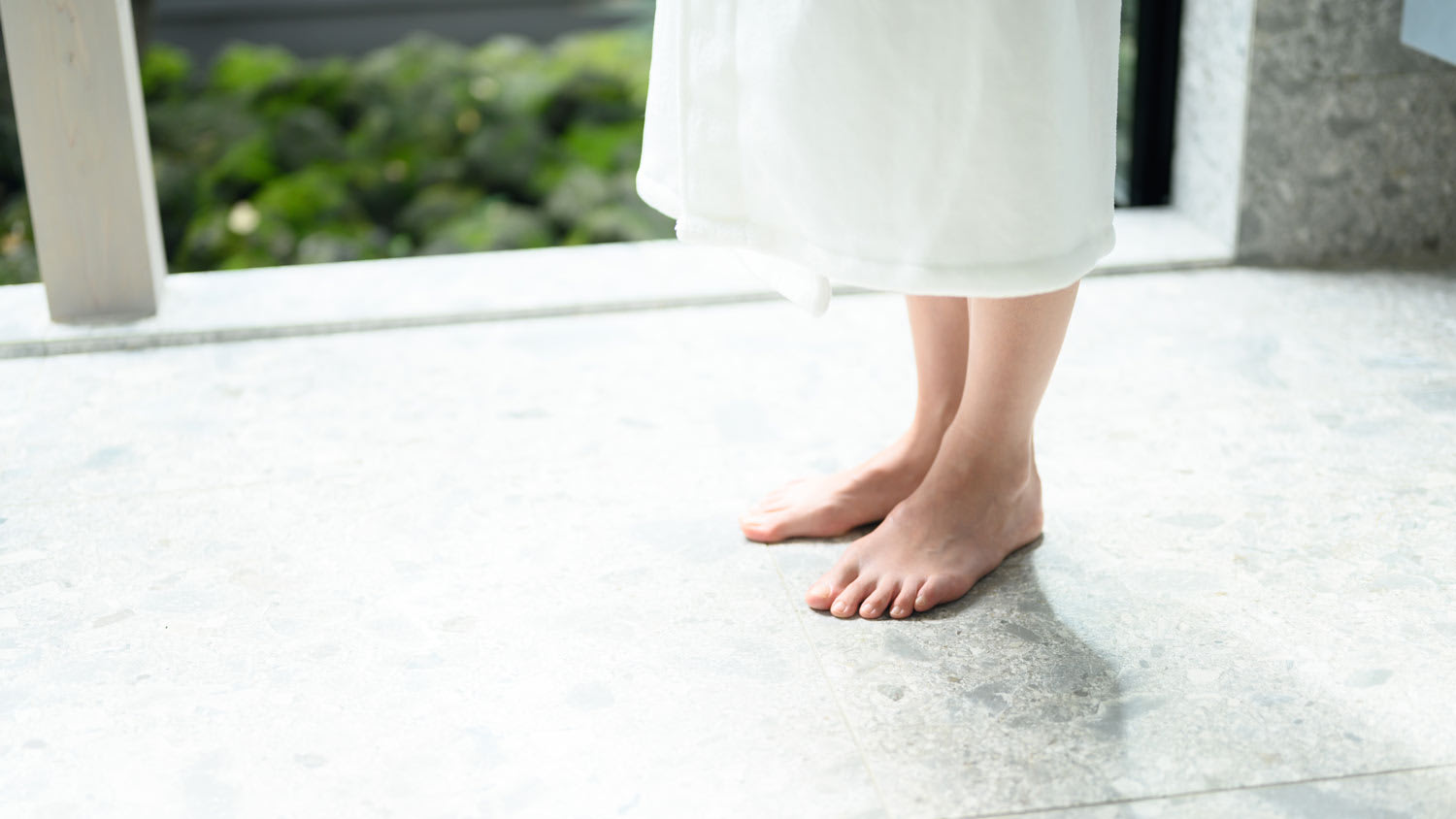
Discover the cost to install a heated bathroom floor. Learn about installation prices, cost factors, and tips to save on your heated bathroom floor project.
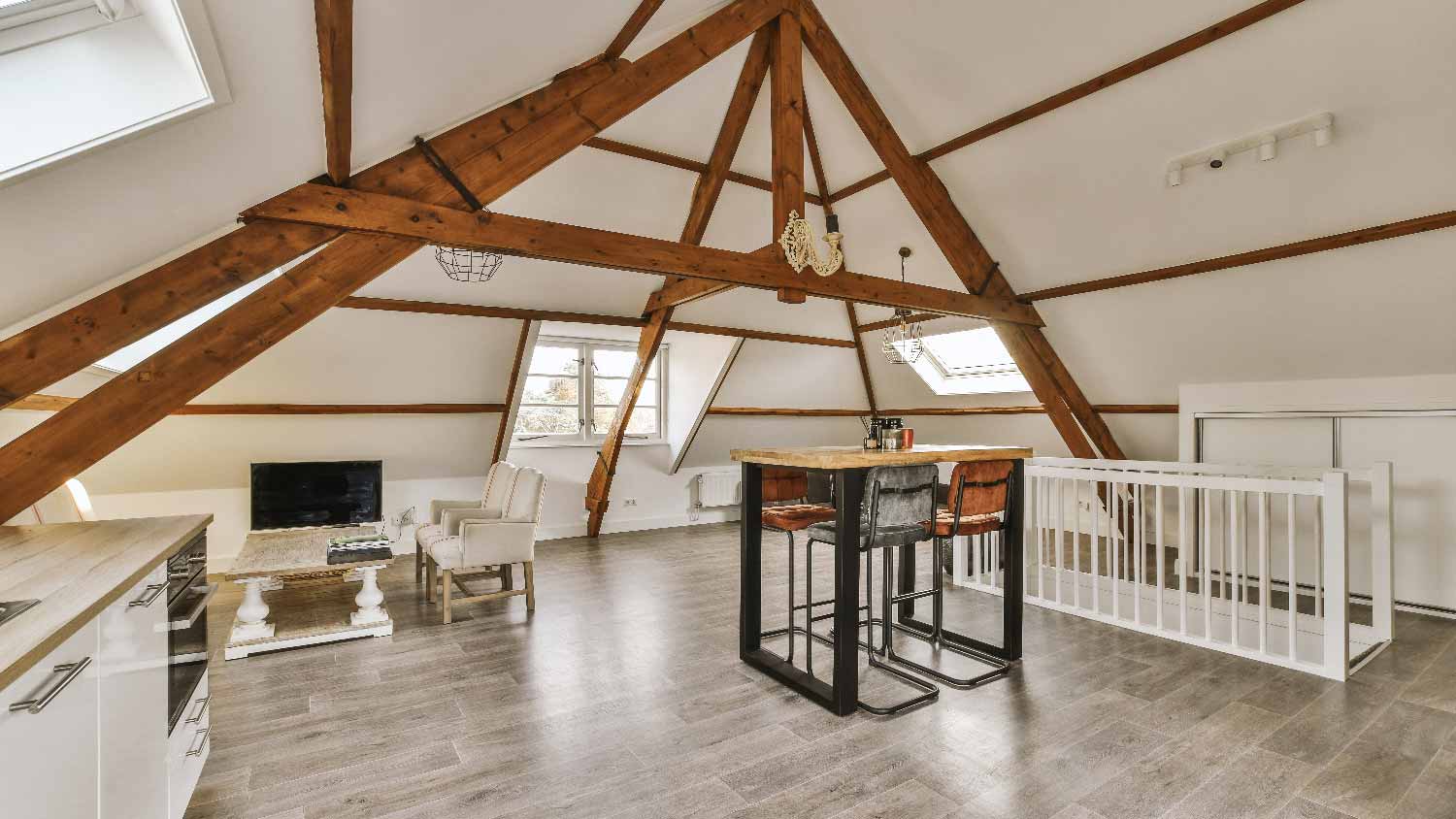
How much does a radiant barrier cost? Our guide breaks down prices by type of barrier and size of your attic space.

Radiant floor heating eliminates many of the problems of blown air systems. From reduced allergens to more even temperatures throughout your house, there's a lot to like about electric and hydronic subfloor heating systems. Learn all about floor heating.

Find out how to hire a qualified radiant floor heating installer. Learn about costs, credentials, and questions to ask for a warm, efficient home.

This guide goes over the pros and cons of radiant floor heating, an energy-efficient alternative to traditional radiators and forced air heating systems.