

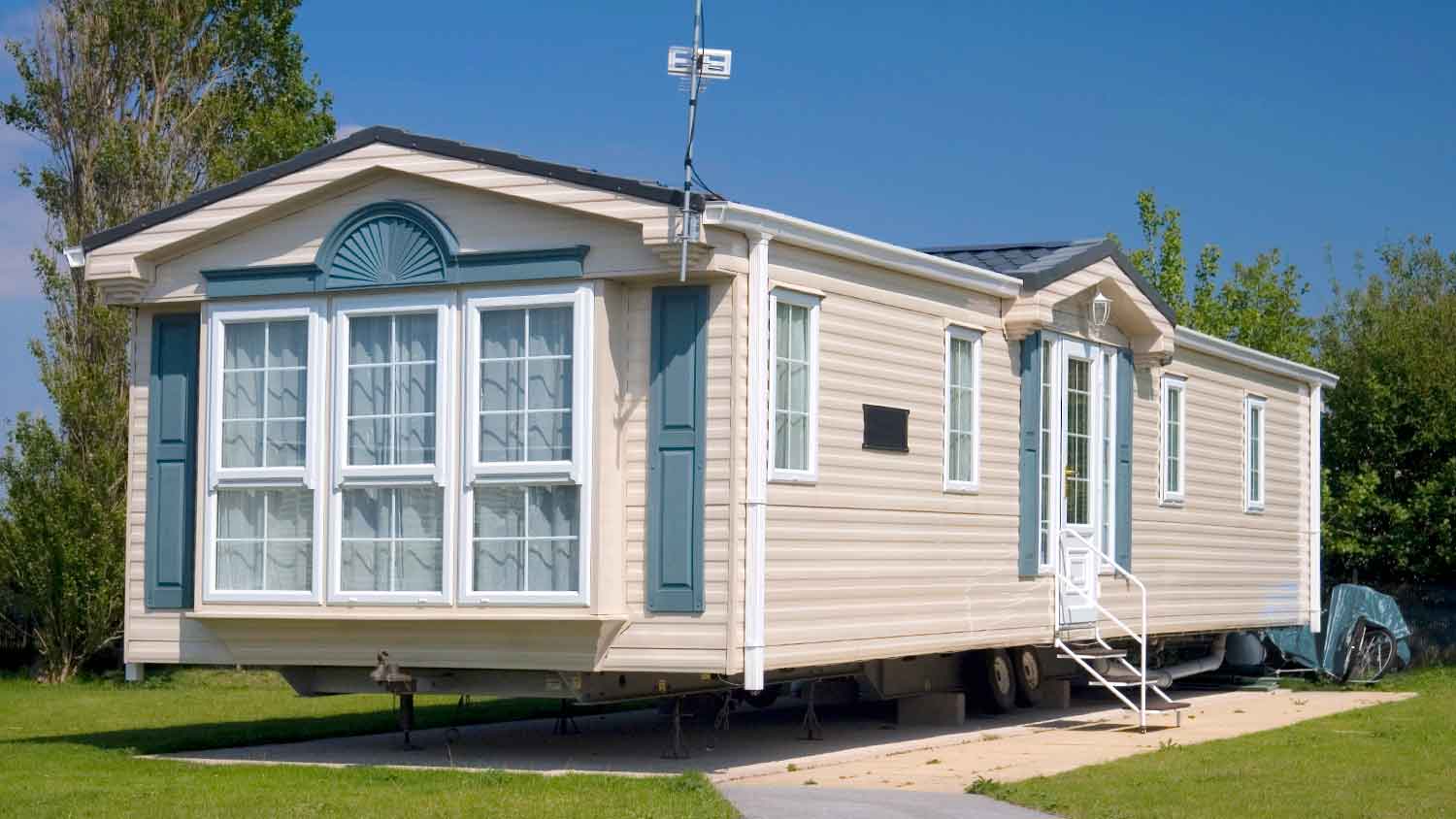
The cost to re-level your mobile home depends on your home’s location, size, and whether it needs extra support. Read more about the cost of leveling your mobile home.
Moving costs depend on your project and location. Check with a local pro for your specific job.

Moving a mobile home costs between $5,000 and $20,000 depending on how far you're moving and the size of your home.
Your mobile home's age and weight affect moving costs since older homes need extra reinforcement and heavier homes require specialized equipment.
Account for setup fees ranging from $3,000 to $4,000 and site preparation costs that can reach $30,000 when you create your budget.
Hiring a local moving company ensures your mobile home is transported safely and complies with all local codes and regulations.
Once your home is moved, don’t forget to budget for set-up fees like utilities. The average cost to move a mobile home is $9,000, with prices ranging between $5,000 and $20,000.
Despite its name, moving a mobile home isn’t as simple as attaching the home to a vehicle and driving off to your new location. Long-distance moves may even exceed $25,000 if the move is across multiple states. The moving costs can vary depending on how far you’re moving or how much of the move you’re planning to do yourself. Learn more about the cost of moving a mobile home and what factors impact the total price to prepare you for your move.
The cost to move a mobile home (also called a manufactured home) depends on various factors. Some of these factors are negotiable and some are unavoidable.
The distance you are moving a mobile home is one of the most significant factors in cost. Many professional movers will only charge a flat rate if only moving the mobile home a mile or two, especially with easily accessed roadways. Local moves that cross very short distances allow the option of doing a lot of the moving work yourself, which can greatly reduce prices.
Long-distance moves require movers to start charging by the mile and adding more fees for the extra work they have to do. Very long-distance moves that take more than a day or cross state lines can become much more expensive. These trips tend to include extra fees for the movers, who may need overnight accommodations and other costs that quickly raise prices to the highest levels.
Here’s a breakdown of mobile home moving costs by distance:
| Type of Move | Low Cost | High Cost |
|---|---|---|
| Very short distance mobile home move: | $1,000 | $5,000 |
| Short-distance mobile home move: | $5,000 | $9,000 |
| Long-distance mobile home move: | $6,500 | $15,000 |
| Mobile home move over 100 miles: | $20,000 | $25,000 |

The size and type of mobile home also impacts the cost of the move. Single-wide mobile homes usually cost less to move than double-wide or triple-wide manufactured homes. If the mobile home is too wide and takes up more than one traffic lane, you may have to pay for an escort vehicle to help move the structure safely, similar to moving a whole house.
Here’s a breakdown of moving costs for single-wide, double-wide, and triple-wide mobile homes:
| Type of Mobile Home | Low Cost | High Cost |
|---|---|---|
| Single-wide: | $4,000 | $8,000 |
| Double-wide: | $8,000 | $15,000 |
| Triple wide: | $12,000 | $25,000+ |
Older mobile homes often experience wear and tear, even if they’re well-maintained. That can make it more difficult to move and more susceptible to damage during preparation and moving. An old mobile home will have a weaker structure and can become so embedded in its current location that moving presents additional difficulties.
Professional movers can carefully reinforce and maneuver older mobile homes onto a moving truck, but that process takes extra materials, time, and labor, which costs more. Since damage is more likely for older mobile homes, the risk of post-move repair expenses increases.
In other cases, movers may refuse to move a mobile home on legal grounds: A mobile home built before 1976 fails to meet Department of Housing and Urban Development (HUD) standards for moving the building and shouldn’t be moved, even a short distance.
The mobile home’s weight is another factor that affects the moving price. If your mobile home is 800 square feet, it could weigh up to 40,000 pounds. The heavier the mobile home, the more equipment (and money) is needed to move it safely. Weight determines which permits are needed, if escort vehicles are needed, and which roads can support the mobile home’s total weight.
The moving company you hire will evaluate the terrain at your home's current location, the route it needs to travel, and its final destination to provide an accurate quote. Remote or hard-to-reach sites, routes that are difficult to navigate, or those that require special equipment for safe transportation come with increased costs. On the other hand, short distances, easily navigable roadways, and flat terrain will be significantly less expensive.
Professional movers often require homeowners to purchase liability coverage for the move. Be sure to review and understand the terms of the moving insurance policy before signing. You should also check with your mobile home insurance provider to see if the mobile home is covered during the move in case of any damage.
Local and state governments may require moving permits if your mobile home travels within the territory. You may also need a permit to install your mobile home in a new city. Some states require inspections to ensure mobile homes are up to code. A reputable moving company will know what kind of permits or inspections are needed for your move and can help you get the proper documentation before your move.
Choosing the best moving company has a huge impact on the cost of moving a mobile home and is one of the few things you can shop around for to lower your costs. Prices vary from company to company. Some companies may charge the move differently, such as by weight and distance or by how long the move will take. It’s important to compare multiple quotes to see which pricing structure will work best for your situation.
Most moving companies offer two types of moves for mobile homes: transport-only or a full-service move. A transport-only move includes attaching the move-ready mobile home to a vehicle, moving it to a new location, and removing it from the vehicle. It also includes any needed permits and liability insurance. Transport-only moves are less expensive and range from $1,000 to $3,500 for a 60-mile move.
A full-service move handles more aspects of your home, such as disconnecting utilities, skirting, and any attached structures, and then reconnecting them at the new location. However, this is a more expensive option and ranges from $4,000 to $25,000 or more for a move up to 60 miles.
Not all mobile home foundations are the same, and moving company prices may vary depending on your type of foundation and the type of new foundation. For example, a slab foundation may be less expensive than securing the home to a block foundation.
Your mobile home's new location may require some preparation to adhere to local building codes. If you're paying for a full-service move that includes site prep, each task will increase costs. Some potential costs include:
The cost to clear the land of trees and vegetation: $1,400–$6,220
The cost to level the ground: $1,030–$3,340
The cost to lay new foundation: $4,040–$14,850
The cost to install mobile home skirting and vapor barriers: $1,500–$5,000
The cost to hook up utilities such as electrical, plumbing, heat, and gas and have them tested: $6,500–$30,000
The cost to dig a trench for service wiring: $400–$1,200
The cost to install stairs and anchor them at all egress doors: $600–$5,000
In addition to transportation charges, many professional movers charge a flat fee for taking down and setting up the mobile home at its new location. Some of these services include reconnecting utilities, removing and reinstalling a deck or skirting, and securing the home to the foundation. Setup fees can run from $3,000 to $4,000, but prices can vary depending on the moving company or if a homeowner needs to hire a professional to reconnect the utilities.
You will need to disconnect utilities like electricity, gas, plumbing, and internet and reconnect them at the new location. While disconnecting utilities usually doesn’t cost anything, your movers may charge you to hire a plumber or other subcontractors to reconnect them.
Escort or pilot vehicles help keep other cars away from the moving truck and guide it along the safest, broadest roads. These escorts cost between $1.50 and $3.50 per mile. Sometimes only one pilot vehicle is needed, while other times the mover will use multiple escort vehicles to stay safe. For very long-distance moves, the move may require additional permits and police escorts, which increases your total bill and requires more logistics.
Many mobile homes need some repairs, such as fixing flat tires or replacing a hitch, before they are considered “move ready.” Moving companies will make these repairs, but homeowners will be charged for these services. Here are a few common items manufactured homeowners might repair or replace before a move:
Tires: $50 per tire
Axle: $100–$200
Hitch: $200–$300
Movers can also offer additional services during your move to help you with the process, but those service costs can add up. If you have additional structures to move, such as a shed or a deck, those will be added on as extra charges. Here are estimates of common add-ons movers charge homeowners:
Moving a portable building (shed or garage): $340–$600
Packing belongings: $220–$2,220
Moving belongings: $1,300–$2,500
When planning a mobile home move, check the ongoing expenses for the new lot. Your next destination may have different or additional fees, so you’ll want to budget accordingly. Compare ongoing costs such as:
Lot rent: Rent includes basic services and trash removal, with costs between $300 and $500 per month, but prices vary greatly based on location.
Insurance: Insurance fees often change based on the location of the mobile home, so you’ll need to update insurance and expect some changes. Mobile home insurance costs between $300 and $1,000.
New taxes: Taxes may change based on location and between states. Property taxes are based on a percentage of the property value (usually under 1%), and states consider mobile homes as “real property” for this purpose even if they are also personal property.
A modular home is made of pieces built in a factory and designed for swift assembly. It is designed to stay in one spot with a permanent foundation and permanent utility hookups like a traditional residential house.
The Department of Housing and Development (HUD) uses the term "manufactured home" for mobile homes built after June 15, 1976. These homes are assembled in a factory and transported in one piece rather than in sections. Because of their increased transportation needs, modular homes are much more expensive to move than mobile or manufactured homes.
Moving a manufactured home costs as little as $1,000, but may exceed $25,000 depending on the move distance and size of the home. Modular home moving costs at least $5,000 and more commonly costs $15,000 or more. The cost to move an entire house is between $15,000 and $200,000, or $12 and $16 per square foot.
Moving can be expensive. The good news is there are a few ways homeowners can cut down on costs while moving their mobile home:
Organize, pack, and move your belongings yourself: Packing and moving your belongings on your own can save thousands of dollars. Try to pack and move as much as you can yourself and have the movers handle heavy or complicated items, such as a piano or major appliances. Additionally, going through your belongings prior to packing and getting rid of unnecessary items may help speed along the packing process.
Get multiple quotes: Get quotes from at least three mobile home moving companies in your area to find the best price. The pricing structure may vary from company to company, so it’s important to ask what services are included in the quote. Additionally, don’t be afraid to ask for references from each company to see if past customers had success with them.
Complete pre-move repairs yourself: If your mobile home needs a few repairs before moving, consider making those improvements yourself. Remove window unit air conditioners, and make sure tires, axles, and the hitch are in move-ready condition.
Move during the off-season: Movers will often charge more for moves during the summer or on weekends because the demand is much higher. Whereas a winter move usually costs less. Work with your moving company and be flexible to find a time that is less in demand and as a result, will be less expensive.
Decide which items you want to pack yourself and which ones you'd prefer your movers to pack.
While you may want to try moving yourself to save money, it’s illegal to move a mobile home by yourself. A moving company ensures the home is safely transported and complies with local regulations.
Trust local moving companies to handle your mobile home move, and you can rest assured that everything is done safely and in compliance with local laws.
Moving a mobile home isn’t something you can do on your own. Here’s why it’s best to hire a local moving company:
Professionals know how to safely transport your mobile home while preventing structural damage, foundation issues, and settling problems.
Hiring a pro ensures your move complies with local codes and transport regulations.
DIY moves can lead to costly damage, frame warping, plumbing breaks, and electrical issues.
Movers know how to safely handle utility disconnections and reconnections, as well as site preparation.
Experienced movers can complete the move efficiently and minimize the risk to your home and property.
Be ready to discuss the size, weight, and type of your mobile home with a pro.
Provide your pro with the beginning and end destination of your move so they can provide a clear estimate for the service.
Ask your pro about additional services, such as site prep, setup, and utility reconnections.
Confirm with your pro if they offer insurance for damage or repairs that may occur during the move.
Home is the most important place on earth, which is why Angi has helped more than 150 million homeowners transform their houses into homes they adore. To help homeowners with their next project, Angi provides readers with the most accurate cost data and upholds strict editorial standards. We extensively research project costs to develop the pricing data you see, so you can make the best decisions for you and your home. We rely on reputable sources, including the U.S. Bureau of Labor Statistics, academic journals, market studies, and interviews with industry experts—all to ensure our prices reflect real-world projects.
Want to help us improve our cost data? Send us a recent project quote to [email protected]. Quotes and personal information will not be shared publicly.
I recently moved to another state and chose United Trust Van Lines after comparing several companies. Their team was punctual, professional, and extremely careful with my belongings. I was especially impressed with how they handled my home office setup and fragile items. Everything arrived on...
 United Trust Van Lines, LLC
Showed up on time and cleaned carpets well, but didn?t move furniture.
 Voda Cleaning & Restoration of Columbus
A reliable team for moves across state. My switch to a new place needed careful lifting through tight hallways. The movers checked the doorway first, then carried heavier pieces with slow, controlled movements. Their patience helped prevent damage, and I?d choose them again.
**Would rate a 0 if i could** NEVER USE THIS COMPANY!!!!! They shattered my tv console and dresser, lost a mirror, and never finished the move. The broken furniture cost me over $600 to replace. They left me with 6+ hours of personal labor moving my 1BR apartment, when I was quoted a FULL...
 All My Sons Moving & Storage
I could not have moved without the help of Jen Stover! I was in my house for nearly 20 years, so the thought of clearing it out while working full time was overwhelming. Jen takes great joy in sorting and organizing while asking the hard questions with patience and compassion. Jen is...
 Go and Stow Home Organizing
Couldn't have been a worse experience. 3 of my belongings were lost and 5 belongings were damaged. My furniture was clearly dragged across the ground. The movers couldn't move the furniture I paid extra heavy weight fees for so I had to help them move my own furniture. The manager gave me...
 US Interstate and Rail
Excellent experience for me! They helped me a lot with my move. very reasonable price. Good communication with the office manager is excellent.
 Goodview Moving and Storage
I was concerned about my possessions safety throughout the move but Bridge View Van Lines took all necessary security measures to make sure everything arrived in mint shape I am really appreciative of their effort and commitment They made my long distance move seem simple
 Bridgeview Van Lines
This moving company is the best in Columbus, Ohio! They rescued me when my movers didnâ t show up. Do not ever use Plane Movers! They never showed up for my move, claiming that I never signed the contract. They didnâ t call me to follow up, communication was awful. The people that work for...
 All My Sons Moving & Storage
Ozie and Tyquese were great and worked fast. It was a good move
 All My Sons Moving & Storage
From average costs to expert advice, get all the answers you need to get your job done.
The cost to re-level your mobile home depends on your home’s location, size, and whether it needs extra support. Read more about the cost of leveling your mobile home.
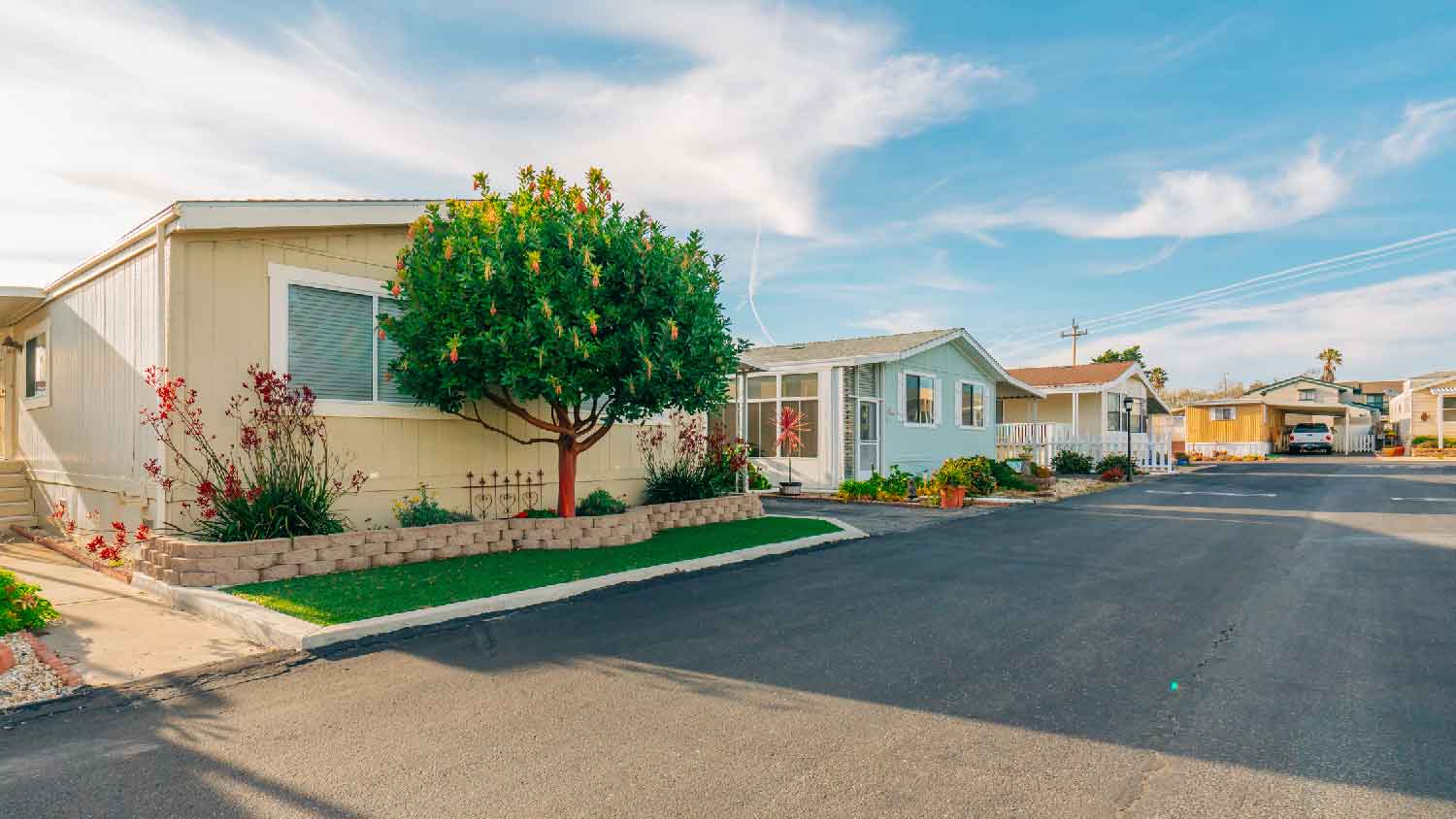
Your mobile home renovation cost will depend on size, scope, materials, and several other factors and can boost your home's value.
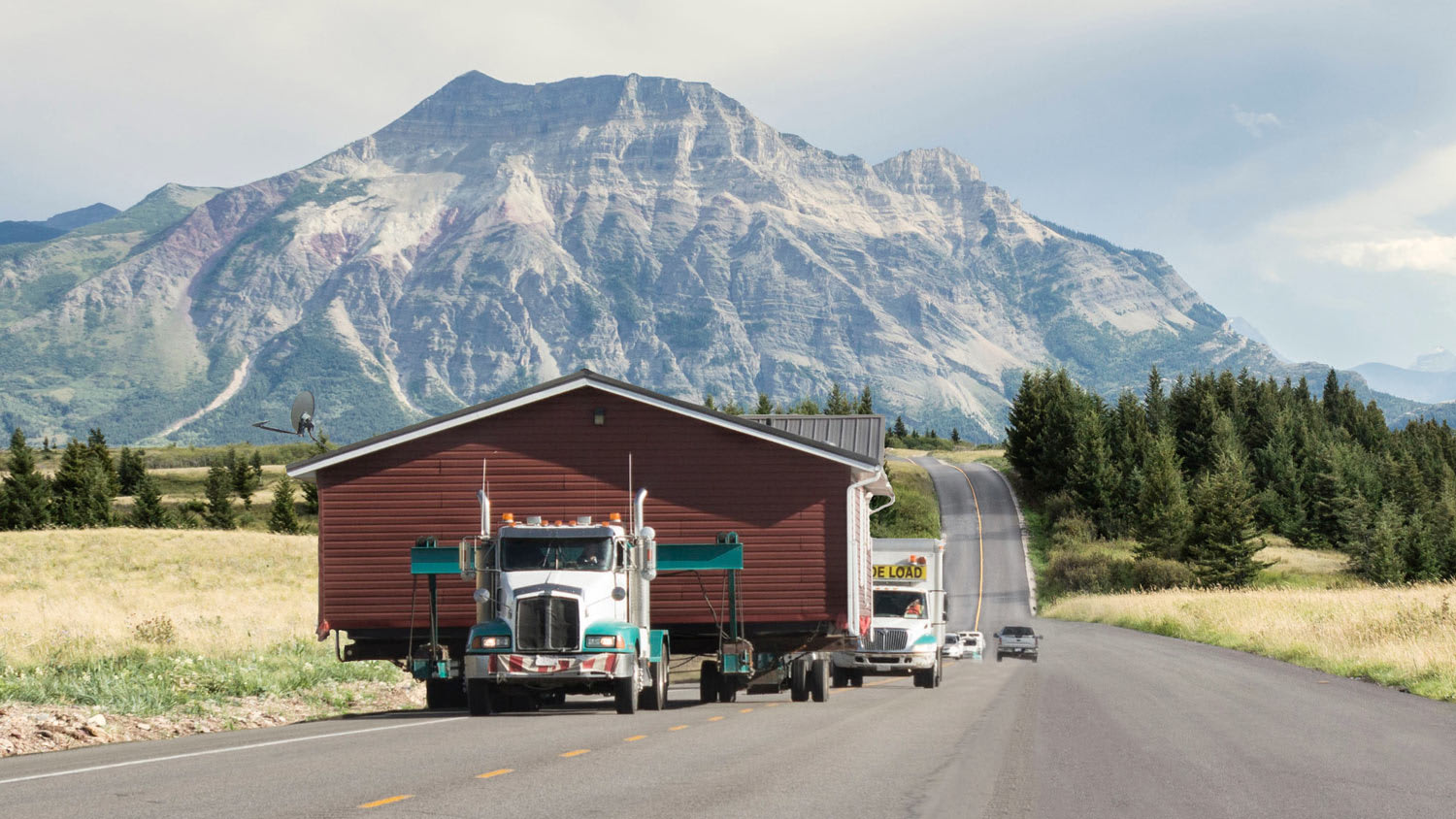
Wondering how much it costs to move your house to a new spot? Check out our helpful cost guide to learn how to budget for this major home project.

Looking to compare a mobile home vs. a tiny home? Here, we share the significant differences, including the best lifestyles for each home type.

Moving can be costly, but budgeting can help. Use this moving costs checklist to help prioritize moving costs.

Are you looking to move your home to a different lot or a different state? Some houses can be easier to move than others. Learn how to move a house and the cost of moving an entire home, what factors in the price, and whether it’s worth it or not.