

Planning a DIY move requires careful budgeting. Use this guide to budget for the expected moving costs and the hidden ones, too.
It’s not the riddle of the Sphinx, but the answer can be just as tricky

The number of boxes you need for your move depends on your home size, with a two-bedroom apartment requiring 40 to 65 boxes.
Expect to pay $1,710 on average for professional movers, though small one-bedroom apartments cost as little as $400 to move.
Medium boxes work well for most items in your home, while specialty boxes like wardrobe boxes keep hanging clothes ready to unpack.
Hiring a local moving company provides peace of mind by handling packing, loading, and furniture disassembly, so your move stays on schedule.
How many boxes do I need to move? The answer to this age-old question doesn’t exactly involve rocket science, but it’s not the easiest calculation, either.
You’re likely buying packing materials, so you don’t want to waste money on too many extra moving boxes. And if you’re collecting used boxes for your move (bonus points for recycling!), you don’t want to make searching for boxes a competitive sport, either.
So, how do you figure out just the right amount for a successful moving day? We’ve got you covered.
Here is a rough estimate of the number of boxes you will need to move depending on the size of your current home:
| Home Size | Estimated Number of Boxes | Types of Boxes |
|---|---|---|
| Studio apartment | 10–35 boxes | 13 large boxes, 15 medium boxes, 5 extra large boxes |
| 1-bedroom apartment | 20–45 boxes | 16 large boxes, 20 medium boxes, 8 extra large boxes |
| 2-bedroom apartment | 40–65 boxes | 22 large boxes, 30 medium boxes, 10 extra large boxes |
| 2-bedroom house | 60–90 boxes | 31 large boxes, 45 medium boxes, 13 extra large boxes |
| 3-bedroom house | 80–120 boxes | 40 large boxes, 60 medium boxes, 16 extra large boxes |
| 4-bedroom house | 100–140 boxes | 42 large boxes, 60 medium boxes, 18 extra large boxes |
| 5-bedroom house | 140–180 boxes | 49 large boxes, 75 medium boxes, 19 extra large boxes |
| 6-bedroom house | 180–220 boxes | 64 large boxes, 100 medium boxes, 24 extra large boxes |
These guidelines are a good start, but no move is one-size-fits-all. The types and sizes of boxes you will need depend on your items and the number of people in the household. Let’s jump into the breakdown of the types of boxes and their sizes you may need for your move.
What if you live in a four-bedroom home but have adopted a minimalist lifestyle, complete with a capsule wardrobe and all reading materials relegated to a slim tablet? In this case, you might need far fewer boxes than the amount suggested here.
But what if you live in a tiny studio apartment that just happens to be stacked from floor to ceiling with books? Or vinyl records? Or maybe even those little plastic figures that look like characters from TV and movies? Those things all vary in size and weight, and you’ll have to get the right size and type of box to haul it all to your new place.
When it comes to figuring out the number of boxes you will need for your move, take stock of what you have so you can get the right type of box.
Small boxes are best for small, heavy things, like stacks of books. Don’t fill a huge box with all your books unless you’ve hired a forklift for moving day.
These boxes give you more room without making things too unwieldy. You could likely pack up your entire place using medium boxes.
Fill medium boxes halfway with heavier items like books, then fill the rest with lighter things like towels or sheets.


This size box is obviously good for larger objects, as well as lots of lighter objects. You could stack shoe boxes in a larger box or fill it with linens and pillows.
Keep these big guys for large or awkwardly shaped items as well as for piling in loads of lightweight things, like blankets. You’ll want to stop and make sure you’re not overfilling these boxes, otherwise you won’t be able to budge them.
If you’ve got a lot of one type of item, it pays to get boxes that are expressly made for them:
If you’ve got shelves upon shelves of books, go for 12” x 12” boxes (1 cubic foot). Most hardcover and paperback books will fit just fine, and even if you fill up the box, it shouldn’t be too heavy to move.
If you’d rather have your china set arrive in one piece, go with dish barrel boxes. These corrugated boxes are sturdy enough to protect these and other delicate items. Just remember to write “fragile” on it and don’t stack other boxes on top.
Fashion lovers, rejoice: You won’t have to spend precious time folding up all your clothes to stuff in boxes. Sure, you can still do that with sweaters and T-shirts, but items that are still on hangers can go right inside a wardrobe box. These extra-large boxes come with a rod inside them, so all you have to do is hang up your clothes. This will allow you to empty closets in minutes.
Now would be a good time to go through some of your clothing to see if there’s anything you want to donate or sell before you move.
Hiring a professional mover costs an average of $1,710, but that assumes a large home with plenty of bulky items. Small one-bedroom apartments can cost just $400 to move. As for labor rates, movers charge $25 to $50 per hour. Your total costs also depend on the distance traveled: Moving the contents of a large house across the country can cost over $9,000.
Moving, especially locally, can be a DIY-friendly task, so long as you have the time and some helping hands. Just be careful with packing and go slowly to avoid any unnecessary accidents. However, there are several reasons to hire professional movers.
Hiring professional movers is especially helpful if you have mobility concerns, more stuff than you can handle, or if your primary vehicle isn’t up for a big haul. Pros bring skills and experience, and many local moving companies offer more extensive services than just loading the truck. For instance, a mover may disassemble furniture, pack boxes, or transport shipping containers.
I recently moved to another state and chose United Trust Van Lines after comparing several companies. Their team was punctual, professional, and extremely careful with my belongings. I was especially impressed with how they handled my home office setup and fragile items. Everything arrived on...
 United Trust Van Lines, LLC
Showed up on time and cleaned carpets well, but didn?t move furniture.
 Voda Cleaning & Restoration of Columbus
A reliable team for moves across state. My switch to a new place needed careful lifting through tight hallways. The movers checked the doorway first, then carried heavier pieces with slow, controlled movements. Their patience helped prevent damage, and I?d choose them again.
**Would rate a 0 if i could** NEVER USE THIS COMPANY!!!!! They shattered my tv console and dresser, lost a mirror, and never finished the move. The broken furniture cost me over $600 to replace. They left me with 6+ hours of personal labor moving my 1BR apartment, when I was quoted a FULL...
 All My Sons Moving & Storage
I could not have moved without the help of Jen Stover! I was in my house for nearly 20 years, so the thought of clearing it out while working full time was overwhelming. Jen takes great joy in sorting and organizing while asking the hard questions with patience and compassion. Jen is...
 Go and Stow Home Organizing
Couldn't have been a worse experience. 3 of my belongings were lost and 5 belongings were damaged. My furniture was clearly dragged across the ground. The movers couldn't move the furniture I paid extra heavy weight fees for so I had to help them move my own furniture. The manager gave me...
 US Interstate and Rail
Excellent experience for me! They helped me a lot with my move. very reasonable price. Good communication with the office manager is excellent.
 Goodview Moving and Storage
I was concerned about my possessions safety throughout the move but Bridge View Van Lines took all necessary security measures to make sure everything arrived in mint shape I am really appreciative of their effort and commitment They made my long distance move seem simple
 Bridgeview Van Lines
This moving company is the best in Columbus, Ohio! They rescued me when my movers didnâ t show up. Do not ever use Plane Movers! They never showed up for my move, claiming that I never signed the contract. They didnâ t call me to follow up, communication was awful. The people that work for...
 All My Sons Moving & Storage
Ozie and Tyquese were great and worked fast. It was a good move
 All My Sons Moving & Storage
From average costs to expert advice, get all the answers you need to get your job done.
Planning a DIY move requires careful budgeting. Use this guide to budget for the expected moving costs and the hidden ones, too.

When you’re moving to a new home, you’ll wonder, “How many boxes do I need to move?” Learn how to calculate the approximate number based on your home’s size.

After the stress of finding a new house or a job, it seems like filling boxes should be the easiest part of your move. It can be if you know what to look for. Don’t wing it; plan ahead with these tips for finding and using the right-sized boxes.

Preparing for a big move? Our tips on how to pack boxes for moving will keep belongings snug and secure.
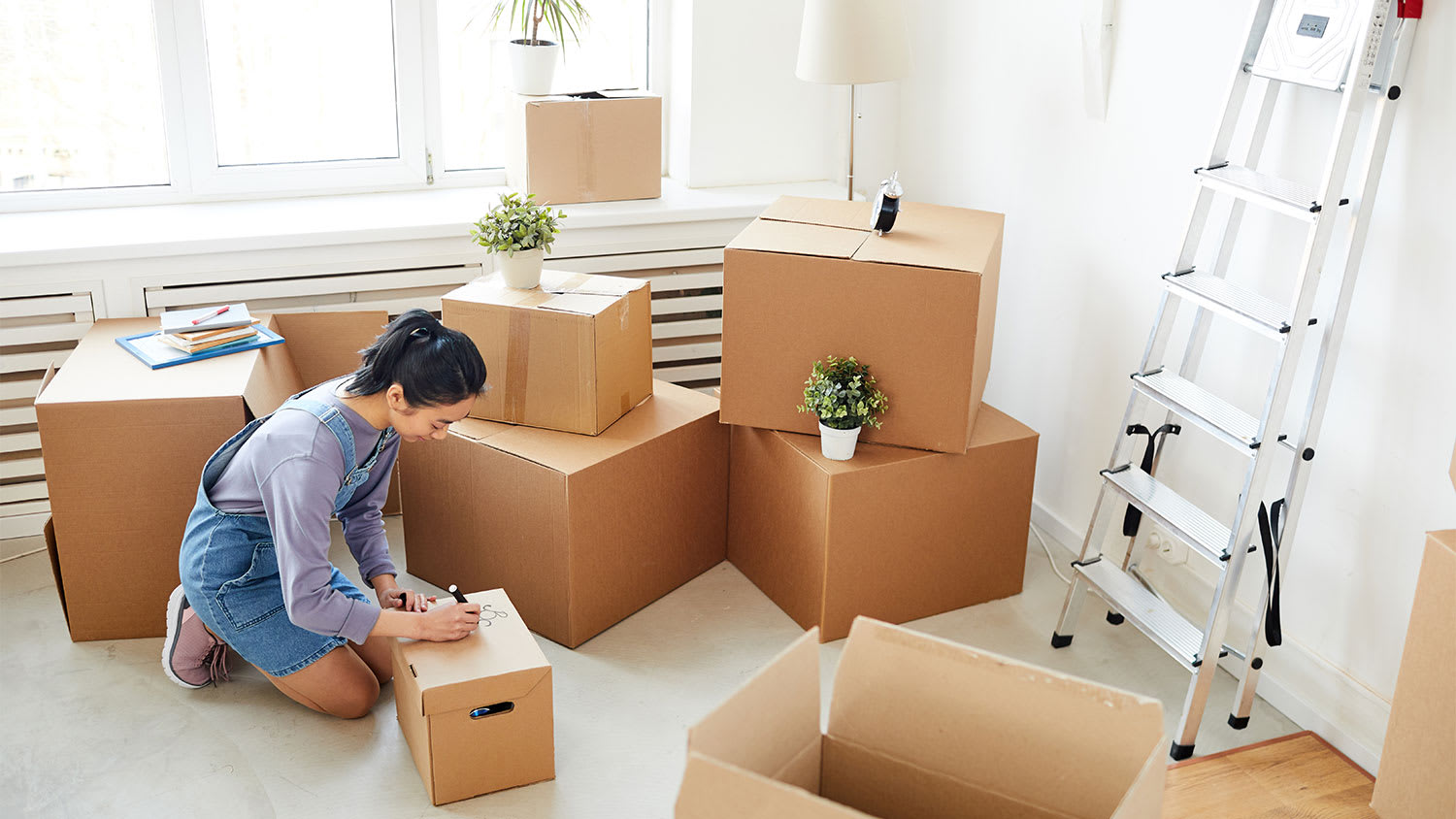
Real talk—most people aren't keen on packing or moving. But you can make the experience more manageable by opting for brand new boxes instead of used ones.
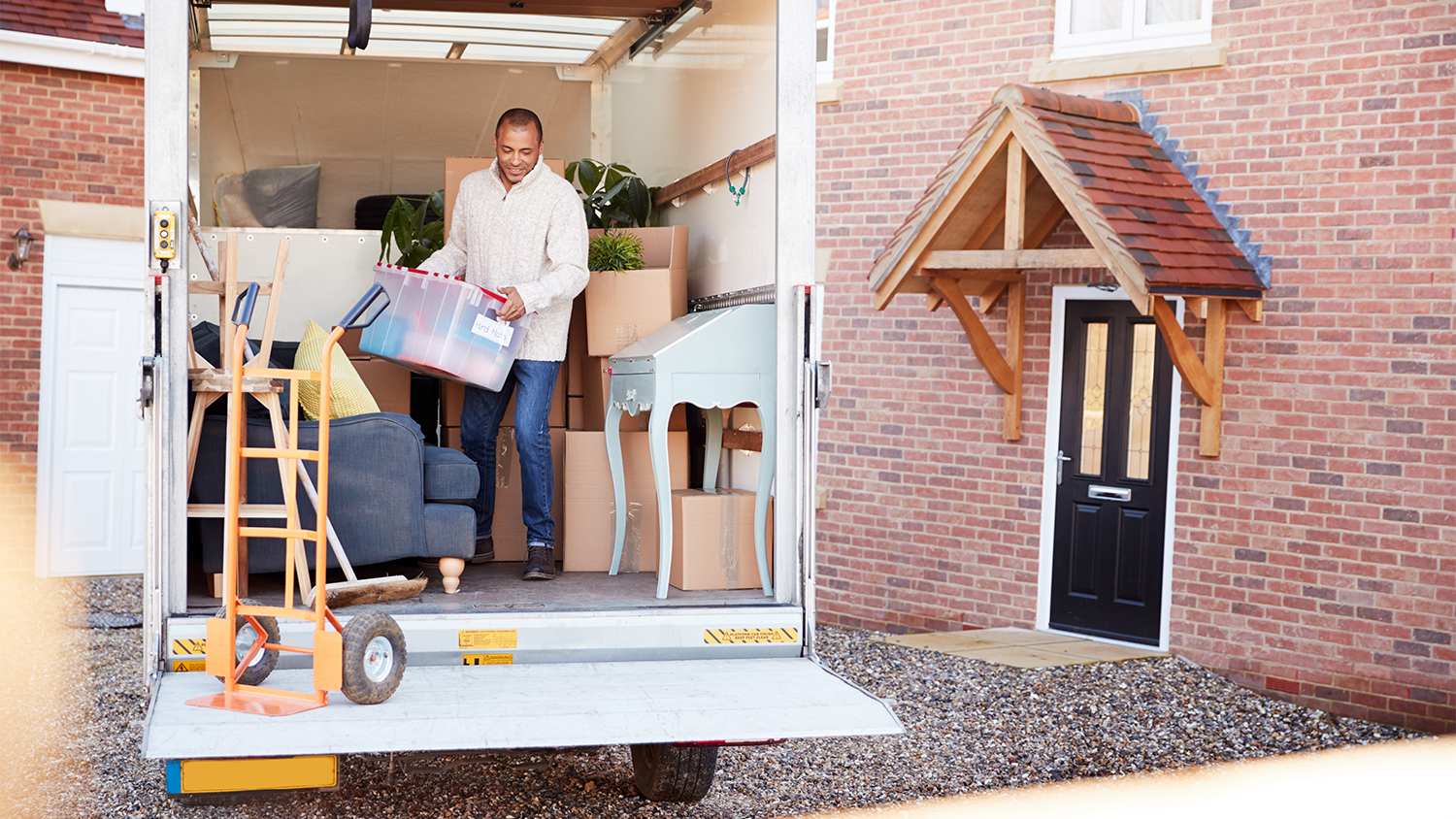
If you’re wondering what size moving truck to reserve, the answer lies in the size of your home and the amount of items. Use our guide to learn more.