

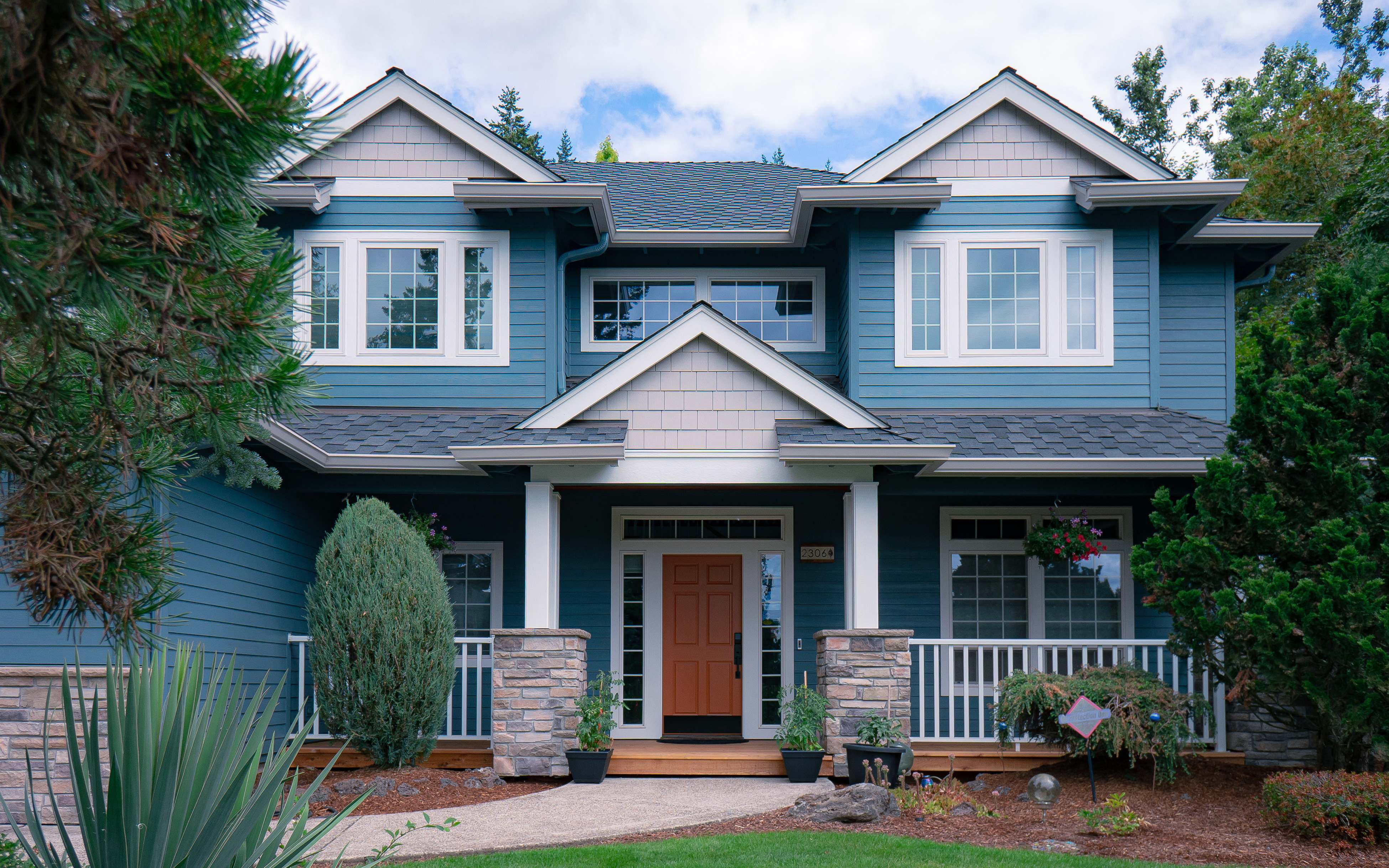
Painting your home can give it a fresh new look, but how much will it cost? Here’s what you might pay for interior and exterior paint projects.
Interior painting costs depend on your project and location. Check with a local pro for your specific job.

Professional interior painting costs $400 to $1,600, with your room size and ceiling height determining the final total.
Your paint type and finish selection will change the project cost, with glossier finishes and oil-based options costing more than standard latex paints.
Account for drywall repairs, wall texture removal, baseboard painting, and furniture moving when you create your room painting budget.
Hiring a local interior painting professional ensures your room gets crisp lines and a flawless finish while saving you significant time.
In 2026, the national average cost to paint a room is $1,100. Most homeowners spend $400 to $1,600, with room size, paint type, and number of coats driving the spread. Pros often charge $2 to $6 per square foot, so you can use that rate to get a quick ballpark before reaching out to a local painter.
Interior painting offers a high ROI of around 107%. That means that most homeowners will recoup between $2,100 and $16,000, depending on the size of their painting project. Neutral colors are more appealing to potential buyers than darker colors.
Painting a single room costs far less than a full interior project, and the final price depends on factors ranging from room size and paint quality to the type of finish. Here is a breakdown of how each factor affects your total.
Professional interior painting costs $2 to $6 per square foot, so knowing your room's square footage gives you a reliable starting estimate. Costs rise with room size, and tall ceilings add further to the total since they require more labor and materials to reach. The table below shows how painting costs vary by common room dimensions:
| Room Size (Feet) | Average Cost to Paint in 2026 |
|---|---|
| 10X10 | $200–$600 |
| 10X12 | $240–$720 |
| 12X12 | $290–$870 |
| 14X16 | $450–$1,350 |
| 16X16 | $515–$1,540 |
Painting a ceiling costs an extra $1 to $6 per square foot depending on the ceiling type and the painter's rates. A standard 10-foot ceiling adds only about $1 per square foot, since it requires no scaffolding, while cathedral ceilings above 12 feet tend to push toward the higher end of that range due to the specialized equipment involved.
The type of room you are painting has a direct impact on cost, with bathrooms being the least expensive and painting living rooms being the most costly. Larger rooms like kitchens can actually be more affordable than their size suggests because cabinets and backsplashes cover a significant portion of the paintable wall area. Painting costs by room type are broken down in the table below:
| Type of Room | Average Cost to Paint in 2026 |
|---|---|
| Bathroom | $200–$400 |
| Kitchen | $300–$750 |
| Stairway | $350–$450 |
| Bedroom | $300–$750 |
| Living Room | $900–$2,000 |
Refreshing trim, baseboards, crown molding, and windows costs $1 to $3 per linear foot. Hard-to-reach accents or particularly ornate trim with many nooks and crannies can push that rate up to $6 per linear foot.
Paint costs depend on brand, makeup, and finish, with most options ranging from $20 to $70 per gallon, and each gallon covers 300 to 400 square feet. Budget options from big box retailers start at $10 per gallon, while designer brands or rare pigments can exceed $100 per gallon.
Oil-based paints cost slightly more than latex paints. Glossier finishes carry a higher price tag while delivering better durability and moisture resistance, so the right choice depends on where you are painting, not just what fits the budget. Prep work requirements also differ by paint type, which can affect your overall labor costs.
The table below breaks down the average cost per gallon of different types of paint:
| Latex-Based Paint | Oil-Based Paint |
|---|---|
| $15–$60 per gallon | $20–$70 per gallon |
| Best for bedrooms, living rooms, and hallways | Best for bathrooms, kitchens, doors, and trim |
| More difficult to clean | Easy to clean and holds up well to moisture |
| Dries faster | Prone to chipping and requires good ventilation |
Overall, oil-based paints cost slightly more than latex-based paints (though latex is by far the most popular for indoor use). On top of that, you’ll pay more the glossier the finish gets. Paint durability and moisture resistance also increase as the finish gets glossier, so it’s wise to consider the area you’re painting and not to shop solely on cost. Note that prepwork varies among the different types of paint, too.
| Paint Type | Average Cost per Gallon in 2026 |
|---|---|
| Primer | $10–$20 |
| Flat or matte | $10–$70 |
| Eggshell or satin | $10–$70 |
| Semi-gloss | $10–$70 |
| High-gloss | $20–$80 |
Each additional coat of paint adds an average of $50 to $70 per 300 to 400 square feet of wall in combined material and labor costs. Going from a dark color to a lighter one, which typically requires extra coats for full coverage, can meaningfully increase your total. If you are choosing an accent wall, expect higher labor costs since your painter will need to tape off and paint that wall separately from the rest of the room.
If you decide to pay a house painter for the job, expect to spend $20 to $50 per hour, while a handyman charges $20 to $40 per hour. Most painting contractors quote on a per-square-foot basis rather than hourly, with labor accounting for 60% to 90% of the total, which averages $240 to $1,450 for labor alone. High ceilings, a complicated floor plan, or other project-specific demands can push labor costs toward the higher end of that range.
If you need to move furniture out of the room before painting, expect to pay $25 to $50 per hour for additional labor, though this cost is often included in your per-square-foot estimate. Oversized pieces like a grand piano or grandfather clock may require an additional worker, which can increase prep time and cost.
Wall texture—whether a combed finish, sand swirl, or orange peel—can dramatically change the feel of a room, and adding or removing it before painting costs a few dollars extra per square foot. Texturing walls runs $1 to $3 per square foot, while skim coating drywall to remove existing texture costs $1.10 to $1.30 per square foot.
If your walls have water damage, cracks, or peeling paint, you will need to address those issues before painting. The cost of drywall repair typically falls between $300 and $900, averaging around $600. For minor issues, a DIY drywall repair kit costs $10 to $30 and can handle small patches without professional help.
Fall and winter are the slowest seasons for painting companies, since exterior work drops off significantly during those months. Booking an interior paint job during this offseason can often help you secure a lower rate from your contractor.
Homes built before 1980 commonly contain lead paint or asbestos, and if your contractor needs to remove paint or alter the drywall, testing first is an important precaution. A lead inspection costs $200 to $400, though a lead risk assessment can reach up to $2,000, and an asbestos survey costs $230 to $780. If testing confirms the presence of either material, you will also need to budget for professional abatement before painting can begin.
Because labor accounts for the majority of room painting costs, your location has a significant effect on what you pay, with large metropolitan areas and states with a higher cost of living typically running more expensive. The table below shows how painting costs vary by state:
| State | Cost to Paint a Room in 2026 |
|---|---|
| California | $1,570 |
| Florida | $1,130 |
| Georgia | $1,000 |
| Illinois | $1,040 |
| Michigan | $1,000 |
| New York | $1,360 |
| North Carolina | $1,070 |
| Ohio | $1,030 |
| Pennsylvania | $1,050 |
| Texas | $1,010 |

So, you’re ready to breathe new life into your room? The next step is figuring out how to calculate the cost of painting a home interior.
1. To start, use a tape measure and write down the length of all four sides of the room.
2. Then, measure the height of the walls from the floor to the ceiling.
3. Next, add up the lengths of the room and multiply it by the height. That gives you the total square footage you need to paint.
4. On average, one gallon of paint can cover 300 to 400 square feet. So divide the total square footage of your room by 400 to find out how many gallons of paint you need for one coat.
5. In most cases, you’ll apply two coats of paint, so multiply that number by two.
If you plan on hiring a pro to do the job, expect to pay $20 to $50 per hour for labor. Some painters will quote you based on square footage, so doing this math can help you get the most accurate quote.

Most of the cost for interior painting will go toward labor, so DIYing can cost under $100 in materials, depending on the size of the room. However, hiring an interior painter near you is still often worthwhile because prepping and painting walls is very time-consuming, and professionals will normally get a nicer finished look that’s free of mistakes. Pros can also get the job done more quickly, so there’s less interruption to your daily routine.
Painting a room is absolutely DIYable, but there are a few important benefits of hiring a pro that you should consider before you decide to tackle the project yourself:
Professionals almost always get a better look with crisp lines and no mistakes.
Pros have a high skill level that makes painting lines along trim, ceilings, and cabinets faster and more accurate.
Some painting jobs can be dangerous if they involve ladders or scaffolding, so hiring a pro can keep you safe.
Interior painting can take a long time to DIY, while a pro can have you back to your normal routine in a day or two.
Painters may offer a warranty for their work and even provide free touch-ups for a certain period after the job is done.
While budgeting for a room refresh, factoring in related add-on services can help you get everything done at once and potentially reduce your overall spend. Common add-on costs are broken down below.
Cost to remove wallpaper: $420–$1,200
Cost to refinish floors: $1,100–$2,700
Cost to replace light fixtures: $150–$1,000
Cost to repair drywall: $300–$920
Cost to replace windows: $3,400–$11,800
Cost to paint an accent wall: $700–$1,800
Want to tighten your budget and cut down on the cost to paint rooms? Saving on a painting job doesn’t necessarily mean you’ll have to roll up your sleeves and do it yourself—though if you’ve got a passion for DIY projects, go for it! Here are some ways to shed a few dollars off your total painting costs:
Skip the trim refresh: If the paint on your trim, baseboards, and ceiling is in good condition and you simply want to change the look of your room, only paint the walls. Going this route will often cut your total price in half.
Purchase paint through your pro painter: If you’re using a contractor to paint your home, let them purchase the paint. Contractors can sometimes buy paint for around 50% less than a homeowner, so the total included in your painting estimate should be significantly lower.
Skip the designer materials: Like clothes, designer paints cost much more, but you’re paying for quality and vibrancy. These paints use natural coloring agents that look more vibrant than synthetic pigments. Nonetheless, you can still get some great colors by choosing a high-quality paint without the luxury label.
Mention the size of your room, the general layout, and the ceiling height to your pro to get an accurate estimate.
Be prepared to discuss any add-on work you need, like drywall repairs, trim painting, and ceiling painting.
Ask what brands of paint your pro recommends, or mention a type that you prefer to use.
Be prepared to talk about paint finishes, which can affect material costs and even application methods.
Home is the most important place on earth, which is why Angi has helped more than 150 million homeowners transform their houses into homes they adore. To help homeowners with their next project, Angi provides readers with the most accurate cost data and upholds strict editorial standards. We extensively research project costs to develop the pricing data you see, so you can make the best decisions for you and your home. We rely on reputable sources, including the U.S. Bureau of Labor Statistics, academic journals, market studies, and interviews with industry experts—all to ensure our prices reflect real-world projects.
Want to help us improve our cost data? Send us a recent project quote to [email protected]. Quotes and personal information will not be shared publicly.
Custom Paint Jobs LLC is the go-to choice for all your painting needs. They painted both the interior and exterior of my house flawlessly. Their work speaks for itself!
 Custom Paint Jobs, LLC
Beginning with the estimate, Larry and Peyton were super helpful in getting my new condo's interior re-painted. Not only was the job well done, but also done in a super timely manner as promised.
 Five Star Painting of Plain City and Powell
The Dither painting crew did an awesome job! They were reliable, knowledgeable and professional. We highly recommend Dither Painting!
 DITHER PAINTING
Eric and his crew executed very well on the job of painting interior walls for me. Eric was timely and efficient and did what he said he would do. They cleaned up after the job was done as one would hope. I was given a very fair price and they did great work. Eric was also professional and...
 Fine Line Painting
From average costs to expert advice, get all the answers you need to get your job done.
Painting your home can give it a fresh new look, but how much will it cost? Here’s what you might pay for interior and exterior paint projects.
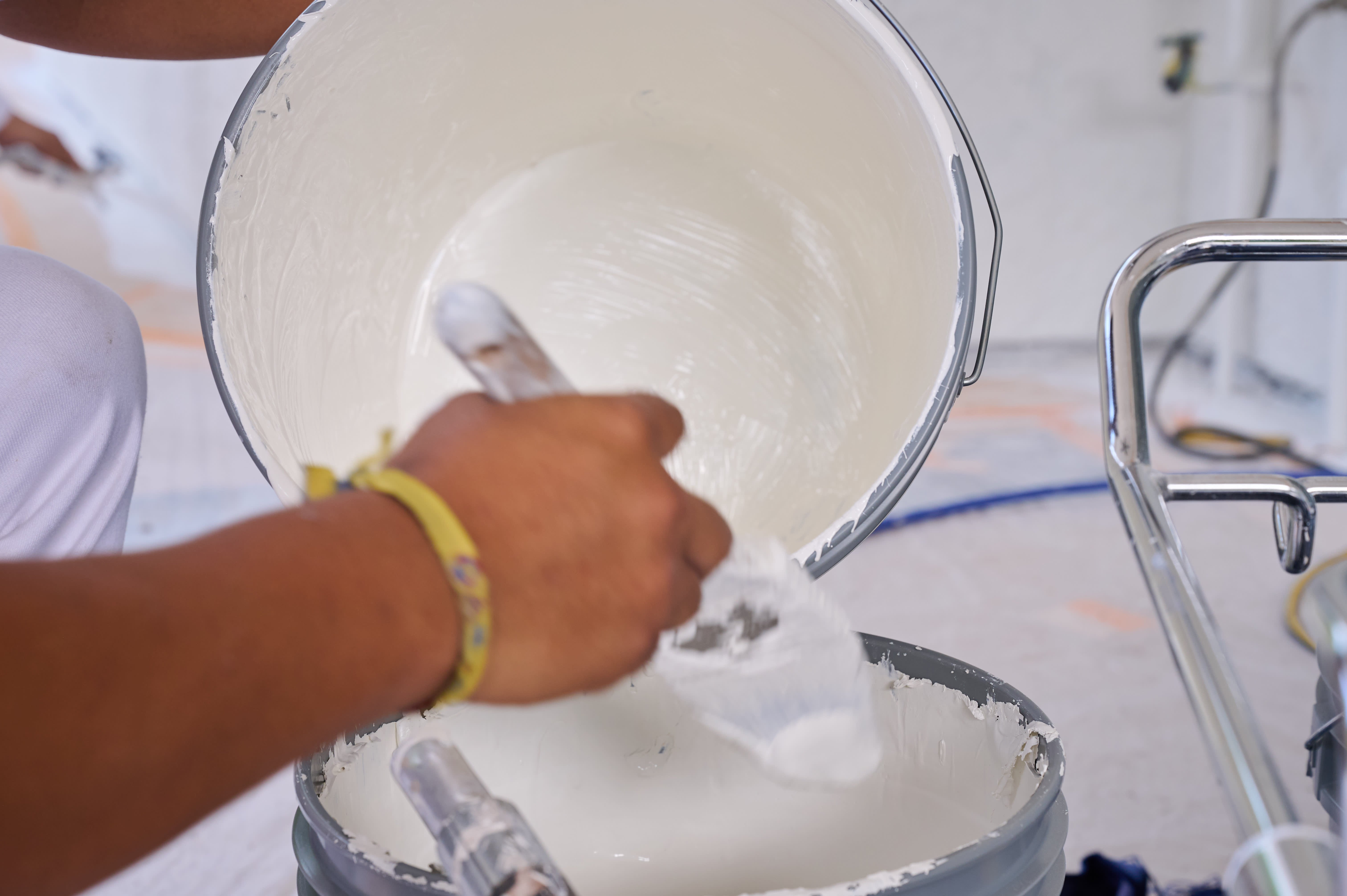
How much is a gallon of paint? Whether latex or oil-based, spray paint, primer, shellac, or lacquer, we’ll tell you what price to expect.
The price to paint your home’s baseboards depends on the square footage and whether you DIY the project. Learn more to budget for baseboard painting.
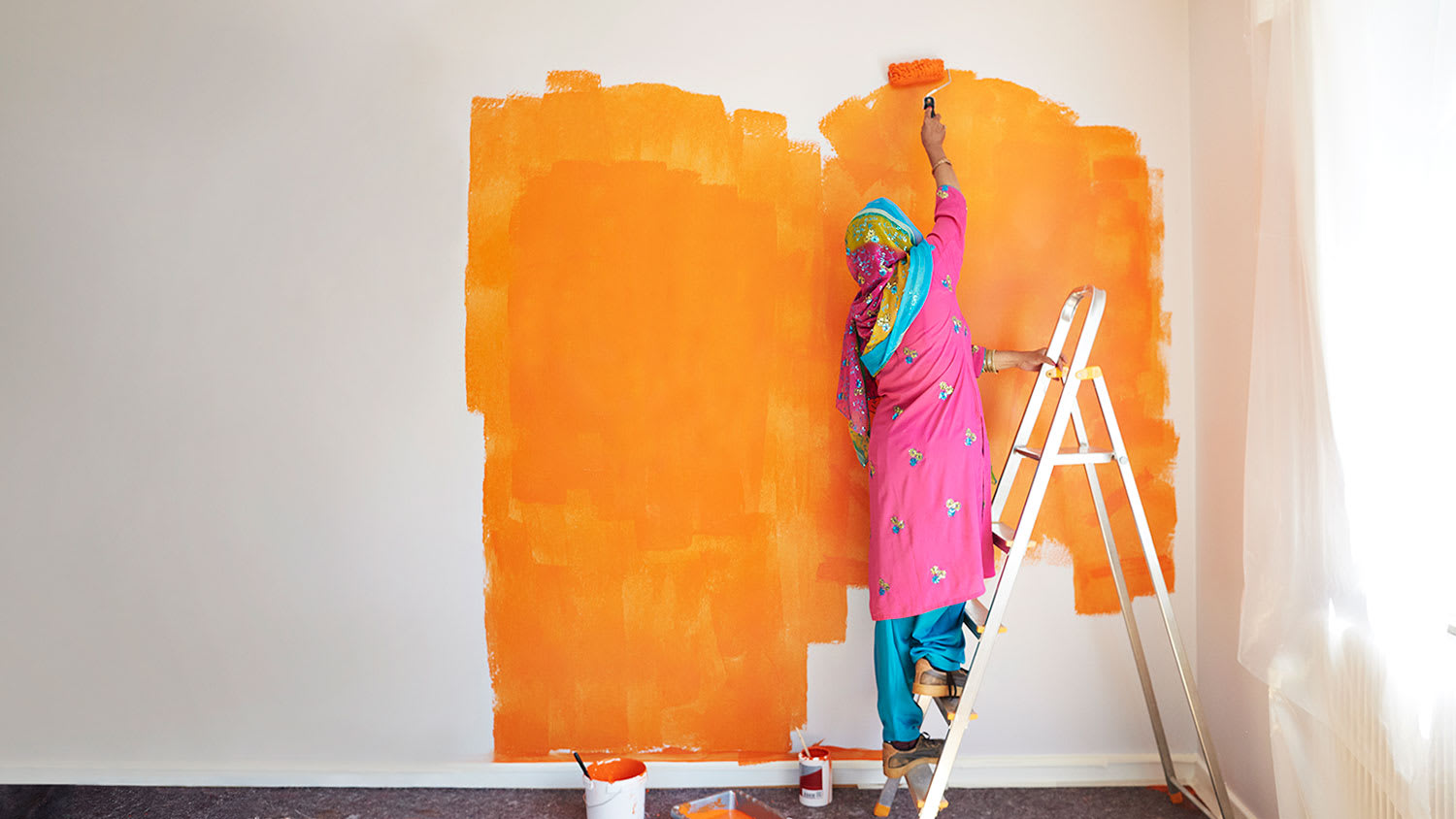
If you’re painting your home and wondering, “How much paint do I need for my project?” there’s a simple math equation you can do to find the answer.

Knowing what supplies you need to paint a room can keep your project rolling smoothly. This list will help set you up for a successful paint project.
If you’re looking at bare walls and wondering how long it takes to paint a room, we’ve got you. Keep reading to learn how much time interior painting takes.