

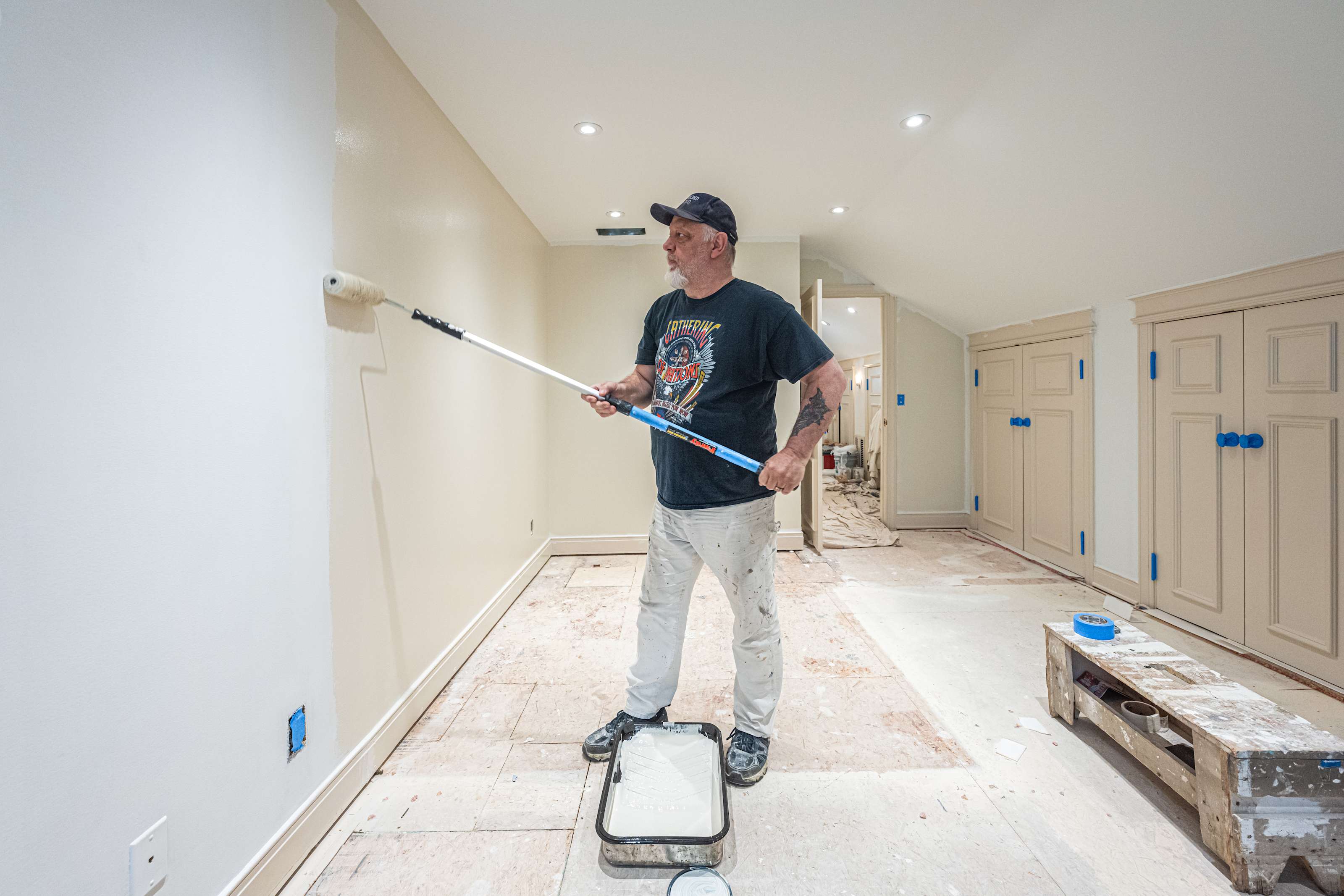
How much does it cost to paint a room? Learn what you’ll pay to give your space a makeover, depending on room size, paint type, the pro you hire, and more.
Interior painting costs depend on your project and location. Check with a local pro for your specific job.

Accent wall painting costs $718 to $1,840 for your project, with wall size and paint finish determining your final total.
Higher gloss paint finishes cost more than matte or eggshell varieties, and walls needing heavy prep or wallpaper removal increase your labor costs.
You should budget for mural painting, trim painting, drywall repair, ceiling painting, or doorstop installation when planning your accent wall project.
Hiring a local interior painting professional saves you time, delivers smooth coverage, and helps you avoid ladder safety risks.
In 2026, the national average cost to paint an accent wall is $1,259, based on 65,117 verified projects reported by Angi Pros. Most homeowners pay between $718 and $1,840, with wall size, paint finish, and the amount of prep work needed driving the spread.
What your local interior painter charges for an accent wall depends on several factors, including wall size, paint type, prep requirements, and design complexity. Once you settle on your accent wall idea, reviewing each of these variables will give you a clearer picture of your final cost.
Wall size is one of the biggest cost drivers for accent wall painting, with interior painting running $2 to $6 per square foot and common wall sizes ranging from 70 to 150 square feet. Two-story or extra-long walls cost more to paint due to the added labor and equipment involved. Choosing a smaller wall as your accent is a practical way to keep the project within budget.
Here is how accent wall costs break down by wall size:
| Size (Sq. Ft.) | Average Cost in 2026 |
|---|---|
| 70 | $140–$420 |
| 100 | $200–$600 |
| 125 | $250–$750 |
| 150 | $300–$900 |

The type of paint finish you choose directly affects material costs, with higher-gloss paints priced higher than matte or eggshell varieties. Because you're covering only one wall, the difference between finish types won't dramatically change your total, but it will still factor into your final price. Here is how average per-gallon paint costs compare across finish types:
| Type of Paint | Average Price per Gallon |
|---|---|
| Flat/matte | $10–$50 |
| Eggshell | $12–$60 |
| Satin | $14–$65 |
| Semi-gloss | $15–$80 |
| High-gloss | $15–$100 |
Wall prep is a necessary step for achieving a flawless accent wall finish, and the extent of that prep directly affects your labor costs. A painter will patch drywall imperfections, sand and clean the surface, remove switch plates and outlet covers, lay down a dropcloth, and tape off trim and seams.
Walls with heavy staining, significant damage, or wallpaper remnants that need removal will require more time and will cost more as a result.
Painters charge an average of $20 to $50 per hour on top of material costs, making labor one of the most significant line items in your total. Many painting pros also carry a minimum job charge, which means a single accent wall—a relatively quick project—may cost more than the hourly rate alone would suggest in order to meet that minimum.
A single-color accent wall applied with a roller, brush, or sprayer keeps you at the lower end of the price range, while more complex wall painting techniques will push costs higher. Decorative approaches like color washing, striping, antiquing, or plaster finishes command a premium because of the additional skill and time required to complete them properly.
Small chips and dings can be touched up with leftover paint and tools you likely already have on hand. Small drywall holes can be patched with a $5 to $15 tub of spackle and a bit of leftover paint. Regularly dusting and washing the wall will extend the life of the finish and keep your accent wall looking fresh for years.
While you could save between $20 and $50 per hour in labor costs by painting your accent wall yourself, there are some challenges to consider before taking on the project. Time and your personal safety are the most significant factors to consider. However, it's essential to remember that local interior painters have the tools and expertise to provide the professional finish that makes your accent wall the focal point it's supposed to be.
Accent wall painting requires detailed prep work and flawless finishing, and here’s why it’s best to hire a pro:
Experts understand the importance of addressing previous finishes to avoid streaking, paint flashing, and patchiness.
They deliver smooth, consistent coverage with no streaks, roller lines, or patchiness.
Hiring a pro saves you time and helps you avoid the safety issues that come with working from ladders.
DIY errors, such as uneven texture, visible roller marks, drips, or color inconsistencies, can be costly to repair after the fact.
Professionals understand how lighting and wall texture affect paint appearance.
They can repair drywall imperfections and ensure a flawless surface before painting.
Pros can complete the project efficiently and with minimal disruption to your home.
Reputable painters offer warranty protections to help protect your investment.
Hiring a pro is the best way to ensure a professional finish, but here are ways you can participate in the process:
Research and select color palettes and designs to review with your pro.
Clear the work area of furniture, decor, clutter, and wall hangings.
Research and choose related upgrades, such as lighting options and accent features, to discuss with your painter.
Consider performing light wall repairs before work begins, if appropriate, and with your professional's consent.
Wallpaper also works best in lower-traffic rooms that don’t get very much moisture. Rooms like kitchens and bathrooms are not ideal for wallpaper since those are considered high-moisture areas and can cause the paper to peel.

Many interior painting companies also offer other services to refresh your home. Some common add-on services when painting an accent wall include:
Mural painting: $700–$1,800
Trim painting: $1–$4 per linear foot
Drywall repair: $50–$75 per sq. ft.
Ceiling painting: $0.50–$5 per sq. ft.
Doorstop or bumper installation: $10–$30 each
The most effective way to cut costs on accent wall painting is to tackle it as a DIY project. If you’re comfortable wielding a paintbrush, you can create your dream accent wall for only the cost of the paint and supplies. If you don’t have the time or the skills to take the job on yourself, you can still save. Here are some ways to cut costs:
Have the entire room or several rooms painted—many companies have a minimum charge, so your accent wall may prove to be more expensive if you aren’t having any other work done.
Supply the paint yourself. Check with your painter, though, since some pros won’t use customer-provided materials.
Do the prep yourself. Filling holes, sanding, and cleaning the walls before the painters arrive could save you on the final price.
Be ready to describe the room or rooms in which you wish to add an accent wall.
Share details about your wall’s condition, including its texture, stains, or areas that need repair.
Discuss color, style, and design options with your painting professional.
Discuss the project's timeline and any potential access restrictions.
Talk about any upgrades you're planning during or after the project, including lighting or furniture placements.
Home is the most important place on earth, which is why Angi has helped more than 150 million homeowners transform their houses into homes they adore. To help homeowners with their next project, Angi provides readers with the most accurate cost data and upholds strict editorial standards. We extensively research project costs to develop the pricing data you see, so you can make the best decisions for you and your home. We rely on reputable sources, including the U.S. Bureau of Labor Statistics, academic journals, market studies, and interviews with industry experts—all to ensure our prices reflect real-world projects.
Want to help us improve our cost data? Send us a recent project quote to [email protected]. Quotes and personal information will not be shared publicly.
Custom Paint Jobs LLC is the go-to choice for all your painting needs. They painted both the interior and exterior of my house flawlessly. Their work speaks for itself!
 Custom Paint Jobs, LLC
Beginning with the estimate, Larry and Peyton were super helpful in getting my new condo's interior re-painted. Not only was the job well done, but also done in a super timely manner as promised.
 Five Star Painting of Plain City and Powell
From average costs to expert advice, get all the answers you need to get your job done.
How much does it cost to paint a room? Learn what you’ll pay to give your space a makeover, depending on room size, paint type, the pro you hire, and more.

The cost to paint the interior of a house depends on size, layout, type of surface, and more. Learn what factors can influence your total in this guide.
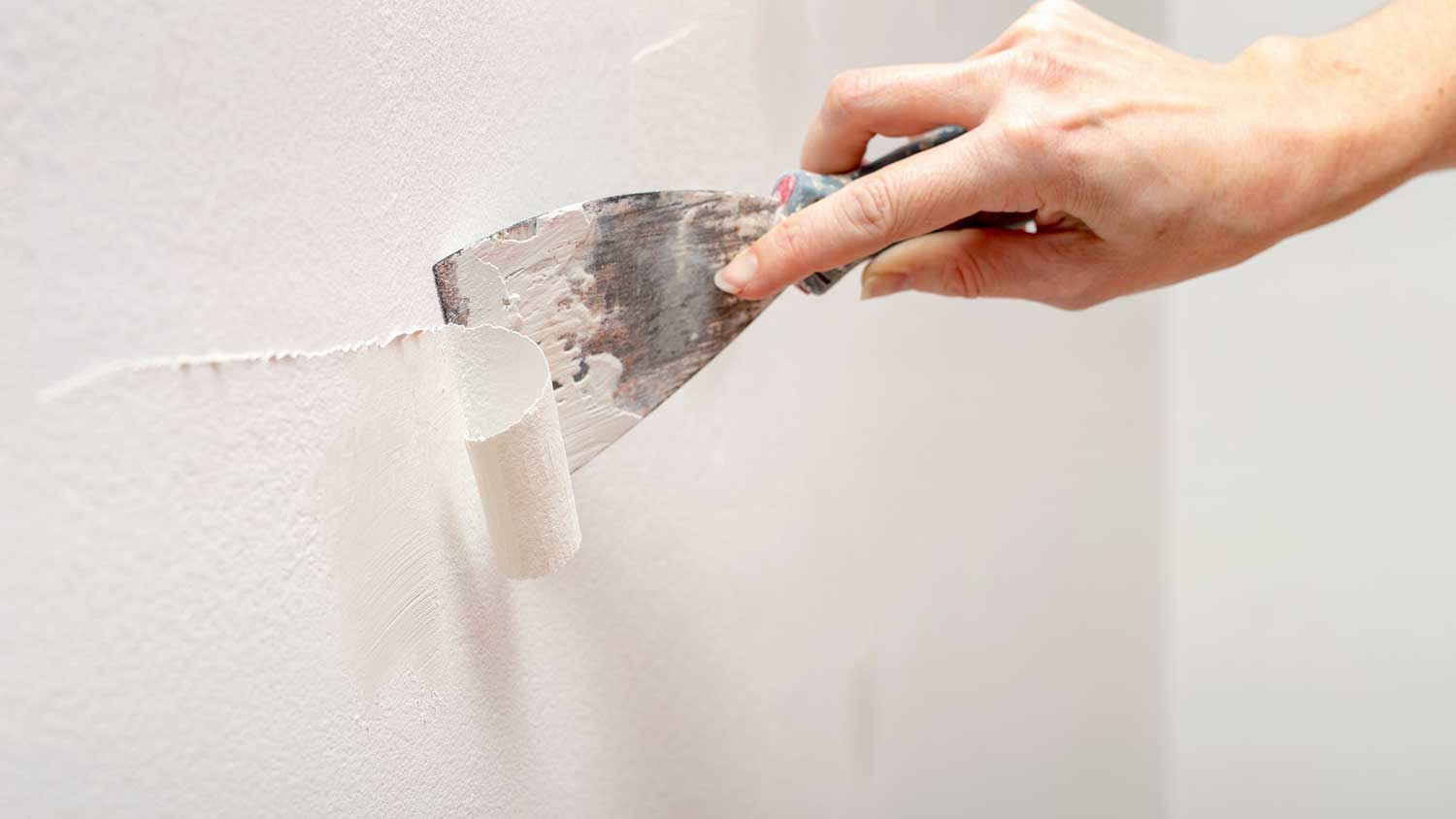
The cost to remove texture from walls depends on square footage and the type of texture. Learn all the factors that will impact your budget in this guide.
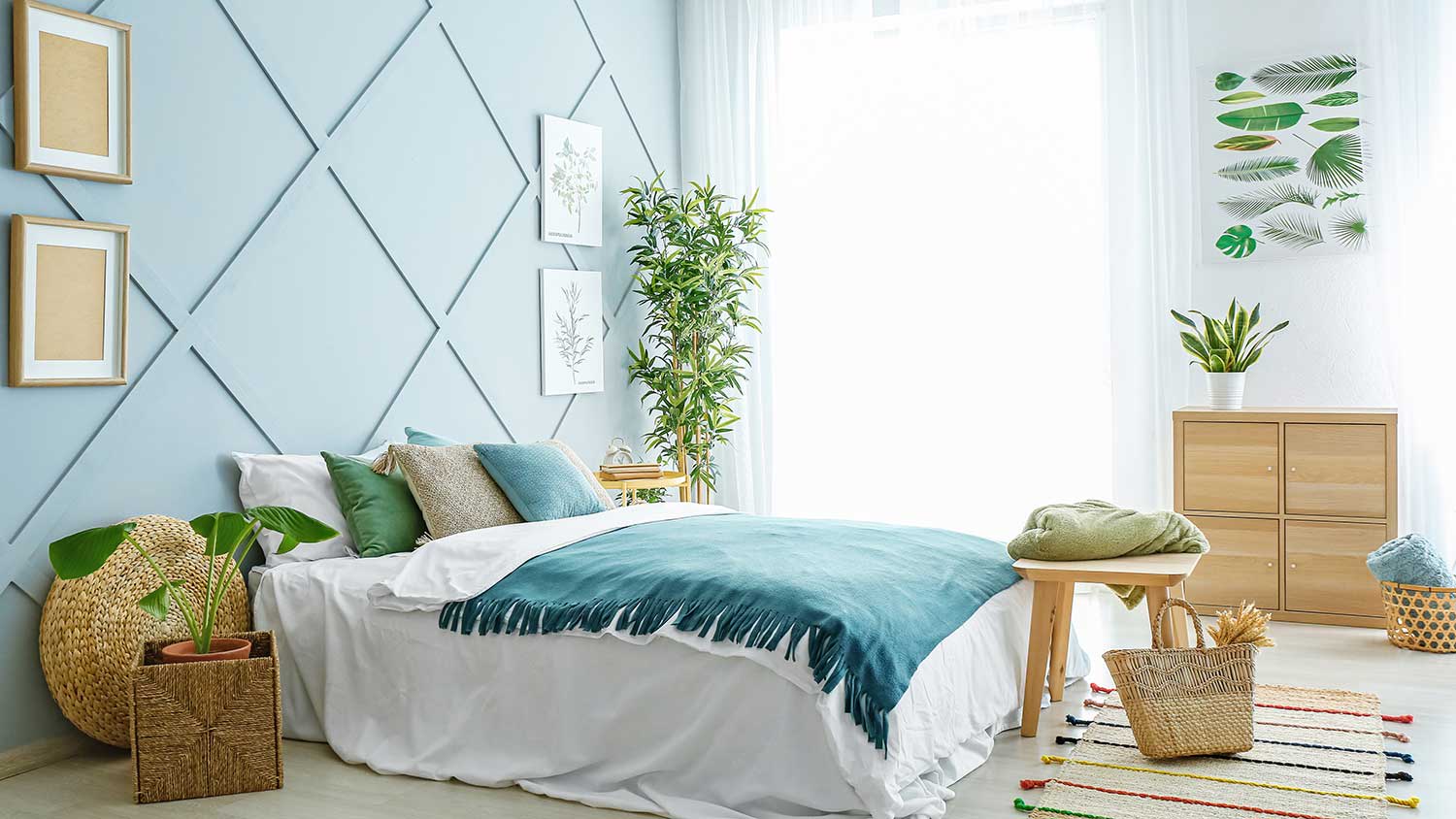
From stone, tile, wallpaper, or paint, discover different accent wall ideas for your space.
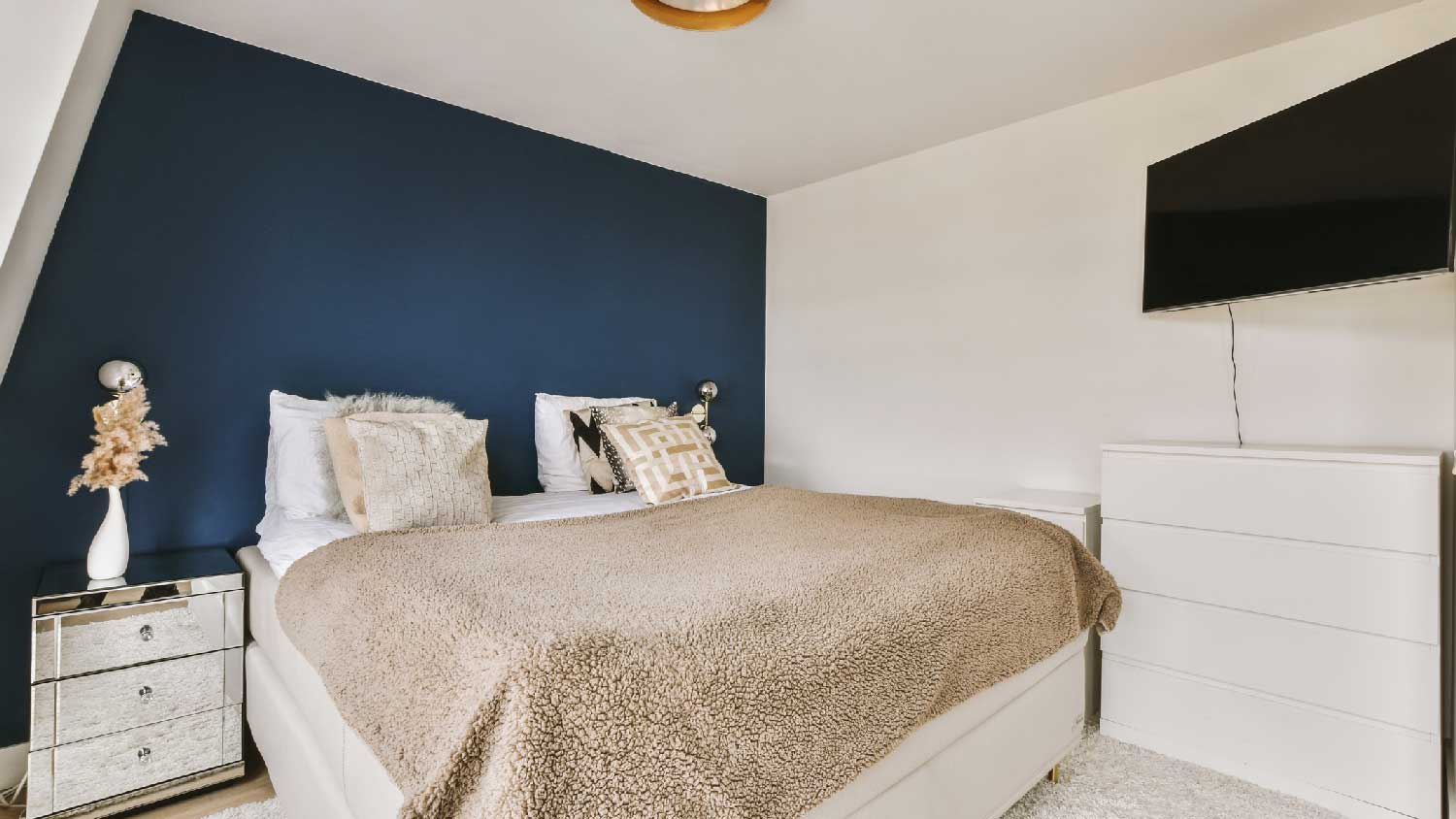
An accent wall can add visual interest to any room. Learn how to choose an accent wall for the most impact.
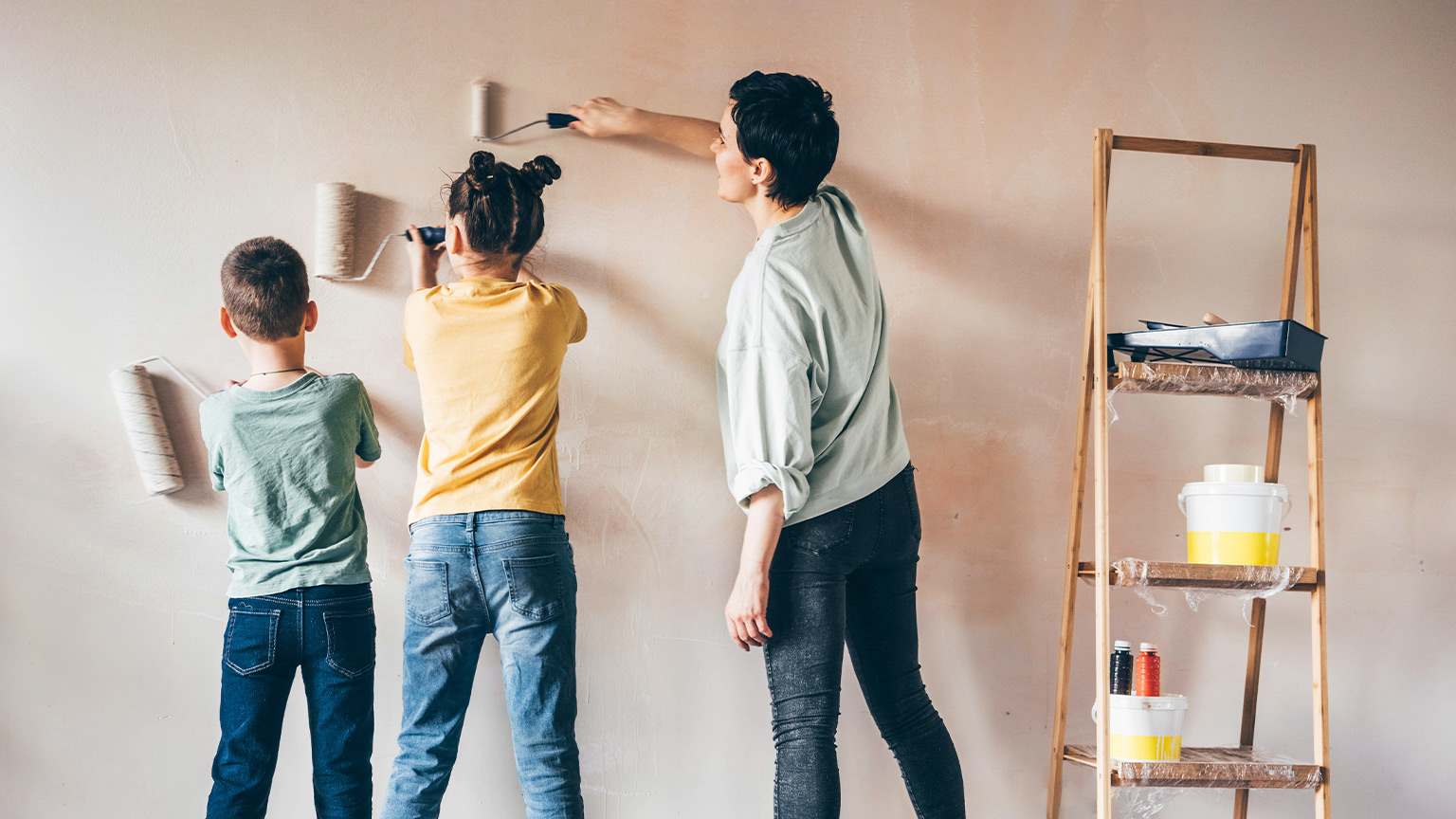
Have a blast creating the perfect accent wall for your home with these unique wall painting textures, colors, and techniques. Use our list of DIY, kid-friendly, geometric, and patterned ideas to inspire your next painting project.