


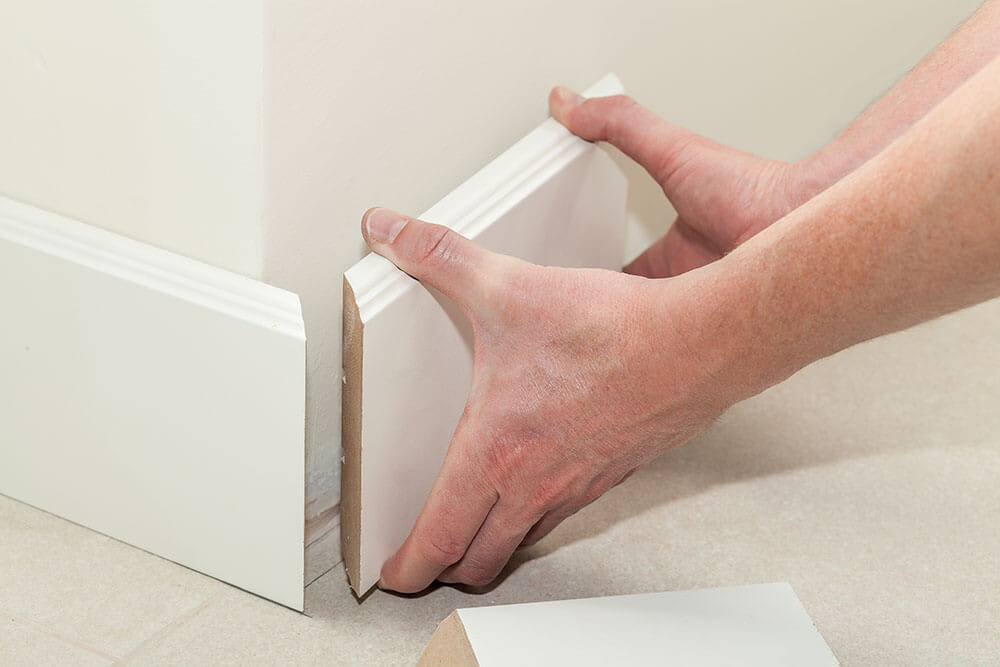
Installing new baseboards can totally refresh the look of your walls. Learn about the cost to install baseboards in your home.
Interior painting costs depend on your project and location. Check with a local pro for your specific job.

Professional baseboard painting costs between $500 and $2,000 for your home project, depending on room size and trim condition.
Baseboard height and condition determine your painting costs, with specialty baseboards 6 to 8 inches tall requiring extra time and materials.
You should account for prep work like cleaning, sanding, or paint removal, which adds $0.20 to $3 per linear foot to your budget.
Hiring a local baseboard installation professional ensures your trim gets a polished finish and saves you time and physical effort.
In 2026, the national average cost to paint baseboards is $10 per linear foot . Most baseboard paint jobs fall between $500 and $2,000, depending on the size, style, and current condition of your baseboards.
Calculations are based on the average square footage of a bedroom, which is 132 square feet, and 1 inch baseboards. We converted these dimensions to 46 linear feet. One gallon of paint covers approximately 400 square feet. Calculations rounded to the nearest whole number.
| Cost Calculator | Quantity | Cost Range in 2026 |
|---|---|---|
| Paint Costs | 1 gallon | $10–$100 |
| Baseboard Painting Labor | 46 linear feet | $50–$185 |
| Optional: Install Baseboards | 46 linear feet | $265–$415 |
| Optional: Remove Baseboards | 3 hours | $150–$300 |
| Total | $60–$285 | |
| Total per Linear Foot | $1–$6 | |
| Total with Options | $475–$1,000 | |
| Total per Linear Foot with Options | $10–$25 |

Several key factors shape the total cost of a baseboard painting project, and understanding them helps you budget accurately from the start. The size and condition of your baseboards, the amount of prep work required, and whether you need repairs all influence what you'll pay. Costs also vary depending on whether your painter charges by the linear foot or by the hour, and whether you request premium materials.
Baseboard height directly affects your painting estimate, with specialty baseboards measuring 6 to 8 inches tall costing 20% to 25% more than standard 3-inch to 5-inch baseboards. The premium reflects the additional time and paint required to cover the larger surface area.
Damaged or dented baseboards require wood filler and buffering before paint can be applied, and most pros charge $5.70 to $8.95 per linear foot for that repair work on top of standard painting costs. Addressing condition issues upfront ensures a smooth, lasting finish rather than painting over underlying damage.
Professional painters typically charge $1 to $4 per linear foot to paint baseboards, with the room's type and size influencing where your project lands in that range. Most contractors price by the room, but if you're repainting baseboards throughout an entire home, ask about a flat-rate volume discount. Some painters also estimate costs using total square footage rather than linear footage, so confirm the measurement method when comparing quotes.
Most painters bundle labor into their per-linear-foot estimate, but some bill separately at $20 to $50 per hour. When comparing bids, ask professional painters to cost out both methods so you can identify the better value for your specific projects.
Paint for baseboards runs $10 to $100 per gallon depending on brand and quality, and baseboards need premium paint primers and durable finishes that can withstand everyday scrapes and kicks. Your contractor may bundle material costs into the overall estimate, but requesting higher-quality products will increase your total. Semi-gloss paint is widely considered the best finish for trim and baseboards, so confirm your painter isn't substituting flat wall paint if a vibrant, cleanable result matters to you. You can also review the best brushes to paint trim with to understand the tools that produce the cleanest lines.
Prep work is almost always necessary to achieve a smooth, polished finish, and baseboards with multiple layers of existing paint may require cleaning baseboards, sanding, or full paint removal before a new coat can be applied. Asking your painter for a flat rate that covers all prep upfront is a smart way to avoid surprise charges. Baseboard painting prep costs vary by the type of work required, as the table below shows:
| Prep Type | Average Cost Per Linear Foot in 2026 |
|---|---|
| Cleaning | $0.20–$0.50 |
| Sanding | $0.30–$0.50 |
| Paint or varnish removal | $1.00–$3.00 |

Painting baseboards is a project that most DIYers can tackle, and doing the work yourself will save you an average of $1 to $4 per linear foot. While the savings you’ll enjoy are substantial, hiring a local baseboard installer or interior painter will save you a lot of time and energy, and it will almost always result in a cleaner, more professional appearance that can further boost home value.
There are a few important upsides that you’ll enjoy when you hire a professional to get the job done, and these can easily tip the scales and make the labor a worthwhile investment.
Pros are less likely to make mistakes, like getting paint on walls and flooring, which would cost more time, energy, and money to correct.
DIYers may rely on painter’s tape to create clean lines, while pros can sometimes remove baseboards, paint them, and reinstall them for perfect lines.
Experts can apply caulking that matches your baseboard color after painting to create seamless transitions between your trim and other surfaces.
Pros can often get the job more quickly, which means fewer interruptions to your daily routine.
Experts can often carry out any necessary repairs to your baseboards before painting.
Painter's tape will ensure crisp, clean lines, but only if you use it correctly. Wash and dry your surface before applying tape, then remove it as soon as the paint is dry to the touch.

While updating your baseboards, it's worth bundling related painting and trim projects into the same visit to save on mobilization costs and achieve a cohesive finished look. Costs for common add-ons vary by project type and scope, as the breakdown below shows.
Crown molding installation cost: $4 to $23 per linear foot
Painting window frame cost: $1 to $5 per linear foot for paint
Install trim: $200 to $6,500
If you have the time and motivation, consider handling some of the prep work yourself to reduce labor costs. You can get your baseboards in workable condition by preparing a bucket of warm water, liquid dish soap, and vinegar and scrubbing your baseboards clean with a sponge.
You may also choose to sand your own baseboards using 80-grit to 120-grit sandpaper until you can clearly see that the shine is gone from the surface. That way, your baseboards will be ready for the professional painters to paint right away, reducing their time on task and labor costs.
Finally, you may also consider taking on other less detail-oriented painting jobs, like painting the trim or walls in the room to match your new baseboards. Just be sure to give the appropriate amount of wait time between paint coats.
Discuss paint colors and also finishes with your pro to ensure you get the look and ease of maintenance you’re going for.
Ask your pro if you need to carry out any prepwork, like cleaning the baseboards or moving furniture out of the way.
Discuss any add-on services you want, like painting for other trim or even walls or ceilings throughout your home.
Confirm the timeline required for letting your paint dry so that you’re prepared not to minimize nearby foot traffic after the application.
Home is the most important place on earth, which is why Angi has helped more than 150 million homeowners transform their houses into homes they adore. To help homeowners with their next project, Angi provides readers with the most accurate cost data and upholds strict editorial standards. We extensively research project costs to develop the pricing data you see, so you can make the best decisions for you and your home. We rely on reputable sources, including the U.S. Bureau of Labor Statistics, academic journals, market studies, and interviews with industry experts—all to ensure our prices reflect real-world projects.
Want to help us improve our cost data? Send us a recent project quote to [email protected]. Quotes and personal information will not be shared publicly.
Custom Paint Jobs LLC is the go-to choice for all your painting needs. They painted both the interior and exterior of my house flawlessly. Their work speaks for itself!
 Custom Paint Jobs, LLC
Beginning with the estimate, Larry and Peyton were super helpful in getting my new condo's interior re-painted. Not only was the job well done, but also done in a super timely manner as promised.
 Five Star Painting of Plain City and Powell
From average costs to expert advice, get all the answers you need to get your job done.
Installing new baseboards can totally refresh the look of your walls. Learn about the cost to install baseboards in your home.
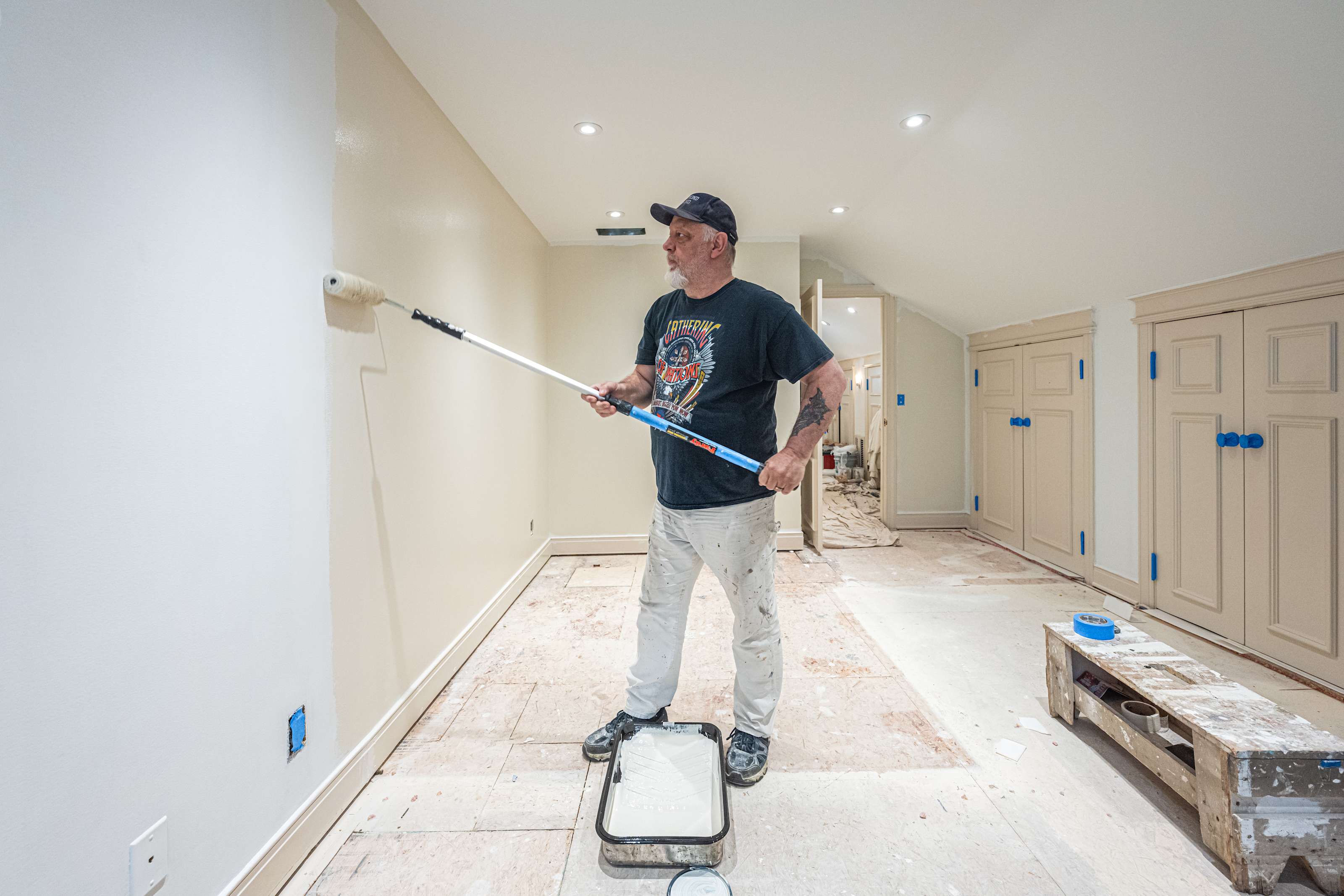
How much does it cost to paint a room? Learn what you’ll pay to give your space a makeover, depending on room size, paint type, the pro you hire, and more.

Wondering about the cost to paint a kitchen? Discover prices, key cost factors, and tips to help you budget for your kitchen painting project.

When painting baseboards with carpets around them, it’s important to take steps to avoid making a mess on your carpet and achieve the best paint job possible.

Follow this how-to guide to learn how to paint baseboards around your home to refresh, beautify, and update any room in a few hours.
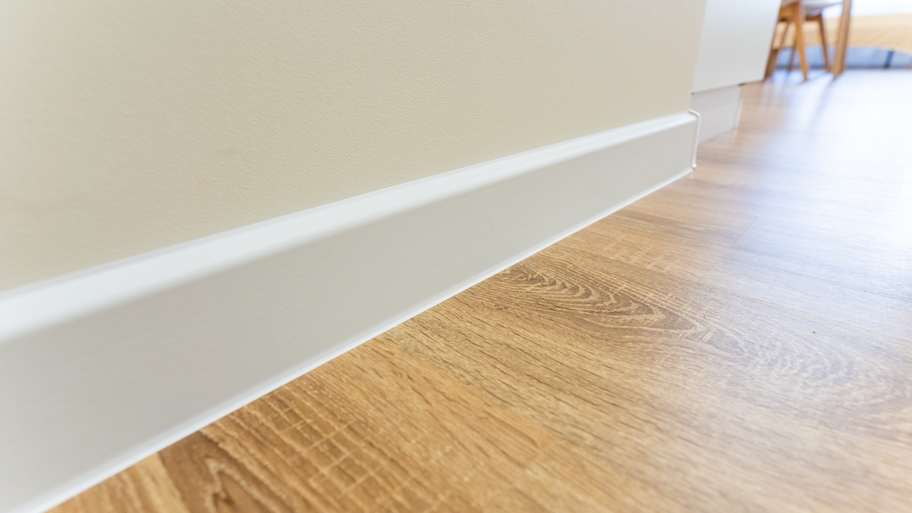
Shopping for budget-friendly wood trim options? Compare MDF baseboards versus pine for a look that best suits your design needs while staying on budget.