


How much does it cost to paint a room? Learn what you’ll pay to give your space a makeover, depending on room size, paint type, the pro you hire, and more.
Interior painting costs depend on your project and location. Check with a local pro for your specific job.

Professional ceiling painting costs between $200 and $500 on average, though your total depends on ceiling size and height.
Textured ceilings like popcorn or tongue and groove need more paint and labor, while vaulted ceilings require specialized equipment and safety measures.
You should account for ceiling repairs ranging from $440 to $1,500 plus primer and prep work when planning your budget.
Hiring a local painting professional ensures your ceiling painting project is done well and improves the appearance of your property.
In 2026, the national average cost to paint a ceiling is $250, with most homeowners spending between $200 and $500 for professional work. Prices can range from $150 to $10,000, depending on ceiling height, texture, and whether specialized equipment is needed.
As with most projects, many factors can affect the cost to paint a ceiling. Here are the most common variables that will influence your budget.
Ceiling painting costs between $0.50 and $5 per square foot on average, with the primary cost driver being the size of the space. For a single-room project, expect to pay around $1 per square foot at the low end. Smaller jobs might cost more per square foot because pros factor in overhead expenses like fuel, insurance, travel, and supplies.
The table below breaks down the average cost to paint a ceiling by size in square feet:
| Ceiling Size (Sq. Ft.) | Cost to Paint Ceiling in 2026 |
|---|---|
| 100 | $100–$500 |
| 200 | $100–$1,000 |
| 300 | $150–$1,500 |
| 400 | $200–$2,000 |
| 500 | $250–$2,500 |
| 1,000 | $500–$5,000 |
| 2,000 | $1,000–$10,000 |
Most ceilings sit around 8 feet tall and are easily reached with a basic ladder or extendable pole. If you need to paint higher ceilings or vaulted ceilings, expect increased labor costs due to greater difficulty and risk. Some painters won't charge extra for 10-foot ceilings, but anything beyond that can add $100 to $500 to your total for the additional labor.
The type of ceiling you have is a key cost factor, since textured surfaces require more paint and more labor time. Most ceiling styles run $1 to $3 per square foot. Exposed basement ceilings and tongue-and-groove ceilings are specialty jobs that can cost $1.50 to $6 per square foot. The table below compares the average cost to paint a ceiling based on type:
| Type of Ceiling | Cost to Paint per Sq. Ft. in 2026 |
|---|---|
| Smooth or flat | $0.50–$3 |
| Popcorn | $1–$3 |
| Tongue and groove | $1.50–$5 |
| Exposed basement | $2–$6 |
| Grid or drop tiles | $0.50–$3 |
One gallon of ceiling paint costs between $20 and $60 and covers around 350 to 400 square feet with a single coat. Your painter may bundle the cost of paint into their labor estimate or itemize it by the gallon. Most ceilings require two coats, so plan your material budget accordingly.
Professional painters charge between $25 and $75 per hour on average, with the primary cost driver being the job's complexity and size. Hiring a pro means you get skilled workmanship, time savings, and a cleaner finished result than most DIY attempts deliver.
Painting trim or crown molding adds complexity to a ceiling project, and many painters charge extra for it. Most pros price this work at $0.50 to $3 per linear foot, depending on the intricacy of the trim design. If you have crown molding you want painted, budget for this separately when gathering quotes.
Proper prep work is essential for a quality ceiling paint job, and it adds to both material and labor costs. Cleaning, sanding, and priming the surface before painting helps conceal blemishes, fingerprints, water stains, and uneven areas. Thorough prep also reduces the number of coats needed, which can offset some of the added expense.
The type of ceiling you have directly shapes job complexity and the final cost to paint it. Specialty ceiling types require more labor, additional equipment, or extra paint, all of which raise prices above those for a standard flat ceiling.
Popcorn ceiling painting costs $1 to $3 per square foot for a basic paint job, though the textured surface typically requires more paint than a smooth ceiling. Popcorn ceilings installed before 1980 may contain asbestos, which could add $5 to $20 per square foot for the cost of asbestos removal before any painting begins.
Painting an exposed basement ceiling costs between $2 and $6 per square foot, driven by the extra surface area of floor joists and the many nooks and crannies involved. A drop ceiling is a simpler job, typically falling between $0.50 and $3 per square foot.
Painting a vaulted ceiling costs between $2 and $6 per square foot, with the higher price reflecting the additional labor, safety equipment, and access challenges involved. Pros often need to bring extra ladders or rafters to reach the full surface safely. Ceilings over staircases carry similar pricing due to the uneven footing required for ladders and scaffolding.

Beyond the base cost of painting, several additional variables can increase the cost of painting a ceiling. Understanding these factors upfront helps you build a more accurate budget before work begins.
Ceiling repairs cost anywhere from $440 to $1,500, and paint alone won't hide cracks, holes, or peeling surfaces. For water stains or sagging areas, bring in a local plumber to check for leaks or a drywall professional to address water damage before painting begins. Skim coating is another option for smoothing imperfections and improving paint adhesion, with costs ranging from $1.10 to $1.30 per square foot.
Many paint contractors charge a minimum project fee of around $150 to $300 to cover overhead costs regardless of job size. If you're only painting the ceiling in your bathroom, the per-square-foot rate alone won't reflect what your pro will actually charge. Always ask about minimum fees when comparing quotes so you're not caught off guard.
It’s not expected to tip your painter, but it’s always a welcome gesture. If you'd like to tip, 10% to 15% of your project total is a generous and appropriate range. Refreshments during the job or a positive online review are also meaningful ways to show appreciation.
When you're having a ceiling painted, it's always a good idea to bundle your painting projects and get as much done at once as possible. This will help you save on minimum project fees, and you might also get a price break on larger projects.
Cost to paint crown molding: $0.50–$3 per linear foot
Cost to paint walls in a room: $300–$2,800
Cost to paint the full interior of a home: $350–$5,700
Popcorn ceiling removal cost: $300–$5,700
If you’re trying to make this project as budget-friendly as possible, there are some ways to save money on the cost to paint a ceiling.
Buy your own paint: Some painters might mark up prices for providing the paint.
Opt for high-quality ceiling paint: You’ll pay more upfront, but you’ll get even, durable coverage that will save you in future repainting costs.
Use primer: Primer can disguise flaws and help you get the paint job done potentially without having to pay for more expensive repairs.
Shop around: When hiring a professional painter, get at least three quotes to find the best deal.
Plan ahead: Protect your furniture and flooring with drop cloths or plastic sheets to prevent paint spills or splatters that might require costly cleaning or repairs.
Save your supplies: Properly clean and store your brushes and rollers so you have them handy for your next painting project.
On average, you’ll save $200 by painting a ceiling yourself, but you likely won’t save anything if you also need to invest in supplies like paint trays, rollers, brushes, and ladders. If you don’t already have the supplies you need, hiring a local interior painting company may not cost much more than taking on the project yourself.
Even if you do have supplies, it’s a good idea to hire a pro if the job requires the use of a ladder, especially if you’re working with vaulted or cathedral ceilings.
Painting a ceiling is a more complex project than it may seem. Here’s why it’s best to hire a pro for the job:
Professionals know how to properly prepare the surface by patching cracks, sanding, and priming.
Experienced pros have the specialized tools, such as rollers and sprayers, needed to reach high areas.
DIY painting jobs can lead to drips, streaks, and patchy coverage.
Experts know how to protect your walls, floors, and furniture from paint splatter.
A professionally painted ceiling improves the appearance and appeal of your property.
If you want to help out your pro, focus on smaller tasks like:
Moving furniture and decor out of the room before your pro arrives
Laying down protective coverings to prevent splatters and drips
Taping edges, molding, and trim under your pro’s guidance
Cleaning up brushes, rollers, and drop cloths after the project is complete
Have a clear idea of the color, finish, and type of paint that best match your budget and style preferences.
Explain the size and layout of your ceiling so your pro can determine the correct amount of materials required.
Let your pro know about any damage or concerns that may require repair before painting begins.
Outline any light fixtures, crown molding, and trim work that could affect the project's complexity.
Home is the most important place on earth, which is why Angi has helped more than 150 million homeowners transform their houses into homes they adore. To help homeowners with their next project, Angi provides readers with the most accurate cost data and upholds strict editorial standards. We extensively research project costs to develop the pricing data you see, so you can make the best decisions for you and your home. We rely on reputable sources, including the U.S. Bureau of Labor Statistics, academic journals, market studies, and interviews with industry experts—all to ensure our prices reflect real-world projects.
Want to help us improve our cost data? Send us a recent project quote to [email protected]. Quotes and personal information will not be shared publicly.
Custom Paint Jobs LLC is the go-to choice for all your painting needs. They painted both the interior and exterior of my house flawlessly. Their work speaks for itself!
 Custom Paint Jobs, LLC
Beginning with the estimate, Larry and Peyton were super helpful in getting my new condo's interior re-painted. Not only was the job well done, but also done in a super timely manner as promised.
 Five Star Painting of Plain City and Powell
From average costs to expert advice, get all the answers you need to get your job done.
How much does it cost to paint a room? Learn what you’ll pay to give your space a makeover, depending on room size, paint type, the pro you hire, and more.
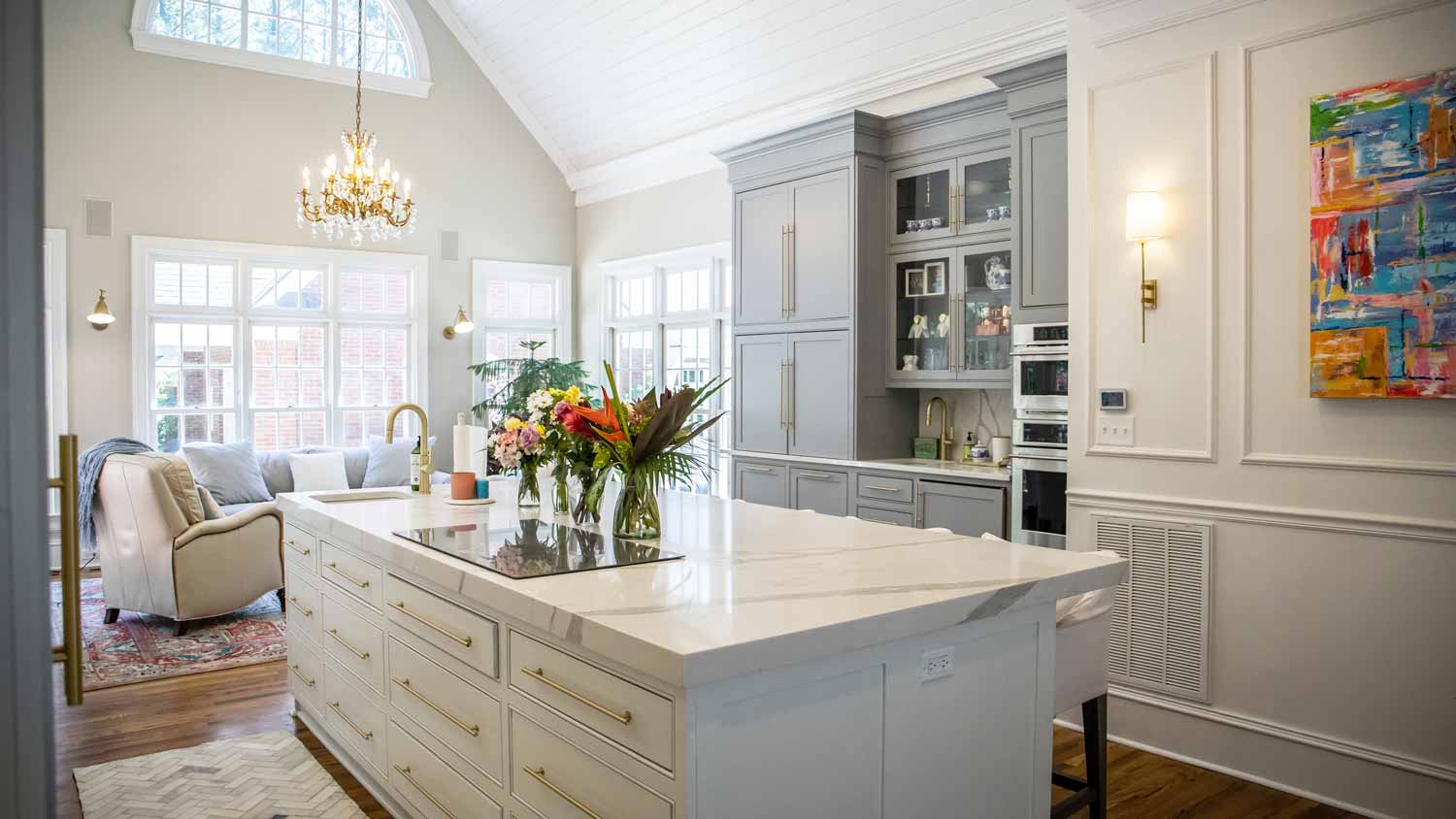
Looking to expand your ceiling and send claustrophobia running for the hills? This guide covers the cost to vault a ceiling and factors that impact estimates.
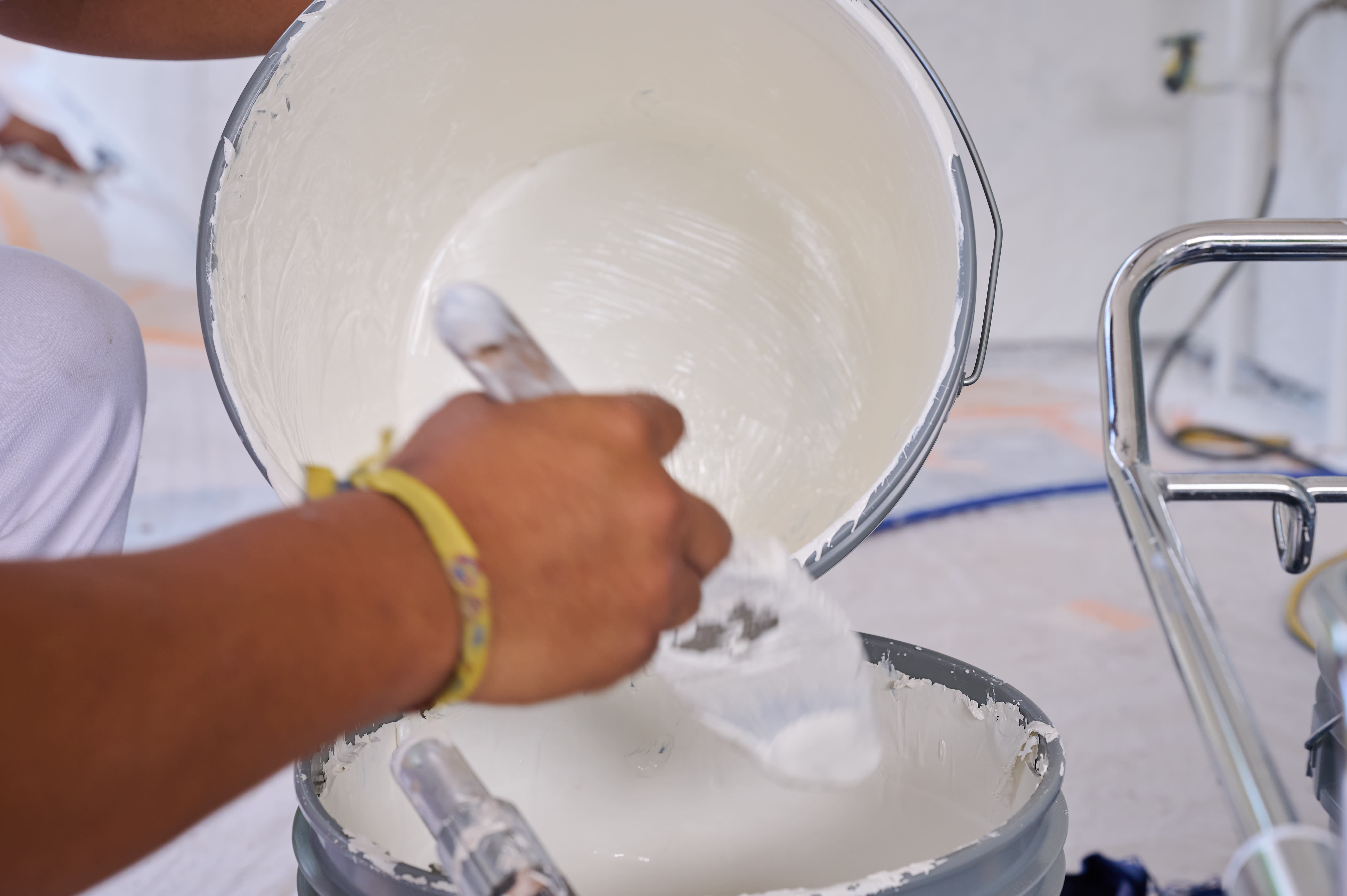
How much is a gallon of paint? Whether latex or oil-based, spray paint, primer, shellac, or lacquer, we’ll tell you what price to expect.

Refresh your space with a new coat of color. Learn about ceiling painting costs, warning signs of water damage, and how to hire a local interior painter.
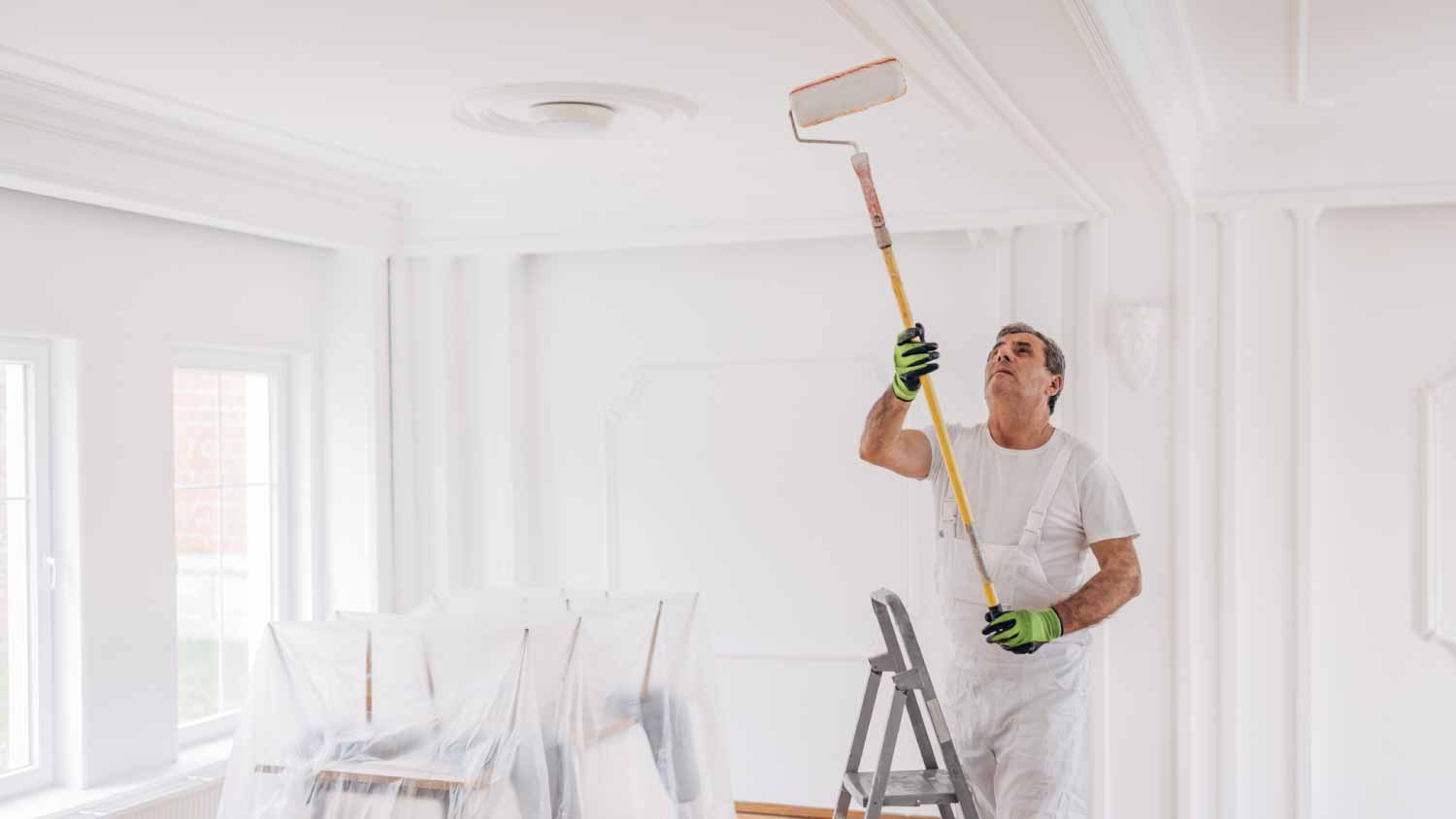
Wondering who to hire to paint ceilings? Compare pro painters vs. handymen, learn how pros work, and make a confident choice today.
Not sure whether to use ceiling or wall paint for your upcoming paint job? Compare ceiling paint vs. wall paint with this informative guide.