

Discover what average tree removal costs in Seattle, WA based on different factors to know how much it will cost to take care of a dead or troublesome tree on your property.
Tree service costs depend on your project and location. Check with a local pro for your specific job.

Tree trimming costs in Seattle, WA, range from $90 to $2,000, with pricing largely depending on tree size and species.
Mature Douglas firs and other large evergreens cost more to trim than smaller ornamental trees.
Permit requirements, difficult access, pest treatments, and arborist reports can increase your total project cost.
Hiring a tree-trimming pro in Seattle, WA, helps ensure the safe management of tall trees and the protection of nearby homes and utility lines.
Seattle, WA, is known for its dense urban tree canopy, towering evergreens, and established residential neighborhoods where regular tree maintenance helps protect homes and preserve tree health. From large Douglas firs and cedars to ornamental trees throughout the city, trimming can reduce safety hazards, improve curb appeal, and help prevent damage during the region’s windy winter storms.
Understanding tree trimming costs in Seattle, WA, can help homeowners plan for both routine maintenance and larger pruning projects. The average tree trimming project costs $511, with most homeowners spending between $300 and $2,000. Final pricing depends on tree size, species, accessibility, and condition, while steep lots, limited equipment access, and proximity to homes or utility lines can also increase costs.
Several factors influence tree trimming costs in Seattle, WA, including tree size, species, overall health, accessibility, the time of year, and the number of trees being serviced during a visit. Understanding these variables—and the pros and cons of hiring a tree service—can help homeowners budget more accurately for projects involving everything from small ornamental trees to large evergreens common throughout the Seattle, WA, area.

The size of the tree affects the cost of trimming for a few reasons. On a basic level, there is usually more to trim on larger trees. In addition, very tall trees may require a skilled climber if a budget-friendly bucket truck won’t reach the top.
| Tree Size (Ft.) | Average Cost |
|---|---|
| Under 25 | $90–$390 |
| 25–50 | $165–$890 |
| Over 50 | $335–$2,000 |
The tree experts in your area should have experience with the species commonly found in your region. Here are the cost ranges for several common types of trees:
| Tree Type | Average Cost |
|---|---|
| Pine | $220–$2,000 |
| Douglas Fir | $335–$2,000 |
| Oak | $200–$1,665 |
| Cypress | $165–$1,335 |
| Japanese Maple | $90–$445 |
If you have a protected tree on your property, you may need approval from your local jurisdiction before performing major trimming or removal work. In Seattle, WA, certain exceptional trees and trees located in environmentally critical areas are protected under city regulations, and permits may be required before significant pruning or removal can take place.
Trees are susceptible to weather-related damage as well as health issues specific to their species and your region, such as fungal disease, cracks, insect damage, and weak roots. All of these problems can increase the price and length of a tree trimming job.
For example, tree pest control can add between $55 and $280 to the cost of tree trimming.
The most common time to trim a tree is toward the end of winter, before early spring. Understanding the difference between tree pruning vs. trimming can also help you determine the right service for your trees. At this time, it’s easier for professionals to identify the best branches to trim without leaves hiding the branches.
It’s also generally better to trim trees when they’re dormant so that, come spring, they’re ready to flourish. Tree trimming during peak season, however, may cost hundreds of dollars more than trimming during the off-season, so keep this in mind as you plan your project.
Does the tree that needs trimming sit right up against your house? Is it entangled with other trees? How close is it to utility lines? How accessible a tree is for trimming will sway the cost, especially if specialized equipment is needed.
If your tree’s branches are impeding local power lines, it’s a good idea to call your local utility company for advice. Some companies will even trim or cut down your tree for free if it's in everyone's best interest.
Since they’re already going to be at your property with all their equipment, contractors will often offer you a discount if you get several trees trimmed at the same time. On average, the savings can reach $110 per tree.
The total cost of hiring a tree trimming company includes more than just the trimming itself. When hiring a tree trimming pro in Seattle, WA, your estimate may include labor, permit fees, licensing and insurance costs, certifications, and applicable sales taxes.
Tree trimming labor in Seattle, WA, is often priced per project rather than by the hour. When hourly rates are used, professional tree crews charge approximately $300 to $450 per hour for a two- to three-person crew, with larger trees, difficult access, and specialized climbing work increasing costs.
Seattle, WA, has strict tree protection regulations that may require permits or city approval before removing or significantly pruning certain protected, exceptional, or tier-classified trees. Permit-related costs vary by project, but homeowners may incur additional fees for applications, inspections, arborist reports, or required mitigation measures.
Tree service providers working commercially in Seattle, WA, must register with the city, and reputable companies carry liability insurance and workers' compensation coverage. Hiring an ISA Certified Arborist can increase project costs, but provides specialized expertise for pruning large, mature, or protected trees.
Washington's combined sales tax rate in Seattle, WA, is just over 10%. Depending on how a contractor structures an invoice, sales tax may apply to taxable materials, equipment charges, and certain services associated with a tree trimming project.
Some Seattle, WA, tree care projects require specialized expertise beyond standard trimming services.
Arborist: When hiring an arborist, expect to pay $110 to $220 per hour in Seattle, WA. Arborists assess tree health, diagnose diseases and pest issues, prepare reports for protected trees, recommend treatment plans, and help homeowners comply with local tree protection regulations.
Landscape Designer: When hiring a landscape designer, expect rates of $55 to $165 per hour or $550 to $6,650 for a complete design plan in Seattle, WA. Landscape designers create planting plans, improve drainage, integrate new trees into existing landscapes, and develop outdoor spaces that complement mature Pacific Northwest trees.
In a city known for its mature evergreens, dense urban canopy, and tree-lined residential neighborhoods, the tree pruning and trimming benefits extend beyond simple maintenance. Regular trimming helps improve curb appeal, supports long-term tree health, and reduces the risk of dead or overhanging limbs that can threaten homes, vehicles, and other property during Seattle, WA’s windy and rainy seasons.
Professional tree care can also deliver a strong return on investment (ROI). Industry data estimates that tree care projects offer approximately 90% ROI, while landscape maintenance projects can recover approximately 100% at resale. Maintaining healthy, attractive trees helps preserve one of the city's most desirable property features: a well-established landscape. For homeowners preparing to sell, tree trimming can be a cost-effective way to enhance first impressions and improve the overall appearance of the property.
To help homeowners plan their next project, Angi provides readers with carefully researched cost data and upholds strict editorial standards. We start with national average project costs, which we collect by analyzing competitor information, retailer material costs, and input from professional contractors. We then apply local price index data to calculate location-specific estimates that reflect what homeowners typically pay in their local area. To do that, we use data from the U.S. Bureau of Economic Analysis (BEA), including its Regional Price Parities (RPPs), which measure price differences across cities. This helps us account for differences in labor, materials, and overall cost of living, so estimates in higher- or lower-cost areas better reflect real-world local pricing.
Every estimate undergoes a thorough editorial review to verify accuracy, consistency, and alignment with observed market conditions.
Want to help us improve our cost data? Send us a recent project quote to [email protected]. Quotes and personal information will not be shared publicly.
The DRLC team did a great job on our yard cleanup! They were able to fit us in quickly, gave us a fair price, and did great work. They were also able to do the tree trimming we needed so we didn’t have to hire a separate tree company.
 DRLC General Contractor, LLC
Robert's service was fantastic! The stump from a newly fallen tree straddled our property line and he was able to listen to both our inputs and give us a reasonable bid. The stump was on a slope and needed excavating as well as grinding. Robert cleared the stump, filled the hole with the wood...
 Sno-King Stump Grinding
Just 4 trees was awesome! They gave me a fair estimate. Less than my other 3 estimates. They were very polite and respectful. Great with communication. Got the job done quickly. I definitely recommend them.
 JUST FOR TREES LLC
Jon was very professional. He was on time for a consultation and again for actual work. He very flexible taking on additional work I requested while on site. He sought to save a tree that was viable with careful pruning rather than simply cutting it down as others had proposed. His work...
 JON'S TOP TREE SERVICE LLC
Mardo of Dream Team service trim a large magnolia tree, a evergreen tree overhanging our roof, remove a 10’ flowering tree, remove a 20’ palm tree, remove a 8’ tall shrub at our house in the East Lake area. Both the magnolia and the evergreen tree are about 30 ft tall and needed to be...
 Dream Team Tree Services LLC
Did great shrub/tree trimming yard cleanup in a small job. Excellent communications and service.
 General Services BR
I am so glad we found Nelson's Tree Service! They fit us into their schedule quickly and did a fantastic job taming our out-of-control hedges. They arrived exactly when they said they would, and communication was excellent. Give then a call. You'll be glad you did!
 Nelson's Tree service LLC
prompt, professional, knowledgeable service, could not have been more helpful. I have had the sewer line cleaned many times due to tree roots, this was the best.
The experience was absolutely fantastic! I got a call quickly, I texted a picture, got a quote, and within a few hours, Neil arrived to take out my tree stump. He was done within an hour. Excellent custom as service. Very fair price. Highly recommend! A+
 Pacific Coast Stump Grinding General Contractors, LLC
I have used the company for a number of years as they are always willing to tackle my tree trimming and removal needs. They do excellent work, charge fairly, and are always trying to fit me into their busy schedule.
 WESTERLUND WOOD & TREE SVC
From average costs to expert advice, get all the answers you need to get your job done.
Discover what average tree removal costs in Seattle, WA based on different factors to know how much it will cost to take care of a dead or troublesome tree on your property.
The most significant factor in tree removal costs is the amount of debris. Read on to learn more about the average tree debris removal costs in Seattle, WA.
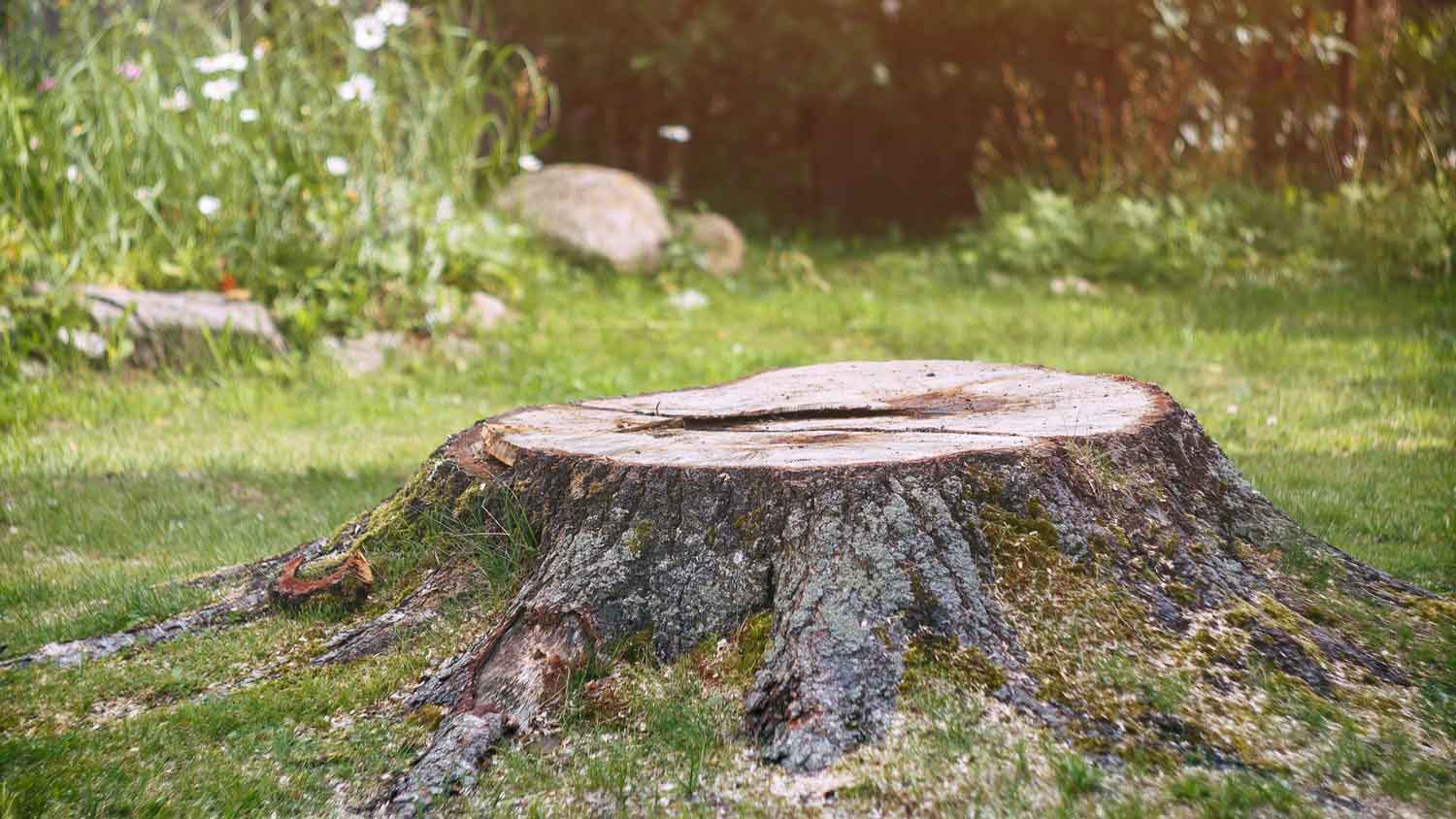
Find out the average tree stump removal cost in Seattle, WA. Learn what you can expect to pay for local stump grinding and clear your yard today.
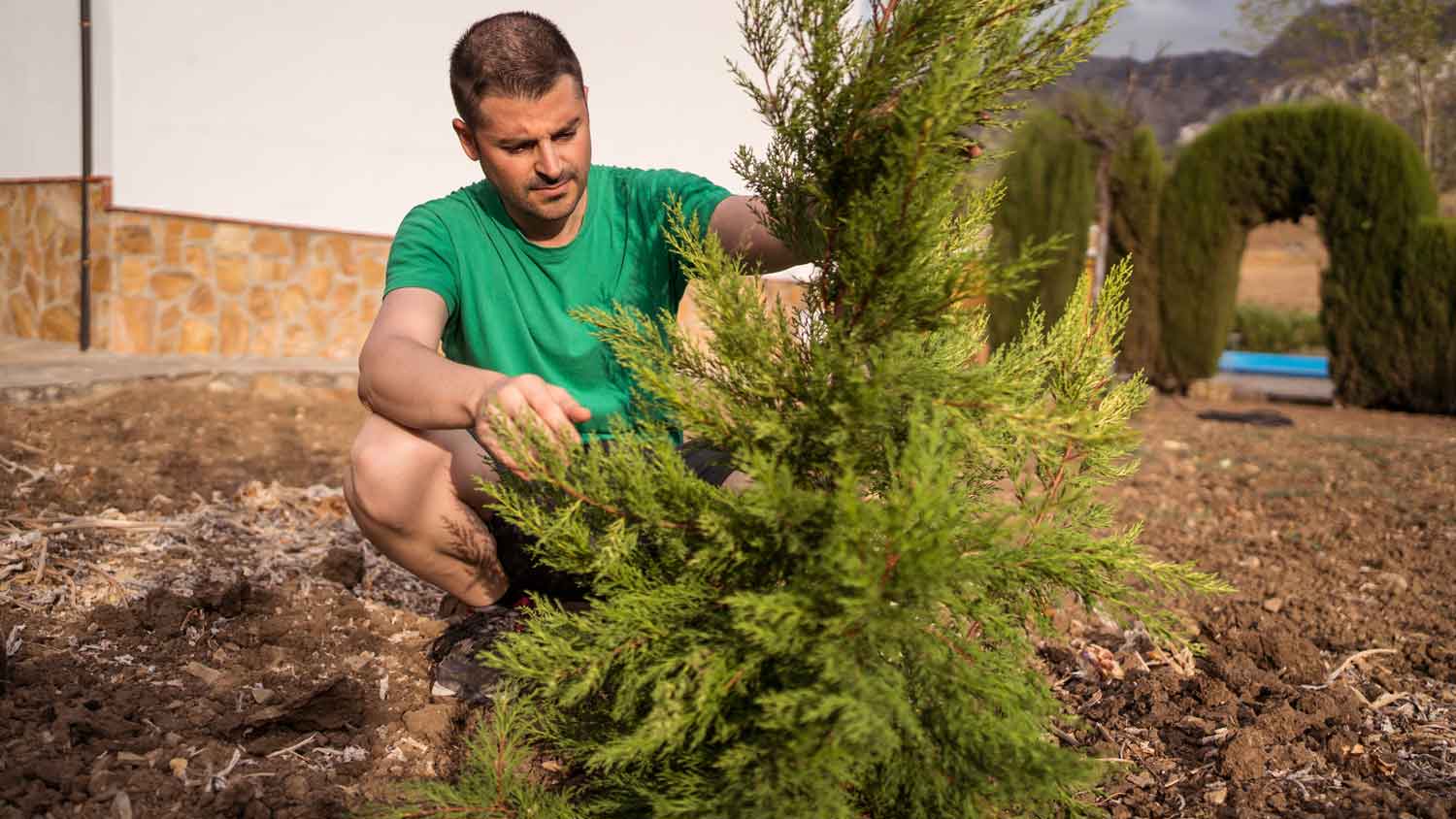
Wondering who to hire to plant trees? Learn everything you need to know about the hiring process for professional tree planting in this informative guide.
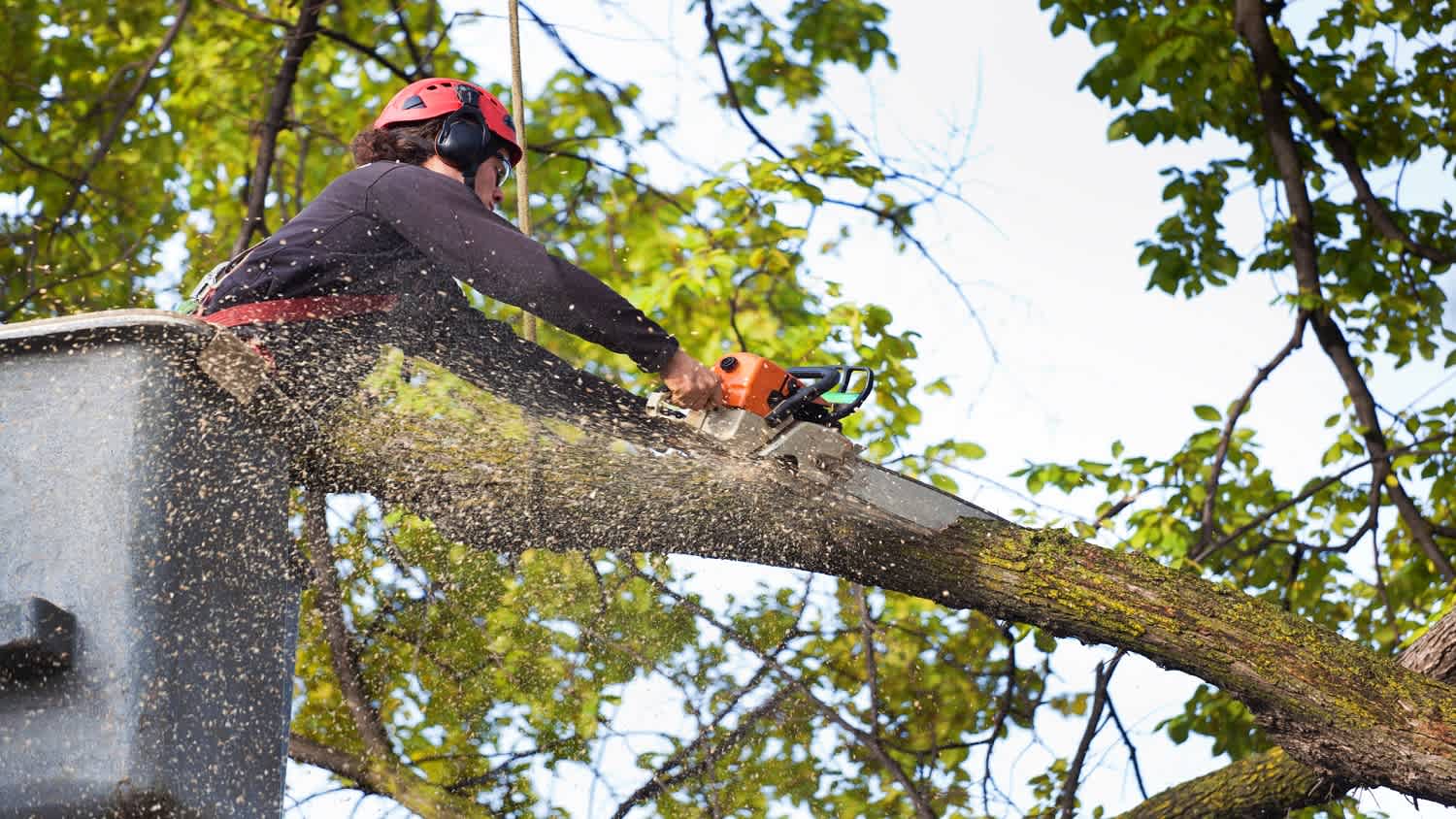
You suspect that the leaning oak tree in the back needs to come down, but can you just handle it yourself? Here are the pros and cons of calling a tree service.
Learn what the tree removal process entails and find out what qualities to look for in professional tree removal services in this guide