
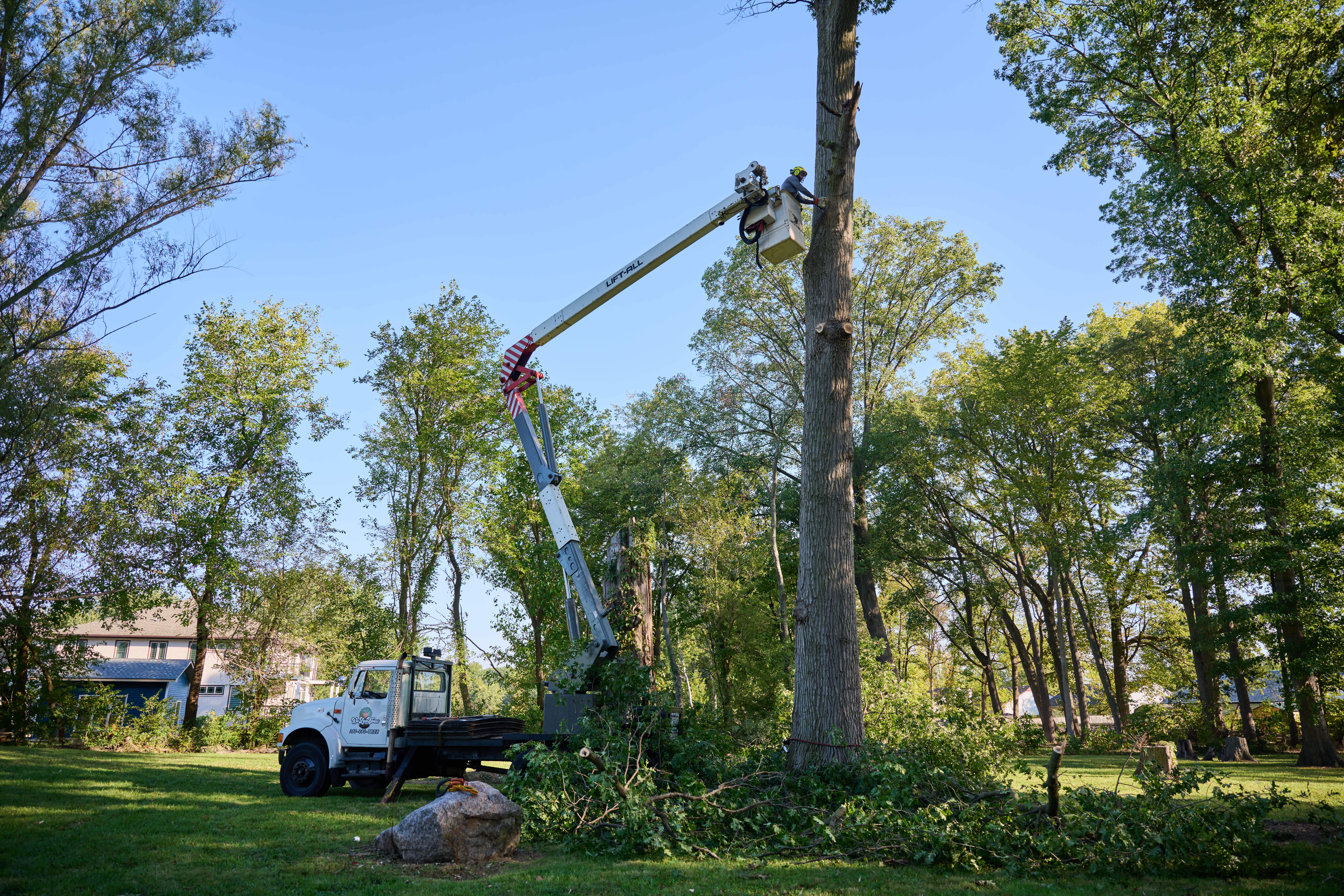
The most significant factor in tree removal costs is the amount of debris. Read on to learn more about the average tree debris removal costs in Seattle, WA.
Tree service costs depend on your project and location. Check with a local pro for your specific job.

Seattle’s tall evergreens, like cedar and pine, require more time, labor, and equipment to remove, pushing costs higher than smaller ornamental trees.
Seattle’s tree protection rules often require permits for larger trees, along with mandatory replacement planting and site restoration, which increases costs.
Jobs involving tall trees, tight access, or proximity to structures can significantly increase labor costs.
Seattle’s densely wooded terrain and frequent storms make tree removal services a common necessity for homeowners. The average tree removal cost in Seattle, WA ranges between $222 and $2,222, with most homeowners paying around $833, depending on factors like tree height, proximity to structures, and the complexity of the removal. Here’s a closer look at what you can expect to pay for tree removal in the Emerald City.
If it’s the right time to cut the tree down, here are the main factors to consider when planning your budget for tree removal in Seattle, Washington.
A tree's size affects several main tree removal cost factors—how long it takes to cut down, the accessibility to higher branches, and possible interference from other trees, power lines, or structures. For example, take a look at the primary tree removal price ranges by size:
| Tree Size | Average Cost |
|---|---|
| Up to 30 feet | $170–$500 |
| 30–60 feet | $500–$1,350 |
| 60–80 feet | $890–$1,700 |
| Over 80 feet | $1,150–$2,250 |
The price tends to increase once the tree grows over 80 feet high. At this stage, your team will need to bring in a crane to access its branches, which will cost about $500, including the truck rental and additional staff.
Also, keep in mind that trees get wider with age, and the larger trunk diameter makes the tree removal process more difficult and time-consuming. In many species, branches and root systems also expand quite far in either direction, adding up to a possible multi-day project to safely remove the tree from the area without affecting other utilities.

Some trees can grow to a very stately 100 feet tall or more. American ash, bur oak, and maple are considered to be more difficult to remove than others, and therefore, removing them costs more. Here are the costs for various types of tree removal:
| Type of Tree | Average Removal Cost | Important Details |
|---|---|---|
| Oak | $220–$2,250 | Some states forbid the removal of these heritage trees |
| Japanese Knotweed | $2,250–$11,100 | Highly invasive shrub, some states prohibit their possession |
| Aspen | $1,150–$2,000 | Enormous poplar tree, have complex root systems |
| Pine | $280–$1,700 | Older pine trees may have a tap root buried in the soil, requiring specialist removal |
| Palm | $720–$1,700 | Extremely heavy, expensive to remove |
| Maple | $280–$2,250 | Can grow 100 feet high and have large branches |
| Ash | $280–$2,000 | Striking leaf colors in Autumn, can reach 80 feet in height |
| Cedar | $280–$1,700 | False cedars are common in North America while “true” cedars are native to places with high altitudes |
Most of the time, you aren’t going to want to keep the tree stump after the tree is removed, and it’s more affordable to include it in your service rather than paying for the separate cost of stump removal later on. The company might haul away your tree for about $70, put it through a chipper for an average cost of $95, or split it into firewood for your home at about $70.
Seattle properties with accessibility challenges, such as large trees on sloped lots or in tight, wooded areas, can make access difficult for equipment and increase labor time. Trees growing close to homes, decks, or drainage systems may also require more precise removal methods, adding to the overall cost.
However, if a tree is on or near power lines, the right person to call is your local utility provider. Since this is a matter of safety and potential power outage, they will schedule the tree removal and typically cover the associated costs.
While it’s possible to learn how to remove a tree, tree felling can be unpredictable and extremely dangerous, so it’s best to enlist the services of a tree removal pro. These are the main factors that impact your cost for hiring professional tree removal services in Seattle.
Tree removal costs in Seattle are slightly higher than the national average, mainly due to the city’s higher cost of living and the prevalence of large, mature trees. Projects involving tall evergreens, densely wooded areas, or difficult access points can push labor costs toward the higher end.
For many trees on private property in Seattle, a permit is required based on a tier system. Larger or protected trees, including those over 12 inches in diameter, certain species, or designated “heritage trees,” typically require approval before removal. Trees located in Environmentally Critical Areas (ECAs), such as steep slopes, wetlands, or shoreline zones, always require a permit regardless of size. Fees vary based on the job, and your tree removal service should work this into your estimate.
In most permitted removals, homeowners are also required to plant replacement trees that meet specific size and species guidelines, restore the site, and maintain the new trees for several years. These requirements can add to your overall project cost and timeline.
Tree removal services in Seattle are required to hold both a City of Seattle business license and a Washington State contractor’s license. The Seattle Urban Forestry Commission (UFC) also mandates that at least one employee on the work site is certified by the International Society of Arboriculture (ISA), which contributes to the city’s above-average labor costs. Additionally, Seattle tree removal contractors must carry liability insurance and workers’ compensation coverage.
Removing trees won’t have a major impact on your Seattle home’s value unless they’ve become a significant eyesore or safety hazard. However, if you’re thinking long-term rather than preparing to sell right away, it’s worth remembering that aggressive tree roots can damage foundations, sidewalks, and nearby structures. Left unchecked, this kind of damage can lead to costly repairs and reduced property value over time. Removing hazardous or poorly positioned trees can help prevent these issues and preserve your home’s structural integrity—and ultimately its market value.
To help homeowners plan their next project, Angi provides readers with carefully researched cost data and upholds strict editorial standards. We start with national average project costs, which we collect by analyzing competitor information, retailer material costs, and input from professional contractors. We then apply local price index data to calculate location-specific estimates that reflect what homeowners typically pay in their local area. To do that, we use data from the U.S. Bureau of Economic Analysis (BEA), including its Regional Price Parities (RPPs), which measure price differences across cities. This helps us account for differences in labor, materials, and overall cost of living, so estimates in higher- or lower-cost areas better reflect real-world local pricing.
Every estimate undergoes a thorough editorial review to verify accuracy, consistency, and alignment with observed market conditions.
Want to help us improve our cost data? Send us a recent project quote to [email protected]. Quotes and personal information will not be shared publicly.
The DRLC team did a great job on our yard cleanup! They were able to fit us in quickly, gave us a fair price, and did great work. They were also able to do the tree trimming we needed so we didn’t have to hire a separate tree company.
 DRLC General Contractor, LLC
Robert's service was fantastic! The stump from a newly fallen tree straddled our property line and he was able to listen to both our inputs and give us a reasonable bid. The stump was on a slope and needed excavating as well as grinding. Robert cleared the stump, filled the hole with the wood...
 Sno-King Stump Grinding
Just 4 trees was awesome! They gave me a fair estimate. Less than my other 3 estimates. They were very polite and respectful. Great with communication. Got the job done quickly. I definitely recommend them.
 JUST FOR TREES LLC
Jon was very professional. He was on time for a consultation and again for actual work. He very flexible taking on additional work I requested while on site. He sought to save a tree that was viable with careful pruning rather than simply cutting it down as others had proposed. His work...
 JON'S TOP TREE SERVICE LLC
Mardo of Dream Team service trim a large magnolia tree, a evergreen tree overhanging our roof, remove a 10’ flowering tree, remove a 20’ palm tree, remove a 8’ tall shrub at our house in the East Lake area. Both the magnolia and the evergreen tree are about 30 ft tall and needed to be...
 Dream Team Tree Services LLC
Did great shrub/tree trimming yard cleanup in a small job. Excellent communications and service.
 General Services BR
I am so glad we found Nelson's Tree Service! They fit us into their schedule quickly and did a fantastic job taming our out-of-control hedges. They arrived exactly when they said they would, and communication was excellent. Give then a call. You'll be glad you did!
 Nelson's Tree service LLC
prompt, professional, knowledgeable service, could not have been more helpful. I have had the sewer line cleaned many times due to tree roots, this was the best.
The experience was absolutely fantastic! I got a call quickly, I texted a picture, got a quote, and within a few hours, Neil arrived to take out my tree stump. He was done within an hour. Excellent custom as service. Very fair price. Highly recommend! A+
 Pacific Coast Stump Grinding General Contractors, LLC
I have used the company for a number of years as they are always willing to tackle my tree trimming and removal needs. They do excellent work, charge fairly, and are always trying to fit me into their busy schedule.
 WESTERLUND WOOD & TREE SVC
From average costs to expert advice, get all the answers you need to get your job done.
The most significant factor in tree removal costs is the amount of debris. Read on to learn more about the average tree debris removal costs in Seattle, WA.
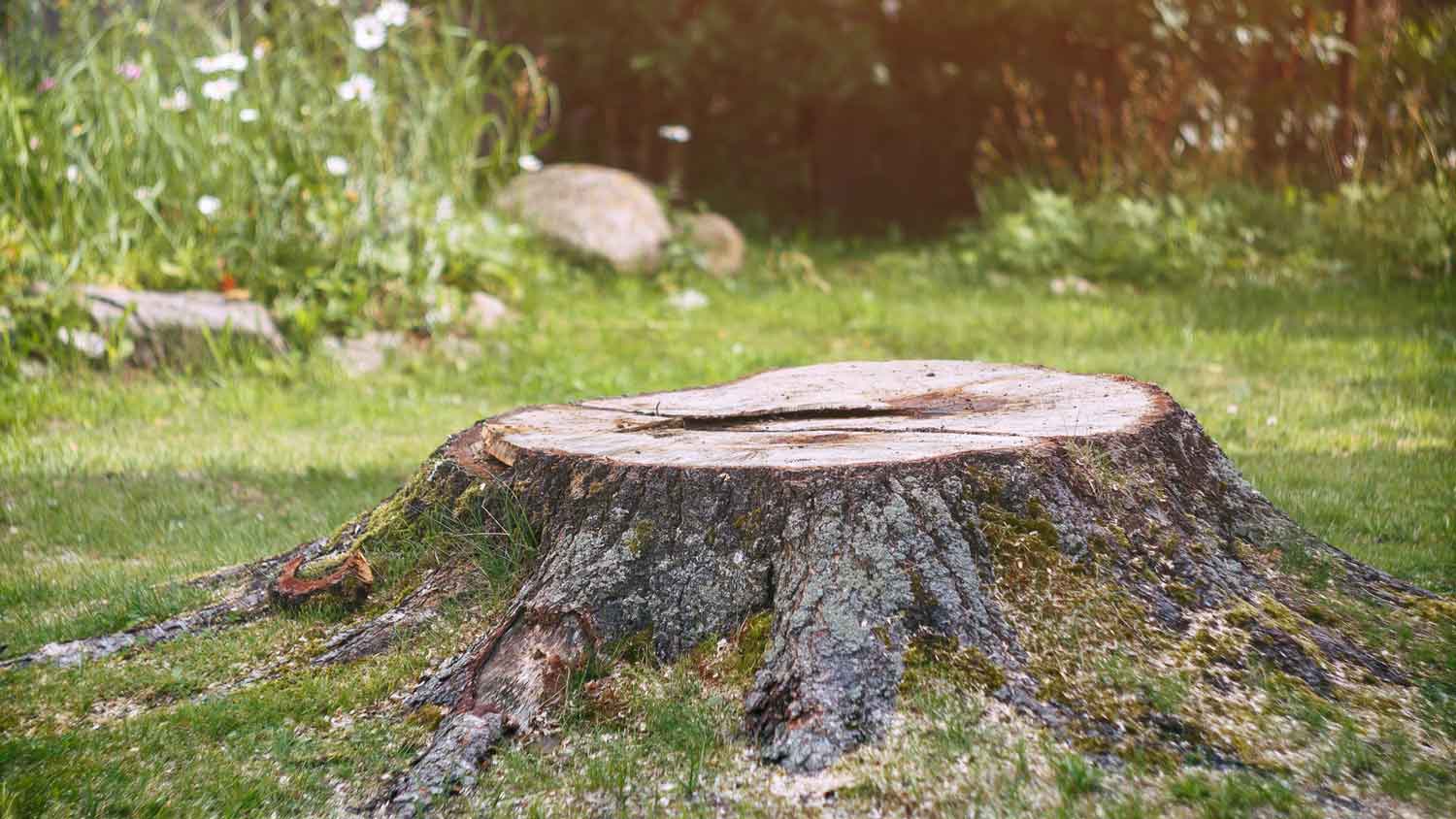
Find out the average tree stump removal cost in Seattle, WA. Learn what you can expect to pay for local stump grinding and clear your yard today.
Find out the average leaf removal cost in Seattle, WA. Learn what you can expect to pay for local yard clean-up services and get your lawn ready for winter.

If you discover a wasp nest near your home, you’ll want to remove it ASAP. Learn about wasp nest removal costs in Seattle, WA in this guide.
Find out the average bat removal cost in Seattle, WA. Learn what you can expect to pay for local wildlife control services and keep your home safe from bats.
Find out the average snow removal cost in Seattle, WA. Learn what you can expect to pay for local winter maintenance and get your driveway clear of snow.