
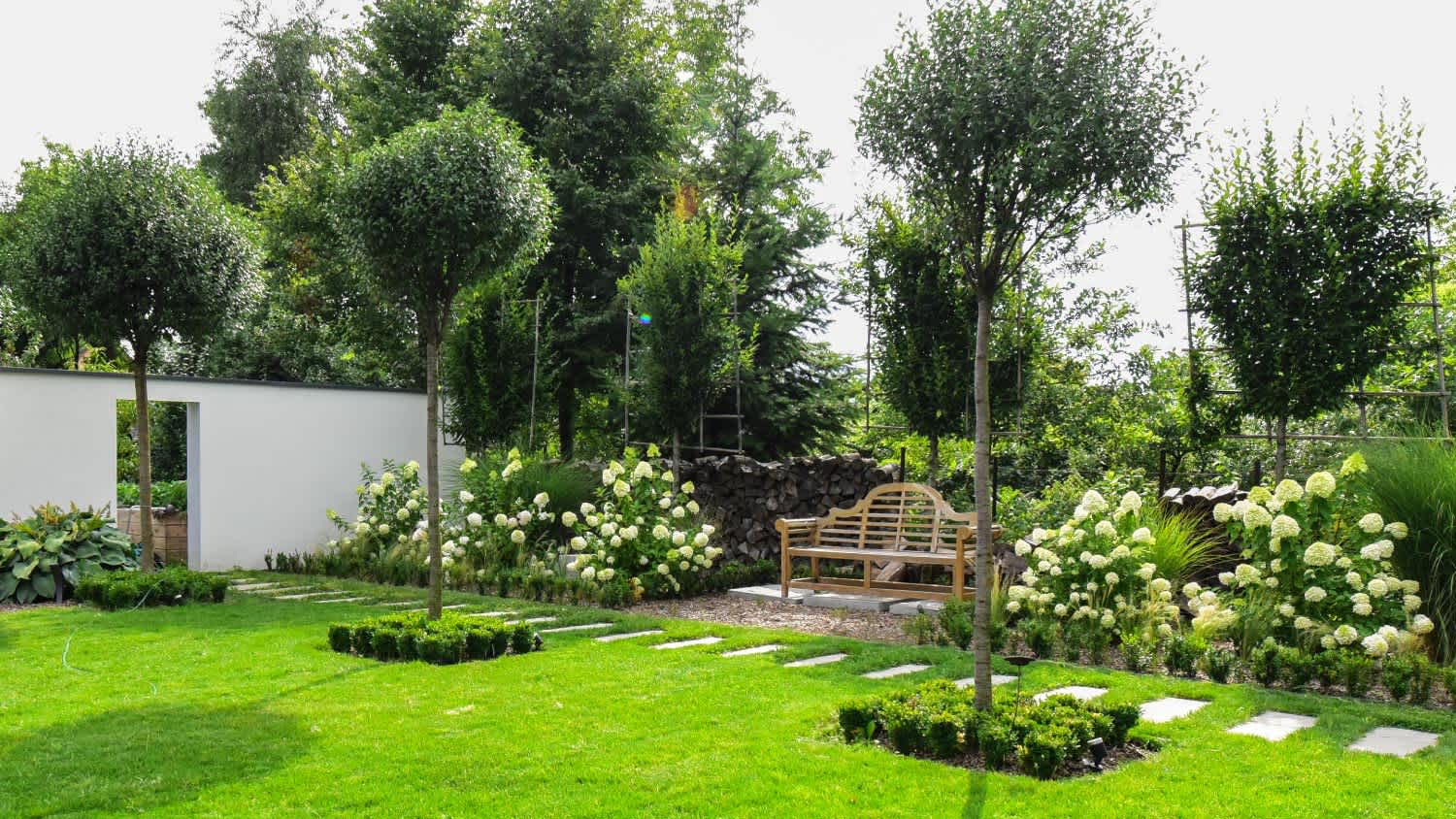
Moving your favorite tree isn’t exactly a small task, so we’ll break down some common tree transplanting costs so you can be prepared.
The right size trees are at the root of great landscaping

Tree sizes range from small trees under 25 feet tall to large trees over 40 feet, with height and girth determining your landscape needs.
Your tree size choice depends on yard size, budget, desired shade coverage, canopy width, root system reach, and how fast the tree grows.
Trees are measured by height from ground to top branches and trunk diameter at breast height, about 4.5 feet up from the ground.
Hiring a local tree planting service professional helps you choose the right size tree for your space and gives your landscape the best chance to thrive.
Choosing the right size trees for your yard can add privacy, provide shade, and define your landscape, but how do you know what size trees to choose? Since trees come in an almost infinite range of sizes, knowing what factors to consider when selecting trees can help you make the right choice for your landscape. We’ll help you understand everything you need to know to pick the perfect tree sizes.
Trees don’t come in standard sizes—you’ll find a near-endless range of tree sizes, from the tiniest dwarf willow to the largest majestic redwood. Selecting the right size tree for your landscape requires that you consider factors like how much available space you have, how large the tree will get at full maturity, how wide the canopy and root system are, and how much tree growth your property can support.

When you purchase a young tree at a nursery, it’ll be categorized by either caliper size (the diameter of the trunk) or pot size (the size of the container that houses the root ball). While those measurements will determine how much you’ll pay for a tree and give you an idea of how long it’ll take to establish, you’ll need to know how big the mature tree will get so you can pick the right size.
| Size Category | Average Height (Feet) | Average Girth (Inches) |
|---|---|---|
| Small | Up to 25 | Up to 14 |
| Medium | 25–40 | 15–19 |
| Large | More than 40 | More than 20 |
Small trees are under 25 feet tall at full maturity and a girth of up to 14 inches. Some types of small trees include magnolias, cherry trees, crepe myrtles, and Japanese maples. Small trees are a great choice if you have a small yard or to act as accents in plant beds or other landscaping features.
Trees that grow to 25 to 40 feet tall and 15 to 19 inches in girth at full maturity are considered medium-sized. Some medium trees include weeping willows, black tupelos, serviceberries, and staghorn sumacs. Medium trees can act as privacy barriers and are ideal for average-sized yards.
Large trees are those that grow to more than 40 feet tall and more than 20 inches in girth at full maturity, like poplars, birches, oaks, and bigleaf maples. These trees can be the focal point of your landscaping and provide ample shade. Because large trees have wide-reaching root systems, they work best in large yards where they can be planted far from your home’s foundation.
Tree height is measured from the ground to the highest branches, but that’s not the only measurement you should know. Tree girth, which is the diameter of the trunk, is also an important measurement. When you purchase a tree at a nursery, the caliper size is the current girth, but to measure a mature tree, wrap your tape measure around the trunk at about 4.5 feet up from the ground. This measurement is also called the diameter at breast height, or DBH.

Tree height and girth aren’t the only things to take into account when choosing what size tree to plant in your yard. Here are a few other things to consider when picking trees for your landscape.
When you’re budgeting for the cost of landscaping, the cost to plant a tree can take up a significant portion of your budget. Smaller trees will cost less than larger ones, and younger trees are more budget-friendly than mature ones. Keep in mind, though, mature trees are both more expensive and harder to establish than young trees.
Deciding what size trees you want and how many of them you’ll need also depends on your planned tree spacing. Large trees can’t be planted too close to other trees, so if you’re looking to plant a tree in the perfect spot with a large tree, it’ll need to be spaced far apart. Small and medium trees can be planted closer together, so if you want to add privacy with multiple trees, more moderately sized trees are a better choice.
Tree canopy size is the measurement of ground that’s covered by the tree crown, or the total width of the branches and leaves when viewing the tree from above. Trees with large canopies provide more shade than trees with smaller canopies, so you’ll need to determine how much sun you want to block from your yard.
Root systems are a very important consideration when planting near a house. Tree roots can reach out underground several times the size of the crown, so you want to ensure the root system won’t grow into your foundation or interrupt underground utilities or septic fields.
Trees grow both in diameter and height every year, so you’ll need to factor in how long it’ll take for your tree to grow to full maturity. If you overplant young trees, you may find them quickly crowding each other as they grow, so always plant with the fully mature size in mind.
Planting the wrong size tree can result in unhealthy trees, overcrowding in your yard, damage from root systems, and more. Not sure who to hire to plant trees and ensure they’re the right size? A local tree planting service can not only advise you on the right trees to plant but can also tell you the best time to plant trees, plant a tree on a slope to help minimize erosion, and give your new trees the best chance at thriving into healthy, mature landscape features.
This service was great. My air conditioner went out during the heat spell that we had. My husband has health issues and they came out that night and at 9:30pm the air conditioner was fixed and running. We are sooo very thankful, this is the company I will be using from now on and would...
 Mr. Mechanical Ohio
One of my old tall evergreen trees was suddenly leaning toward the busy street in front of my house. I submitted a request for an emergency tree inspection, and Alejandro, owner of Cajete Tree Service, contacted me immediately and arrived to look at it just 20 minutes later. We agreed the...
 Cajete Tree Service LLC
1 tree was cut down and 5 others including a large willow tree were trimmed. The Grant Tree Service men were professional and cleaned up afterwards. The cost of the 6 trees were affordable. I am very happy with the results. I would hire them again.
 Grants Tree Service
D1 Roofing delivers outstanding service from beginning to end, backed by a strong warranty and expert teams. I highly recommend them for their excellence in meeting and surpassing expectations with unmatched communication. Choosing D1 Roofing was flawless decision
 Division 1 Roofing LLC
Promptly arrived for quoting! Demonstrated superb customer service, affordable pricing, and completed service swiftly! Looking forward to the spring for our service!
 All Star Paving and Sealing
Seth was very professional, prompt in responding to queries about the work required , gave sincere advice as to what would be best for tree trimming and did the job timely.
Ace Fireplace Services' chimney sweep service is truly exceptional. They used advanced technology to ensure a thorough cleaning process, and my chimney has never looked better. I highly recommend their services.
 Ace Fireplace Services
I definitely recommend Ramonaâ s cleaning service! I have booked services with her many times and she arrives on time, ready to work and provides a great service.
 Your Cleaning Solutions LLC
Webb â s was priced well, flexible on scheduling, great with communication, and detailed in their work. Iâ ll definitely use their services again.
 Webbs Pressure and Paint LLC
Great tree company, very professional and honest. Glad we found them, they had the best pricing
From average costs to expert advice, get all the answers you need to get your job done.
Moving your favorite tree isn’t exactly a small task, so we’ll break down some common tree transplanting costs so you can be prepared.
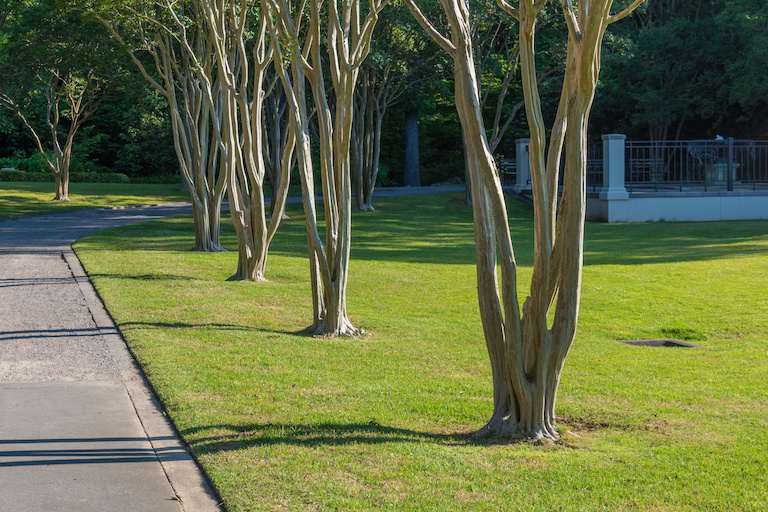
Find out how much it costs to plant a tree based on the number of trees, their size, where you want to plant them, and DIY versus professional costs.

Discover what the current average tree removal cost is based on different factors to know how much it will cost to take care of a dead or troublesome tree on your property.
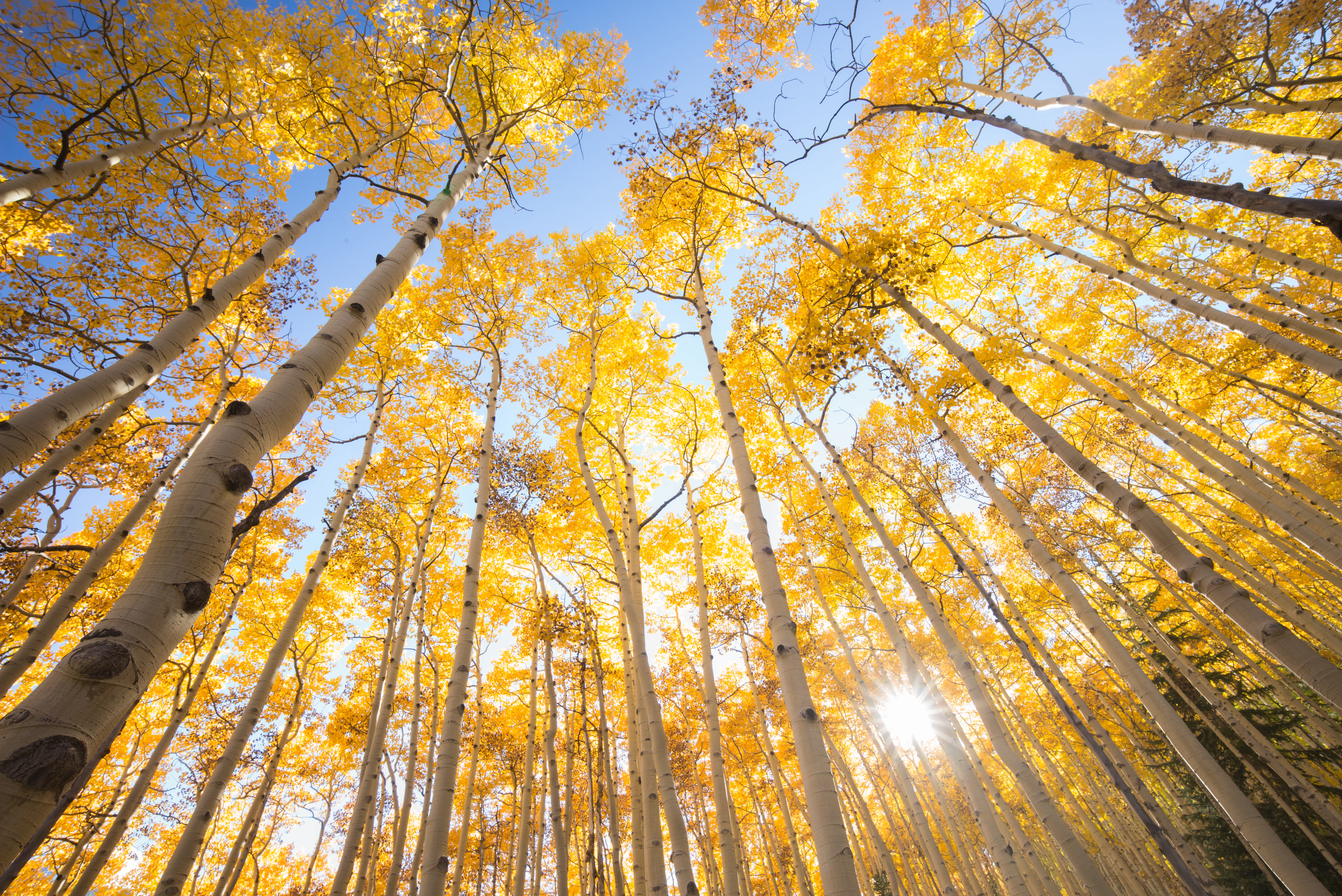
Learn the key differences between an aspen tree vs. a birch tree so you know which is in your yard already or pick the right one to plant.
They say to plant a tree, but not all trees are alike. Check out these seven reasons why you should not plant a tree before you make a costly mistake.
If your backyard is filled with unfamiliar blooms, this guide will show you how to identify trees based on their leaves, bark, silhouette, and more.