
Need to know what sewer line replacement costs? This guide will help you prepare to budget for sewer line replacement done by local contractors.
When figuring out if you need to replace a sewer line, it's important to consider all of your options first

Replacing a sewer line becomes necessary when your home has extensive pipe damage from tree roots, corrosion, blockages, or collapsed sections.
Sewer line replacement costs range from a few thousand dollars to over $25,000, with trenchless methods saving you excavation repair expenses.
Trenchless sewer line replacement finishes in one day and avoids digging up your lawn, driveway, or patio for a less disruptive process.
Hiring a local sewer line repair professional provides reliable support through camera inspections and replacement work, keeping your home running smoothly.
A sewer backup or leak doesn’t always have to result in a complete sewer line replacement. By calling in the right experts and identifying the root cause of the problem, often a simpler and less costly repair is enough.
Consider these eight factors to help you better understand when sewer line replacement may be necessary, what it involves, and why.
These sewer problem warning signs are often a good indication your sewer line may need replacing (or, at the least, need some maintenance or repair work):
Drain backups or persistent slow drainage
Gurgling sounds in drains
Foul sewage odors
Pools of water on your lawn
Flooding septic waste in your yard
Foundation problems
Being aware of the common causes of sewer line damage can help you understand if something may have contributed to a serious problem and help prevent damage in the future. You can also pass the info onto your pro to help them better determine a fix for you.
Some things that can contribute to damage include:
Tree roots
Extremes in temperature (especially when there’s a hard freeze)
Foreign objects causing a blockage
Corrosion of old cast-iron pipes (found in houses built before the 1960s)
Products getting flushed down toilets or drains that shouldn’t be— i.e. grease buildup, flushing away things like sanitary products and baby wipes
Soil conditions
Although a backed-up sewer can induce panic in even the calmest homeowners, don’t rush to get your sewer line replaced without having it inspected first to diagnose what the problem is.
Professionals can thread a digital camera into the line to check the pipe condition, identify cracks, blockages, holes, collapsed sections in the pipe, or even root damage. This helps to determine whether a repair or replacement is the best option.
Sometimes a complete sewer line replacement won’t be necessary, and a simpler, less expensive trenchless repair will remedy the problem. When there’s minimal damage to the pipe, inserting an inflatable tube covered in tough, flexible epoxy resin can reliably patch a section up. When the pros inflate the tube, the epoxy presses against the damaged area, cures, hardens, and fills the leak. They will then deflate and remove the tube.
According to data from Angi customers, 30.4% of homeowners needed to repair their sewer main, whereas only 22.4% needed a full replacement. If you’re among the 32.5% who would rather have a pro recommendation before starting, call a local sewer expert ASAP.

When pipes have extensive damage, a full line replacement rather than a repair is the solution. There are two main methods used for this process.
Traditionally sewer line replacement involves carving a large trench in your property to find and replace the entire piping length. It’s a pretty invasive process and could involve excavating sidewalks, driveways, patios, lawns, and more. It can also take several days to complete.
After replacing the line and filling the trench, you must repair any damage done to landscapes and hardscapes.
Trenchless sewer line replacement is much less invasive than the traditional methods and is now the preferred method for many professionals. No trenches are required, and you won’t have any major damage to your lawn.
Instead, “pipe bursting” involves destroying the existing line and immediately replacing it with a new one by digging only strategic access points.
Although it can be a slightly more expensive technique, it saves a lot of disruption, is much faster (often completed in one day), and you won’t have the costs associated with repairing the damage done by digging the trenches.
The cost for a sewer line replacement will depend on the type of technique used, the length of the pipe, and the complexities of access and excavation.
For shallow pipes that require little digging and those not underneath hardscaping or near utilities, it may be slightly cheaper to replace a pipe using the traditional methods. However, you’ll then have to factor in the costs to repair the excavation damage after.
For long, deep pipes that require extensive excavation, it may cost less to do the trenchless technique—and it’ll save a lot of headaches in terms of convenience and disruption.
You can expect to pay up to $250 per linear foot, and complete replacement using both methods can cost anywhere from around a few thousand dollars to more than $25,000.
Most standard insurance policies don’t cover sewer line replacement unless a third party has caused unexpected damage.
If you have worries about the costs associated with work like this, particularly if you have old pipes, home warranty companies often offer support as part of their septic system coverage. Standalone insurance to cover septic systems is also possible, but it can be expensive.
Sewer line replacements can be complex, invasive, and costly jobs. Making sure you select a reputable local sewer line repair and replacement professional to conduct any work will ensure things go as smoothly as possible.
A licensed plumbing contractor should be qualified for the job, and some companies specialize in repairing and replacing sewer lines. Take the time to get quotes from at least three professionals, and don’t be afraid to ask to see evidence of their qualifications, licensing, and references.
I recently moved to another state and chose United Trust Van Lines after comparing several companies. Their team was punctual, professional, and extremely careful with my belongings. I was especially impressed with how they handled my home office setup and fragile items. Everything arrived on...
 United Trust Van Lines, LLC
Positive experience. As previously stated, the replacement/repair could not be completed (no fault of the plumbing tech) b/c misinformation was rec?d by property management maintenance. Thanks to the plumbing tech for your efforts. Appreciate you!
 The Waterworks
As usual with ECO, tech Jordan was outstanding, very professional, very knowledgeable, and very thorough with repairs made to tankless water heaters. Very highly recommend ECO!!!
 Eco Plumbers, Electricians, and HVAC Technicians
I would recommend this company to anyone! He showed up on time, was friendly, completed a very difficult repair on our dryer vent cover, was responsive, and pricing was extremely fair and competitive. I would have him back to do any of our repairs or cleanings without hesitation!
 U.S.A. Dryer Vent, LLC
Best cleaning I've had at my property
I'm a repeat customer of All Star Paving & Sealing and I appreciate the service that all start paving has done for me in the past. I just recently had them out for an estimate and things couldn't have gone better. The staff that they send out to do the estimates are very knowledgeable. The...
 All Star Paving and Sealing
Supreme Brick & Chimney is one of the best service providers I’ve interacted with. Extremely efficient, knowledgeable, and thorough. They took the time to walk me through their detailed full-service inspection and were extremely professional. Not to mention their turnaround time was...
 Supreme brick & chimney
They were great! They were thorough and efficient and paid attention to the details. Definitely recommend. I'm definitely going back!
 FIFI'S EARTH FRIENDLY CLEANING
Storms Mobile Welding was great to work with. They were prompt, professional and did an overall excellent job on the project. I highly recommend.
Great experience all together. Dog friendly, courteous, great results and honest with recommendations. Will certainly be using Cardinal in the future for any carpet repairs
 Cardinal Carpet Care & Repair
From average costs to expert advice, get all the answers you need to get your job done.
Need to know what sewer line replacement costs? This guide will help you prepare to budget for sewer line replacement done by local contractors.
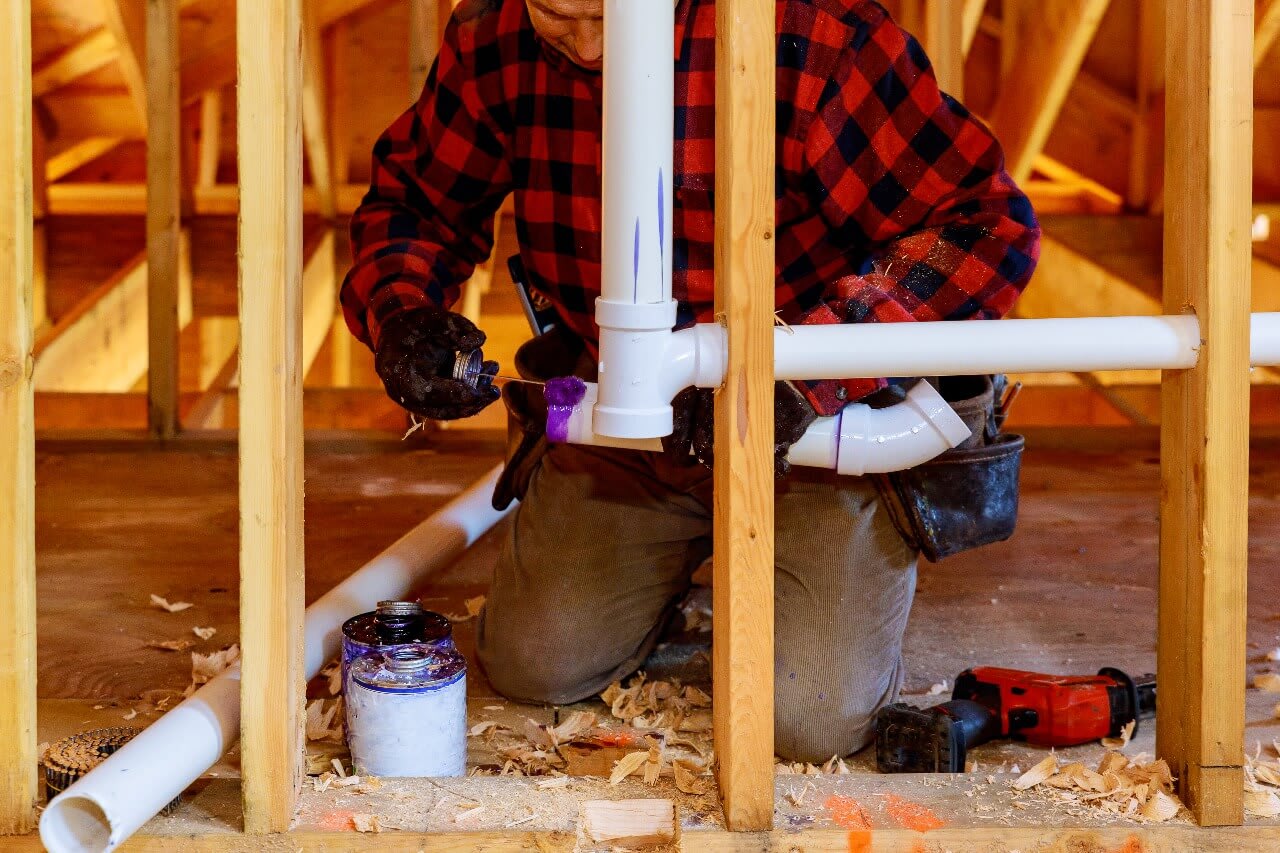
A clogged main sewer line can lead to gas or wastewater leaks. Find out what main sewer line clog repair costs by type of service, clog severity, and more.

Sewer line replacement is expensive, but going trenchless could save you cash in other ways. Here’s how much trenchless sewer line replacement costs.

If you’re considering getting your sewer line replaced or repaired, there are a few things that you should keep in mind. We’ll cover tips and strategies to prepare for a new sewer line, along with mistakes you should avoid.

Sewer line replacement can be a costly home repair. Check with your insurance provider to see if your homeowner insurance covers it. If not, you can add it to your plan.
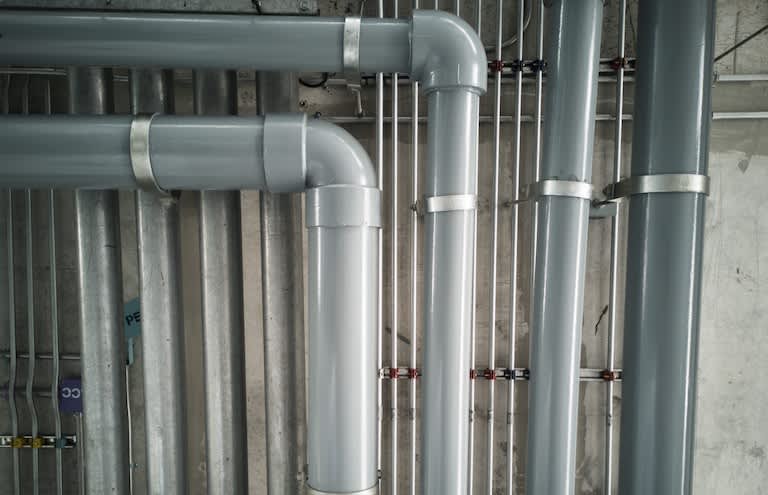
Your sewer line repair cost will vary based on the location and extent of the damage, as well as any repairs and clean-up afterward. We’ve broken down your different options, the cost to replace a sewer line, and other variables here.