

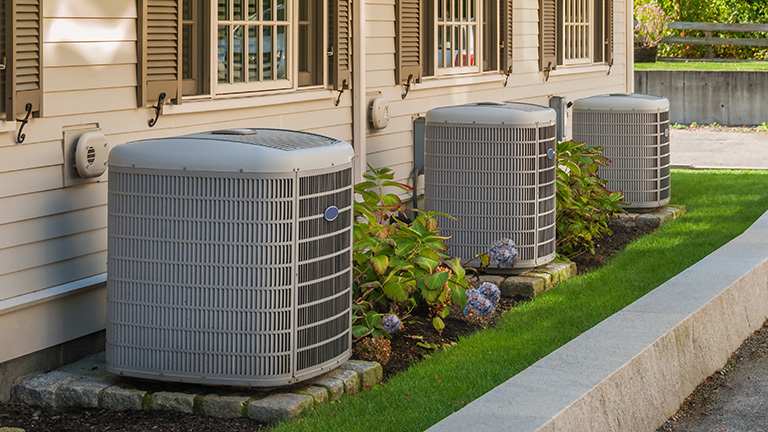
HVAC replacement costs depend on a lot of factors, like unit type, size, and labor. See what you can expect to pay for HVAC replacement here.
Heating and air conditioning service costs depend on your project and location. Check with a local pro for your specific job.

Geothermal heat pump installation costs between $4,541 and $26,537 per ton of capacity for your home heating and cooling system.
Your system type affects costs, with horizontal loop systems working best for rural properties and vertical loops fitting limited yard space.
Account for ductwork modifications between $1,400 and $5,600 and yard work between $5,000 and $15,000 when you create your project budget.
Hiring a local geothermal professional ensures the system is designed correctly and prevents costly installation mistakes that compromise home comfort.
In 2026, the national average cost for a geothermal heat pump installation is $15,206, based on 297 verified projects from Angi Pros. Most homeowners pay between $4,541 and $26,537, with the spread driven by system capacity, loop type, and site conditions. At the extremes, costs can run as low as $800 for a 1-ton system or exceed $50,000 for a unit with 5 or more tons of capacity.
A geothermal heat pump, also known as a ground-source heat pump, uses the cold or heat underground, pumping it into your home for cooling in summer and heating in winter.
Geothermal heat pump costs range from $4,541 to $26,537, with home size, system type, required capacity, brand, and geographic location all influencing where your project lands in that range. Consult a local geothermal installer to get an accurate estimate tailored to your property.

Geothermal heat pump capacity is measured in tons, and you'll spend about $2,500 to $8,000 per ton—with each ton equal to roughly 12,000 British thermal units (BTUs), a standard measurement of heat output. The number of tons your home requires depends primarily on its square footage and climate zone. The table below breaks down how geothermal heat pump costs vary by capacity:
| Capacity | Cost in 2026 |
|---|---|
| 1 ton | $2,500–$8,000 |
| 2 tons | $5,000–$16,000 |
| 3 tons | $7,500–$24,000 |
| 4 tons | $10,000–$32,000 |
| 5 tons | $12,500–$40,000 |
Your home's square footage is one of the clearest predictors of what geothermal system capacity you'll need, and therefore what you'll spend. An average home between 2,000 and 2,500 square feet requires a 3- to 4-ton system, which costs $7,500 to $32,000. The table below breaks down how home size, geothermal system capacity, and average costs align:
| Home Size in Square Feet | Tons | Cost in 2026 |
|---|---|---|
| 1,000 | 1.5 | $3,750–$12,000 |
| 1,500 | 2 | $5,000–$16,000 |
| 2,000 | 3 | $7,500–$24,000 |
| 2,500 | 4 | $10,000–$32,000 |
| 3,000 | 5 | $12,500–$40,000 |
Geothermal heat pumps fall into two categories: closed-loop and open-loop systems. Closed-loop systems continuously circulate a water-and-antifreeze solution through sealed lines and are available in horizontal, vertical, or pond-loop configurations, depending on your property. Open-loop systems draw from an existing well or body of water and discharge it after use, making them less common and subject to local water-use regulations in areas facing supply shortages.
The table below breaks down how the main geothermal heat pump system types compare by cost and configuration:
| Type | Closed or Open-Loop? | Description | Average Cost in 2026 |
|---|---|---|---|
| Horizontal loop | Closed-loop | Best for rural properties, more affordable | $15,000–$34,000 |
| Vertical loop | Closed-loop | Works for rural and urban homes, ideal if yard space is limited, but more expensive | $20,000–$38,000 |
| Pond loop | Closed-loop | Can be less expensive, but needs to be near a body of water in order to function | $10,000–$32,000 |
| Open-loop | Open-loop | Can be less expensive, but needs to be near a freshwater supply | $10,000–$28,000 |
Brand and efficiency will affect the cost of choosing a geothermal heat pump. You can expect a geothermal heat pump's cooling efficiency to range from 15 EER (Energy Efficiency Ratio) to 45 EER or more. The higher the EER, the better the system performance.
When choosing a brand, you might also want to consider special features such as Wi-Fi, remote monitoring, and domestic hot water production. These high-end features can drive up the price of your system.
Your location and property characteristics play a significant role in determining the total cost of your geothermal heat pump. Several location-specific factors shape your final price:
Land size: If you have a large yard where you can easily install a horizontal loop system, your overall cost will be lower than for a yard that requires extensive land modifications.
Home size: If you have a larger home, you'll need a larger, more costly geothermal heat pump system to properly heat and cool your home.
Local climate: If your area has extremely hot or cold temperatures, you'll recoup your investment more quickly than in mild climates.
Geothermal heat pump installation costs are driven primarily by labor, land excavation, ductwork, and permit fees. Here is what you can expect to pay across each of those categories:
Labor accounts for at least 50% to 70% of your total geothermal heat pump project cost, reflecting the specialized expertise required to design and install these systems. Installers must calculate your home's thermodynamic needs and often subcontract ductwork and yard work to additional tradespeople. Getting multiple quotes from qualified installers helps ensure you're paying a fair rate for this level of technical work.
Ductwork installation for a geothermal heat pump system costs $1,400 to $5,600, with the final price depending on how much existing ductwork needs to be modified and whether your home is a new build or an older retrofit. Geothermal systems distribute conditioned air through ducts and vents in every room, so the scope of that network directly affects cost. Newly built homes with open walls and ceilings are significantly less expensive to outfit than older homes where ductwork must be threaded through finished spaces.
Most homeowners pay between $5,000 and $15,000 for yard work related to geothermal installation, with excavation, soil conditions, drilling, and ground accessibility all influencing the total. Yards with challenging terrain, limited space, or hard-to-reach areas will push costs toward the higher end. Individual line items that make up this total include:
Excavation: $1,550–$6,300
Soil testing: $600–$2,000
Regrading: $1,000–$3,300
Trenching: $5–$12 per linear foot
Piping: $2.50–$15 per linear foot
Permits are required before geothermal heat pump installation can begin, and permits cost anywhere from $20 to $2,000 for outdoor projects, though most heat pump permits fall in the $100 to $650 range. In most cases, the heat pump company you hire will manage the permitting process on your behalf. Confirm this is included in your contractor's scope of work before signing any agreement.
Geothermal heat pumps are among the most efficient home heating and cooling systems available, requiring minimal maintenance compared to traditional HVAC equipment. That low-maintenance demand translates into real savings in both time and money over the life of the system.
Running a geothermal heat pump costs about $100 to $200 per month, which is significantly less than operating a conventional HVAC system. According to the U.S. Department of Energy, geothermal systems can save 33-65% in energy usage.
Annual inspections are the most important maintenance step for a geothermal heat pump, and a professional inspection costs about $100 to $250. Scheduling this checkup once a year helps catch small issues before they become costly repairs and keeps the system running at peak efficiency.
Geothermal heat pumps rarely need repairs, particularly when annual inspections are part of your routine. When repairs are necessary, costs vary widely depending on the component involved:
Fan replacement: $50
Compressor replacement: $1,700
Loop leaks: $75–$200
Acid flush: $150–$200
Ductwork repair: $30–$50 per linear foot
Reversing valve replacement: $450–$600
Thermostat replacement: $100–$250
Motor replacement: $100–$500
Installing a geothermal heat pump is not a DIY project. Not only does it require specialized skills and knowledge to design the system, but it also involves working with heavy machinery to excavate the ground and install the system components. For those reasons, you’ll need to hire a local geothermal installer for this job.
Geothermal heat pump installation is complicated, so here’s why it’s best to hire a pro:
Experts know which type of system—closed-loop or open-loop—is best for your home, depending on the location and layout of your property.
They can also choose the right heat pump capacity and efficiency for your needs.
Professionals understand local building codes and permitting requirements.
Pros know the safest methods for excavating, trenching, and regrading land to prepare for heat pump installation.
Heat pump pros work faster and more efficiently than DIYers.
Professional geothermal installers have insurance and warranties on their work, which protect the company and your home in case of mistakes or accidents.
Before installing a geothermal heat pump, inspect your home for efficiency upgrades that can maximize the system's performance and long-term savings. Common add-ons worth considering include insulation improvements, window replacements, duct cleaning, energy audits, and rooftop solar.
Here is a summary of common geothermal heat pump add-ons and their costs:
Insulation costs: $1,070–$2,585
Energy-efficient windows cost: $325–$2,000 per window
Cleaning air ducts cost: $150–$780
Energy audit cost: $100–$2,250
Rooftop solar cost: $4,500–$53,000
The cost of geothermal heat pump installation may seem high upfront, but this home improvement project is well worth the investment. Since adding a geothermal heat pump is an eco-friendly upgrade, heat pumps often qualify for tax incentives, rebates, and other financial benefits that will greatly reduce the cost of installation.
Check for rebates: One major benefit of a geothermal heat pump is that it qualifies for tax incentives and rebates. Federally, installations prior to 2033 qualify for a 30% rebate, according to ENERGY STAR®.
Prep the landscape: The more difficult it is to access the installation area, the higher the installation cost. Clear the area of furniture, swing sets, debris, and other items to make it easier for the contractors to access your property.
Conduct an energy audit: Before installation, get an energy audit. By improving insulation or installing more efficient windows, your geothermal heat pump will work even more efficiently, saving you more money on monthly utilities.
Choose the right system: If you have the space, you could save thousands by installing a horizontal system instead of a vertical system.
Since your costs partially depend on the size of your house, prepare to provide your home’s square footage to your pro.
Be ready to describe your yard’s size and layout so your pro can determine if it’s spacious enough for this type of heat pump.
If there are any accessibility concerns or hazards in your yard, let your installer know in advance.
Ask your pro what kind of maintenance your heat pump will require going forward.
Home is the most important place on earth, which is why Angi has helped more than 150 million homeowners transform their houses into homes they adore. To help homeowners with their next project, Angi provides readers with the most accurate cost data and upholds strict editorial standards. We’ve surveyed over 30,000 real Angi customers about their project costs to develop the pricing data you see, so you can make the best decisions for you and your home. We pair this data with research from reputable sources, including the U.S. Bureau of Labor Statistics, academic journals, market studies, and interviews with industry experts—all to ensure our prices reflect real-world projects.
Want to help us improve our cost data? Send us a recent project quote to [email protected]. Quotes and personal information will not be shared publicly.
If you’re good people wanting to do business with good people, hire Matt. He is a consummate professional and utterly competent. He installed a water heater in my home at a price that beat competitors by hundreds of dollars with a promise to support the unit for its life (even after its 6 yr...
 Greene's Plumbing Services
Corey Carr was great. I had damage from a recent storm and needed to have my mast and other components replaced. The project entailed coordinating with AEP, and Corey helped make a stressful situation a lot less stressful. I really appreciated his dedication to service and the job very well done.
 Mr. Electric of Columbus
This service was great. My air conditioner went out during the heat spell that we had. My husband has health issues and they came out that night and at 9:30pm the air conditioner was fixed and running. We are sooo very thankful, this is the company I will be using from now on and would...
 Mr. Mechanical Ohio
I normally do not leave reviews, but my experience with Worthington Air was extremely frustrating and disappointing. About 30 days ago, I had a consultation done for an HVAC replacement and was quoted approximately $15,079. Based on that quote, I applied for financing through their company...
 ARS Columbus Worthington Air
Great company! Price was competitive, technician showed up on time and completed the job (exterior electric Radon fan replacement) quickly. Would hire them again.
 MaGen Property Inspections and Radon Mitigation
Raven and crew does absolutely fantastic job. They are very professional if any concerns were to occur with any of her work she always took responsibility and finished out with a great job. I have worked with her business for a year and have always been satisfied. Very trusted business and...
 Creations of Transformation LLC
I would recommend this company to anyone! He showed up on time, was friendly, completed a very difficult repair on our dryer vent cover, was responsive, and pricing was extremely fair and competitive. I would have him back to do any of our repairs or cleanings without hesitation!
 U.S.A. Dryer Vent, LLC
Ace Fireplace Services' chimney sweep service is truly exceptional. They used advanced technology to ensure a thorough cleaning process, and my chimney has never looked better. I highly recommend their services.
 Ace Fireplace Services
The technician was very professional and friendly. He answered all my questions and was very thorough. He left the fireplace area very clean . He inspected from the roof and advised me as to other work that might need to be done. There was no pressure there. I was very satisfied with the...
 Supreme brick & chimney
On time, clean and finished fast. Windows seem sturdy and the finish is good. Caulking was done with no smudges. Would recommend.
 Window Depot USA of Central Ohio
From average costs to expert advice, get all the answers you need to get your job done.
HVAC replacement costs depend on a lot of factors, like unit type, size, and labor. See what you can expect to pay for HVAC replacement here.

Warm floors, warm feet. Learn how much radiant heated floor costs, types of radiant floor heating systems, and pros and cons.
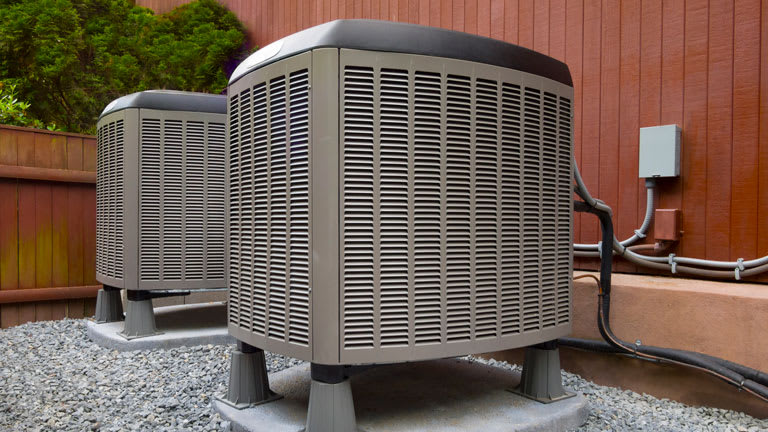
A heat pump is an eco-friendly heating and cooling system that can save you money on utilities each month. Find out the cost of a heat pump with this guide.

Geothermal heating and cooling systems come with many perks for homeowners who want to make the switch from a traditional HVAC system. Learn 11 benefits of geothermal systems.

Reducing your home’s fossil fuel dependency often pays off. Here’s what to know when you’re considering if geothermal is worth it.
Looking for an energy-efficient way to keep your garage comfortable? Learn about a geothermal heating and cooling garage floor system.