
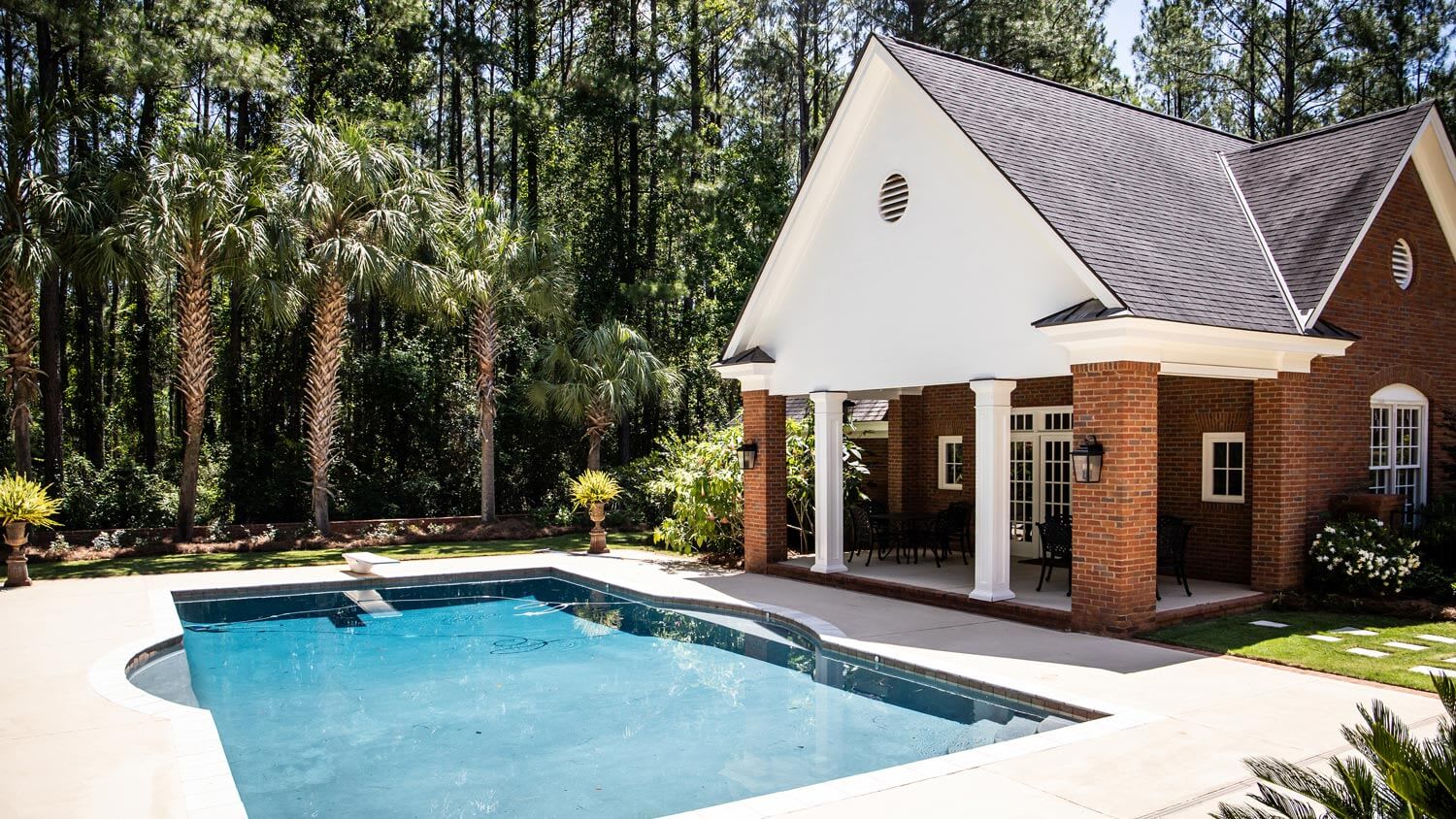
How much does it cost to fill a pool with water? It depends on the size of your pool and where you’re getting the water. This guide can help you budget.
You don’t need a Ph.D. to lower your pool’s pH

Lowering the pH in your pool protects you from bacterial infections and ensures chlorine works effectively to sanitize your water.
Expect to pay $5 to $40 to lower your pool's pH yourself using sodium bisulfate and a testing kit.
You need to clean your pool, test the pH level, check your filtration system, add pH reducer, and retest after four hours.
Hiring a local pool service professional provides expert help with serious algae issues or corrosion, keeping your pool balanced and safe.
Need to learn how to lower the pH in your pool? There’s no need to pull out the old chemistry textbook but remember you don’t want your pH to be too high or low. To make your summer swims enjoyable and ensure chlorine in your pool can work effectively, there's an optimal range you'll want to keep your pH in. Here’s how to lower the pH level in your pool in under four hours.
Alkalinity, acidity levels … there’s no need to get hung up on terms. The most important reason you should lower your pool's pH is that chlorine, the main chemical in your pool, won't work as well in high pH water.
Chlorine is responsible first and foremost for sanitation and warding off bacteria. So if your water is more alkaline than it should be, you could inadvertently be exposed to bacterial diseases, such as salmonella and E.coli, according to The International Association of Certified Home Inspectors.
Lowering your pool's pH will also help:
Eliminate cloudy water
Prevent scale buildup or corrosion on pool equipment (railings, stairs, etc.)
Reduce algae buildup on the surface or floor of your pool
It will also help prevent infections, such as swimmer's ear and rashes, according to the Centers for Disease Control and Prevention (CDC).
A pool's pH level should range between 7.2 and 7.8 (on the pH scale of 1 to 14) with a free chlorine level of 80 to 120 parts per million (ppm). A high pH outside of this range means your pool water is more alkaline than it should be.
It costs anywhere from $5 to $40 to lower your pool's pH doing it yourself. You'll need to invest in a bag (or several bags of pH reducer, which costs about $1.50 to $2 per pound. You might also want to invest in a liquid pH testing kit over the disposable strips, which runs about $15.
If your pool's pH levels are routinely high, it could also be a good idea to invest in a larger bucket of pH reducer to save on per-pound costs. You can find them at pool stores in sizes as large as 25 pounds.
The pH (power of hydrogen) level of water tells you how acidic or basic it is. Remember that pH is on a scale of 0 to 14, with 0 being acidic and 14 being basic. If water has a pH of 7, it’s neutral. When measuring the pH level in water, you’re calculating the amount of hydrogen.

Tap water, for example, should have a pH between 6.5 and 8.5. Water with a pH over 7 is alkaline—while this sounds like water alkalinity, the two are very different.
Alkalinity is measured in parts per million (ppm) and measures how much alkaline substances are in the water. The alkaline substances in pools are carbonate, bicarbonate, and hydroxides. These substances help stabilize your water’s pH by neutralizing bases and acids, making it easier to maintain proper pH levels. You’ll want to keep the total alkalinity of your pool between 80 and 120 ppm.
In summary, the ideal levels are as follows:
Pool water pH: 7.2–7.8
Free chlorine level: 80–120 ppm
Total alkalinity in pool water: 80–120 ppm
Thinking the pH in your pool might be too high? The only way to know for sure is to test, but there are some telltale signs to look out for.
Here are some signs of high pH levels in pools:
Rashes, swimmer's ear, or in more extreme situations, bacterial infections, such as salmonella or E.coli
Cloudy water
Algae buildup on the surface of your pool
Scale formation
Corrosion of pool
Common signs of chemical issues in pools include cloudy water, algae growth, irritation after swimming, and a strong chlorine odor. If you experience any of these, talk to a pool contractor.


If you’re ready to get back to carefree days spent in the pool, use these steps to lower pH levels. You can troubleshoot with this same guide in the future if issues resurface.
If your pool is dirty, you might not get an accurate reading. For example, leaves, dirt, sticks, and even sunscreen buildup on the surface can all raise your pool’s pH level.
Remove debris floating on the surface or hanging out at the bottom of your pool. If the pool is especially dirty, you might want to hire a local pool service company to take care of it.
Use a pool pH testing kit (either strips or a water testing kit) to establish a baseline. Liquid pH testing kits are more accurate than strips, according to the . If the number is higher than 7.8, you’ll want to lower the pH of your pool.
Double-check that your pool's filter is working correctly. Is water flowing through it properly? Is anything obstructed, or is your filter making any strange noises?
The effectiveness of step #4 relies on even distribution of the pH-reducing chemicals in your pool. If your filter isn't working at all, you may want to consult a pool service professional before adding pH reducer.
Evenly distribute sodium bisulfate, a popular pH reducer, around the edges of your pool. Read the instructions carefully to ensure you use the correct amount and put it in the pool as directed. In most cases, you need to simply let it dissolve for 15 to 20 minutes.
A general guideline is to add 30 ounces of sodium bisulfate per 10,000 gallons of water. Most swimming pools are between 15,000 and 20,000 plus gallons, so you may need at least a few pounds of pH reducer to get the job done initially.
Wear gloves, goggles, and other safety equipment when handling sodium bisulfate or any other pH reducer, and keep out of the reach of children and pets.
Lowering pool pH is possible using muriatic acid. Muriatic acid needs to be handled with caution, as it's a powerful corrosive that could plummet your pool's pH if you add too much.
Most products ask that you wait four hours to retest, but 12 to 24 hours is probably better for the most accurate reading. If the reading is within range, retest again in a few days to see where the level is.
If it isn't in range, wait at least three days before adding more pH reducer. Gradually changing the levels over time is preferable so you don't wind up overdoing it and then need to treat your pool for having too low of a pH, which comes with its own sets of issues.
The number one problem that causes high pool pH is adding too much pool shock. Pool shock is used to raise free chlorine levels in the pool by increasing the effectiveness of chlorine already in the water. Although pool shock is a part of regular pool maintenance, calcium hydrochlorite, its main ingredient, has a pH of 12, which can easily upset the balance.
Check levels on a weekly basis and make minor adjustments as necessary until you get your pH in range. You’ll also want to keep your pool clean to help prevent high ph levels.
Most homeowners shouldn't have a problem lowering the pH of their pool by themselves, as a quick trip to the pool store to pick up a pH reducer and possibly a testing kit is all you need to do.
However, if your pool is in serious need of treatment due to algae issues or corrosion, it's probably a good idea to hire a professional. A pool services pro can help get your pH back on the right track.
Mariel Loveland contributed to this piece.
If you’re good people wanting to do business with good people, hire Matt. He is a consummate professional and utterly competent. He installed a water heater in my home at a price that beat competitors by hundreds of dollars with a promise to support the unit for its life (even after its 6 yr...
 Greene's Plumbing Services
Joseph did a great job with the staircase and trim. Timely and efficient, clear communication about the work, very fair pricing. For the stairs in particular, done very skillfully in an old house (1893) in a tight spiral, and very creative with how to do the handrail. Did a nice job with...
 Vouis Trim Carpentry L.L.C.
This company does it right. Firstly, I want to say that Landan was a joy to work with. He was so kind, transparent, and had everything under control. His entire team showed up ready to work and they were all very respectful of the fact that we were in an office space. A little backstory – we...
 Krumlauf Floors
Professional Team, smooth to communication chain and schedule flexibility. Follows proper construction procedure and completes task on time.
 Pegasus Concrete
Very professional, knowledgeable and helpful! Completed the install on time and as expected.
 Ward's Services
Cole has been handling plumbing and general contracting for our four properties over the past three years, and he’s always done a great job. Most recently, he installed a sink and countertop in our retail store where none existed before, and it turned out exactly how we needed. He’s...
 ANB Renovations LLC
Excellent, Prompt, Courteous Service!!! They were super friendly and quite personable. I felt very comfortable with the gentlemen that did the installation. They installed it exactly where I asked them to and they did an excellent job!! I loved their service so much.
 Tether House
I hired windows depot USA of central to install new windows in house in Oshawa. Ilya was very professional from the start, not only did he offered a great price, he also made sure the installation was on time. I am very satisfied with final outcome. The windows look great and the overall...
 Window Depot USA of Central Ohio
The guys did an outstanding job and we had a great experience with CarifaTile. I appreciated that Joe reviewed the quotes with me and set expectations prior to the install. The crews showed up as scheduled and always left the areas clean upon leaving the house. We will definitely use...
 CarifaTile
Did an amazing job transforming my yard. Also installed sod in places, would recommend to everyone.
 Cardinal Landscaping & Construction LLC
From average costs to expert advice, get all the answers you need to get your job done.
How much does it cost to fill a pool with water? It depends on the size of your pool and where you’re getting the water. This guide can help you budget.
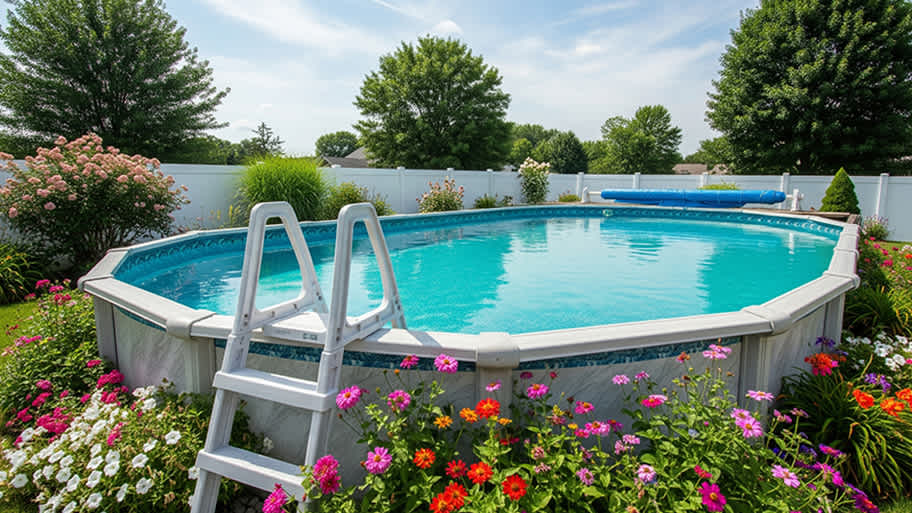
Dreaming of summertime swimming? Find out aboveground pool costs, including prices for materials, fun extras, and professional installation.
Thinking about switching from chlorine to salt water in your pool? Learn how much a saltwater pool conversion costs in this informational guide.
If your water has high calcium hardness, it's important to learn how to lower calcium hardness in your pool water to avoid corrosion that can harm your pool's plumbing.
Learning how to reduce pool evaporation with these six tips can allow you to spend more time enjoying your pool and less time worrying about filling it.
Knowing how to raise pH in a pool might not be as exciting as doing a cannonball, but it’s an important part of ensuring everyone stays safe while having fun in the sun.