
Lighting aisle feeling overwhelming? This article explains the different types of light bulbs, watts, lumens, shapes, sizes, colors, and more.
Step into the (halogen) light—we dare you

Halogen light lamps work by using pressurized halogen gas that reacts with a tungsten filament, extending your bulb's lifespan to 4,000 hours compared to incandescents.
Halogen bulbs cost $1 to $5 on average, with A-type bulbs at $1 to $2 and PAR-type bulbs at $4 to $5 per bulb.
You need to handle halogen bulbs with gloves or a lint-free cloth during installation, as oils from your skin can cause the bulb to rupture.
Hiring a local light fixture installation professional keeps your lighting project on track, from selecting the right bulb type to ensuring proper installation and fit.
When Thomas Edison created the first light bulb, he probably never imagined where we’d be with available lighting options today. While his incandescent bulbs served us well through the years, halogen and LED bulbs are much more energy-efficient. If you want to get the warmth of an incandescent bulb with an environmentally-friendly benefit, here’s what you need to know to choose the best halogen bulb.
Halogen light bulbs are a great source of crisp, white light, perfect for illuminating art or casting a spotlight on a featured object or area of the home. Basically, they’re a much-needed upgrade to the incandescent bulb. Halogen bulbs have a longer lifespan than incandescents and a few other small but effective differences in their glass types and gas mechanisms.

Halogen bulbs have a stronger, thicker glass—usually quartz or high-silica glass—containing highly pressurized halogen gas that fills the bulb.
When you turn on the light, the halogen gas reacts to the tungsten filament inside the bulb, which evaporates from the burning filament and stops it from attaching to the glass. Some of that tungsten is returned to the filament, extending the bulb’s lifespan.
In your average incandescent light bulb, when the tungsten evaporates from the filament, it attaches to the glass. This process often leaves a blackened, sooty area on the bulb that reduces the light output and hours of use.
The lighting market is full of various halogen bulbs and base types you can use around the house. If you’re feeling in the dark about how to choose the best type, here are some of the most popular halogen light bulbs.
Arbitrary (A) bulbs are your stereotypical light bulb shape. When you imagine a standard light bulb, chances are it’s an A bulb. For this reason, A-type halogen bulbs are a common replacement for traditional incandescent bulbs.
Best For: Anywhere there is an incandescent A bulb in your home
Another popular bulb is the tubular-type (T) halogen bulb. Since the diameter of this type of bulb is so small, it is less likely to overheat and burst.
Best For: Wall sconces, desk lamps, pendant lights, torchiere floor lamps (which shine light upward toward the ceiling), and microwaves—just to name a few
R20 halogen bulbs are great for recessed lighting because they dim with ease, making this a type of lighting for kitchen areas and anywhere else where you’re planning on using recessed lights.
Best For: Recessed light fixtures anywhere in your home
For areas that require more precise lighting, PAR halogen bulbs produce light via an electric arc and have an edge over R halogen bulbs. They come in a few sizes; the most common sizes include PAR14, PAR16, and PAR20. These bulbs serve as floodlights in yards, desk lamps, accent lighting, and recessed lighting.
Best For: Floodlights, desk lamps, or areas that need precise task lighting
Another popular halogen light bulb type is the MR16, also commonly used in recessed lighting. Thanks to the brightness of halogen light bulbs, they’re typically the go-to bulb type if you have track lighting or need to highlight a particular display. Other uses include under-cabinet lighting, landscape lighting, and work lights or floodlights.
Best For: Track lighting, under-cabinet lighting, landscape lighting, or floodlights due to their brightness
If you’ve ever been to an outdoor restaurant or bar that has that perfect ambiance, there’s a good chance they’re using globe (G) bulbs. These halogen bulbs are spherical, as their name suggests, giving them a distinct look for accentuating areas of the home or outdoor patio.
Best For: Outdoor areas that require an inviting ambiance
A J-type halogen bulb is also called a double-ended halogen bulb. This model type can generate light from both ends of the tube, much like the CFLs used in your old-school gym or parking garage. Unlike CFLs, which take a long time to warm up and start working, J-type bulbs produce light instantly and are great for bathrooms, ceilings, and table lamps.
Best For: Bathrooms, table lamps, or ceiling lights in schools or offices
The bulb itself isn’t the only thing you need to consider when choosing the right halogen light for your home. Frankly, it’s all about that base.
The base is the part of the light bulb that screws into the fixture. If you purchase a bulb that is too small or too big, then it won’t fit into the fixture (and you might start to question your ability to change a light bulb)!
Let’s take a quick look at a few facts about types of light bulb bases to help you choose the right bulb for the base:
Bases are measured in millimeters (mm), so make sure you choose the right-sized bulb for the base.
The Edison code is most frequently used to determine the type, with an “E” followed by the number of millimeters that make up the diameter of the base of your bulb.
The most common size is the medium E26/E27.
The second most common base for bulbs is the E12 Candelabra.
“E” bases are used for single-contact bulbs.
Double-contact halogen bulbs require a double-contact base, such as a bayonet (BA) base.
Selecting the right bulb for your needs doesn’t stop with choosing the type of light bulbs and fixtures. Here are six other factors you’ll need to consider as you make your choice:
Every bulb displays a set of numbers after the type of bulb. These numbers indicate the size of the bulb diameter by 1/8 of an inch. A higher number means a larger bulb.
Location matters, so if you’re going to install a halogen bulb as a floodlight outside, chances are you’re going to want a different (and much larger) type from the ones used for recessed lighting!
You’ll need to calculate the number of wattages used in your space to determine the correct brightness for the halogen bulb. You’ll also want to make sure you choose the right color for your home.
A few color options include “bright white,” “warm white,” and “soft white,” though it’s important to note that each manufacturer’s color chart might vary slightly.
Halogen bulbs cost between $1 to $5 on average, but some types of bulbs cost more than others. For instance, standard A-type halogen bulbs tend to cost only $1 to $2 per bulb, while PAR-type bulbs cost closer to the $4 to $5 range. MR16 bulbs fall in the middle of the price range.

As with anything else, there are advantages and disadvantages to using halogen light bulbs.
Halogen bulbs are great because of their:
Quality of light: One of the main benefits is the type of light it emits. Halogen bulbs contain a bright light with blue undertones that more closely resemble actual sunlight.
Lifespan: A halogen bulb maintains that brightness for the duration of its lifespan of 2,000–4,000 hours compared to incandescent bulbs, which only last for 750–2,000 hours.
Instantaneous lighting: When you flip the switch to turn on the bulb, it’s instantly at full brightness and doesn’t require time to warm up.
Size and weight: Halogen light bulbs are small and lightweight, making them easy to install.
Lack of mercury: Unlike compact fluorescent lights (CFLs), halogens do not contain mercury, so breaking a halogen bulb doesn’t pose a safety hazard (beyond all that glass, that is!).
There are also some disadvantages that come with halogen bulbs, such as:
They’re extremely hot: Halogen light bulbs are hot and can cause burns if touched. A screen or glass cover or shield should surround the bulb for protection—it shouldn't be easy to touch. If you’re changing the bulb, turn it off and allow it to cool for at least 10 minutes before you touch it.
Voltage drops: Try to avoid placing halogen bulbs in kids’ rooms, dorms, or older houses that may have sketchy wiring because you might experience a drop in the home’s overall voltage.
Installation process: Halogen bulbs are sensitive to the oils produced by human skin. If you touch the bulb with bare hands, the oil left behind will heat up and could cause an imbalance, resulting in a rupture of the bulb. When installing a halogen light bulb, use gloves or a lint-free cloth to avoid leaving behind fingerprints.
Upgrading your lighting can be an intimidating project. If you find yourself blinded by the light, speak with a lighting company near you to help you choose the best light bulbs for your home.
Custom Paint Jobs LLC gave our office a fresh new look. Clients love it!
 Custom Paint Jobs, LLC
Best painters in the Greater Columbus, Ohio area. Quality of work second to none and customer service is head above shoulders than everyone else. I cant wait to work on another project with Silvio and Team!
The Mosby team went above and beyond for my project. They not only installed my light fixture; they also worked through an old, wonky, and as it turns out incorrect wiring issue from the work of prior contractors. Professional, thorough, conscientious, and kind. Five star experience. Thank you!
 Mosby Electric
We had a 20+ year old landscape lighting system that needed replacement. Midwest Lightscapes worked with us to design a much improved lighting system, lighting the exterior of the house and the back yard. Installation of the 45 light system took one and one-half days, and went very smoothly....
 Midwest Lightscapes
Jeff was a consummate professional. Responsive, courteous, and focused on meeting our needs. I had a small project of installing and replacing two ceiling light fixtures. He responded to my Home Advisory inquiry within 24 hours and in a span of two weeks our light fixtures were installed. ...
For several months I was looking for somebody to tile a wall in my master bath and move lighting fixtures, and could not find anybody who was responsive. I contacted Rowe through Home Advisor and within days they came by to assess the job and provide an estimate. The cost was very...
 Rowe House Development
A team of 2 spent 5 hours, cleaning top to bottom (removed all light fixture and cleaned.... impressive!!!)
 Luzia's Cleaning
It went very well. I was able to select the color blocks I wanted and where they would be placed in the window. All of the employees were very pleasant and patient. The guys who installed the window arrived promptly, did their job, and there was nothing for me to clean up. The window looks...
 Innovate Home Org - Columbus Glass Block
The initial quoted price from a walk-through seemed high, but we discussed that the quote represented worst case scenario (re-wiring to two floors) and we were excited about the opportunity to have the work done in a timely manner with closing for fire safety reasons, etc. When the job was...
Charlie recommended a separate fan with new lighting to clear steam from the room better. Several weeks ago I contacted Charlie via email to ask about pricing and scheduling, after one follow up he did reply with cost and said it would be about two weeks before he could do the work. I replied...
 Settle Muter Electric
From average costs to expert advice, get all the answers you need to get your job done.
Lighting aisle feeling overwhelming? This article explains the different types of light bulbs, watts, lumens, shapes, sizes, colors, and more.
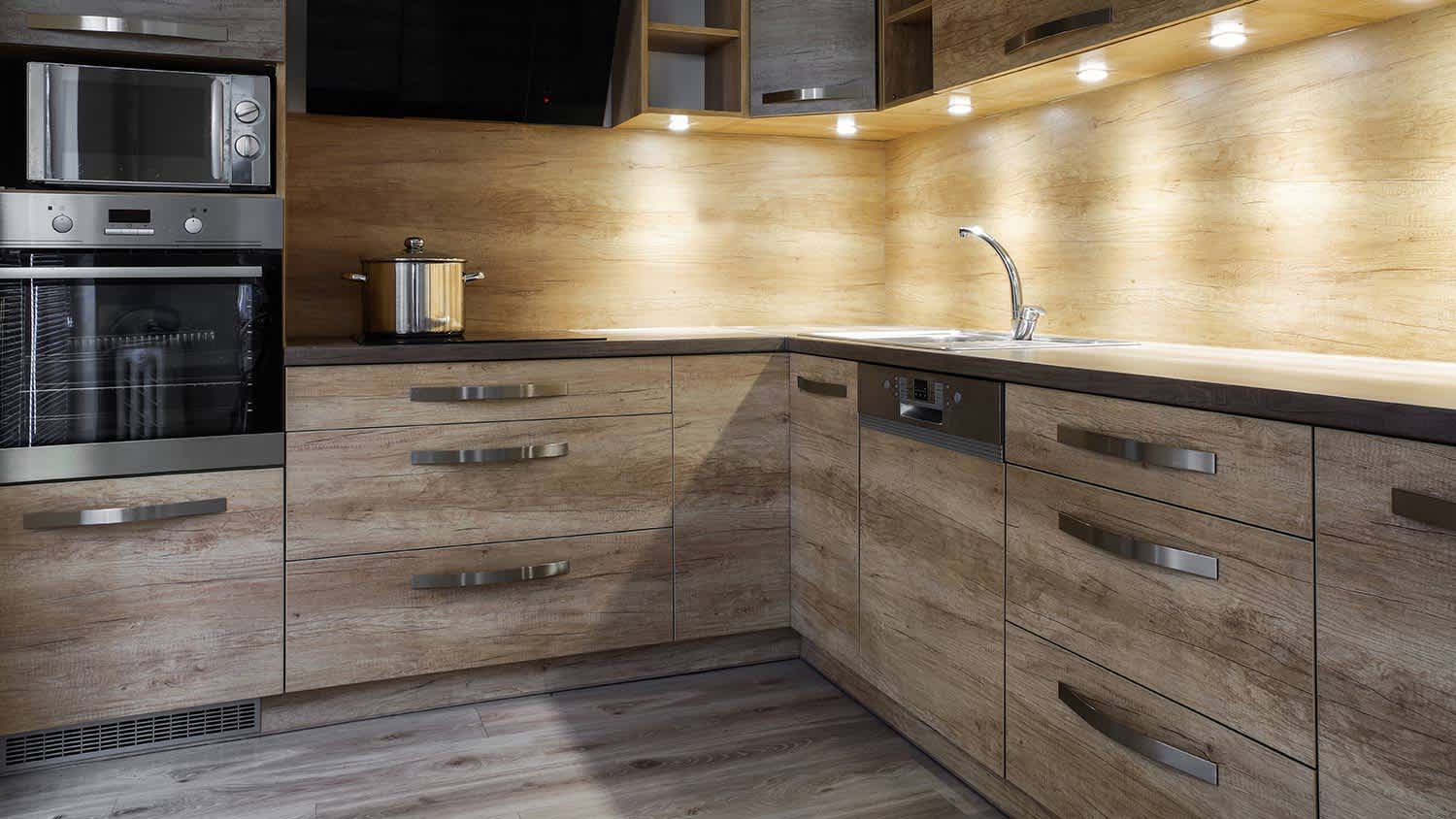
Kitchen lighting is an important design element. When it comes to xenon versus halogen bulbs, you may be wondering which one you should choose. This article breaks down the differences for you.
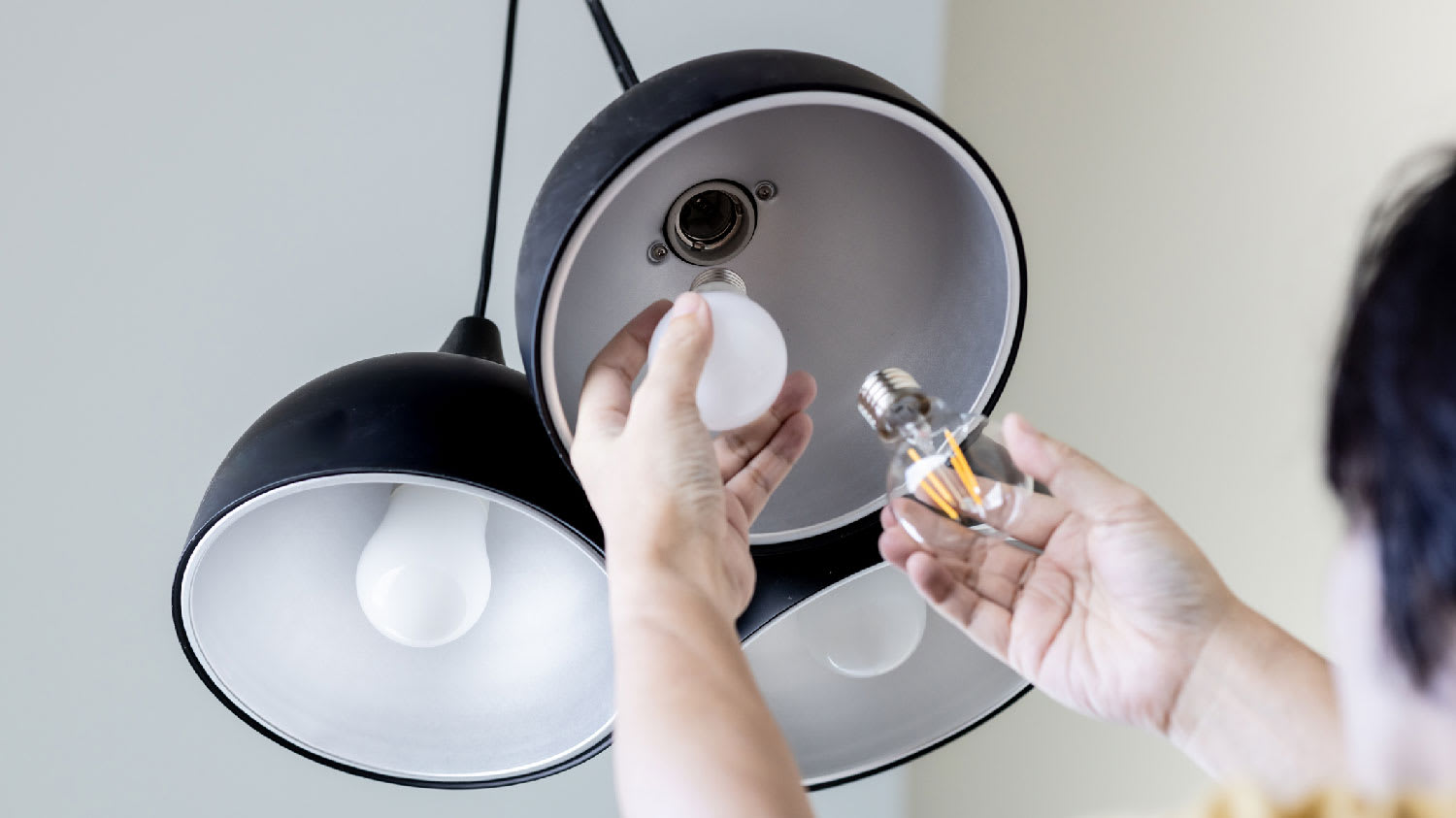
Make sure the replacement will fit that burnt-out bulb. Light the way with this easy-to-understand guide to types of light bulb bases and their sizes.
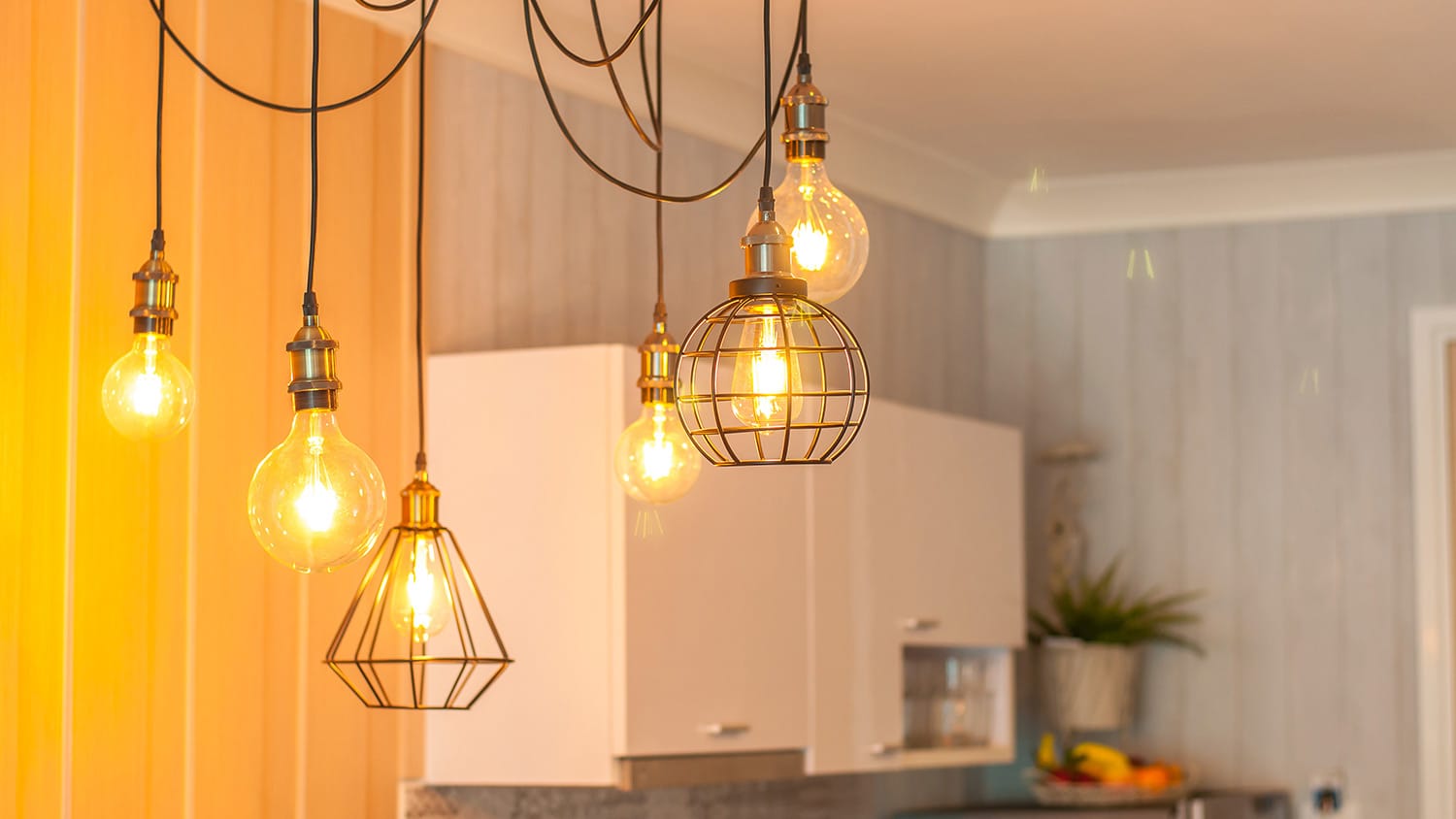
Compare the best energy-efficient light bulbs and see why LEDs cut energy use and save the average U.S. home about $225 a year on lighting.
Save money, use less energy, and accent your decor with the focused, decorative, or subtle light styles available from different types of LED light bulbs.
Learn what to look for in a light bulb to choose the best fit for your ceiling fan light. Explore types of ceiling fan light bulbs, wattages, and colors.