

Lighting aisle feeling overwhelming? This article explains the different types of light bulbs, watts, lumens, shapes, sizes, colors, and more.
How many DIYers does it take to change a light bulb?

Common light bulb base sizes include Edison screw bases like E26 standard and E12 candelabra, twist-and-lock bases, and bi-pin bases for different fixtures.
Twist-and-lock bases like GU10 and GU24 insert and lock into place, while bi-pin bases have two pins that simply plug into your socket.
Fluorescent tubes use specialized pin bases like G5 and G13, and you can replace most fluorescent tubes with compatible LED tubes for better efficiency.
Hiring a local light fixture installation professional removes the guesswork from matching bulb bases to your fixtures, especially when upgrading to LED lighting.
Learning how to read the codes for the different types of light bulb bases is just as important as the light bulb codes themselves. A typical household light bulb is A19, for instance, but what type of base is a regular light bulb? Many bulbs, including LED and compact fluorescent lights, can fit into the same light bulb base. Below are some of the most common light bulb bases you’ll find in fixtures around your home.

When most people picture a light bulb in their heads, this is likely the style that comes to mind. Edison screw light bulb bases represent some of the most common light bulb types. They screw into a variety of standard light fixtures. The “E” in the light bulb base code stands for Edison, as in Thomas Edison. The numbers denote the base diameter in millimeters.
The smallest of the Edison light bulb bases are also known as candelabra bases. Think of the multi-armed candle holders depicted in classic fairy tales. Traditionally incandescent light bulbs and candelabra bulbs are now available in other types, too.
Typical candelabra base sizes include:
E10 mini screw
E11 mini candelabra
E12 candelabra
Best For: Decorative lighting and chandeliers
Falling into the middle range of Edison screw light bases are standard light bulb bases. They’re becoming some of the most popular types of LED light bulbs as more households are switching away from incandescent lights. If you’re thinking of a “normal” light bulb, this is probably it.
Common sizes of standard screw bases include:
E14 European
E17 intermediate
E26 standard (medium)
E27 medium
Best For: Standard light fixtures
The largest of the Edison family of light bulb bases are the mogul screw bases. You screw light bulbs into these bases like other Edison-style lighting. Sometimes found in floor lamps with multiple bulbs, the center mogul base is often made of cast porcelain to withstand higher temperatures.
Common mogul screw base sizes include:
E39 mogul
EX39 extended mogul
E40 mogul
Best For: Larger floor lamps with multiple bulbs

As their name implies, GU twist-and-lock bases are different from Edison screw bases. You don’t screw a light bulb into these types of light bulb bases. Instead, compatible light bulbs have two pins on the bottom. Insert these into the socket, then twist and lock the light bulb into place. Local light fixture installation services sometimes recommend twist-and-lock bases for compact fluorescent lights (CFLs) because they last longer and use less energy than screw-in bases. The numbers in these light bulb base codes also refer to the size in millimeters.
The two most common types of twist-and-lock bulb bases are:
GU10
GU24
Best For: Dimmable recessed track or flood lighting

Bi-pin light bulb bases also work with two pins as points of contact, but they don’t twist and lock into place. You simply insert the two pins into the socket. They are sometimes also called bipin, two-pin, bipin caps, or bipin sockets. Many smaller halogen light bulb types use bi-pin bases. Small light bulbs in cars sometimes use bi-pin light bulb bases.
Bi-pin light bulb bases typically start with a G. Codes that start with GU usually have a mechanism for physical support. GX, GY, and GZ codes are other types of light bulb bases in this class. The numbers that follow the letter(s) refer to the distance between the two pins in millimeters.
Common varieties of bi-pin light bulb bases include:
G4
GU4
GZ4
G5
GU5.3
GX5.3
GY6.35
GZ6.35
GU8
GY8
GY8.6
G9
G9.5
G12
Best For: High-efficiency installations avoiding incandescent bulbs

Some of the most common types of fluorescent light bulbs are tubular (T group) or linear (LFL group) in shape, rather than a single bulb coming out of a single base. The fluorescent light tubes in offices and commercial areas fall into this category. Some homes may have tubular fluorescent lights in the kitchen.
Along with the length and diameter of these light tubes, you’ve also got a variety of fluorescent pin bases. Most have a bi-pin configuration. You can typically replace fluorescent tubes with compatible LED tubes.
Examples of fluorescent light pin bases include:
G5 fitting for T5 fluorescent tubes with 5mm between pins
G13 fitting for T8 and T12 fluorescent tubes with 25mm between pins
2GX13 for circular fluorescent tubes with four contact points
Best For: Ceiling lights in the kitchen, office, workshop, or commercial space

There are popular compact fluorescent lights (CFLs) made to fit with standard Edison-style screw bases, but there are also specialized bases specifically for CFL lamps. These light bulbs are typically coded as PL, for Philips Lighting, which first developed the format.
The light bulbs themselves are usually in a twin-tube, quad-tube, or spiral shape and use either a 2-pin or 4-pin base connection. Codes for these types of light bulb bases start with a G or GX, followed by a number for the distance between pins in millimeters.
Common 2-pin CFL lamp bases include:
G23
G23-2
GX23
GX23-2
G24d-1
G24d-2
G24d-3
GX32d-2
GX32d-3
Common 4-pin CFL lamp bases include:
G24q-1
G24q-2
G24q-3
GX24q-2
GX24q-3
GX24q-4
GX24q-5
2G7
2GX7
2G11
GX10q-4
Best For: Dimmable lighting in high-traffic areas

Along with the wide range of more standard light bulb bases described above, the lighting industry also has several specialty bases. Bayonet (BA) bases are common, like double-contact halogen bulbs for device lighting and small machines. Unique applications can sometimes call for special light bulb bases.
Examples of specialty bases for light bulbs include:
BA15s single contact bayonet
BA15d double contact bayonet
R7s recessed single contact
Medium side prong (120V)
GX16d mogul end prong base
MP screw terminal
Rigid loop
Festoon
Wedge base
S14S for LED tube lights
Best For: Specialty light installations
After learning how to tell the base type of a light bulb, your next step may be to buy some new light bulbs. Even if you know that E26 is the type of base for a regular light bulb, for example, you still have options.
One decision is if you want to switch from incandescent to LED lighting. LED light bulbs cost more upfront but are 75% more energy-efficient, last longer, and are made from stronger materials. At a basic level, an LED upgrade could save your family a fair chunk of change in the long run.
Custom Paint Jobs LLC gave our office a fresh new look. Clients love it!
 Custom Paint Jobs, LLC
Best painters in the Greater Columbus, Ohio area. Quality of work second to none and customer service is head above shoulders than everyone else. I cant wait to work on another project with Silvio and Team!
The Mosby team went above and beyond for my project. They not only installed my light fixture; they also worked through an old, wonky, and as it turns out incorrect wiring issue from the work of prior contractors. Professional, thorough, conscientious, and kind. Five star experience. Thank you!
 Mosby Electric
We had a 20+ year old landscape lighting system that needed replacement. Midwest Lightscapes worked with us to design a much improved lighting system, lighting the exterior of the house and the back yard. Installation of the 45 light system took one and one-half days, and went very smoothly....
 Midwest Lightscapes
Jeff was a consummate professional. Responsive, courteous, and focused on meeting our needs. I had a small project of installing and replacing two ceiling light fixtures. He responded to my Home Advisory inquiry within 24 hours and in a span of two weeks our light fixtures were installed. ...
For several months I was looking for somebody to tile a wall in my master bath and move lighting fixtures, and could not find anybody who was responsive. I contacted Rowe through Home Advisor and within days they came by to assess the job and provide an estimate. The cost was very...
 Rowe House Development
A team of 2 spent 5 hours, cleaning top to bottom (removed all light fixture and cleaned.... impressive!!!)
 Luzia's Cleaning
It went very well. I was able to select the color blocks I wanted and where they would be placed in the window. All of the employees were very pleasant and patient. The guys who installed the window arrived promptly, did their job, and there was nothing for me to clean up. The window looks...
 Innovate Home Org - Columbus Glass Block
The initial quoted price from a walk-through seemed high, but we discussed that the quote represented worst case scenario (re-wiring to two floors) and we were excited about the opportunity to have the work done in a timely manner with closing for fire safety reasons, etc. When the job was...
Charlie recommended a separate fan with new lighting to clear steam from the room better. Several weeks ago I contacted Charlie via email to ask about pricing and scheduling, after one follow up he did reply with cost and said it would be about two weeks before he could do the work. I replied...
 Settle Muter Electric
From average costs to expert advice, get all the answers you need to get your job done.
Lighting aisle feeling overwhelming? This article explains the different types of light bulbs, watts, lumens, shapes, sizes, colors, and more.

Use mercury-free halogen bulbs to brighten up your interior and exterior. Read on to discover which halogen light bulb types are best for your home.
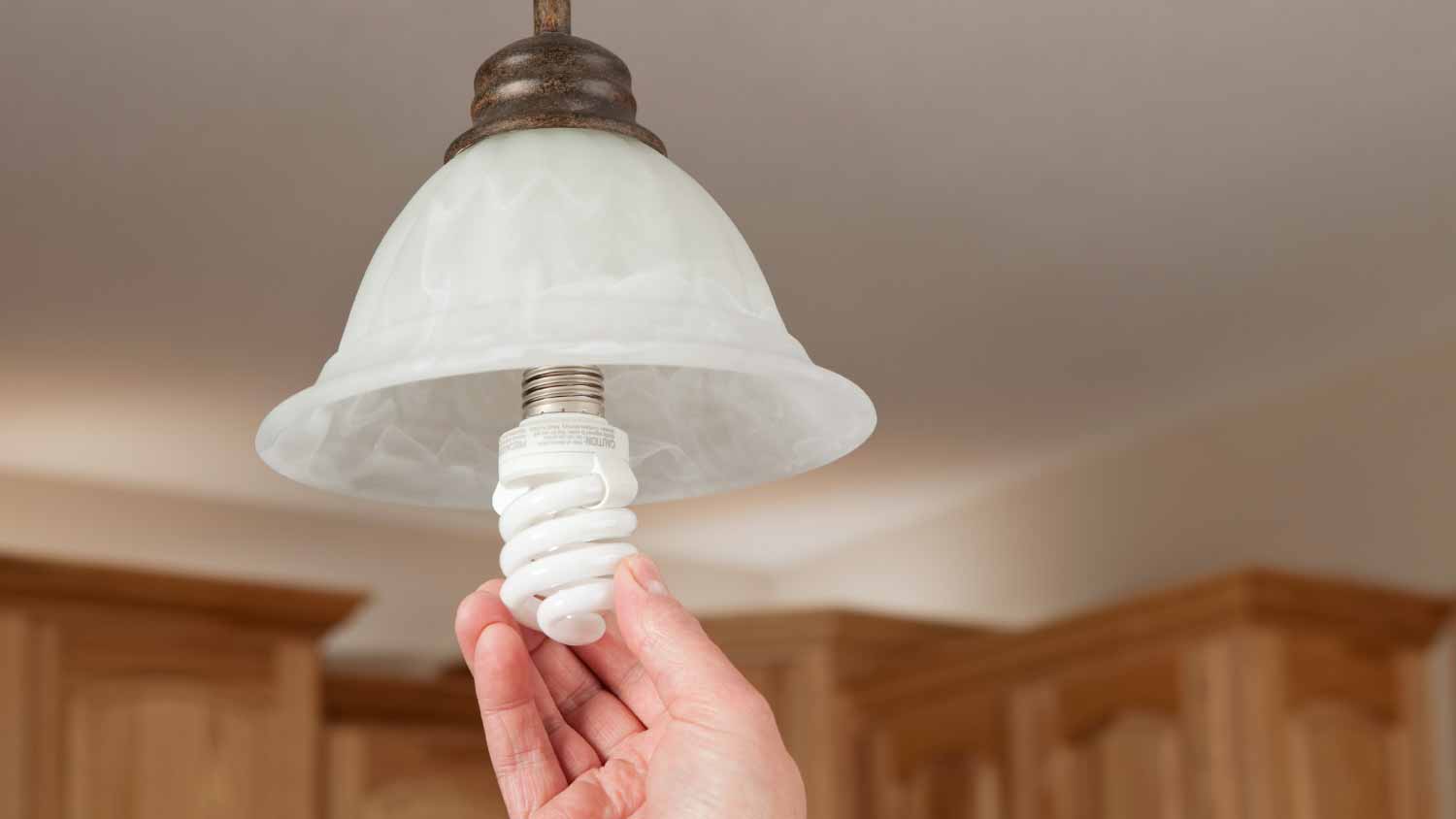
Explore the world of fluorescent light bulb types! From cost considerations to applications, dive into the pros and cons of four popular options.
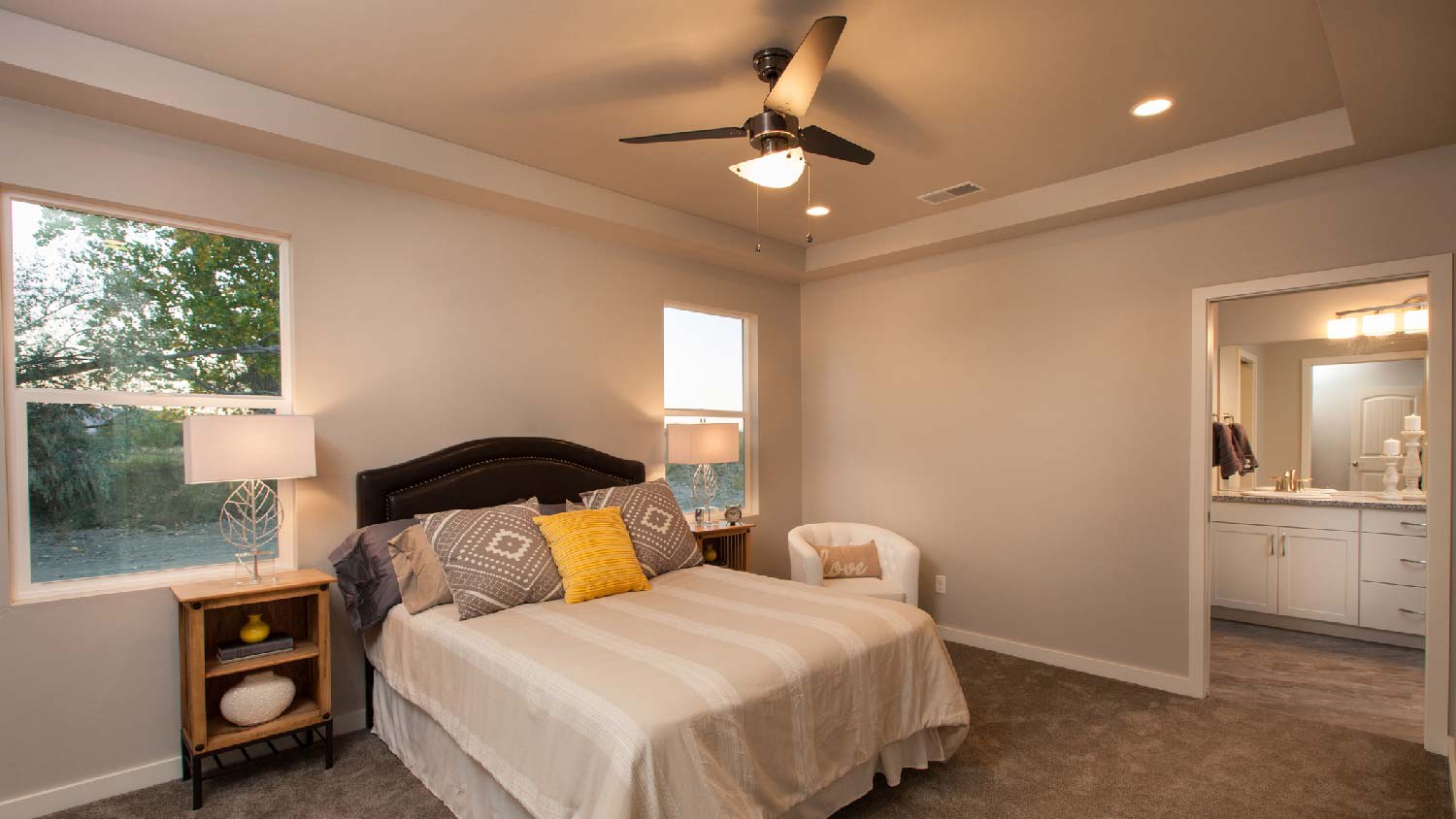
Learn what to look for in a light bulb to choose the best fit for your ceiling fan light. Explore types of ceiling fan light bulbs, wattages, and colors.

Save money, use less energy, and accent your decor with the focused, decorative, or subtle light styles available from different types of LED light bulbs.
Compare the best energy-efficient light bulbs and see why LEDs cut energy use and save the average U.S. home about $225 a year on lighting.