

Get transparent light fixture repair cost info. Learn what impacts price, compare repair vs. replacement, and find ways to save.
This project isn’t quite as easy as flipping a switch, but it’s close

How many DIYers does it take to change a fluorescent light bulb? For this simple project, just one! The steps for how to remove and change most types of fluorescent light bulbs are pretty straightforward. Safety awareness is key, but with a little focus, changing your own fluorescent bulbs can be done in minutes.
Different fixtures require different light bulb types to work safely and efficiently. U.S. legislation is phasing out CFLs (compact fluorescent lights) and fluorescent lights in alignment with consumer safety.
While older fixtures often require T12 bulbs (1.5’’ diameter), the newer energy-efficient fixtures commonly use T8 bulbs. The T stands for tubular and the number is the diameter in eighth fractions of an inch, not the length in feet. The T12 is 12/8 of an inch or 1.5 inches, the T8 is 8/8, and the T5 is 5/8 inch.
Before updating your old bulb to an LED or from an incandescent vs. fluorescent light bulb, you may need to retrofit your ballast to ensure bulb-to-fixture compatibility. The ballast is the small machine that stores the charge that lights the bulb and distributes the voltage evenly to keep it from overloading.
A safety-minded DIYer might deem this step obvious, but make sure the power to the fixture is off before anything else. Depending on the bulb you are replacing, do the following:
Flick off the wall switch.
Disconnect electricity to the fixture via your fuse box.
Test that the electricity is off by flicking the switch again. Then, confirm that you can safely and comfortably reach your fixture without straining. Ask someone to spot you on a stepladder if the fixture is located high above you.
Hop over this step and skip on to number four if the type of light fixture you have is uncovered.
If your light does have a cover, you can usually remove it by twisting the caps or seals counterclockwise using your pliers until they pop off. Have your hand ready to stabilize the cover once it's loose to avoid being hit by it. Gently slide the cover off the fixture.
Double-bulb units typically have a screw on each side, and four-bulb units typically have an additional screw on the top center edge. So, remove screws if needed.

At this stage, you should be looking at an open fixture that exposes the light bulb you want to change. Here's how to safely remove the bulb:
Test that the bulb isn't hot to the touch before grabbing it.
Keep your hands near the ends or base of the bulb.
Gently rotate the bulb clockwise to loosen it.
Identify the pins holding the bulb in the fixture.
Rotate the bulb toward you.
Bring the bulb into vertical alignment.
Slide the bulb toward you.
With the cover off, inspect the sockets at either end. Use a screwdriver to tighten loose sockets, and replace any broken ones. You can now set the tube in a safe place unless it didn’t come out cleanly—then you’ll need to learn how to remove a broken light bulb. Compare the type of light bulb base of the old light with your new bulb. If they match, you can move on to the next step.
Now it’s time to bring in the replacement bulb. Here's how to install it:
Align the bulb's prongs with the socket slots.
Lift the tube into the sockets.
Rotate the tube 90 degrees.
Confirm that it "locks" into place.
Do a gentle tap to ensure it's secure.
You can repeat this process for as many bulbs as you need. Just make sure to focus on handling one bulb at a time to avoid shattering.
Test that the new bulb works correctly by reversing your steps to flip the fuse box and light switch back on. If it lights, you’ve successfully repaired the bulb.
If you’re still in the dark, consider troubleshooting the other ballast or sockets. A faulty ballast can make a humming sound, cause the lights to flicker, or short the bulb out as soon as you power it up. Older ballasts and ballasts exposed to cold air tend to burn out more frequently.
The good news is that if you do need to replace your old ballast, the modern designs are electronic and an excellent energy-saving lighting option. And who doesn’t love a lower electricity bill?
While figuring out how to change a fluorescent light bulb is easy, replacing the ballast is a little trickier. Consider bringing in a qualified, licensed electrician near you to help you out with this one. An electrician can also confirm if your light fixture is to blame for no-show lighting.
An electrician charges between $50 and $100 per hour. The average cost for a handyperson to install a light ranges between $65 to $125, depending on the light fixture. Another option, if you need assistance changing out your light bulbs, is to hire a light bulb changing service to take on this task.
Custom Paint Jobs LLC gave our office a fresh new look. Clients love it!
 Custom Paint Jobs, LLC
Best painters in the Greater Columbus, Ohio area. Quality of work second to none and customer service is head above shoulders than everyone else. I cant wait to work on another project with Silvio and Team!
The Mosby team went above and beyond for my project. They not only installed my light fixture; they also worked through an old, wonky, and as it turns out incorrect wiring issue from the work of prior contractors. Professional, thorough, conscientious, and kind. Five star experience. Thank you!
 Mosby Electric
We had a 20+ year old landscape lighting system that needed replacement. Midwest Lightscapes worked with us to design a much improved lighting system, lighting the exterior of the house and the back yard. Installation of the 45 light system took one and one-half days, and went very smoothly....
 Midwest Lightscapes
Jeff was a consummate professional. Responsive, courteous, and focused on meeting our needs. I had a small project of installing and replacing two ceiling light fixtures. He responded to my Home Advisory inquiry within 24 hours and in a span of two weeks our light fixtures were installed. ...
For several months I was looking for somebody to tile a wall in my master bath and move lighting fixtures, and could not find anybody who was responsive. I contacted Rowe through Home Advisor and within days they came by to assess the job and provide an estimate. The cost was very...
 Rowe House Development
A team of 2 spent 5 hours, cleaning top to bottom (removed all light fixture and cleaned.... impressive!!!)
 Luzia's Cleaning
It went very well. I was able to select the color blocks I wanted and where they would be placed in the window. All of the employees were very pleasant and patient. The guys who installed the window arrived promptly, did their job, and there was nothing for me to clean up. The window looks...
 Innovate Home Org - Columbus Glass Block
The initial quoted price from a walk-through seemed high, but we discussed that the quote represented worst case scenario (re-wiring to two floors) and we were excited about the opportunity to have the work done in a timely manner with closing for fire safety reasons, etc. When the job was...
Charlie recommended a separate fan with new lighting to clear steam from the room better. Several weeks ago I contacted Charlie via email to ask about pricing and scheduling, after one follow up he did reply with cost and said it would be about two weeks before he could do the work. I replied...
 Settle Muter Electric
From average costs to expert advice, get all the answers you need to get your job done.
Get transparent light fixture repair cost info. Learn what impacts price, compare repair vs. replacement, and find ways to save.

Lighting aisle feeling overwhelming? This article explains the different types of light bulbs, watts, lumens, shapes, sizes, colors, and more.
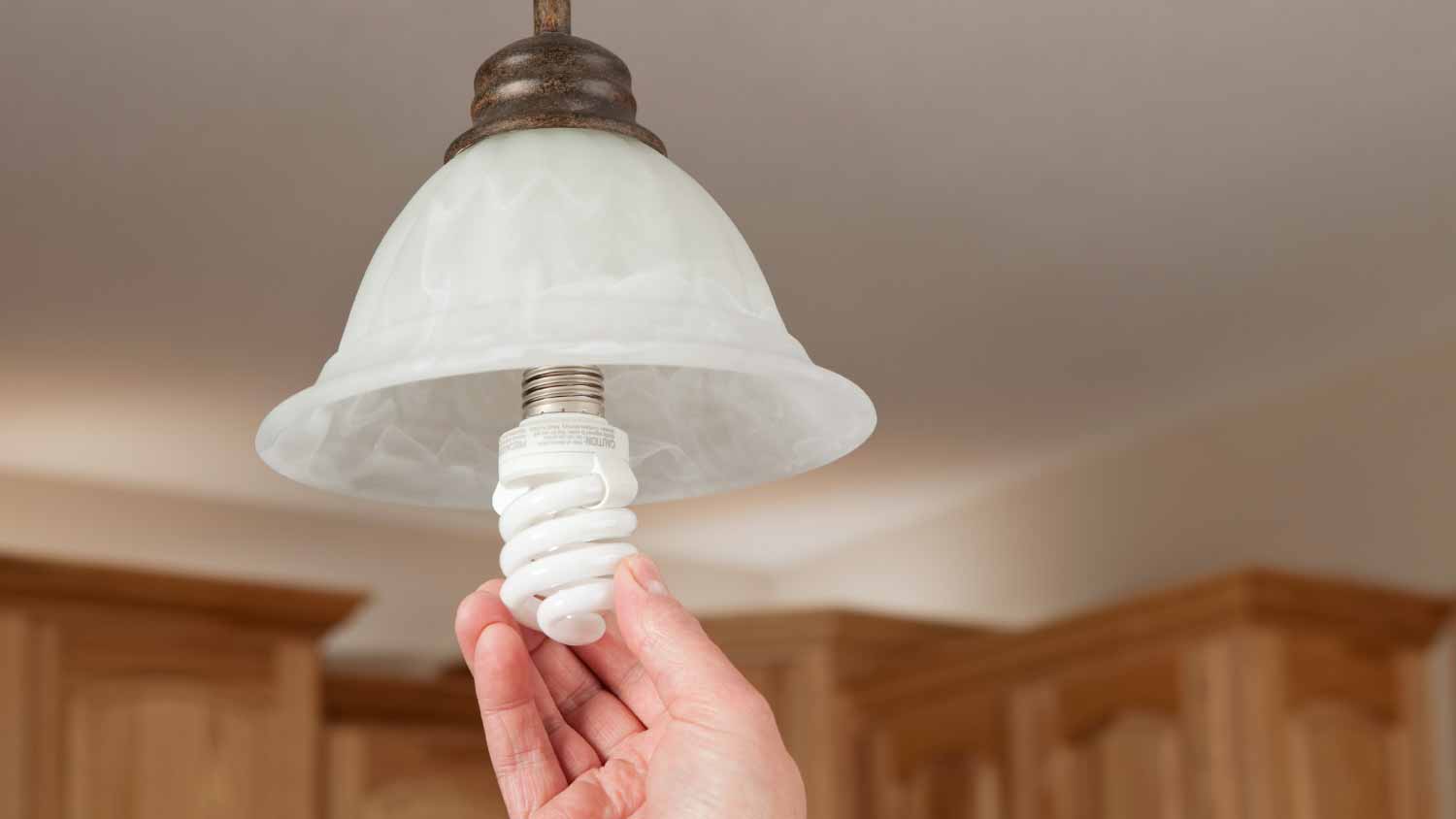
Explore the world of fluorescent light bulb types! From cost considerations to applications, dive into the pros and cons of four popular options.
If your lights are flickering, it could be part of a bigger issue. Learn how to determine what is causing your lights to flicker and what you can do to fix it here.
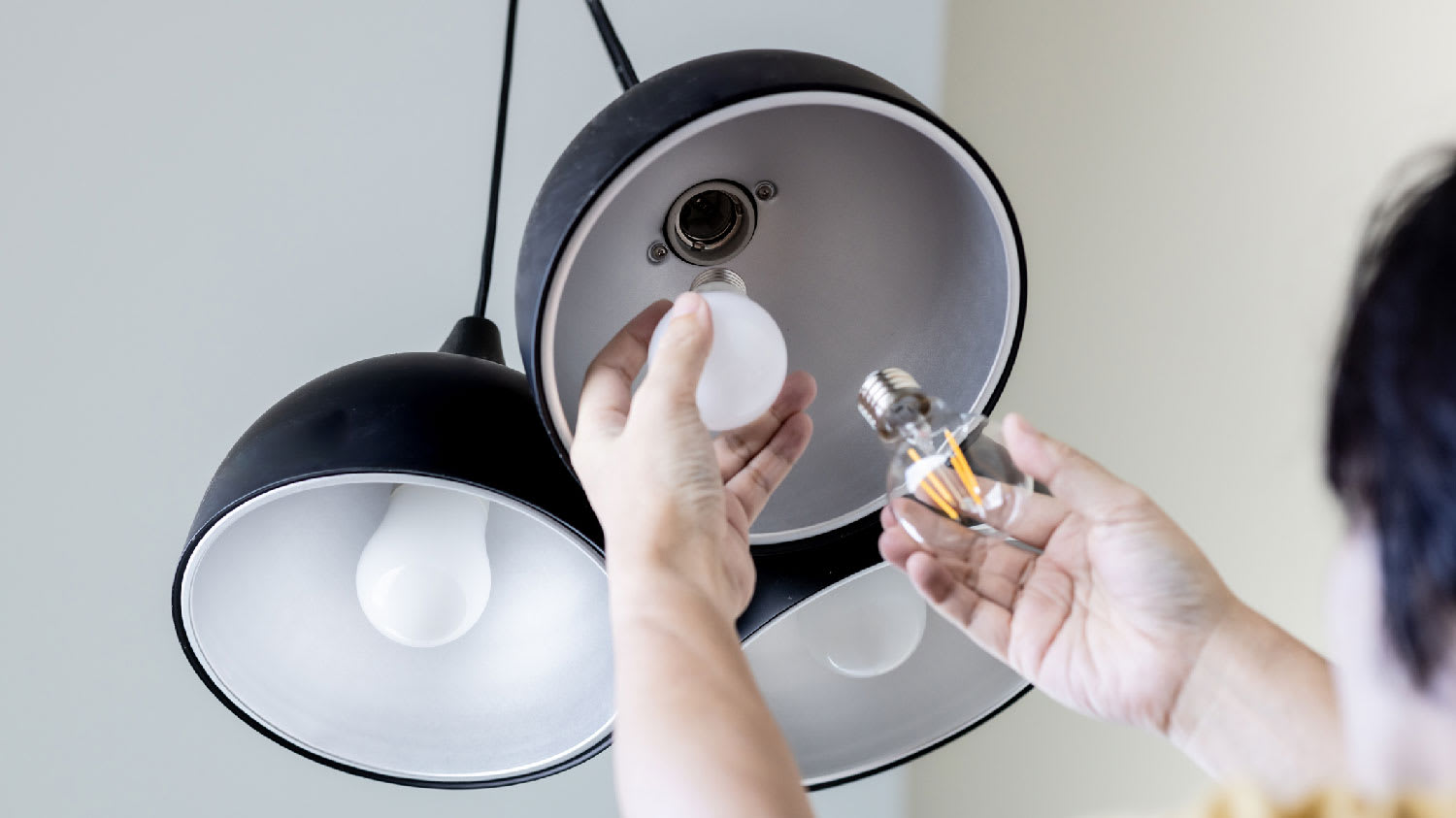
Make sure the replacement will fit that burnt-out bulb. Light the way with this easy-to-understand guide to types of light bulb bases and their sizes.
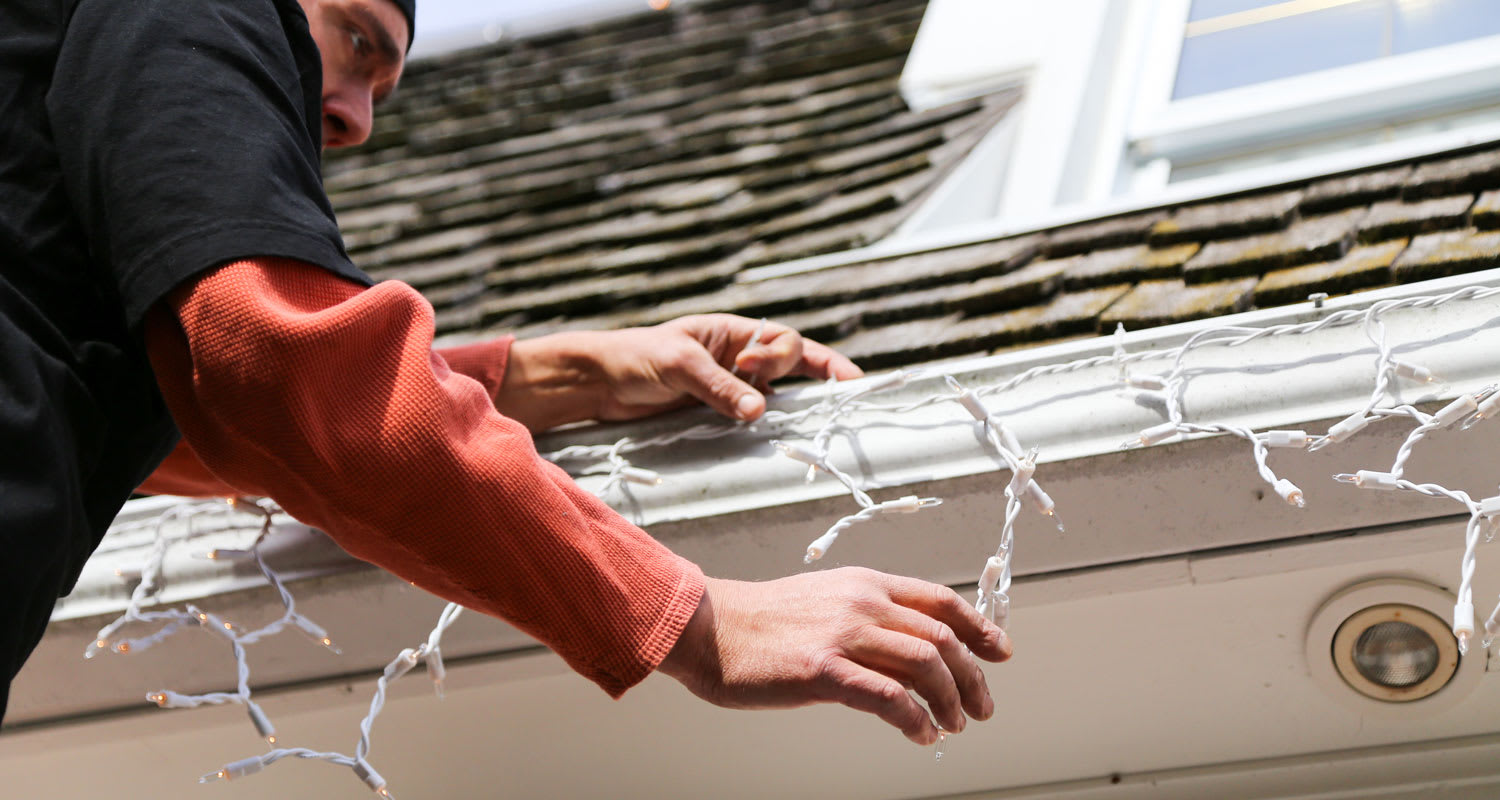
Getting your Christmas lights out of their boxes only to discover that half a strand is out is frustrating. Here’s how to fix Christmas lights and replace light bulbs.