

Incandescent and fluorescent light bulbs have differences in cost, efficiency, and how they work. Read up on what separates these types of light bulbs.
Have a lightbulb moment when choosing the right bulb

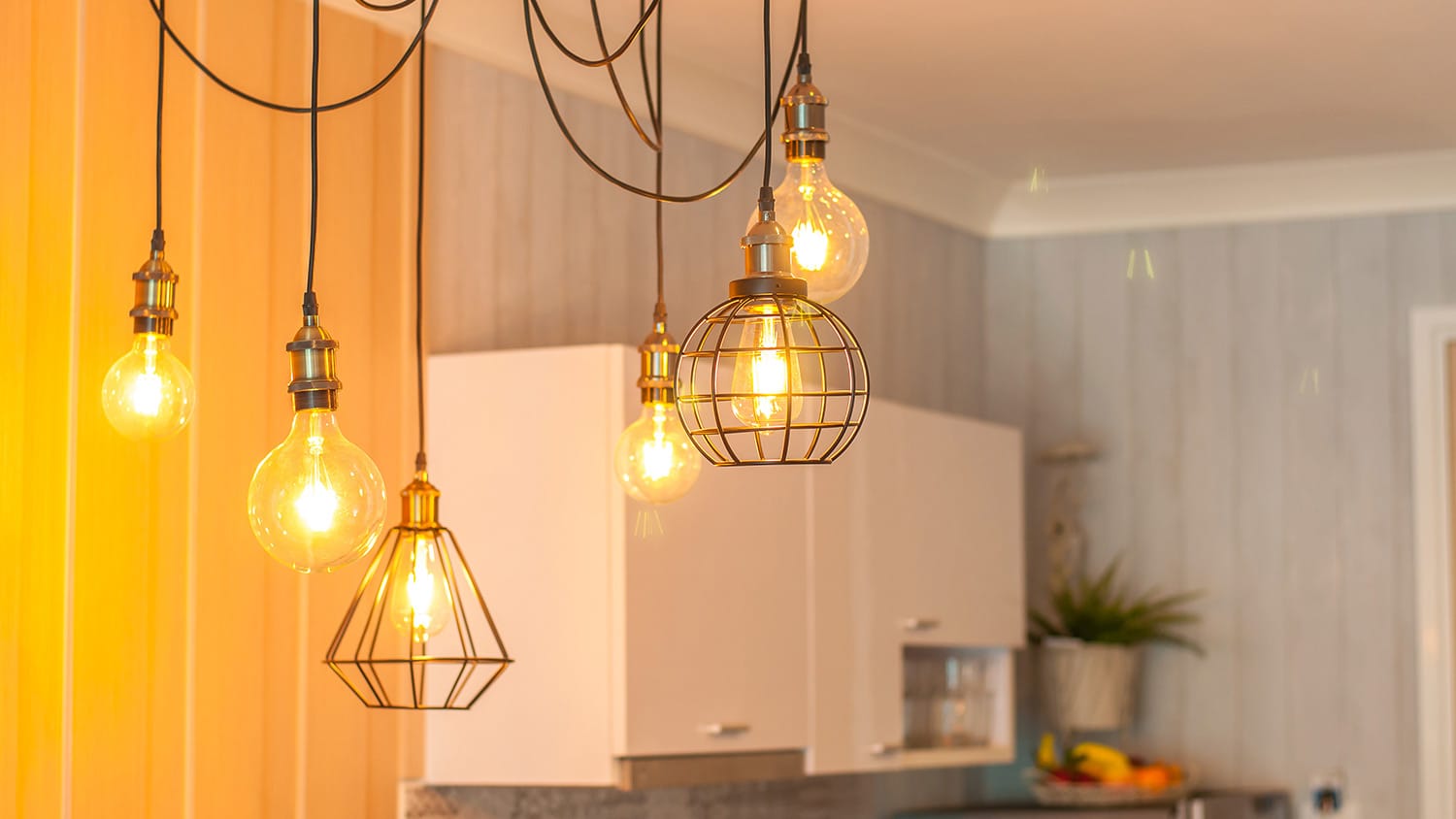
Incandescent bulbs produce light when electricity heats a tungsten filament inside the bulb, creating a warm, yellow-orange glow that closely resembles natural sunlight.
Your incandescent bulbs last about 1,000 hours compared to LED bulbs that last 50,000 to 100,000 hours, so you replace them more frequently.
You can dim incandescent bulbs easily with standard dimmer switches, making them a simple choice for controlling the ambiance and warmth of your space.
Hiring a local light fixture installation professional provides reliable guidance on choosing the right bulb type for your home and completing safe, proper installation.
Some classics never go out of style. Take the incandescent light bulb—first invented in 1879. This old design is still widely used today for many good reasons. But what is an incandescent light bulb? What makes it different from other types of light bulbs? And is it the right choice for lighting your space? Here’s everything you need to know.
Incandescent bulbs are very simply designed. A metal, threaded base is attached to a glass bulb with sealed joints. Inside the bulb are fine filaments made of coiled tungsten metal. The bulb is usually filled with inert gas, such as argon and nitrogen, to help extend the lifespan of this tungsten filament and stop it from burning out so quickly. When the bulb is screwed in, electric current flows through the tungsten, causing it to heat up until it’s glowing. And just like that, you have the first ever electric light. While modern incandescent bulbs sometimes alter the design slightly, they all use this same basic principle to work.
Incandescence essentially refers to the process of a material emitting visible light due to being heated up. In the case of a light bulb, this is the tungsten filament within—this phenomenon is where incandescent bulbs get their name.
Despite being an old-school design, incandescent light bulbs are still one of the most common types of lighting used across the world. There are a few big selling points that have helped them stay popular for nearly 150 years.
There’s nothing quite like the soft, warm, yellow-orange glow of an incandescent light bulb. They can make a space feel cozy and nostalgic, and their natural color closely mimics the light from the sun.
Sometimes, you actually want a bulb that gets hot. For food-warming lamps or heating lights in bathrooms, incandescent bulbs are great because they produce heat as well as light.
Because of the simple design of incandescent light bulbs, they’re very easy to dim even with old dimmer switch setups. Less power equals a dimmer light, making incandescent bulbs very useful for controlling the ambiance of your home lighting.
Incandescent bulbs are cheaper than other options, such as LED or CFL (compact fluorescent lamp). They can be a more cost-effective option if you need a lot of them—at least as far as upfront costs are concerned.

No technology can exist for over a century without some improvements being made. With the growth of LED lighting as the preferred way to light a space, it’s easier to see the shortcomings of the old-school style of incandescent light bulbs. Cons of incandescent bulbs include:
What is the average lifespan of an incandescent light bulb? When you compare incandescent light bulbs vs. LED, it’s not all that great. Most incandescent bulbs will last for about 1,000 hours of use (about 42 days of being on continuously). Fluorescent bulbs usually last 8,000 to 10,000 hours (12 to 14 months). LEDs, on the other hand, can easily last for 50,000 to 100,000 hours—that’s about 4 or 5 years.
Incandescent bulbs are less energy-efficient than more modern options like LED. If your whole home uses incandescent lighting, you’ll be paying a noticeably higher amount in energy costs over the long term. This is because a huge amount of energy is wasted as the bulb heats up.
Incandescent bulbs become hot to the touch after being switched on, and they can potentially start a fire, damage your electrical system or fixtures, or even cause a burn if you’re not careful. The thin, glass shell is also quite delicate, making them prone to breaking.
If you’re looking for the right type of lighting for your space, it’s a good idea to consider all the options before making a decision. The three main options to compare are incandescent bulbs, fluorescent light bulbs, and LED lighting. Why might you choose one over the other?
If you prefer cooler lights, fluorescent or LED might be the better option for you. Incandescent lights are almost always warmer and orange or yellow in color, so they’re best for those who prefer a cozier, more natural light. Warm vs. cool light is a personal preference, so have a look at which one works best for you.
If you’re not interested in changing light bulbs all the time, it could be worth investing in a lighting option with a longer lifespan. The upfront costs can be quite a bit more when comparing incandescent vs. fluorescent bulbs or LED lighting, but the reduced energy and replacement costs mean that they’ll eventually pay for themselves.
In the U.S., current energy-efficiency regulations mean that most incandescent bulbs won’t be allowed to be manufactured anymore by the end of 2023. The bulbs aren’t exactly being banned, but most aren’t able to meet the new standards of energy use. This may change in the future but is worth considering if you’re on the fence about what kinds of lights to use.
Lighting is a seemingly small detail that can actually transform a space. It’s always worth putting some thought into this step of the process to make sure your home looks exactly how you want when the lights are on. And if you’re not sure where to start, it’s never a bad idea to contact a local lighting installation expert for a little further guidance.
Custom Paint Jobs LLC gave our office a fresh new look. Clients love it!
 Custom Paint Jobs, LLC
Best painters in the Greater Columbus, Ohio area. Quality of work second to none and customer service is head above shoulders than everyone else. I cant wait to work on another project with Silvio and Team!
The Mosby team went above and beyond for my project. They not only installed my light fixture; they also worked through an old, wonky, and as it turns out incorrect wiring issue from the work of prior contractors. Professional, thorough, conscientious, and kind. Five star experience. Thank you!
 Mosby Electric
We had a 20+ year old landscape lighting system that needed replacement. Midwest Lightscapes worked with us to design a much improved lighting system, lighting the exterior of the house and the back yard. Installation of the 45 light system took one and one-half days, and went very smoothly....
 Midwest Lightscapes
Jeff was a consummate professional. Responsive, courteous, and focused on meeting our needs. I had a small project of installing and replacing two ceiling light fixtures. He responded to my Home Advisory inquiry within 24 hours and in a span of two weeks our light fixtures were installed. ...
For several months I was looking for somebody to tile a wall in my master bath and move lighting fixtures, and could not find anybody who was responsive. I contacted Rowe through Home Advisor and within days they came by to assess the job and provide an estimate. The cost was very...
 Rowe House Development
A team of 2 spent 5 hours, cleaning top to bottom (removed all light fixture and cleaned.... impressive!!!)
 Luzia's Cleaning
It went very well. I was able to select the color blocks I wanted and where they would be placed in the window. All of the employees were very pleasant and patient. The guys who installed the window arrived promptly, did their job, and there was nothing for me to clean up. The window looks...
 Innovate Home Org - Columbus Glass Block
The initial quoted price from a walk-through seemed high, but we discussed that the quote represented worst case scenario (re-wiring to two floors) and we were excited about the opportunity to have the work done in a timely manner with closing for fire safety reasons, etc. When the job was...
Charlie recommended a separate fan with new lighting to clear steam from the room better. Several weeks ago I contacted Charlie via email to ask about pricing and scheduling, after one follow up he did reply with cost and said it would be about two weeks before he could do the work. I replied...
 Settle Muter Electric
From average costs to expert advice, get all the answers you need to get your job done.
Incandescent and fluorescent light bulbs have differences in cost, efficiency, and how they work. Read up on what separates these types of light bulbs.

Lighting aisle feeling overwhelming? This article explains the different types of light bulbs, watts, lumens, shapes, sizes, colors, and more.
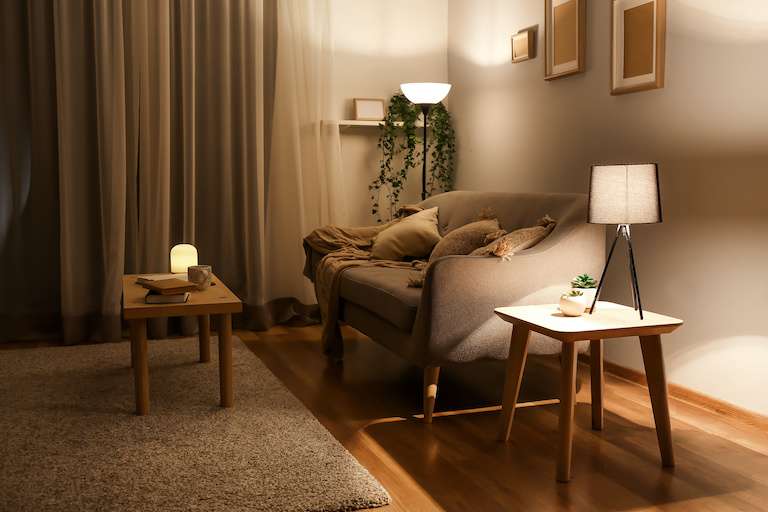
Explore incandescent light bulbs vs. LEDs, their average costs, and how to choose the best light bulb for your home with this light bulb comparison guide.
Compare the best energy-efficient light bulbs and see why LEDs cut energy use and save the average U.S. home about $225 a year on lighting.
Learning about light bulb wattage is essential for calculating how much electricity your home uses and finding ways to reduce the amount.

When it comes to LED versus incandescent Christmas lights, there are unique pros and cons. Find out the differences to decide which one is better for your home.