

Incandescent and fluorescent light bulbs have differences in cost, efficiency, and how they work. Read up on what separates these types of light bulbs.
LED light bulbs are more costly upfront but are safer, better for the environment, and will save you money in the long run

Different types of light bulbs include incandescent, CFL, LED, and halogen options, each offering different energy efficiency, lifespan, and upfront costs for your home.
Incandescent bulbs cost $1 to $2 each, CFLs around $3.50, LEDs $5 to $10, and halogens $3 to $5, with LEDs saving you the most money long-term.
Check your light socket compatibility, dimmer switch setup, and fixture wattage ratings before purchasing bulbs to ensure proper fit and safe operation in your home.
Hiring a local light fixture installation professional helps with upgrading older sockets for LED compatibility and installing dimmer switches that work with modern bulbs.
When you pick new bulbs, you balance a few tradeoffs: upfront cost, lifespan, brightness measured in lumens, and dimmer compatibility. This guide to the best energy-efficient light bulbs compares LED, CFL, halogen, and incandescent options side by side. It also shows you where exceptions apply, so you buy the right bulb the first time.
LEDs are the best energy-efficient light bulbs for most homes. They cost more per bulb than incandescent or halogen options, and that is the main tradeoff. In return, they last far longer, deliver more brightness per watt, and come in dimmer-friendly versions for the rooms that need them.
According to the U.S. Department of Energy's Consumer Guide to Energy-Efficient Lighting (energy.gov, 2021), LEDs use up to 90% less energy than incandescent bulbs. They also last up to 25 times longer. That combination lowers both your power use and your replacement costs.
The same Department of Energy guide reports that the average U.S. household saves about $225 per year by switching to LED lighting. Your total savings depend on your local electricity rates and how many bulbs you replace.
Efficacy, measured in lumens per watt, is the real test of efficiency. It shows how much light you get from each watt of power. LED lighting reaches up to 150 lumens per watt, per DOE LED Basics (energy.gov).
Incandescent bulbs manage about 16 lm/W, and CFLs reach about 60 to 70 lm/W. Those figures come from DOE LED Basics and the EIA.
The FTC's "Shopping for Light Bulbs" guide (consumer.ftc.gov, 2023) makes it concrete. A 60-watt incandescent produces about 800 lumens, while an equivalent LED uses only about 9 watts. You get the same brightness for a fraction of the energy.
For a deeper look, compare incandescent light bulbs versus LEDs.
Use this table to match each bulb type to the right job and budget. For a broader breakdown, see the common types of light bulbs and where each one fits.
| ulb Type | Watts for ~800 Lumens | Lifespan | Cost per Bulb | Contains Mercury | Best For |
|---|---|---|---|---|---|
| Incandescent | ~60 W | ~1,000 hours (about 1 year) | $1–$2 | No | Limited, legacy use |
| Halogen | ~43 W | 2,000–2,500 hours | $3–$5 | No | Warm accent and task light |
| CFL | ~14 W | ~10,000 hours (about 10 years) | ~$3.50 | Yes (~4 mg) | Older dimmerless fixtures |
| LED | ~9 W | ~50,000 hours (about 25 years) | $5–$10 | No | Most homes |
A note on mercury: only CFLs contain mercury, about 4 milligrams per bulb, per the EPA. LED and incandescent bulbs contain no mercury, per the Department of Energy (2024). Handle and recycle CFLs with that in mind, and treat LEDs as the low-hassle option.

A standard A19 LED with an E26 base fits most household lamps and ceiling fixtures. Choose soft white at about 2700K for living areas and bedrooms. This one bulb covers the widest range of rooms with the least fuss.
Look for "dimmable" printed on the package. Not every LED works on a dimmer, and a mismatch causes flicker or buzzing. A dimmable LED gives you smooth control from bright to low.
For sealed globes and recessed cans, look for "enclosed fixture rated" on the box. Trapped heat shortens the life of bulbs that are not built for it. This rating confirms the LED handles that heat.
Choose soft white at about 2700K for a warm, inviting glow close to old incandescent bulbs. It suits bedrooms, dining rooms, and living rooms. For bright task areas, step up to daylight at about 5000K.
Buy multi-packs of standard A19 LEDs with an E26 base. Swapping several fixtures at once brings down the per-bulb cost and speeds up the switch. Standard shapes fit the fixtures you already own.
Watts measure energy use, not brightness. Lumens measure the light you see, so shop by lumens. Use this equivalence from the FTC and ENERGY STAR:
100W incandescent ≈ 1,600 lumens
75W incandescent ≈ 1,100 lumens
60W incandescent ≈ 800 lumens
40W incandescent ≈ 450 lumens
Color temperature is measured in Kelvin (K). Lower Kelvin gives warm, yellow light close to incandescent, around 2700K. Higher Kelvin gives cool, daylight-style light, around 5000K. These specific values are industry convention. Learn how color temperature affects ambiance before you pick.
CRI, the color rendering index, runs from 0 to 100. A higher CRI renders colors more accurately under the light. Look for 80 or above for everyday rooms, and 90 or above where color matters, such as a kitchen, bathroom, or makeup area.
Older sockets and dimmers do not fit every bulb. The standard US bulb is an A19 shape with an E26 base. Check the fixture's maximum wattage rating before you buy.
If you are upgrading a switch, review the cost to replace a light switch first. For tricky wiring, consider hiring a local light fixture installation professional.
Since July 2023, U.S. general service lamps must meet a minimum of 45 lumens per watt, per the Department of Energy (energy.gov). That standard effectively phases out most incandescent and halogen bulbs.
A 2024 DOE rule raises the bar to more than 120 lumens per watt, effective July 2028 (DOE, energy.gov, April 12, 2024). LEDs already clear both marks, which makes them a future-proof buy for you.
Swapping a bulb is a simple job you can handle yourself. Older sockets, damaged fixtures, and dimmer upgrades are worth a pro's help, because they involve wiring and safe load limits.
Angi matches you with top-rated local electricians in your area. You can speak with an electrician near you to get started.
Lumens: the measure of a bulb's brightness, where more lumens means more light.
Watts: the measure of the energy a bulb draws, not its brightness.
Efficacy (lumens per watt): the light you get for each watt, and the true test of efficiency.
Kelvin (color temperature): the scale that sets a bulb's warmth, from warm 2700K to cool 5000K.
CRI: the 0-to-100 score for how accurately a bulb shows an object's true color.
Custom Paint Jobs LLC gave our office a fresh new look. Clients love it!
 Custom Paint Jobs, LLC
Best painters in the Greater Columbus, Ohio area. Quality of work second to none and customer service is head above shoulders than everyone else. I cant wait to work on another project with Silvio and Team!
The Mosby team went above and beyond for my project. They not only installed my light fixture; they also worked through an old, wonky, and as it turns out incorrect wiring issue from the work of prior contractors. Professional, thorough, conscientious, and kind. Five star experience. Thank you!
 Mosby Electric
We had a 20+ year old landscape lighting system that needed replacement. Midwest Lightscapes worked with us to design a much improved lighting system, lighting the exterior of the house and the back yard. Installation of the 45 light system took one and one-half days, and went very smoothly....
 Midwest Lightscapes
Jeff was a consummate professional. Responsive, courteous, and focused on meeting our needs. I had a small project of installing and replacing two ceiling light fixtures. He responded to my Home Advisory inquiry within 24 hours and in a span of two weeks our light fixtures were installed. ...
For several months I was looking for somebody to tile a wall in my master bath and move lighting fixtures, and could not find anybody who was responsive. I contacted Rowe through Home Advisor and within days they came by to assess the job and provide an estimate. The cost was very...
 Rowe House Development
A team of 2 spent 5 hours, cleaning top to bottom (removed all light fixture and cleaned.... impressive!!!)
 Luzia's Cleaning
It went very well. I was able to select the color blocks I wanted and where they would be placed in the window. All of the employees were very pleasant and patient. The guys who installed the window arrived promptly, did their job, and there was nothing for me to clean up. The window looks...
 Innovate Home Org - Columbus Glass Block
The initial quoted price from a walk-through seemed high, but we discussed that the quote represented worst case scenario (re-wiring to two floors) and we were excited about the opportunity to have the work done in a timely manner with closing for fire safety reasons, etc. When the job was...
Charlie recommended a separate fan with new lighting to clear steam from the room better. Several weeks ago I contacted Charlie via email to ask about pricing and scheduling, after one follow up he did reply with cost and said it would be about two weeks before he could do the work. I replied...
 Settle Muter Electric
From average costs to expert advice, get all the answers you need to get your job done.
Incandescent and fluorescent light bulbs have differences in cost, efficiency, and how they work. Read up on what separates these types of light bulbs.
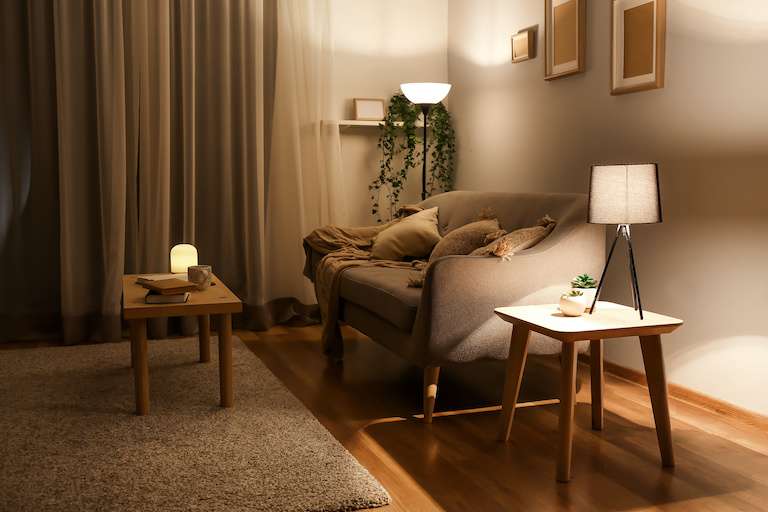
Explore incandescent light bulbs vs. LEDs, their average costs, and how to choose the best light bulb for your home with this light bulb comparison guide.
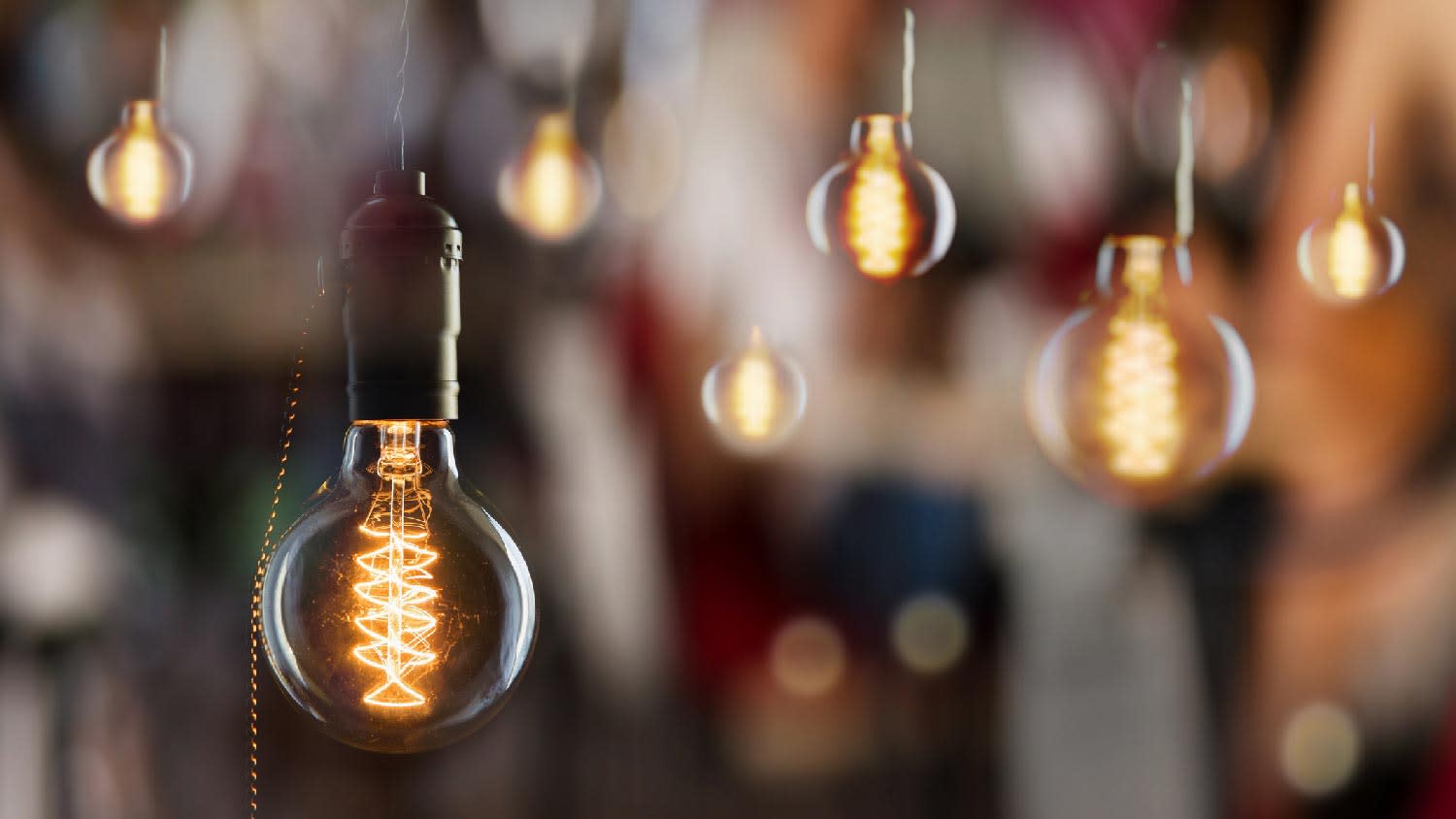
What is an incandescent light bulb? Learn about its pros, its cons, and how it stacks up against other options in this quick guide.
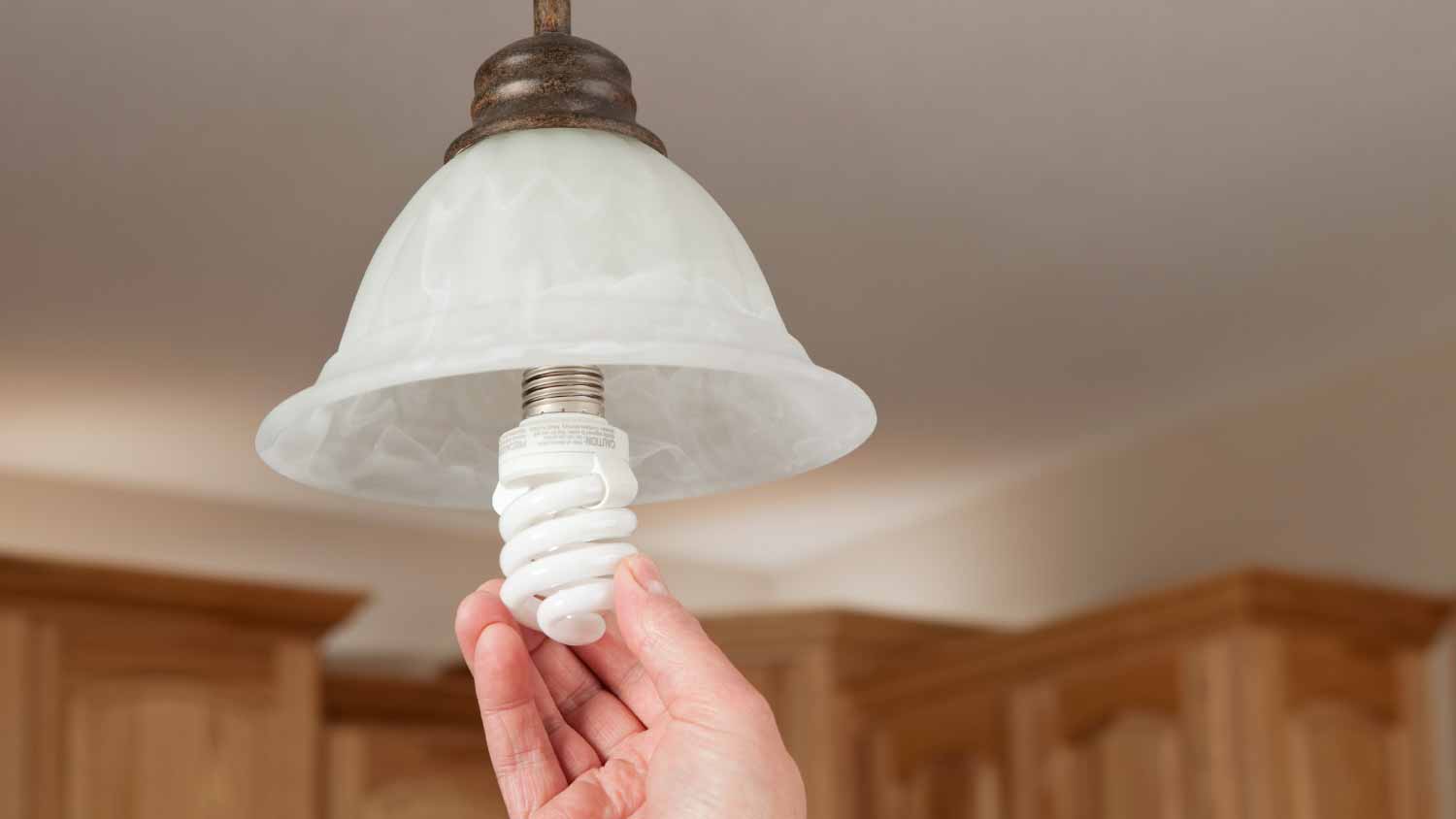
Explore the world of fluorescent light bulb types! From cost considerations to applications, dive into the pros and cons of four popular options.

When it comes to LED versus incandescent Christmas lights, there are unique pros and cons. Find out the differences to decide which one is better for your home.

Lighting aisle feeling overwhelming? This article explains the different types of light bulbs, watts, lumens, shapes, sizes, colors, and more.