
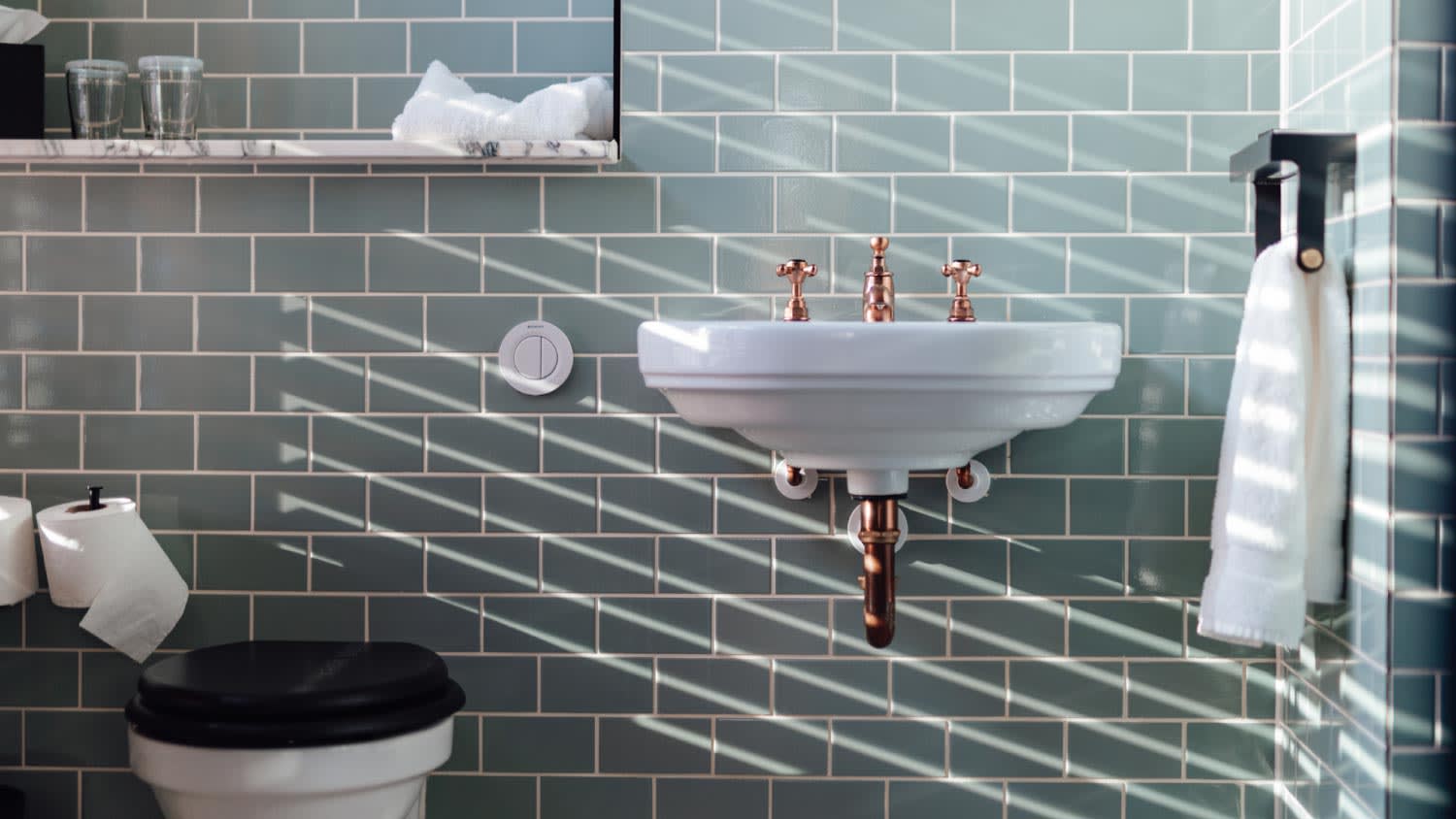
Germs can lurk in all sorts of places in your bathroom. These are the eight places they’re most likely to be hiding and what you can do about getting rid of them.
You’ll need to do a bit more upkeep than just washing your hands

Your bathroom bacteria spread quickly in warm, moist environments, with toilet flushing propelling germs like E. coli and norovirus onto nearby surfaces.
Towels, bath mats, and shower curtains hold moisture that encourages bacterial growth, so wash towels weekly and clean fabric curtains monthly to prevent buildup.
Close your toilet lid before flushing to stop bacteria from dispersing, and squeegee shower floors after each use to reduce mold and mildew.
Hiring a local house cleaning professional keeps your bathroom consistently clean, tackling high-touch surfaces and moisture-prone areas that harbor hidden bacteria.
You may use bleach and a brush to fight the bathroom germs in your toilets and tubs, but bacteria, mildew, and mold lurk on many other surfaces. The towel you dry your hands with, the loofah you think you’re cleaning your body with, and your toothbrush and its holder can quickly become some of the germiest spots in the bathroom. To keep the space clean and reduce the risk of illness, watch out for these hidden bathroom germs and learn how to prevent them.
Germs are a natural part of our world, and they are present on our skin and inside our bodies. But sometimes, we can transfer harmful bacteria, viruses, or fungi to various household surfaces, and especially in bathrooms, these germs can quickly spread. Here are some common germs that could be lurking in your bathroom.
Pathogens that cause norovirus can be found in human excrement, which means if these pathogens are in the toilet bowl and you flush without closing the lid, they can quickly spread across your bathroom.
E. coli can be present in feces, and it can spread when someone uses the toilet and fails to close the lid before flushing or doesn’t wash their hands afterward. If those unwashed hands turn on the shower or shut off the light, those germs will spread around the bathroom, especially if the room is warm and has a lot of moisture in the air.
No, salmonella isn’t just something to worry about when preparing chicken for dinner. This bacteria can be found on toilet seats and may spread to counters, shower curtains, and other surfaces after flushing the toilet.
Staph aureus bacteria are naturally present on human skin, but they can sometimes be harmful. They are often found on high-touch points like faucets and bathroom door handles. This gram-positive bacteria can be particularly dangerous to human health and can cause various staph infections, like MRSA, which is resistant to antibiotics.
Remember donning shower shoes in your college dorm bathrooms? That was ideally to prevent athlete’s foot caused by a fungus known as dermatophyte. This fungus may be present in bathroom tubs and shower floors.
Steaming showers, poor ventilation, and toilet flushing create a perfect breeding ground for bacteria and viruses to spread. Germs need warmth and moisture to reproduce, and your bathroom often offers those exact conditions. Whether you’re guilty of reusing a hand towel several days in a row or flushing a toilet with the lid open, germs are bound to spread quickly in this part of the house.
Your toilet is obviously a germy place, and when you flush the toilet, those bacteria and viruses can go airborne. Once they land, a warm, moist environment helps them reproduce and spread quickly. But bathroom germs aren’t just in the toilet.
When you shower, bacteria may wash off your body and dead skin cells, landing on the shower floor. Wiping your wet hands or wet body on a towel or stepping out of a shower onto a bathmat leaves these fabrics damp, the perfect condition for bacterial growth. Using unwashed hands to open the bathroom door, turn on the light, or turn on the bathtub faucet can also spread germs.
Because germs thrive in warm, moist environments, like the bathroom, you’ll need to keep up with cleaning every linen and surface to remove germs and slow their inevitable spread. Use an all-purpose cleaner to wipe down counters daily, and turn to bathroom cleaners to eliminate germs in the tub and toilet. You should also consider adding a disinfectant to your routine.
To help minimize germs in your bathroom and keep them from spreading, follow these bathroom cleaning tips.
When you flush a toilet, the germs inside can propel outward and onto other bathroom surfaces. These germs may include E. coli and norovirus, as well as microparticles of waste. Pretty gross, right? The easiest way to stop these germs from flying through the air is to simply close the toilet lid before you flush.

Can you remember the last time you cleaned or replaced your shower curtain or its liner? What about your towels? With one hot, steamy shower after another, curtains, liners, and towels become damp or wet. They may also hold gram-negative bacteria, like E. coli.
Launder fabric curtains at least once per month to prevent mold, mildew, and other harmful bacterial growth. To clean plastic curtains and liners, use a damp microfiber cloth and a sprinkle of baking soda to scrub down the entire surface every three months. Then, use a damp cloth to clean away any baking soda residue, and finally, dry it thoroughly before hanging it back up. You can also typically run these through the washer on cold. Just skip the dryer.
Wash or swap out bath towels at least once per week or after three uses. Hand towels, which are often used by multiple people several times a day, need to be washed and changed out more often. Swap in fresh hand towels every day or at least every three days.
You probably need to wash your toothbrush holder far more often than you currently are. An NSF International study found that 64% of toothbrush holders studied had mold and yeast present, compared to only 27% of toilet seats in the study. The toothbrush holder, and the toothbrush you put in your mouth twice a day, also may have coliform and staph bacteria.
First, make sure to place your toothbrushes at least 3 to 6 feet away from the toilet. On top of that, remind family members to close the toilet’s lid to prevent germs from dispersing. Wash your toothbrush holders in hot, soapy water at least once a week to discourage bacterial growth, and always rinse your entire toothbrush, handle included, after each use.
You’re washing the germs off your body each day, only to have them swirling around the shower floor. While it doesn’t seem like a high-priority cleaning area, all this activity can really add up.
Scrub shower or tub floors about once per week, and be sure to squeegee or dry off any moisture when you finish to prevent mold and mildew. If you already know you won’t be able to keep up with this amount of cleaning, this is where hiring a local house cleaning company can come in handy.
You probably have disinfection of the bathtub faucet and shower handles on your regular cleaning checklist, but you may be forgetting showerheads. These can become clogged with soap scum and harbor opportunistic pathogens that make you sick.
For an initial deep clean, fill a large, resealable plastic bag with about 1/2 cup of baking soda, up to 4 cups of vinegar, and 1 cup of warm water. Carefully wrap the bag full of this cleaning mixture around the showerhead, then secure it with a rubber band, zip tie, or hair tie. Let it sit overnight, then remove the bag and wipe down the showerhead with a clean, dry cloth.
Once you’ve given your showerhead a deep clean to get rid of soap scum buildup and germs, you can clean it regularly with just distilled white vinegar and a clean cloth. Plan to wipe down the showerhead about once per week, perhaps when you are also cleaning the shower floors.
Searching for the hidden germs in your bathroom? Just look up. If your exhaust fan looks dusty or doesn’t seem to remove water vapor during your showers, it might be busy growing mold and circulating dust and harmful bacteria around the bathroom.
About every six months, clean your exhaust fan to help its performance. You can use a vacuum with a brush attachment, a scrubbing brush, or a can of compressed air to clear out any dust and debris. If cleaning the exhaust fan doesn’t help reduce bathroom moisture, or your exhaust fan is 10 years or older, it might be time to hire an HVAC tech near you to replace it.
One of my old tall evergreen trees was suddenly leaning toward the busy street in front of my house. I submitted a request for an emergency tree inspection, and Alejandro, owner of Cajete Tree Service, contacted me immediately and arrived to look at it just 20 minutes later. We agreed the...
 Cajete Tree Service LLC
I had FabClean 614 clean my apartment, and she did an outstanding job. She was so professional and efficient. My apartment looks absolutely spotless every surface, every corner, all cleaned to perfection. Definitely highly recommend FabClean 614 if you're looking for top-notch cleaning...
 Fab Clean 614
Fantastic group, very communicative, and they really did a great job cleaning my condo. Will be hiring them for recurring cleaning!
 eMaids of Northern Columbus
100% satisfied with the work done by Supreme Brick & Chimney. Josh responded to my Angi request very quickly and squeezed our house into his schedule only a couple business days out. The chimney cleaning process was extremely clean with ZERO dirt going anywhere besides in Josh's vacuum. Very...
 Supreme brick & chimney
Professional, punctual, and skilled! Custom Paint Jobs LLC made our house a work of art.
 Custom Paint Jobs, LLC
Excellent experience with hiring Tether House to Mount our 77’ Samsung TV in our bedroom. Fast, friendly, and knowledgeable. Highly recommend.
 Tether House
Window depot replaced all 14 windows in my house, front door and added a new back door. They did a wonderful job with some tricky windows in this old house. They were quick but efficient and cleaned up everything inside and out. I have already passed their contact information on to my...
 Window Depot USA of Central Ohio
The guys did an outstanding job and we had a great experience with CarifaTile. I appreciated that Joe reviewed the quotes with me and set expectations prior to the install. The crews showed up as scheduled and always left the areas clean upon leaving the house. We will definitely use...
 CarifaTile
Mary Cleaning Service is fantastic! The entire team is professional and pay a great deal of attention to detail. They do such a thorough job of cleaning my house. I would definitely recommend!
It was just fine. They did a good job. They cleaned what needed to be cleaned.
 Dezired Cleaners LLC
From average costs to expert advice, get all the answers you need to get your job done.
Germs can lurk in all sorts of places in your bathroom. These are the eight places they’re most likely to be hiding and what you can do about getting rid of them.
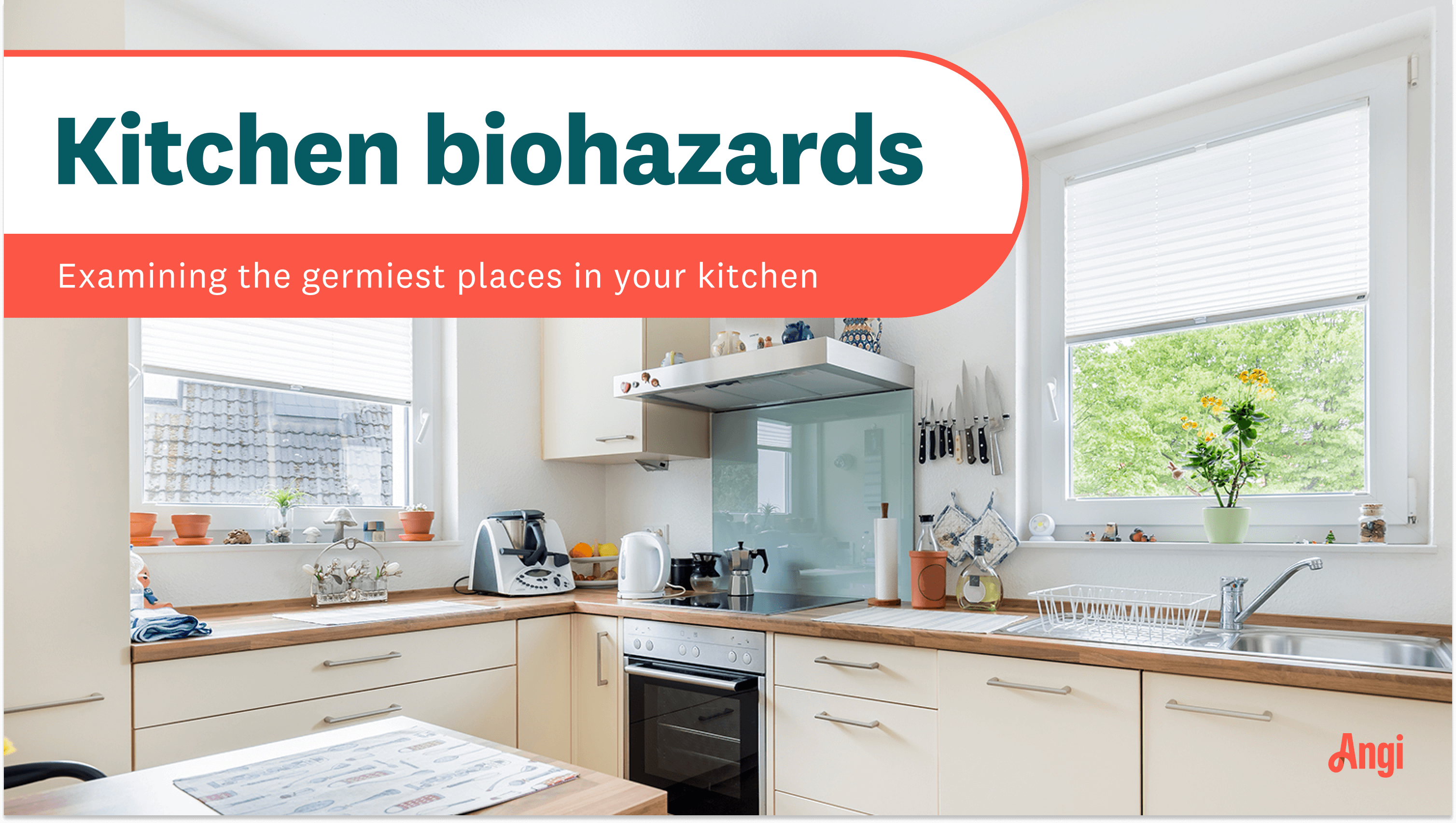
Find out the dirtiest spots in the kitchen, so you know where to clean and can avoid spreading germs.
If you’re worried about germs, consider hiring someone to disinfect your home. This guide will help you find the perfect pro at the right price.

Soap may be your go-to for everything from washing your hands to your dishes. Keep reading if you want to know how to maximize the germ-killing impact of dish soap.
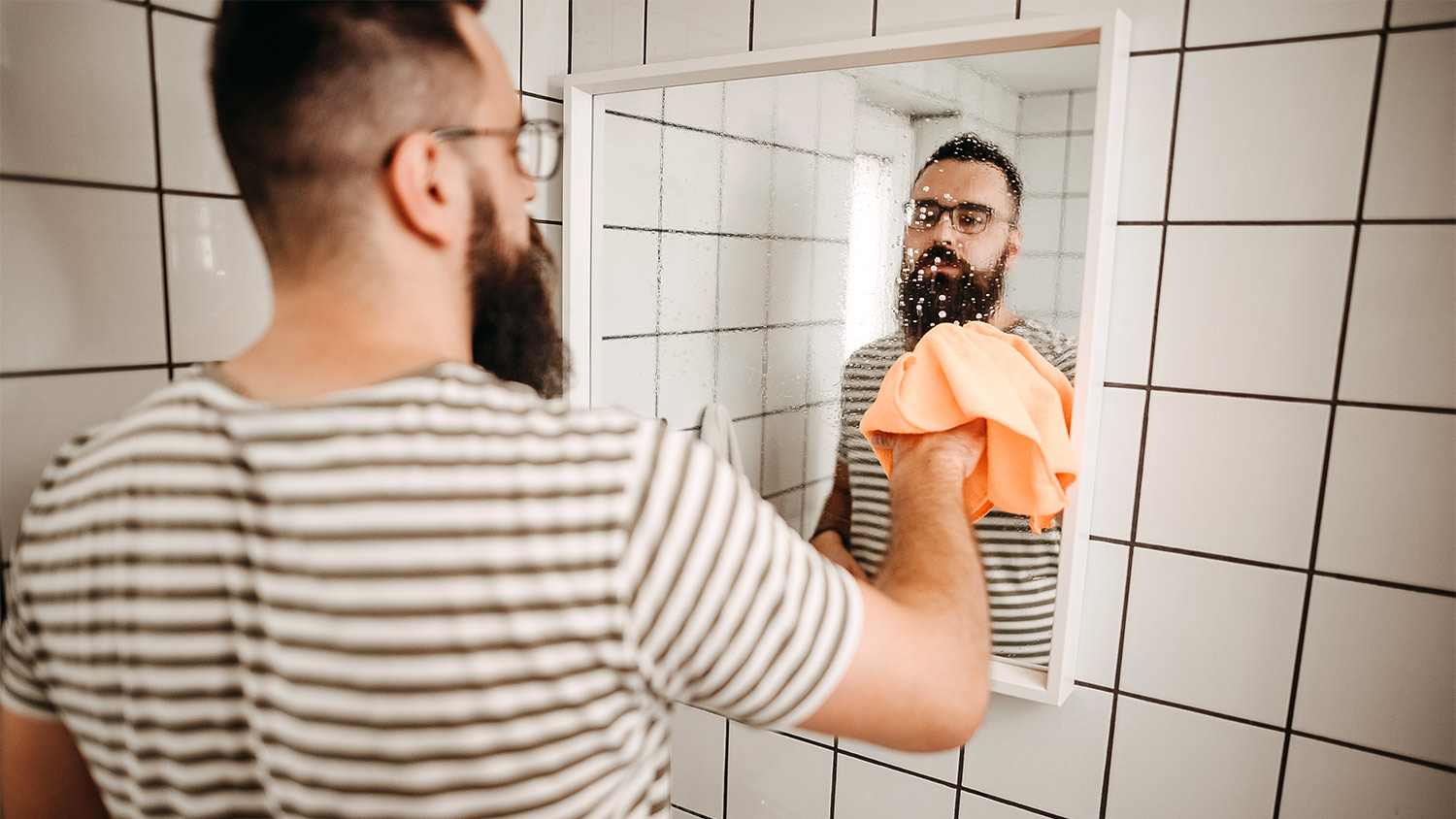
It's no secret that cleaning bathrooms can be a messy business, but these simple disinfecting tips make it a breeze to create the sparkling clean bathroom you deserve.
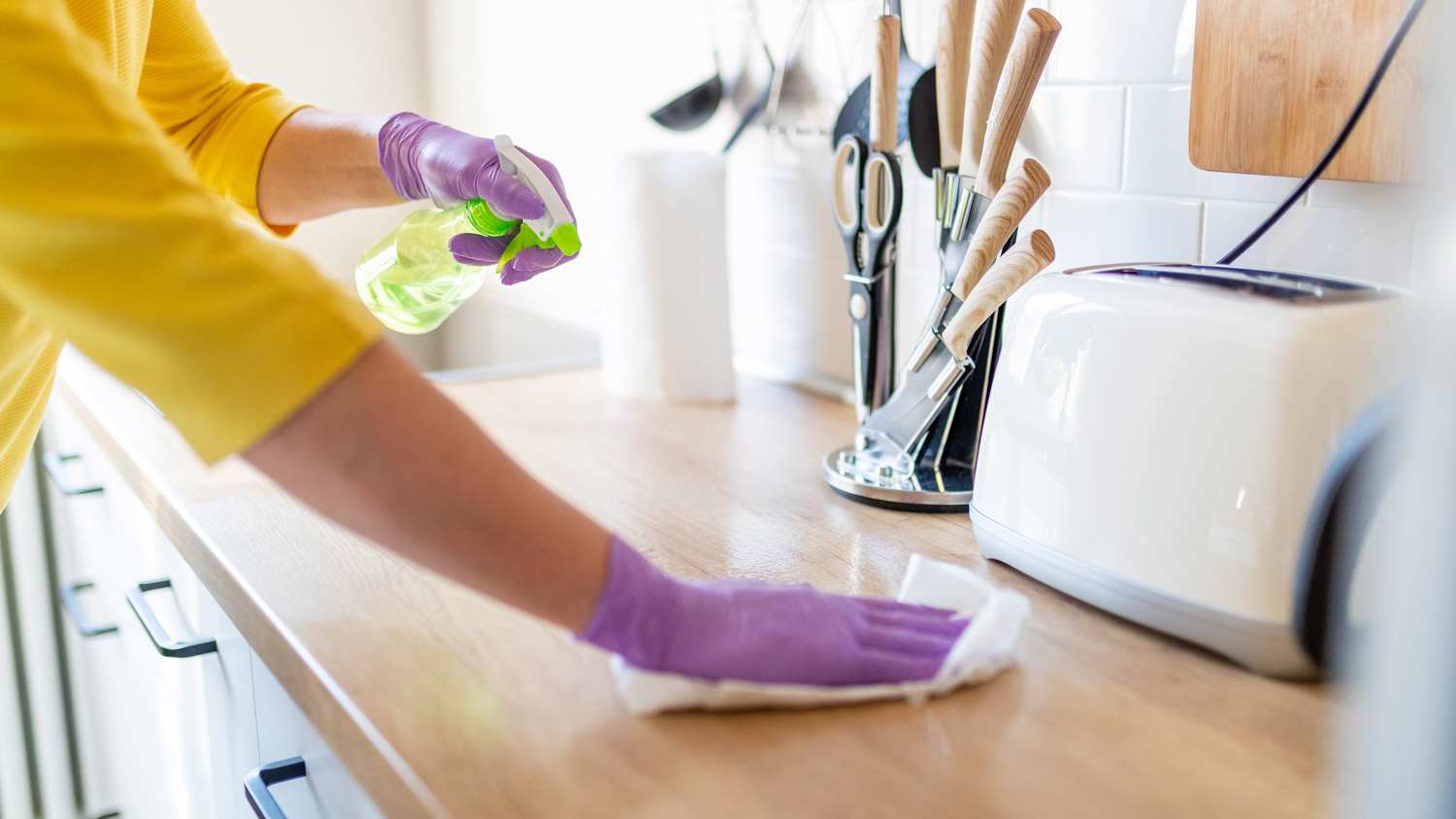
When someone in your house catches an illness, it’s important to prevent germs from spreading. Here’s how to disinfect a house after an illness, plus steps you can take to tackle germs and keep things clean while the person is still sick.