

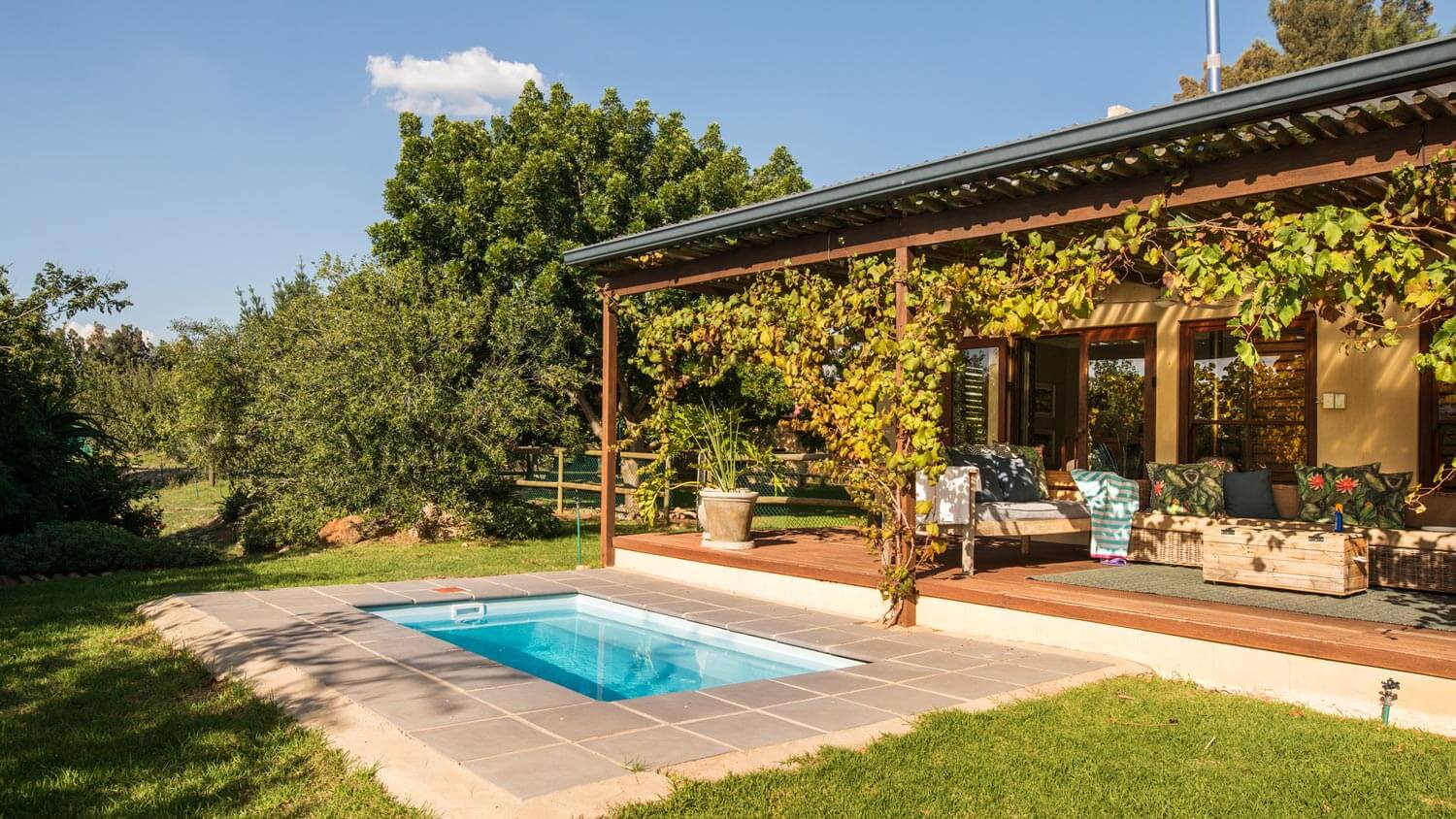
From patios and gazebos to full-on structures, your outdoor space is a blank slate. Learn how much it costs to build and furnish an outdoor room.
Patio service costs depend on your project and location. Check with a local pro for your specific job.

Gazebo materials range from $1,580 to $7,952, depending on what you choose for your project.
Your gazebo shape and size determine the final cost, with complex designs like octagons and dodecahedrons doubling or tripling your total.
You should budget $1,200 to $4,300 for land prep and permits up to $150 total.
Hiring a local gazebo professional ensures your structure meets roof load and wind resistance requirements, protecting your investment.
In 2026, the national average cost to build a gazebo is $4,766, based on 211 verified projects from Angi Pros. Most homeowners pay between $1,580 and $7,952, with the spread driven by gazebo size, material choice, and site complexity. Budget an additional $1,200 to $4,300 for land prep, and up to $150 for permits if your project requires them.
Materials and labor make up the largest share of your gazebo budget, but land preparation and extra features can add significantly to the total. The most common cost drivers are your choice of materials, the size and shape of the structure, and whether your site needs grading or clearing. Factoring in all three categories from the start helps you build a realistic budget before work begins.
Gazebo materials cost between $2,000 and $8,500, with your choice of material being the primary cost driver. Here is a breakdown of the most common gazebo materials and their average costs:
| Material | Description | Average Gazebo Cost in 2026 |
|---|---|---|
| Wood | Can be cedar or redwood | $4,000–$7,000 |
| Metal | Can be aluminum or steel | $3,000–$8,500 |
| Vinyl | Look like wood or metal | $2,000–$3,500 |
| Brick | Traditional look | $4,000–$7,500 |
Gazebo size is a direct cost driver, with prices ranging from $75 to $100 per square foot depending on the dimensions you choose. Larger footprints require more materials and labor, which pushes the total higher. The table below breaks down average gazebo costs by dimension:
| Gazebo Dimensions | Gazebo Square Footage | Average Cost in 2026 |
|---|---|---|
| 8x8 | 64 | $4,800–$6,400 |
| 10x10 | 100 | $7,500–$10,500 |
| 10x12 | 120 | $9,000–$12,000 |
| 12x12 | 144 | $10,800–$14,400 |
| 10x20 | 200 | $15,000–$20,000 |
| 14x20 | 280 | $21,000–$28,000 |

Gazebo shape affects both cost and complexity, with standard options including octagonal, hexagonal, square, rectangular, round, and oval. Custom shapes are available but typically cost more and require a formal construction design from an architect. If budget is a priority, sticking with a standard shape is the most straightforward way to keep costs predictable.
The table below breaks down average gazebo costs by shape:
| Gazebo Shape | Average Cost in 2026 |
|---|---|
| Round | $1,500–$8,000 |
| Oval | $1,500–$8,000 |
| Square | $2,000–$12,000 |
| Rectangle | $2,000–$12,000 |
| Hexagon | $3,000–$8,000 |
| Octagon | $3,500–$8,000 |
| Dodecahedron (12 sides) | $7,000–$10,000 |
Gazebo flooring ranges from $4 per square foot for a basic concrete slab up to $40 to $50 per square foot for high-quality composite or hardwood, making it one of the more variable line items in your budget. Mid-range options like brick, pavers, and stamped concrete fall between those two extremes. Here is a look at average gazebo costs by flooring type:
| Flooring Type | Average Cost per Square Foot in 2026 |
|---|---|
| Wood | $10–$50 |
| Brick | $10–$20 |
| Composite | $15–$40 |
| Pavers | $10–$17 |
| Concrete slab | $4–$8 |
| Stamped concrete | $10–$20 |
Gazebo roofing costs range from $2 to $30 per square foot depending on the material you select. Budget-friendly options like rubber and asphalt sit at the lower end of that range, though they tend to have shorter lifespans, particularly in harsh climates. Premium materials like polycarbonate and slate offer greater durability and visual appeal, but come at a significantly higher cost.
Explore the costs of common gazebo roof materials in the table below:
| Roof Material | Cost per Square Foot in 2026 |
|---|---|
| Asphalt | $3–$5 |
| Wood | $7–$15 |
| Tile | $7–$25 |
| Fabric | $2–$7 |
| Metal | $5–$30 |
| Polycarbonate | $10–$20 |
| Slate | $10–$30 |
| Rubber | $4–$10 |
A custom gazebo costs between $5,000 and $11,000 more than a comparable gazebo kit, making the choice between the two one of the biggest budget decisions you'll make. That premium reflects the additional construction planning, design work, and assembly complexity that a custom build requires. If your yard has a straightforward layout, a kit is often the more cost-effective path.
Leveling your yard costs $1,200 to $4,300 depending on whether your site needs tree and brush removal, grading, or both. Most properties require at least some ground preparation before a gazebo can be installed safely and level. Unless you already have a clear, flat spot ready to go, budget for land prep as part of your total project cost.
A building permit for a gazebo costs up to $150, though not every project will require one. Structures that are 10-by-10 feet or larger are likely to trigger a permit requirement regardless of location. Always check with your local municipality's building department before you begin construction to confirm what applies to your project.
Aesthetic upgrades and functional enhancements can significantly increase your total gazebo cost, but many homeowners find them well worth the investment. The most common additions include screening, enclosures, and decorative finishes that improve comfort and extend how long you can use the space. Weigh each option against your budget and how you plan to use the gazebo before committing to extras.
Staining a gazebo costs $1 to $3 per square foot, or $20 to $120 per gallon, depending on the stain type you choose. If you prefer painting over staining your gazebo's wood, expect to pay $2 to $5 per square foot or $40 to $60 per gallon, with oil-based paints landing at the higher end but offering greater longevity. Either approach also requires primer, which adds $15 to $30 per gallon to your total. Here is a breakdown of the different types of stains and their associated costs:
| Stain Type | Average Cost per Gallon in 2026 |
|---|---|
| Water-based | $20–$90 |
| Oil-based | $35–$120 |
| Solid | $25–$70 |
| Clear | $20–$60 |
Screening your gazebo with a kit costs $500 to $800 at a home improvement store, making it one of the more affordable ways to improve comfort. A glass enclosure is a more substantial upgrade, adding $5,000 to $8,000 to your project cost. Both options help keep out bugs and protect furniture, but glass provides year-round usability that screening alone cannot match.
Adding luxurious and fun features to your gazebo can enhance your enjoyment of the space. Here are some extra elements and their average costs:
Outdoor bar or kitchen cost: $1,000–$50,000
Surrounding deck cost: $4,100–$11,500
Outdoor TV cost (including wiring): $900–$2,000
Electrical outlet cost: $180–$500
Fire pit cost: $200–$3,000
Misting system cost: $2,000–$3,500
Lighting cost: $2,000–$6,000
Hot tub cost: $2,000–$11,000
Landscaping cost: $1,300–$5,800
A local gazebo pro charges between $70 and $250 per hour, with the rate varying based on landscaping complexity and equipment requirements. While some preparation tasks are DIY-friendly, the vast majority of the build should be handled by an experienced professional. Hiring a pro ensures your structure meets engineering standards for roof load and wind resistance, protecting both your investment and your safety.
When you hire a professional, you are paying for their experience and familiarity with tools and machinery—not just for their time. Some other reasons to hire a pro are:
Pros understand the engineering requirements, such as roof loading and wind resistance.
This is a job that requires numerous expensive tools and machinery that homeowners typically won't have.
You will need a permit, and pros know how to source these quickly.
You may need to level the ground for the gazebo, requiring heavy machinery,
Water drainage is an important consideration, and pros have the proper knowledge on how to plan for it.
A pro will be able to provide plenty of design options you may not have considered.
Hiring a pro will save you weeks of time and physical effort.
There are some parts of this project you can handle yourself while leaving the bulk to the pros. You can undertake the following:
Choose more than one location—your primary spot might not work.
Mark your utilities by calling 811.
Remove all items from the yard before work begins.
If an existing structure is in place and there are no electrical or plumbing systems, you can demolish it and dispose of the remaining materials.
Obtain clearance from your HOA before commencing work.
Select your preferred gazebo material.
If you have furniture planned, show the pros. They can design around it.
Take plenty of photos to share with whoever you hire.
Gazebos come with a hefty price tag that might have you scrambling for ways to save. Here are several tips on how to lower the cost of your gazebo:
Prepare the land yourself: If you're not confident with your building skills but still want to roll up your sleeves and save on expenses, consider clearing out the land yourself. Labor costs for clearing land fall between $100 and $250 per hour, so you could save on those hourly costs for small, manageable sites. For larger excavation projects, you should hire a local excavation company.
Choose a prefabricated gazebo: Avoid a costly custom gazebo and opt for a kit or prefabricated one to avoid paying $700 and $1,300 extra on construction plans. If you have a complicated landscape, you may still need some construction planning, but you still might save on the total cost with a prefab gazebo.
Install your gazebo on a deck: The base of your gazebo can be a costly expense, but if you already have a deck that's in good condition, you might be able to install the gazebo on the deck , saving time and money.
Licensing and insurance are extremely important for this project, so please double-check that these are up to date with your professional.
Ask about permit requirements. Sometimes, it’s better to initiate the process early, depending on your location.
Gazebos last a long time, but make sure to ask about maintenance requirements.
Consider working out a payment arrangement that breaks the project into chunks.
Home is the most important place on earth, which is why Angi has helped more than 150 million homeowners transform their houses into homes they adore. To help homeowners with their next project, Angi provides readers with the most accurate cost data and upholds strict editorial standards. We survey real Angi customers about their project costs to develop the pricing data you see, so you can make the best decisions for you and your home. We pair this data with research from reputable sources, including the U.S. Bureau of Labor Statistics, academic journals, market studies, and interviews with industry experts—all to ensure our prices reflect real-world projects.
Want to help us improve our cost data? Send us a recent project quote to [email protected]. Quotes and personal information will not be shared publicly.
Supreme Brick & Chimney did a great job with a cleaning and inspection of the fireplace! He was efficient, on time, and very pleasant. The space was kept very clean, and the fireplace was spotless when he was done. He also performed a thorough inspection, and did a great job talking us...
 Supreme brick & chimney
Koby & team weâ re great! Moved our two bedroom apartment in about 4 hours, and weâ re super friendly, quick, and careful with are things.
 All My Sons Moving & Storage
We had our houses windows and back door replace this summer by Window Depot USA of Central. He gave us grate advise and saved my family lots money. The team did a fantastic job with installation. If you need help, they sure get job done right!
 Window Depot USA of Central Ohio
Wonderful. I am going to have them remove and replace my driveway in the spring.
 All Star Paving and Sealing
We were having 2”x 2” tile installed . There was a small installation error and the new additional replacement tile was from a different lot and the colors didn’t match. Joe assured us that he would rectify everything , which he did without hesitation. We decided to go with the 18” x 36” tile...
 CarifaTile
Did an amazing job transforming my yard. Also installed sod in places, would recommend to everyone.
 Cardinal Landscaping & Construction LLC
Manuel Calvillo is the best option in the area for roofing and you won't be disappointed.
All around they have done a really great job. <br /> I have used JL Landscapes for the past 8 years. I own and operate my own commercial/residential real estate company where we own, operate, and maintain our own properties. JL Landscapes has been our exclusive landscaper for both our...
 J.L. Landscapes
Outstanding experience! I needed my yard/garden/patio prepared for a party the coming weekend. I contacted Rick and he was able to schedule service that same week. He and his crew did a wonderful job removing the fall foliage, weeding, trimming back plants and hedges, even cleaning up the...
 Distinct Designs Residential Enhancements
We first had Mark fix the back patio and liked his work so much we had him make a brick patio on the side of the house. When we decided to change our concrete walkway to brick, we wanted Mark to do the job because his prices were fair and he did such good work on t he other two projects.
 Mark Monnette Masonry
From average costs to expert advice, get all the answers you need to get your job done.
From patios and gazebos to full-on structures, your outdoor space is a blank slate. Learn how much it costs to build and furnish an outdoor room.
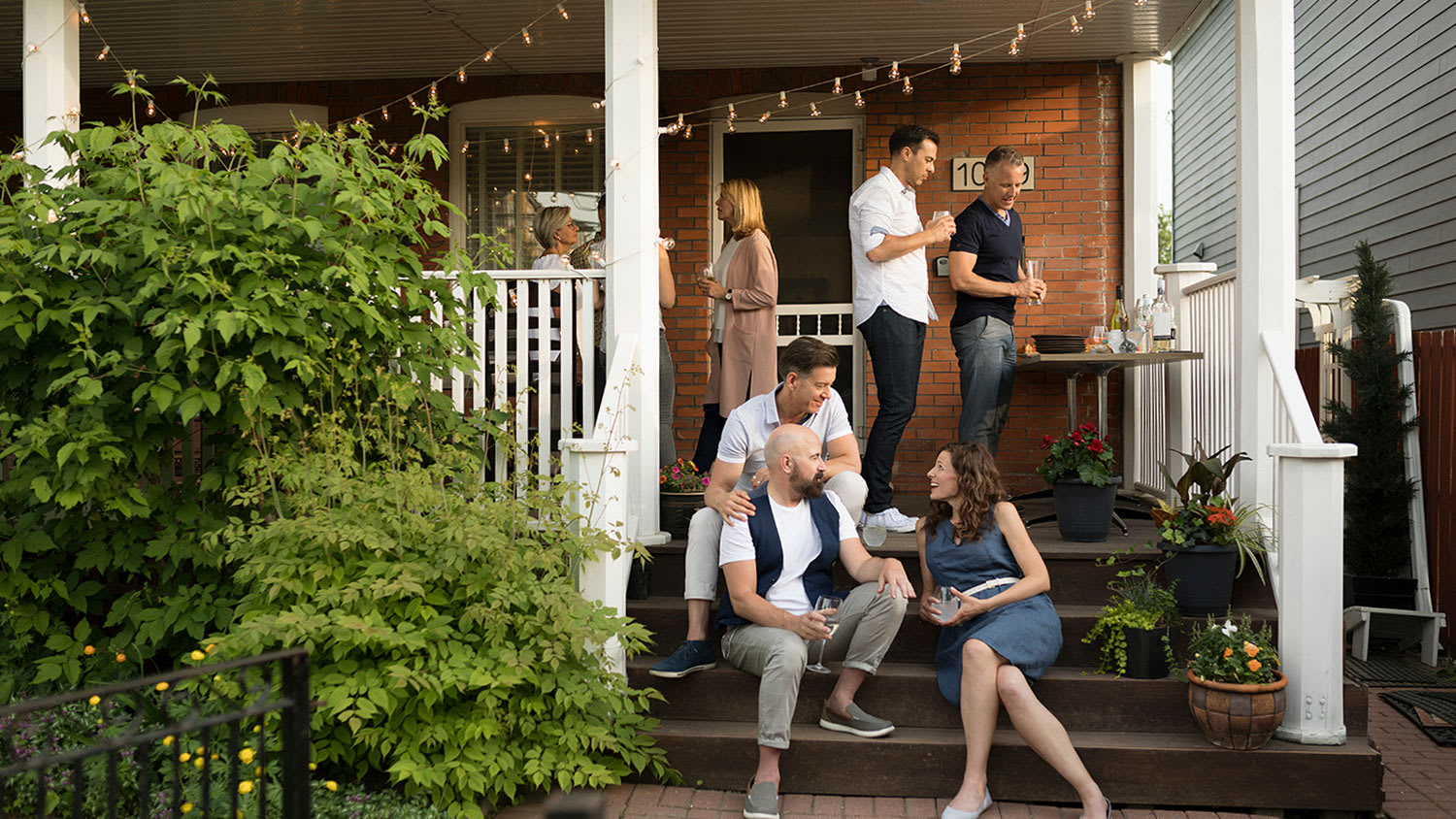
Are your porch columns old or simply unsightly? It might be time to refresh them. Here's a breakdown of the cost of replacing porch columns.
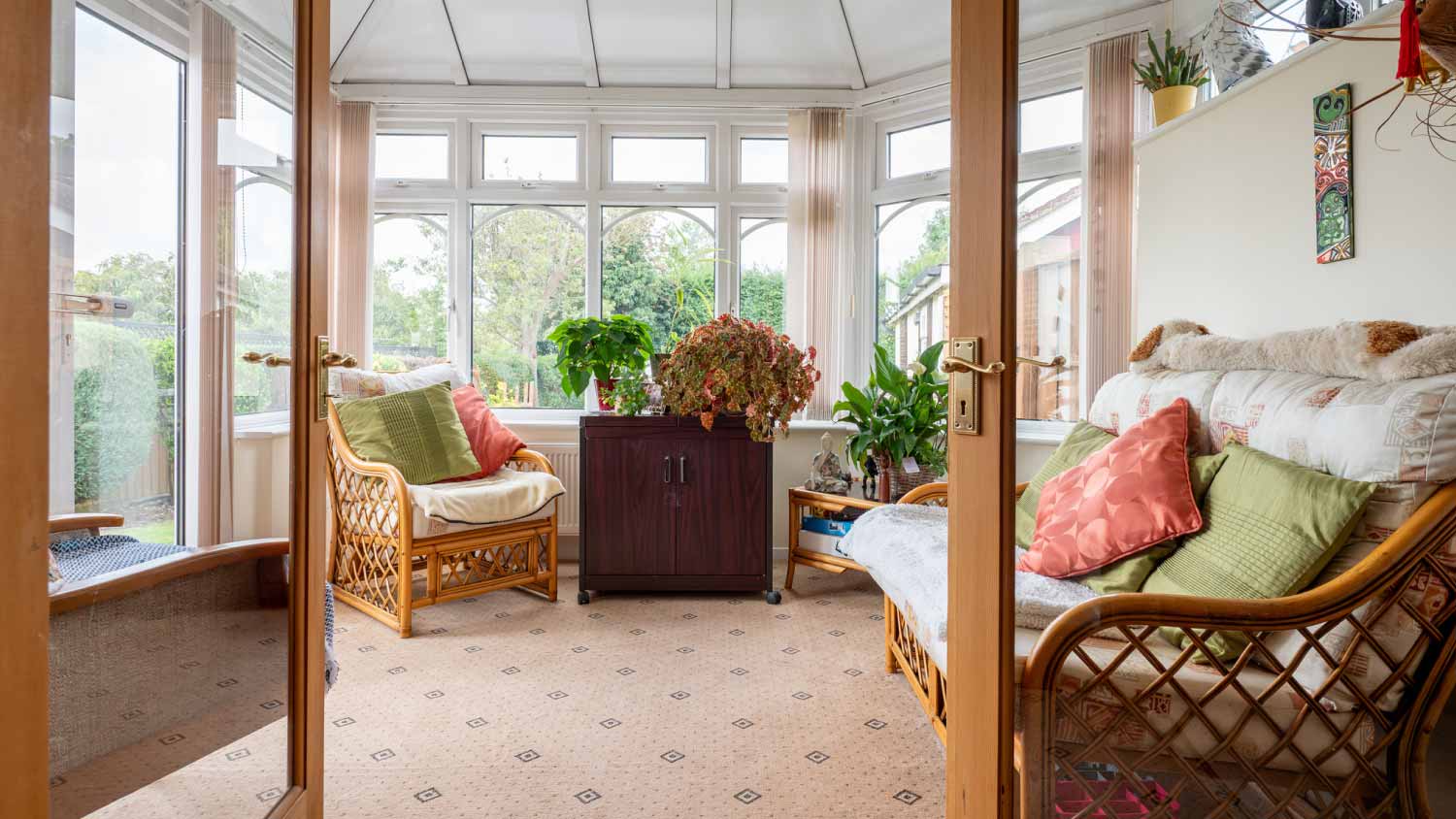
Love soaking up sun but can’t stand the bugs? Learn how much a Florida room addition costs and what factors influence the price to get the best of both worlds.
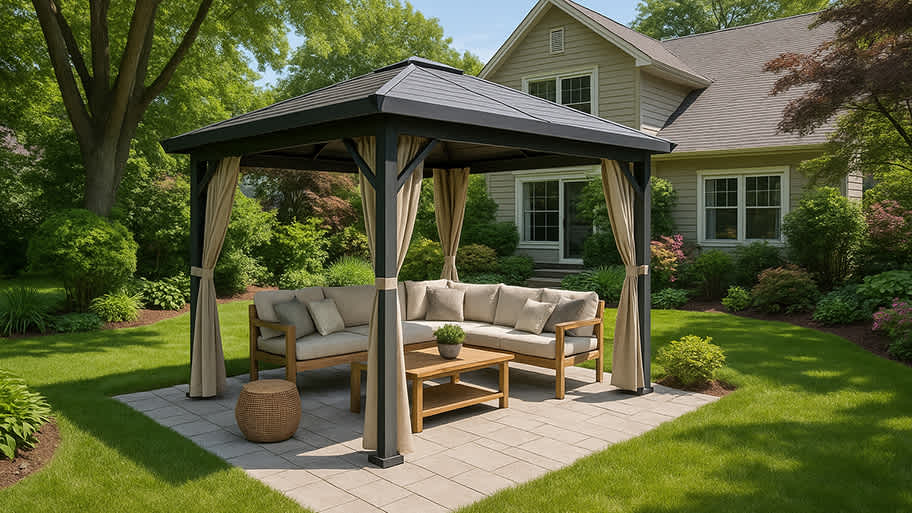
What is a gazebo? In short, it’s a shade structure that’s ideal for outdoor entertaining. Read this guide to learn more and decide if a gazebo is right for you.
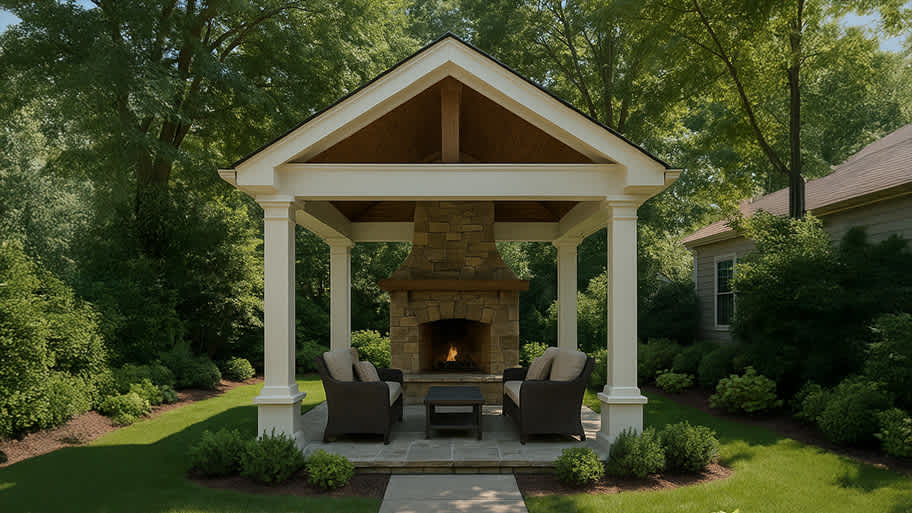
Enjoy your backyard—without some of the pesky elements that come with outdoor living. Check out some gazebo ideas to give your outdoor living space an upgrade.
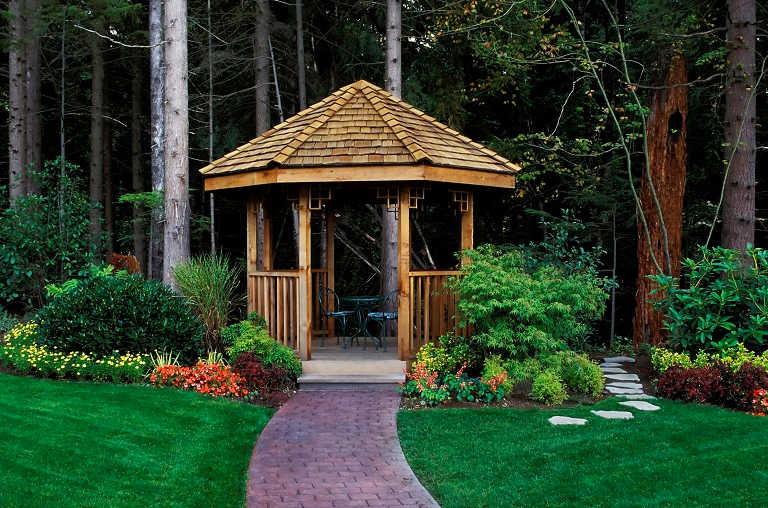
Learn how to hire a qualified gazebo repair pro for your outdoor structure. Find tips on vetting contractors, questions to ask, and what to expect.