
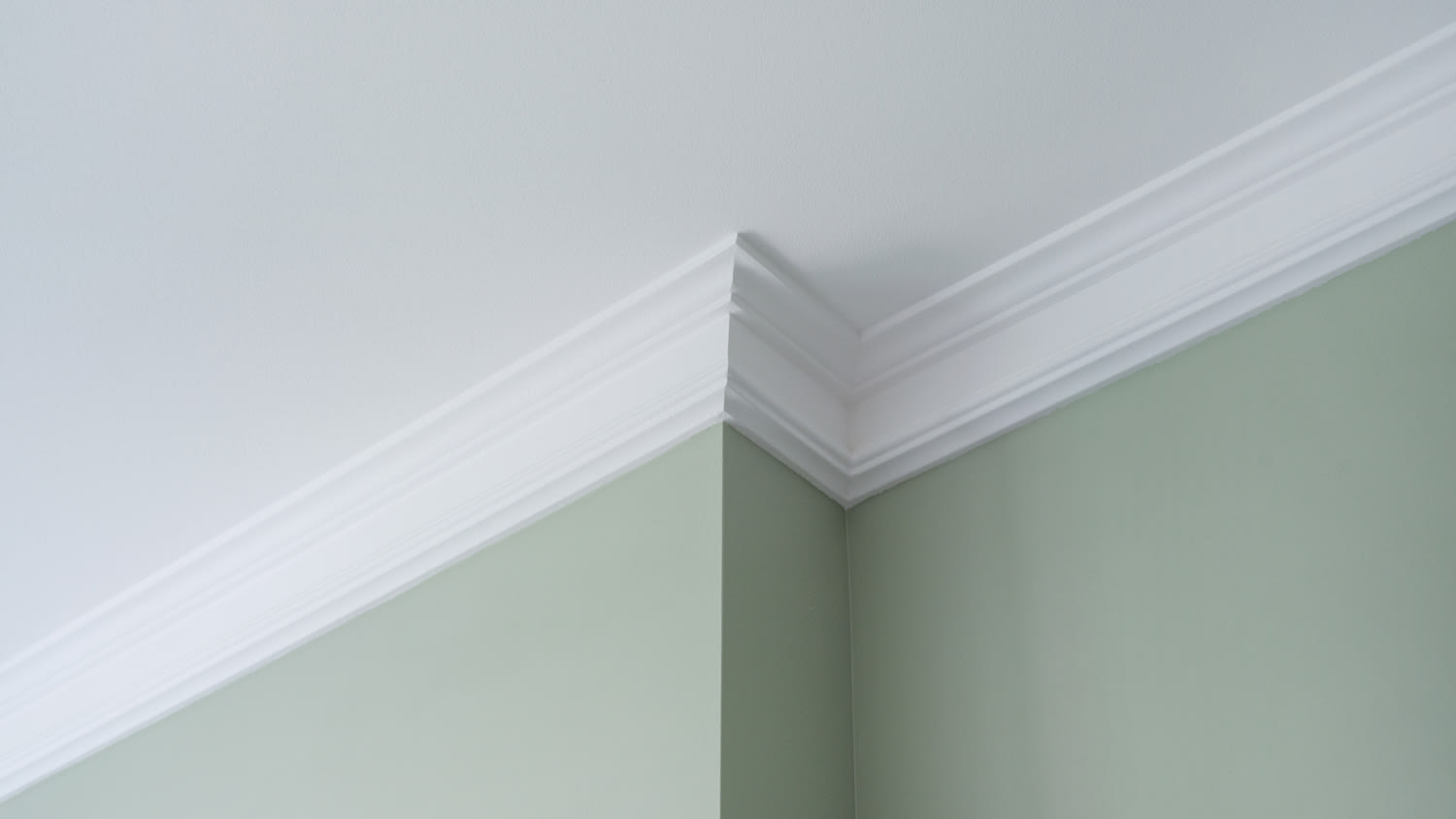
Find out how much it costs to install crown molding by type and size. Use our expert guide to figure out how much crown molding you need, how much crown molding costs near you, and whether you need to hire a pro.
Woodworking costs depend on your project and location. Check with a local pro for your specific job.

Foam crown molding installation costs between $1,500 and $2,800 for your entire home, with labor driving most of your total.
Your ceiling height and room dimensions determine how much molding you need and how long your installation takes to complete.
Account for caulking and paint supplies, plus removal of existing molding and wall prep that adds $150 or more to your budget.
Hiring a local crown molding installation professional ensures your project is done well and boosts your overall home resale value.
In 2026, the national average cost to install foam crown molding is $2,300 for an entire home. Most homeowners spend between $1,500 and $2,800, with room size and local labor rates accounting for most of the cost. Costs can climb as high as $6,400 for larger homes or more complex installations.
Room size directly shapes your foam crown molding budget, with material costs running $0.50 to $3 per linear foot, while labor can exceed $10 per linear foot and scales less efficiently than materials. This means larger projects offer only modest savings on a per-foot basis, so the total cost for bigger rooms remains substantial.
Costs below reflect both labor and materials and vary by room dimensions:
| Common Rooms | Dimensions | Average Cost in 2026 |
|---|---|---|
| Small bedroom | 8 ft x 12 ft | $360–$580 |
| Medium bedroom | 12 ft x 12 ft | $400–$630 |
| Master bedroom | 14 ft x 18 ft | $580–$880 |
| Small living room | 12 ft x 16 ft | $500–$760 |
| Large living room | 18 ft x 20 ft | $690–$1,100 |
| Kitchen | 10 ft x 12 ft | $400–$600 |
| Bathroom | 5 ft x 8 ft | $230–$380 |

Foam crown molding is cast in molds rather than carved or shaved like wood, which means even intricate styles don't require the intensive labor that drives up costs for materials like Victorian or colonial wood molding. As a result, prices stay relatively consistent across foam styles, and while a more complex design will cost more than the simplest option, the gap is far narrower than it would be with a more labor-intensive crown molding material.
Labor costs are the primary location-based variable for foam crown molding installation, since the material itself can be manufactured anywhere and carries no regional price premium. Markets with fewer available pros tend to run significantly higher than well-populated suburban areas, and ceiling height adds another layer of cost since working overhead on ladders commands a labor premium. Costs vary by city as shown in the table below.
| Location | Average Cost for a Home in 2026 |
|---|---|
| New York City, NY | $2,500–$5,000 |
| Sacramento, CA | $2,000–$3,200 |
| Detroit, MI | $1,000–$1,700 |
| Tucson, AZ | $1,200–$1,900 |
| Cincinnati, OH | $1,100–$1,800 |
| Pittsburgh, PA | $1,500–$2,400 |
| Colorado Springs, CO | $1,400–$2,300 |
| Seattle, WA | $2,100–$4,000 |
| Los Angeles, CA | $1,800–$3,000 |
| Charlotte, NC | $1,600–$2,700 |
| Dallas, TX | $1,300–$2,200 |
Material and installation costs are only part of your total budget for foam crown molding, and a few additional factors can meaningfully affect what you spend. Reviewing these items before you start helps you avoid surprises once the project is underway.
Finishing your foam crown molding properly makes a significant difference in the final appearance, and skipping it often leaves visible gaps and seams. Caulking where the molding meets the wall and ceiling blends everything together seamlessly, and painting the molding is strongly recommended as well. How you choose to paint your crown molding is a matter of personal preference.
Labor for foam crown molding installation runs $50 to $100 per hour, which is slightly lower than the price than installing trim. Foam is easier to work with than other crown molding materials, so even a less experienced pro can cut, install, and paint it efficiently, which helps keep total labor hours down.
Foam crown molding installation rarely requires a permit, though the cost of building permits can be significant when they are needed. A permit becomes necessary only if the installation involves structural alterations to a room or the home itself.
Removing existing crown molding costs $30 to $80 per hour and must be completed before new foam molding can go up. Wall prep after removal is straightforward in most cases, typically just marking the molding location and wiping the wall with a wet towel, which keeps demolition and prep costs to a minimum.
Foam crown molding resists insects, rot, and moisture, making its maintenance needs minimal compared to other materials. In nearly all cases, periodic dusting and checking that the molding remains properly adhered are all that's required, since loose adhesion will eventually show up as visible gaps where the molding meets the wall or where foam pieces join.
Most foam crown molding projects come with two separate warranties: one covering the material and one covering the installation, each with its own terms and duration. Common warranty periods are one year, two years, and five years for both product and labor, so read the fine print on your material purchase and confirm the installation warranty terms with your pro before work begins.

DIYing this work will come down to a few key things: time, cost, and experience. Handy homeowners may view this as a relatively simple task, but for the uninitiated, installing crown molding, especially in more than one room, just may not be worth the time investment and learning curve. In such cases, talk to a local crown molding pro to discuss pricing and timelines.
Those who are more intrepid can forge ahead with a DIY, but they need to know this is a project where it’s easy to make a costly mistake. For example, incorrectly applying adhesive to a wall could damage the wall itself. Improper measurements can lead to forfeiting materials, and outright purchasing the wrong molding or adhesive isn’t unheard of.
Repairing foam crown molding isn’t cost-effective or efficient. The reason you may repair crown molding is that it’s unique or difficult to replace. Foam molding, however, is neither, and is inexpensive to replace, which is what we recommend. That being said, there are certain instances where it makes sense to repair instead of outright replace, such as:
When you just need to reapply failing adhesive.
Chipped or old paint may just need a new coat.
Changing the color of your wall or ceiling doesn’t necessarily mean you need new molding.
The general rule when considering whether to replace or repair is that if a repair costs more than around 50% of the value of a replacement, you should go with the replacement.
Installing crown molding in your home can offer a return on investment (ROI) of between 50% and 80% on average. So you can recoup a healthy amount of the up-front cost of your crown molding if you decide to sell your home. Potential buyers will likely value the luxury touch and, in some markets, expect it. Foam crown molding can be a much smarter investment compared to expensive materials like wood if you’re looking to boost the appearance of your home without digging deep into your wallet.
Well, there aren’t many. Foam crown molding tends to be the budget alternative already when homeowners are looking to upgrade their interior. The absolute biggest difference you can make as a homeowner is DIYing the work (or at least some of it) in order to cut down, or outright cut out, labor costs. Foam crown molding material is already inexpensive, so we actually recommend purchasing a quality product and saving on labor rather than the other way around.
Home is the most important place on earth, which is why Angi has helped more than 150 million homeowners transform their houses into homes they adore. To help homeowners with their next project, Angi provides readers with the most accurate cost data and upholds strict editorial standards. We extensively research project costs to develop the pricing data you see, so you can make the best decisions for you and your home. We rely on reputable sources, including the U.S. Bureau of Labor Statistics, academic journals, market studies, and interviews with industry experts—all to ensure our prices reflect real-world projects.
Want to help us improve our cost data? Send us a recent project quote to [email protected]. Quotes and personal information will not be shared publicly.
Incredible workers! Very skilled with the machinery, climbing, cutting, roping, and removal. Handled everything. Professionals!
 Hoffman Expert Tree Services
I m so impressed with Custom Paint Jobs LLC s craftsmanship. They truly care about quality.
 Custom Paint Jobs, LLC
Window Depot did an amazing job on my deck. I wasnt sure what I wanted to do, but their composite decking was affordable and will last a long time. I am excited to have family over, and I am no longer embarrassed by my backyard. Jeff and the ground crew were polite, respectful, and caring for...
 Window Depot USA of Central Ohio
Storms Mobile Welding was great to work with. They were prompt, professional and did an overall excellent job on the project. I highly recommend.
Great job...edging and pre clean up went well with a great job with seal coat. Friendly, efficient and professional.
 All Star Paving and Sealing
Great tree company, very professional and honest. Glad we found them, they had the best pricing
It was wonderful working with Yordy and his team. They were very professional and are experts in what they do. They have completed the work on time, with better quality and with in fairly reasonable price. We just started with backsplash work , but liking his work, we went on to provide...
 Flooring Solutions
The job went extremely well. Work was done as promised and the job came out better than expected due to Mr. Moyer's commitment to excellence and personal pride in providing the best work possible. He is one of those professionals who is not satisfied until the customer is completely happy...
 Pro Flooring
We needed to have a wall cabinet resized so that we could fit a larger refrigerator underneath. I removed the cabinet from the wall myself and brought it in, where Wally was able to resize it for me in his shop. The results were perfect: it's exactly the size that I asked for, and...
 Pioneer Woodworks
The work was almost completed when we gave the owner Tim Barton $400 as a downpayment to be put on his list for work in the future after we had new woodwork installed.The next day Mr. Barton had difficulty installing a door handle and took the position that it was broken before his employee...
 Above And Beyond Painting LLC
From average costs to expert advice, get all the answers you need to get your job done.
Find out how much it costs to install crown molding by type and size. Use our expert guide to figure out how much crown molding you need, how much crown molding costs near you, and whether you need to hire a pro.
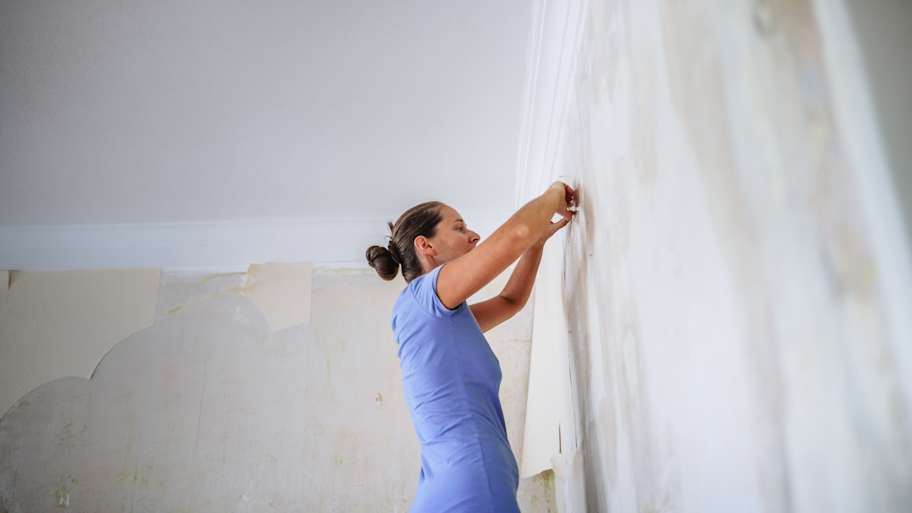
Discover how much it costs to remove crown molding based on factors like its size, location in your home, material, and more.
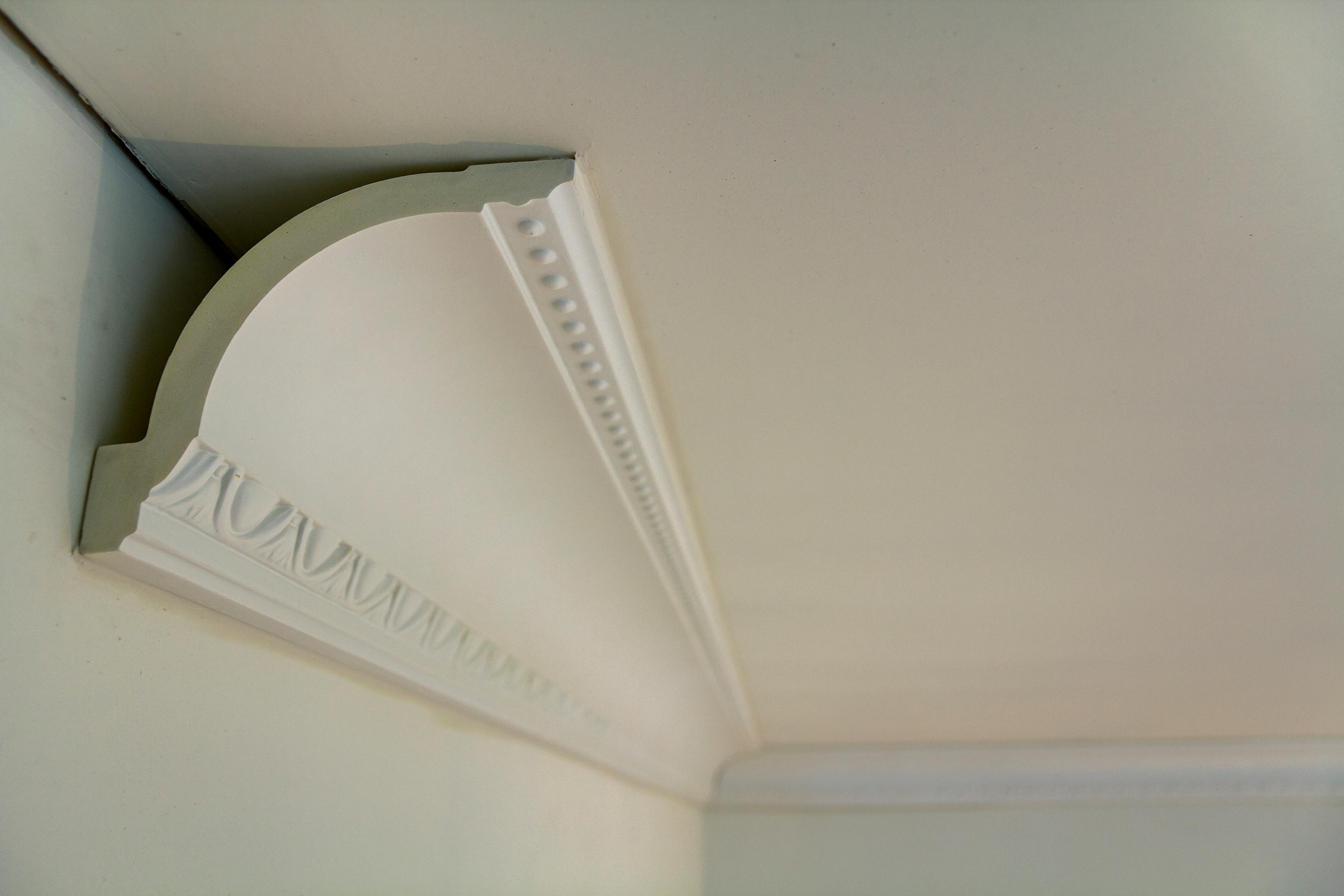
If your crown molding has edges or seams, you may want to caulk it. You can DIY this work or hire a pro—use this guide to learn the cost for both.

There are a lot of crown molding materials to choose from, and you’ll need to know the benefits of each to know how to pick the best one for your needs.

When comparing foam crown molding versus wood, foam offers multiple advantages, especially with price. However, wood has a traditional look that’s tough to beat.

When you want maximum durability, consider selecting between PVC crown molding versus wood. PVC is moisture resistant, while wood gives you a vintage design.