

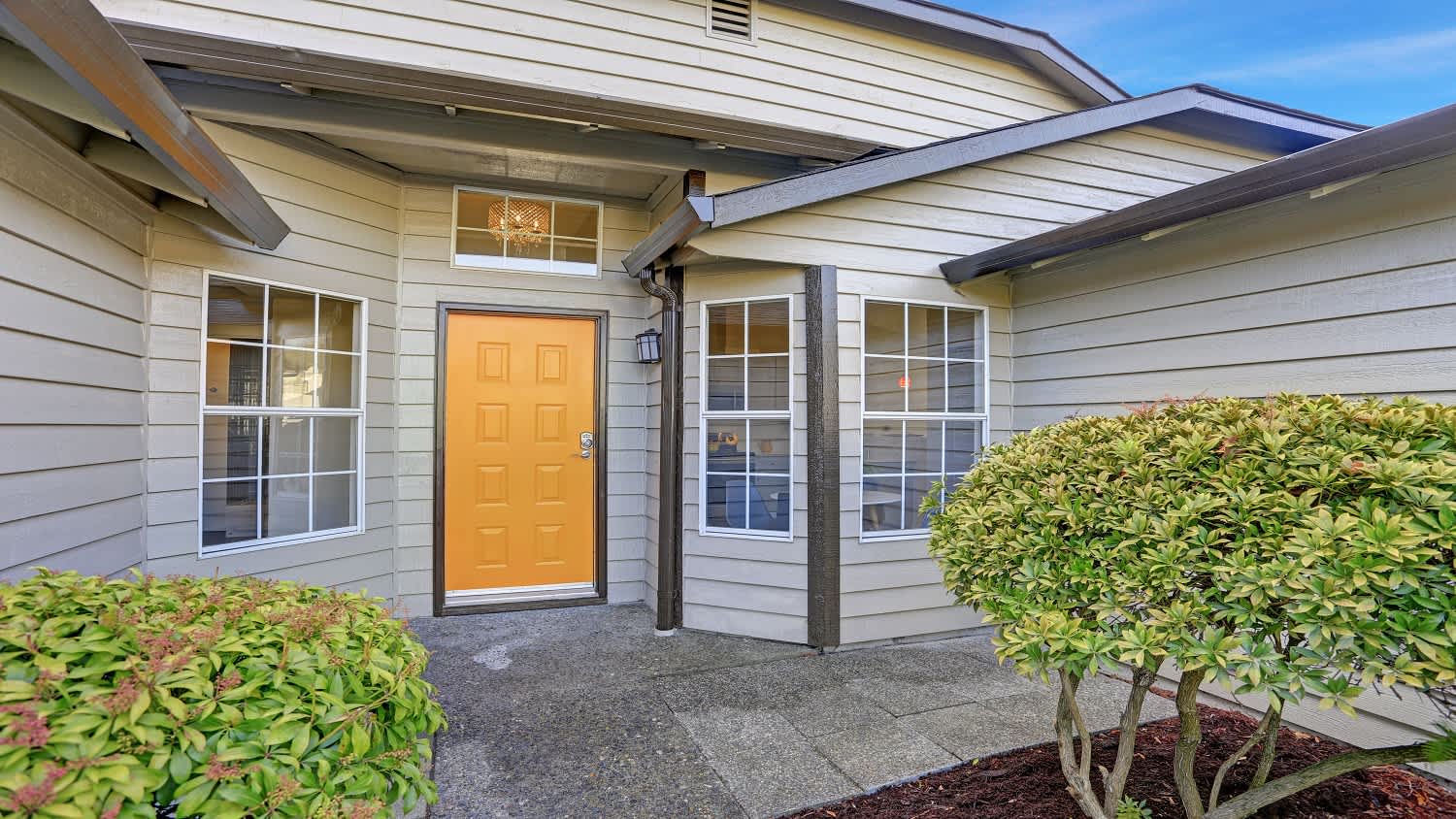
Whether you’re installing a new door or replacing an existing one, the cost of door installation varies based on location, door type, framing needs, and other factors.
Door service costs depend on your project and location. Check with a local pro for your specific job.

Professional door planing costs between $55 and $250 depending on whether you hire a handyperson or carpenter for your project.
Door size and material affect your final cost, with larger entry doors requiring more time than smaller interior doors.
You should budget for repainting between $135 and $300 or hardware replacement between $8 and $150 after your door is planed.
Hiring a local door repair professional prevents over-planing and splintering that can damage your door and create costly gaps.
Planing a sticking door costs an average of $95, but depending on the type of pro you hire or if you decide to DIY this project, costs can range between $55 and $250. Hiring a handyperson costs an average of $55 to $75 per hour, while a carpenter costs $100 or more per hour.
This straightforward repair can ease the inconvenience of a sticking door and prevent damage to the door, door jamb, or floor. Shaving off a thin portion of the edge of the door can get it opening and closing with ease again—as long as it’s done right.
This is a straightforward project with only one major cost factor: labor. Depending on your area, you can hire either a handyperson or carpenter to complete the project for you. Other cost factors depend on any additional upgrades or changes you’d like to make at the same time.
This is a simple job that any handyperson can do. The cost to hire a handyperson is $55 to $75 per hour, and it will take no more than an hour to do this job. A carpenter could also take on this project if your door has additional details that you don’t want to risk removing. A carpenter’s hourly rate can be $100 or more.
If you’re planning to tackle the job yourself, you’ll need to have the right tools and supplies on hand. A hand plane is the most important tool—both manual and electric options are available.
| Tools | Average Cost |
|---|---|
| Manual hand plane | $15–$50 |
| Electric hand plane (optional) | $40–$250 |
| Painter's tape | $15–$50 |
| Paint | $15–$40 |
| Stain | $20–$120 |
| Sandpaper | $5–$20 |
| Pliers | $5–$20 |
| Hammer | $5–$15 |
The size of your door can affect how much it costs to plane. Larger, thicker entry doors will cost more to plane than smaller, thinner interior doors, and double doors will cost more since they’ll take longer to plane.
Planing is a process that should only be used on wood doors. If you have a metal, composite, or fiberglass door, other methods are necessary to stop them from sticking. Sanding, grinding, or shaving non-wood doors will cost more than planing a wood door, since they’ll require specialized equipment and extra time.
A door that’s in poor condition may be more difficult—and more expensive—to plane. Weak, rotting, or damaged wood can be further damaged by planing, so the handyperson or carpenter will need to take extra care to maintain the integrity of the door.
Once your door has been planed, you may want to add some additional services to get it looking as great as it’s working.
Repainting the door can cost between $135 and $300—less if you already have paint on hand and are just doing a quick touch-up.
Upgrading your doorknob and hinges can give your door a fresh look. Hinges average between $8 and $15 each, and doorknobs range from $15 to $150.
If the sticking door has damaged your floor over time, repairing the floor costs between $200 and $630, depending on the extent of the damage.
Unless you’re a skilled carpenter with the right tools on hand, it may be easier to replace a sticking door. If you plane too much of the door off, you risk having too wide of a gap between the door and the door frame. If it’s a front door, this could greatly reduce your energy efficiency and let in pests and bugs.
The average cost to replace a door is around $1,100 if you hire a professional door installer. If your door is already near the end of its lifespan, it may be worth higher replacement costs.
Additionally, if you try to plane a door and find months later that it starts to stick again, you may have larger issues with your door frame. You can attempt to shim the door yourself or call in a pro to inspect the issue.
This is already an inexpensive project, but there are a few ways to cut costs even more. For one thing, you can use a manual hand planer instead of an electric hand planer. An electric hand planer will save you a lot of work, but this is the most straightforward way to save money.
Another way to save is to use paint or stain you already have rather than buy a new gallon.
Finally, if you’ve already got a construction project going on, you could have the contractor take care of the door in the meantime.

If you decide to plane your door yourself, you'll spend between $70 and $280 with a manual hand plane or $95 to $480 with an electric hand plane. While you’ll save on labor fees, it’s always best to hire a local handyperson or general contractor near you to do it instead. DIY planing can lead to over-sanding, accidental damage to the door, and costly issues down the line.
To properly plane a door, you’ll need specialized tools and expertise. Here’s why it’s best to hire a pro for the job:
Pros know how to remove the right amount of material without damaging the door.
Experienced pros know how to fix issues like hinge misalignment, frame warping, and swelling.
DIY planing can lead to common mistakes like uneven edges, over-planing, and splintering.
Many pros carry insurance and offer warranties for added protection.
A properly planed door boosts aesthetic appeal and offers long-term durability.
If you want to help out your pro, consider taking on the following tasks:
Remove the door from its hinges and remove hardware before the pro arrives.
Clean the door to wipe away paint debris and dirt.
Lightly sand rough spots before planing beings.
Help with cleanup, like vacuuming sawdust and organizing tools.
Be ready to let your pro know the size, material, and general condition of your door.
Have an idea of how much door sticking or rubbing you’re experiencing so the pro can get a sense of the problem.
Ask about potential add-on services like hardware replacement or floor repair.
Leave extra room in your budget for added labor fees, material costs, and additional repairs.
Home is the most important place on earth, which is why Angi has helped more than 150 million homeowners transform their houses into homes they adore. To help homeowners with their next project, Angi provides readers with the most accurate cost data and upholds strict editorial standards. We extensively research project costs to develop the pricing data you see, so you can make the best decisions for you and your home. We rely on reputable sources, including the U.S. Bureau of Labor Statistics, academic journals, market studies, and interviews with industry experts—all to ensure our prices reflect real-world projects.
Want to help us improve our cost data? Send us a recent project quote to [email protected]. Quotes and personal information will not be shared publicly.
Terrible experience. Walls/trim/floors/cabinets/doors all have drip marks, overspray, etc. Tiling at the fireplace had to be redone by another vendor due to incorrect and shoddy install by Profect. Contractor had his children in our house while he was on site without prior authorization or...
 Profect painting & exteriors
Jason has helped me with multiple household projects, with the most recent being new door installation. He has always showed up on time and organized and has done an incredible job! Jason is very professional and he's now my go-to for anything around my house that needs to be fixed or...
 Huff Garage Rescue, LLC
Company came to look at my garage door that was off track. They also said I needed a brace on the other garage door. They put the door back on track, and I paid to install the brace. The technician told me I needed a new garage door opener, and it would cost $1000. Red flags went off in...
 Precision Overhead Garage Door Service
On Sunday 2/26 I requested quotes via Angi from 4 refrigerator repair businesses. Northwest Appliance responded to me Monday morning (2/27) and my refrigerator was repaired by noon the same day. Great communication, they did everything they said they would. The technician had the parts on...
Excellent customer service and knowledge. I was recommend to him from my neighbour. My front door and window came in great and were installed beautifully perfectly, I m very satisfied with their excellent work, so decided to order one more big bow window for my living room. I cant wait for...
 Window Depot USA of Central Ohio
Called ahead and worked quickly to install keyless locks on vintage wooden doors.
 Expert Lock and Key, LLC
Scott did not get appropriate access to the property prior to the scheduled inspection which required us to come back later in the day to complete it. He also, unprofessionally, knocked on a neighbor?s door in his attempts to reach someone with access. His overall report was fine though the...
 Security First Home Inspections
Door Depot was very responsive - they came out the day after my call to assess my needs, then returned at my convenience to complete the work. They arrived early, and the work was completed in a shorter period of time than estimated. Very pleased with the results. I would definitely use them...
 Door Depot LLC
Replace garage doors: Fast response, competitive estimate, timely work done well.
 Village Garage Door
Jeremiah did an awesome job cleaning 28 windows inside and out! He was fast, efficient and now I have a beautiful view again. This was a Groupon for $139 for 20 windows, but I had 28 windows/doors cleaned, so there was an extra $6 per window. Totally worth it.
 Complete Home Services
From average costs to expert advice, get all the answers you need to get your job done.
Whether you’re installing a new door or replacing an existing one, the cost of door installation varies based on location, door type, framing needs, and other factors.
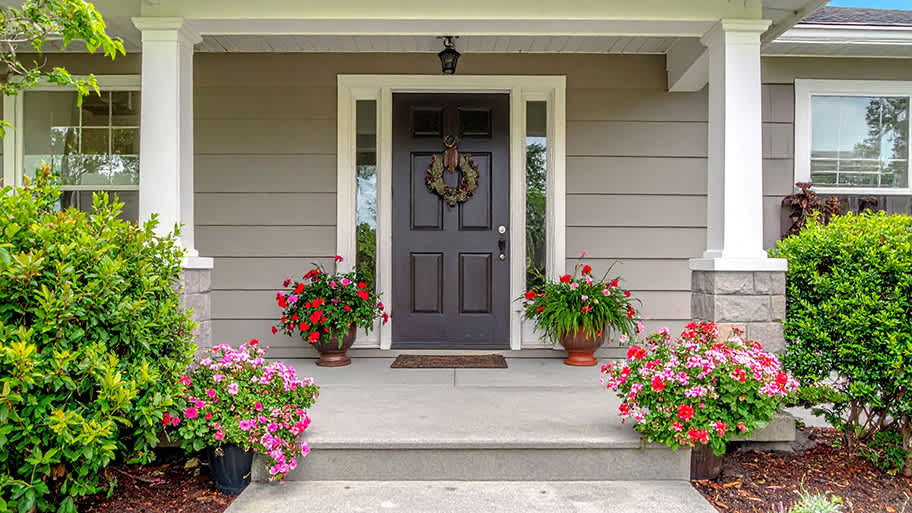
Welcome home! How much does exterior door installation cost when it's time to add a new entryway to your front or back porch? Let's take a look.

Discover fire door cost data, including installation, materials, and tips to save. Learn what impacts fire door pricing and how to budget for your project.
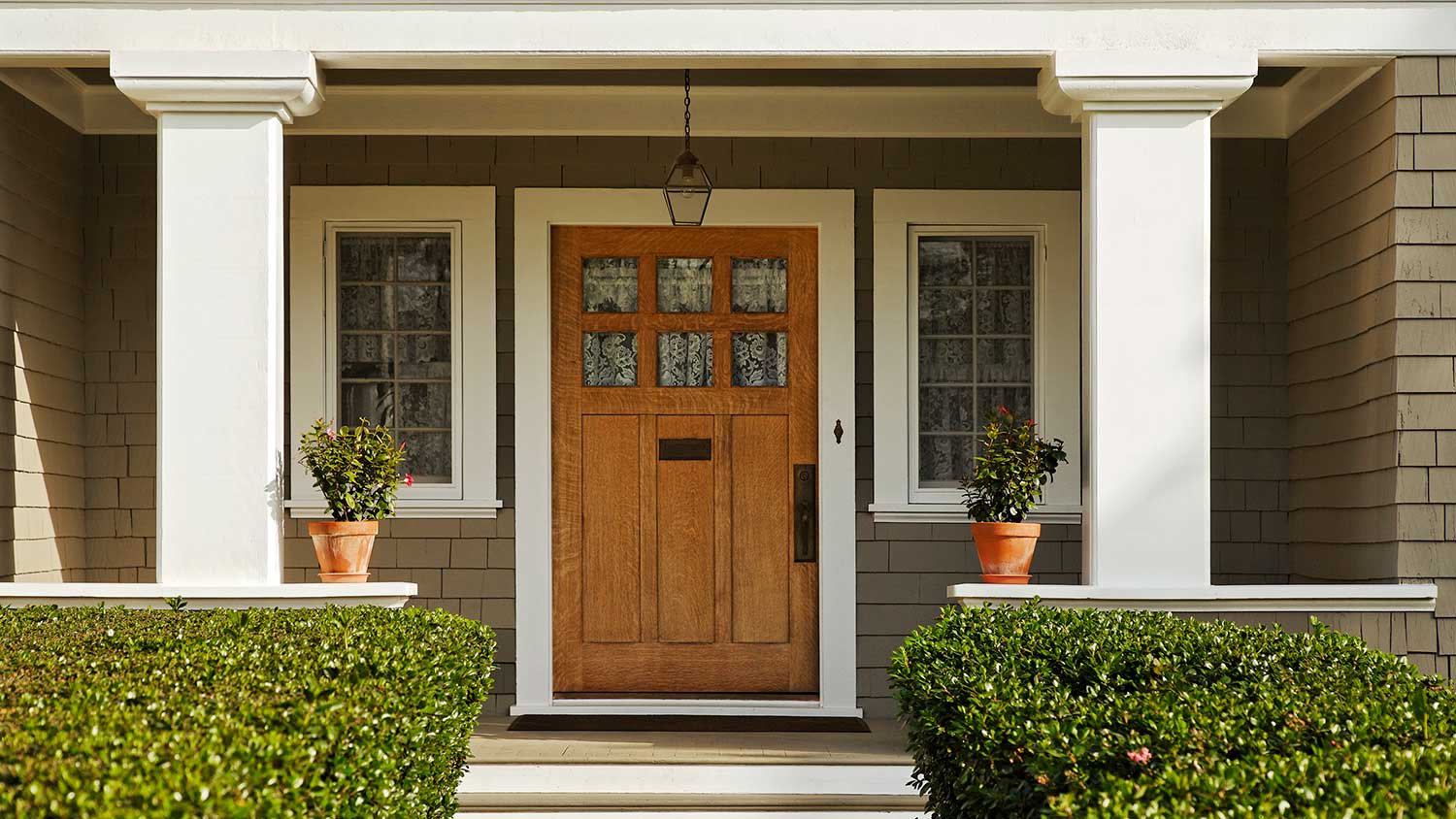
Fix a sticking or poor fitting door in just a few steps. Learn how to plane a door to keep it opening and closing with ease.
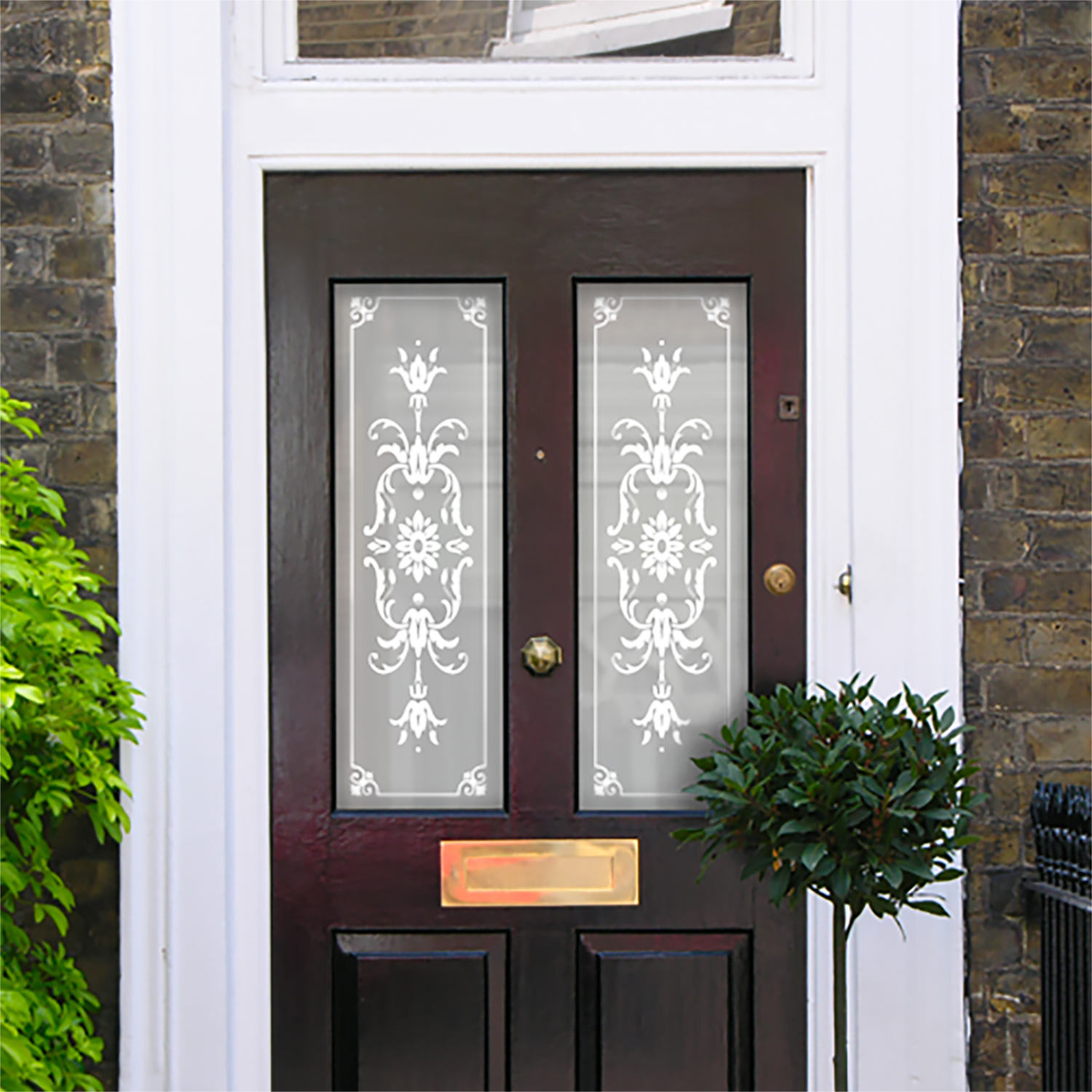
If you’re looking to enhance the security and style of your home, a security door is a smart investment. With many options to choose from, they often look like a regular front door, but stronger. Learn the pros and cons of security doors.
Dreaming up new home construction or an addition? Perusing through all the types of doors is a crucial step in the design process.