
Don’t let sinking concrete capsize your budget. Learn about concrete leveling costs and the available methods to plan ahead for your project.
Every concrete problem has a concrete solution

Concrete popouts occur when absorbent contaminant particles like chert or shale in your concrete mix expand, break away from the slab, and leave small holes.
Concrete honeycombing creates cavities throughout your slab from incorrect mixing or pouring, allowing water to seep in and potentially affecting your structure's stability and strength.
Preventing concrete problems starts with using high-quality materials, avoiding installation in extreme weather, and ensuring proper mixing, pouring, and curing processes for your project.
Hiring a local concrete company provides reliable support with identifying the severity of issues like honeycombing or settlement cracks and completing proper repairs.
Even the best professionals in the industry experience concrete problems. Repairing concrete cracks, popouts, and structural issues is crucial to keeping the ground beneath our feet strong and stable. Whether you recently installed concrete or have an old slab that's showing signs of decay, this list of concrete problems can help you get to the heart of the problem.
As much as concrete mix manufacturers attempt to sell the best combination of aggregates, inconsistencies will naturally occur, often leading to concrete popouts. When highly absorbent contaminant particles end up in the mix—such as chert and shale—the aggregates will expand and break away from the slab. You’re left with small holes, often less than two inches in diameter, throughout your concrete.
While popouts rarely affect the structure of your slab, they're not very attractive. Prevent popouts by speaking with your local concrete contractor about using a mixture with minimal deleterious materials. Ensure a slow and steady curing process and use the lowest concrete slump possible to avoid issues during water evaporation.
Repair concrete popouts by removing as much deleterious material as possible from the hole. Combine mortar and sand and patch the hole according to the instructions, using adhesive grouting if necessary.
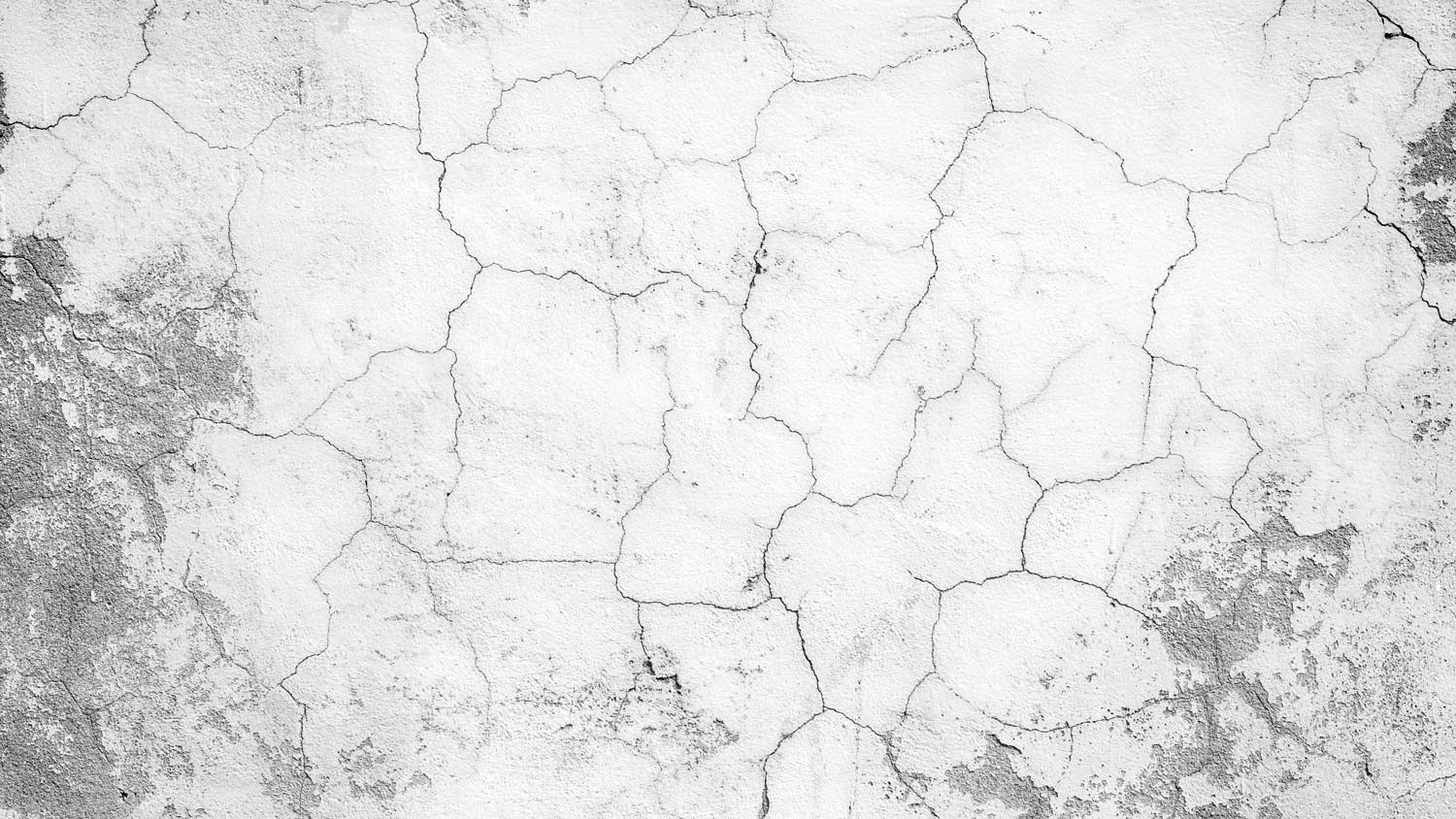
Concrete shrinkage cracks are one of the most common concrete problems on a new slab. As your concrete cures, the water on the top of the slab will evaporate more quickly than on the bottom. Exposure to the air and sun will cause the concrete to cure and stretch at different speeds, leading to minuscule, web-like cracks.
Shrinkage cracks are not usually a structural threat. Prevent as many shrinkage cracks as possible by avoiding installation in the direct sun, extreme heat, or on a windy day. You can repair small concrete cracks with concrete crack filler, a caulking gun, and a putty knife.
Honeycombing is a concrete problem with far more consequences than popouts or shrinkage cracks. Often caused by incorrect mixing, pouring, and curing, honeycombing leads to cavities throughout the slab, creating a honeycomb-like effect. Not only does the issue allow water to permeate the concrete, but extreme cases can also affect its structural integrity.
It's best to work with a professional concrete company to identify the severity of honeycombing and repair the area if necessary. In most cases, a contractor will need to remove the affected area and fill the area with properly mixed mortar.
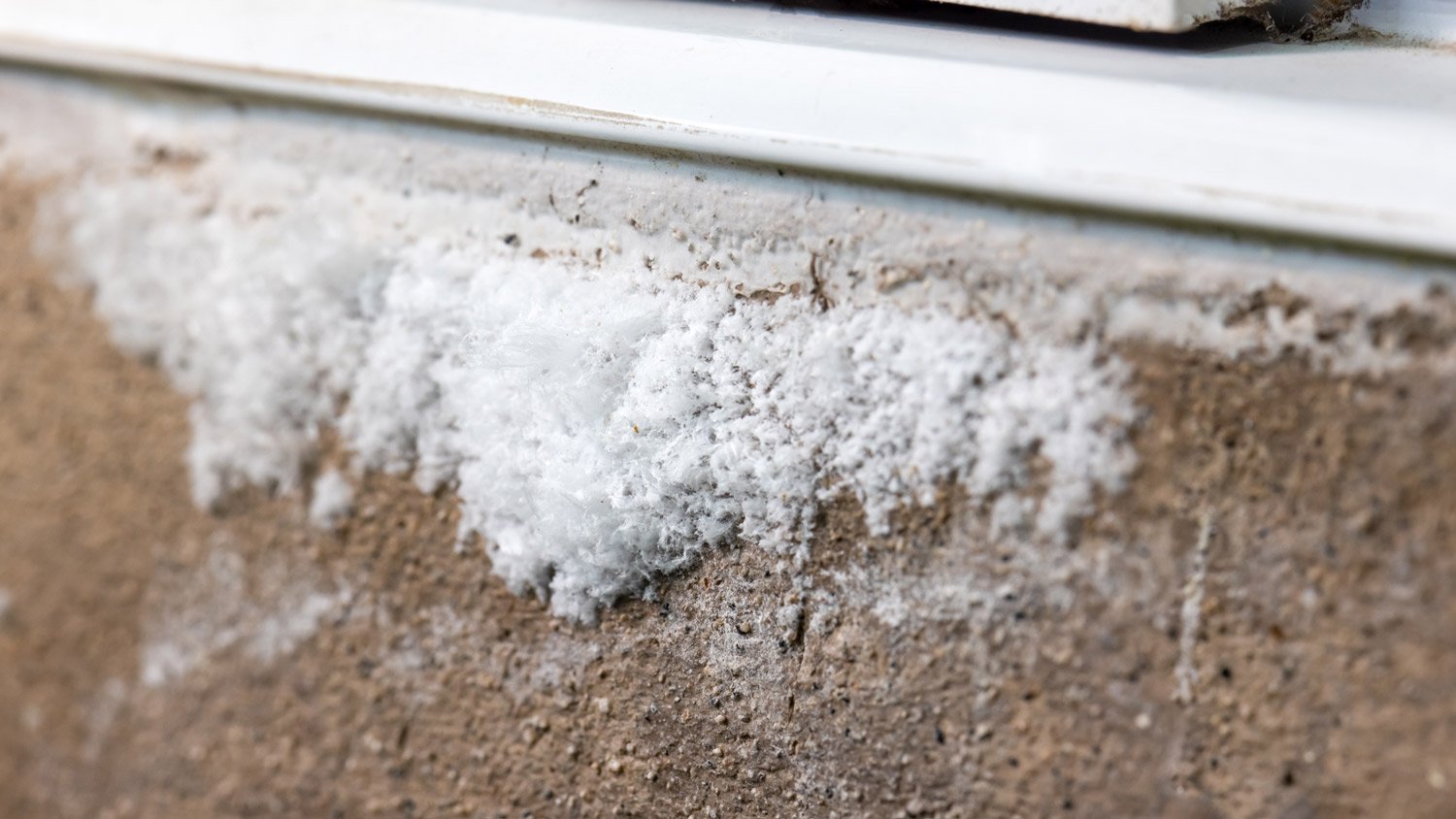
Have you ever spotted a buildup of white dust on a concrete wall? Concrete efflorescence occurs when salt in the mixture combines with moisture and exudes a white powder on the concrete surface. Not only is the process odd-looking, but it can also affect the slab's longevity. That being said, primary efflorescence only lasts several weeks after pouring. Long-term or secondary efflorescence can be a sign of leaks and waterproofing issues.
Prevent efflorescence by sealing concrete with a waterproof sealant immediately after it cures. Also, ensure proper mixing and curing to avoid an imbalance of water and salt. Repairing the problem is a bit more complex and will often require a professional to identify the cause of the leak or permeability issue.
Segregated concrete is more than just a headache for contractors. A bit like gravy splitting as you cook, segregation is the process of large aggregates settling and separating from the rest of the concrete mixture, leading to an uneven and potentially unstable structure. Concrete segregation occurs for various reasons, often during the mixing and pouring. Incorrect amounts of water, poor mixing strategies, or the wrong combination of materials can all lead to segregation.
The best way to prevent segregation is to work with a highly experienced pro. Mixing concrete yourself is not complex, but a lot can go wrong during the purchasing, mixing, and curing process.
Repairing segregation depends on how far you got in the process and the extent of the damage. Some admixtures can help reintegrate large particles into the mixture. Once cured, professionals will need to test the strength of your structure to determine the best repair or replacement strategy.
When thin layers break off the surface of concrete, it's known as scaling. Scaling can occur during extreme freezing and thawing cycles, poor installation, or damage from deicing chemicals.
Preventing concrete scaling begins with a high-quality concrete mixture and proper installation. If you're concerned about the complex curing process, leave the job to a professional. It's also important to avoid damaging deicing chemicals and consider alternatives to melt ice in the winter. Repair often requires a concrete patching material and a sealant to prevent future scaling.
The last thing you want on your driveway is dark splotches of concrete that stand out against the rest. Discoloration stems from a long list of issues, but most go back to inconsistent mixing, pouring, and curing. Adding calcium chloride to boost its hydration can cause dark spots as well.
Avoid discoloration by replacing an entire concrete slab at the same time and by using a high-quality mixture. Working in batches or replacing parts of your concrete area at a time will often lead to inconsistencies. You may need to stain or paint the concrete for a more consistent appearance.
Similar to concrete surface cracks, inconsistencies between the top and bottom of the slab can lead to concrete curling. When extreme temperature and moisture differences exist throughout a curing slab, the concrete can either bow up or down at the center, causing it to bend or curl. Excessive concrete bleeding—when the aggregate settles too quickly and sends water to the top of the slab—can also lead to curling.
Avoiding concrete curling depends on the mixture, pouring, and curing process. Minimize water content as much as possible and ensure proper installation conditions before pouring. Professionals also recommend installing an absorbent sub-base to prevent bleeding. Mudjacking or replacement may be necessary to even out the slab.
Every concrete slab depends on a stable base. While every slab will settle a bit after installation, extreme settlement can lead to major cracks. Concrete settlement can occur due to drainage issues, erosion, uneven soil compaction, earthquakes, or poor installation of concrete.
Identifying these cracks, particularly cracks in your concrete foundation, can be crucial to avoiding major structural problems. Active horizontal cracks that are more than an eighth of an inch wide will require a professional to determine the best repair. In addition to patching the crack, you may need to increase drainage in your landscape and support your concrete mudjacking.
Positive experience. As previously stated, the replacement/repair could not be completed (no fault of the plumbing tech) b/c misinformation was rec?d by property management maintenance. Thanks to the plumbing tech for your efforts. Appreciate you!
 The Waterworks
Carpet repair done well. Scheduling was easy. Showed up on time.
 BR Flooring Installation
I would recommend this company to anyone! He showed up on time, was friendly, completed a very difficult repair on our dryer vent cover, was responsive, and pricing was extremely fair and competitive. I would have him back to do any of our repairs or cleanings without hesitation!
 U.S.A. Dryer Vent, LLC
Everything from initial contact to completion was absolutely top notch. We contacted the business during off hours to leave a message, and the owner still reached out to feel out the issue within minutes. We were scheduled and repaired within 48 hours. I cannot say enough about the...
 Supreme brick & chimney
Great experience all together. Dog friendly, courteous, great results and honest with recommendations. Will certainly be using Cardinal in the future for any carpet repairs
 Cardinal Carpet Care & Repair
Working with Peter and his crew was a breeze. They were exceptionally polite and did a neat job to repair and seal our driveway. I will definitely talk to them first for additional work.
 Central Paving
Description says they handle window repair including rotten hardwood - they called me back right away but didnâ t leave a voicemail. I followed up 3 days later and they said they donâ t do that kind of work.
 Window-Gurus
They did an excellent job with the repair, took care of all communication with the insurance company and had car rental service also with a very reliable, quality care
 Three C Body Shop
We recently had our office sidewalk repaired and CT Concrete did an "Outstanding" job. They were quick, friendly and the job is "flawless". I would highly recommend CT Concrete for any of your concrete/sidewalk needs.
Repairs went well. Staff friendly an professional. Repair was delayed due to difficulty getting a part and the fact that one of the technicians accidentally damaged the newly-painted bumper and had to redo it. There was also a lack of communication about when to pick up the car. They told me...
From average costs to expert advice, get all the answers you need to get your job done.
Don’t let sinking concrete capsize your budget. Learn about concrete leveling costs and the available methods to plan ahead for your project.
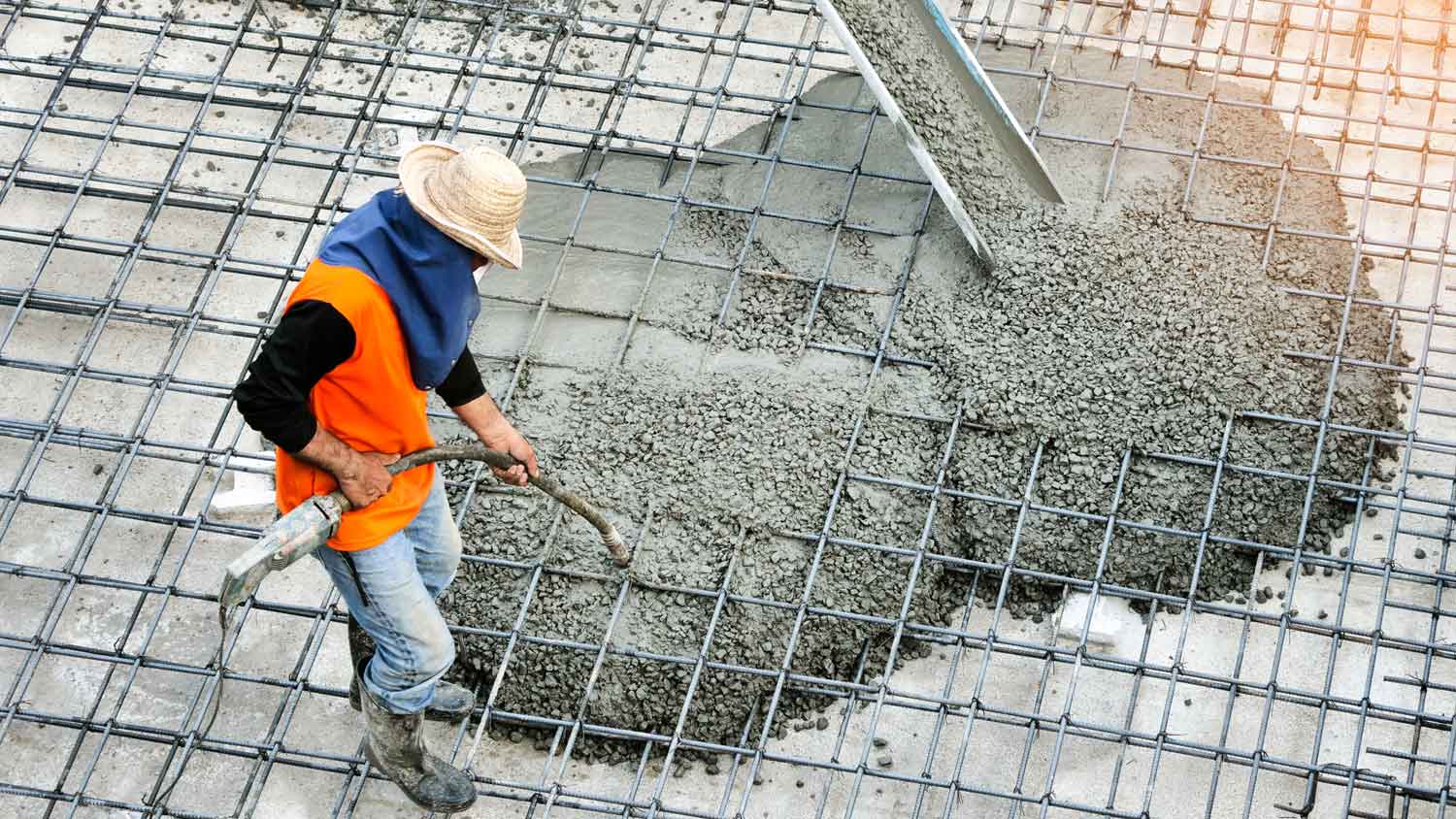
Wondering if pouring concrete in the rain is possible? Learn how rain affects the strength of the concrete and why it’s a good idea to wait for better weather.
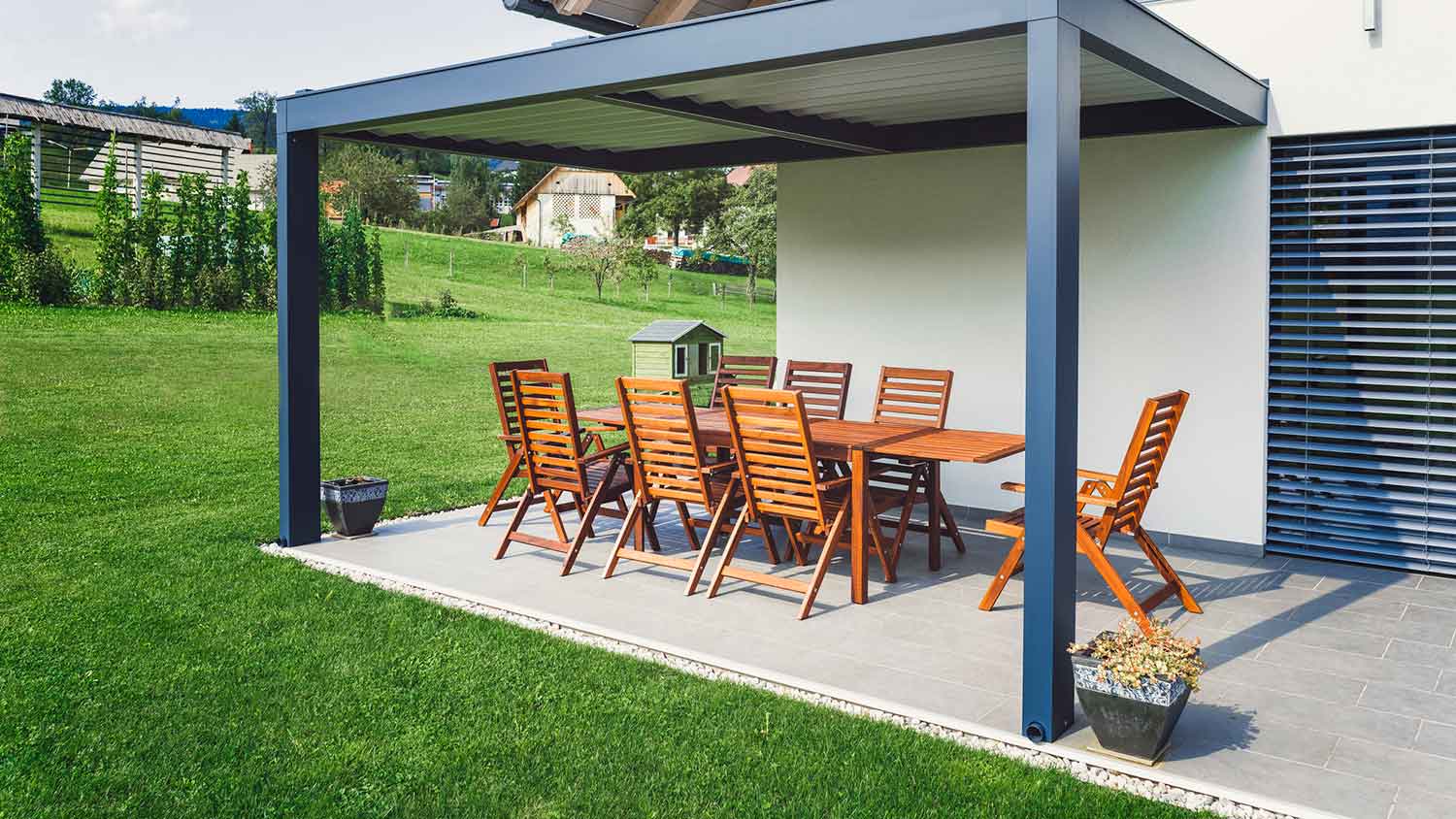
Do you really have to dig up your yard before laying the new walkway? Let's explore whether you can pour concrete over grass and how to simplify the process.

It’s important to know when concrete’s structural integrity is at risk. Learn more about the types of cracks in concrete so you know what to look out for.
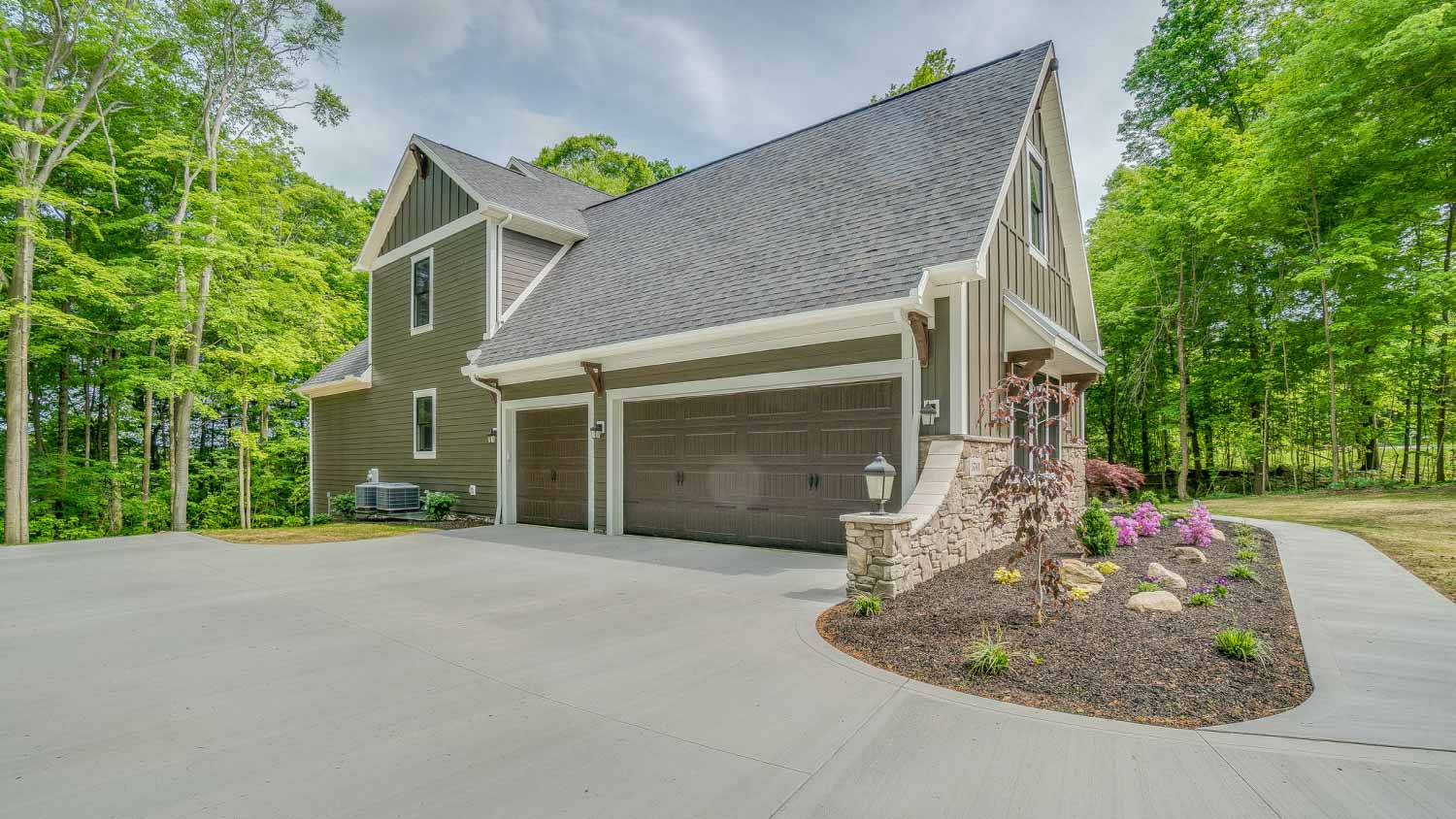
Concrete popouts are one of the most common headaches on everything from driveways to basement floors. Here's what to know about these pesky blemishes.
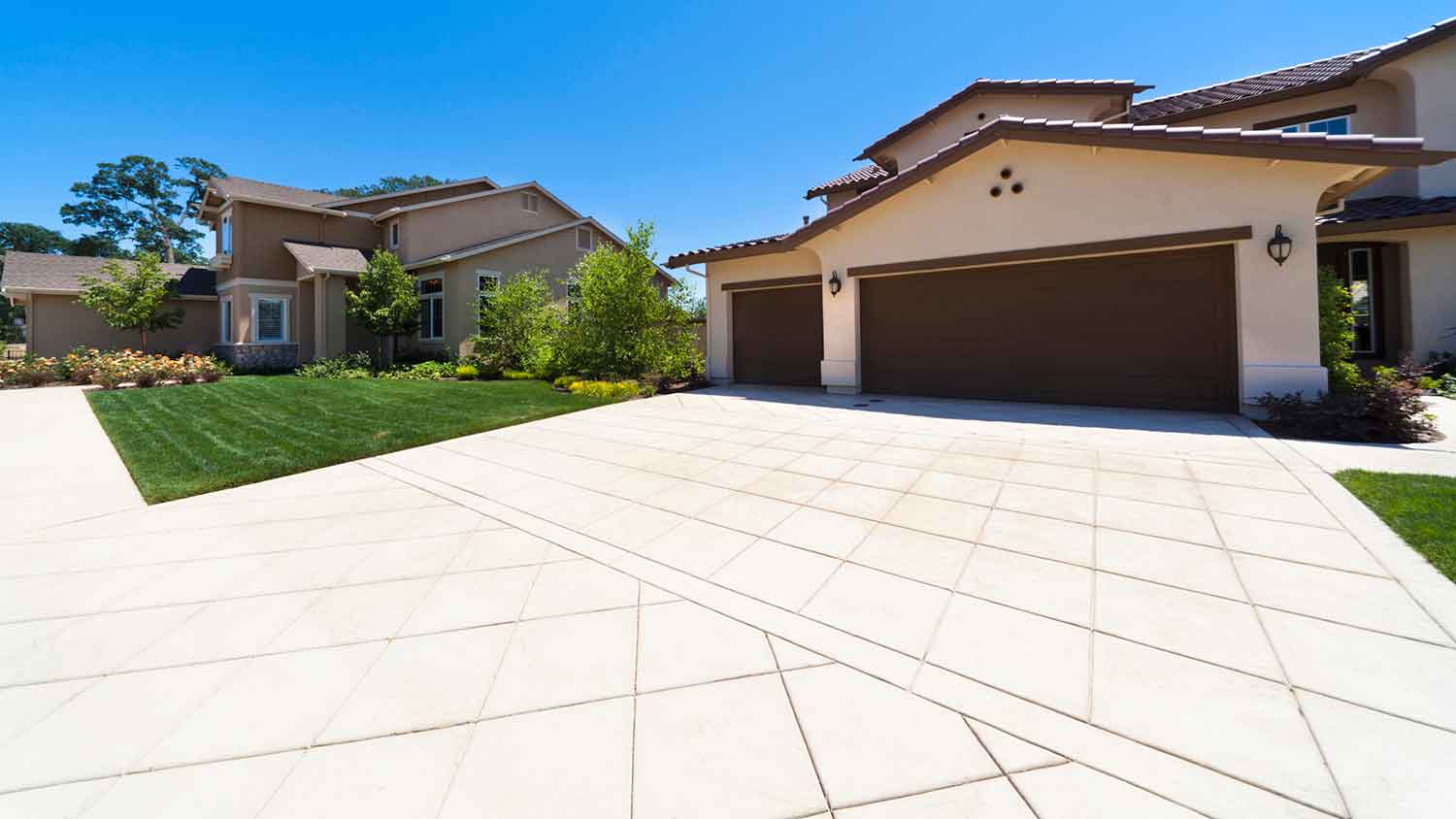
Ask these 16 questions about experience, pricing, timelines, and more to choose the best professional for your concrete project.