

Hiring a pro for any job takes some thought. This guide explains how to hire a concrete contractor so your home project is set for success.
Here’s how to get solid information

Questions to ask when hiring a concrete contractor help you confirm licensing, insurance, experience, and warranties before starting your driveway, foundation, or patio project.
You should request references, review past work examples, and verify the contractor's concrete source quality to avoid future cracks and structural problems in your installation.
Ask about project timelines, permit requirements, payment terms, and whether curing is included in the quote so you understand what to expect throughout the entire process.
Hiring a local concrete company keeps your project on track with proper permit handling, structural drawings when needed, and expert advice on repairs, enhancements, and curing methods.
Your contractor should be insured so that you don’t end up liable or responsible for any damage that should occur over the course of the project. Insurance requirements vary from state to state, so check with an insurance agent to fully understand what should be included in your contractor’s policy.
Similarly, each state will have its own requirements for contractor licensing. The licensing ensures that your contractor has proper education, training, and required licenses to do the work.
Ask your contractor how long they’ve been working in the concrete industry and if they have taken on similar projects—you don’t want your home to be a first try at something brand new. There are a wealth of different concrete projects. A concrete driveway contractor won’t necessarily have experience building different types of concrete foundations, but they may have experience with walkways or patios. Make sure the experience aligns.
It’s important to look at a portfolio of the contractor's past work to ensure that they can complete the job you want them to complete in the way you want—ask to see photos of similar projects. Some contractors may have a website with photos, and others may simply collect them on their smartphones or be able to show them to you on their laptops or tablets.
References are a great way for you to confirm that the contractor’s work was not only up to snuff but that they were responsive, handled roadblocks well, and were overall pleasant to work with.

When it comes to concrete manufacturers, quality can vary. For instance, a less reliable source might sell concrete that’s prone to cracks. Learn where your contractor sources their concrete and do your research to know if it’s a product you want in your home.
Based on the scope of the project, your contractor should be able to give you a sense of how long it will take to complete. Smaller projects, such as driveways, might be completed in a few days, while large projects could take several weeks.
They should also provide you with an estimated start date, which will depend on the other projects they are working on. This is important because it allows you to plan around the construction if, for example, you won’t be able to use your driveway or they’re building a foundation for a larger scheduled project.
Some concrete work requires demolition, which can damage lawns, landscaping, and other outdoor features. Ask about any suspected risk to your home.
Permits can add time to any home project. A local concrete contractor who is familiar with the area should know the kind of permits required and how long it will take to get them.
The contractor you hire might choose to outsource the role of project manager, and it’s important you know who will be working on your home and who you should be communicating with every day in case anything goes wrong. Any established, trusted contractor should be able to answer this question easily.

By asking this question, you should be able to find out if the removal of any existing materials is included in the quote; some projects will require total removal and replacement of existing pavement.
In addition, your contractor should tell you if the cost includes the curing of concrete—many residential concrete contractors do not cure the concrete immediately after it is placed. This is not often a big problem; concrete is very forgiving and sometimes doesn’t show any signs of wear without curing. That said, curing can prevent concrete cracks (crazing) and keep your concrete durable for longer. Ideally, curing will be included in the final price—if the contractor says it isn’t, see how much it would be to add it.
Establishing when payment should be made and how will provide important clarity and help you agree to terms that work for both you and your contractor. You might find some contractors require a deposit while others don’t. You might also be able to work out incremental payments for larger projects.
You should always ask your contractor to provide proof of their payment to the concrete supplier; this is important, as an unpaid concrete producer has the right to put a lien on your property until the payment has been processed.
Reputable contractors will offer warranties on their concrete installations to guarantee their work. Be sure to review the fine print of the warranty; some make the process of qualifying for the warranty very difficult.
Walking or driving on the concrete before it is set could cause it to crack. Have your contractor give you advice as to when the concrete will be secure and able to withstand pressure. Many will tell you to wait at least three—but ideally seven—days before driving on the surface.
Some concrete projects require drawings from a structural engineer. Your concrete contractor may hire a structural engineer or require you to have the plans drawn out in advance.
Keep in mind, you usually won’t need a structural engineer for smaller projects that fall within building code, such as sealing a driveway or leveling uneven concrete walkways. That said, you’ll definitely need a one for larger projects such as a home foundation or concrete pool.
If you’re hiring a concrete contractor for repairs, you’ll need to describe the issues you’re having with your existing concrete. This helps your contractor understand the full scope of the project. Damage could include uneven concrete, cracks, efflorescence, settlement issues, or chemical damage.
Your contractor will need to remedy the underlying cause of the damage or it will return. This can require more extensive work than a simple patch. Make sure you describe the rough length, width, and depth of the cracks, since different types of cracks can signal different issues.
When you’re taking on a concrete project, there could be a variety of different upgrades that help the project shine. For example, with driveway construction, contractors may offer stamping for a decorative touch or sealing for durability. In pool construction, your contractor might offer design upgrades like stairs, seating areas, or an add-on hot tub. These enhancements will impact the budget, so talk about them upfront.
Positive experience. As previously stated, the replacement/repair could not be completed (no fault of the plumbing tech) b/c misinformation was rec?d by property management maintenance. Thanks to the plumbing tech for your efforts. Appreciate you!
 The Waterworks
Carpet repair done well. Scheduling was easy. Showed up on time.
 BR Flooring Installation
I would recommend this company to anyone! He showed up on time, was friendly, completed a very difficult repair on our dryer vent cover, was responsive, and pricing was extremely fair and competitive. I would have him back to do any of our repairs or cleanings without hesitation!
 U.S.A. Dryer Vent, LLC
Everything from initial contact to completion was absolutely top notch. We contacted the business during off hours to leave a message, and the owner still reached out to feel out the issue within minutes. We were scheduled and repaired within 48 hours. I cannot say enough about the...
 Supreme brick & chimney
Ace Fireplace Services came to the rescue for my chimney repair. They were quick to pinpoint the issue and worked their magic to fix it. My chimney is now in excellent shape, and I'm a satisfied customer.
 Ace Fireplace Services
On Sunday 2/26 I requested quotes via Angi from 4 refrigerator repair businesses. Northwest Appliance responded to me Monday morning (2/27) and my refrigerator was repaired by noon the same day. Great communication, they did everything they said they would. The technician had the parts on...
Great experience all together. Dog friendly, courteous, great results and honest with recommendations. Will certainly be using Cardinal in the future for any carpet repairs
 Cardinal Carpet Care & Repair
Description says they handle window repair including rotten hardwood - they called me back right away but didnâ t leave a voicemail. I followed up 3 days later and they said they donâ t do that kind of work.
 Window-Gurus
Chaz, the owner, was very responsive and he communicated with us throughout the entire process. The overall cost was in the middle compared to the three estimates we received. The installation crew was very professional. Chaz was considerate enough to send a crew back to our home to repair...
 Unique Hardwood Floor LLC
Great guys. Spend a lot of time repairing and prepping our walls before doing the new paint. Home looks great now.
From average costs to expert advice, get all the answers you need to get your job done.
Hiring a pro for any job takes some thought. This guide explains how to hire a concrete contractor so your home project is set for success.

To make your home project stress-free, we’ve compiled a list of 12 questions to ask your contractor during every stage, from first contact to project wrap-up.

The best questions to ask contractors are about protecting your interests and the investment you are making in your home.

Protect yourself when hiring a concrete contractor by asking if they’re licensed and bonded. Read on to find out everything you need to know before hiring a pro.

Save time and provide a more positive experience by asking the right questions. Here are the top 15 questions general contractors should ask new clients.
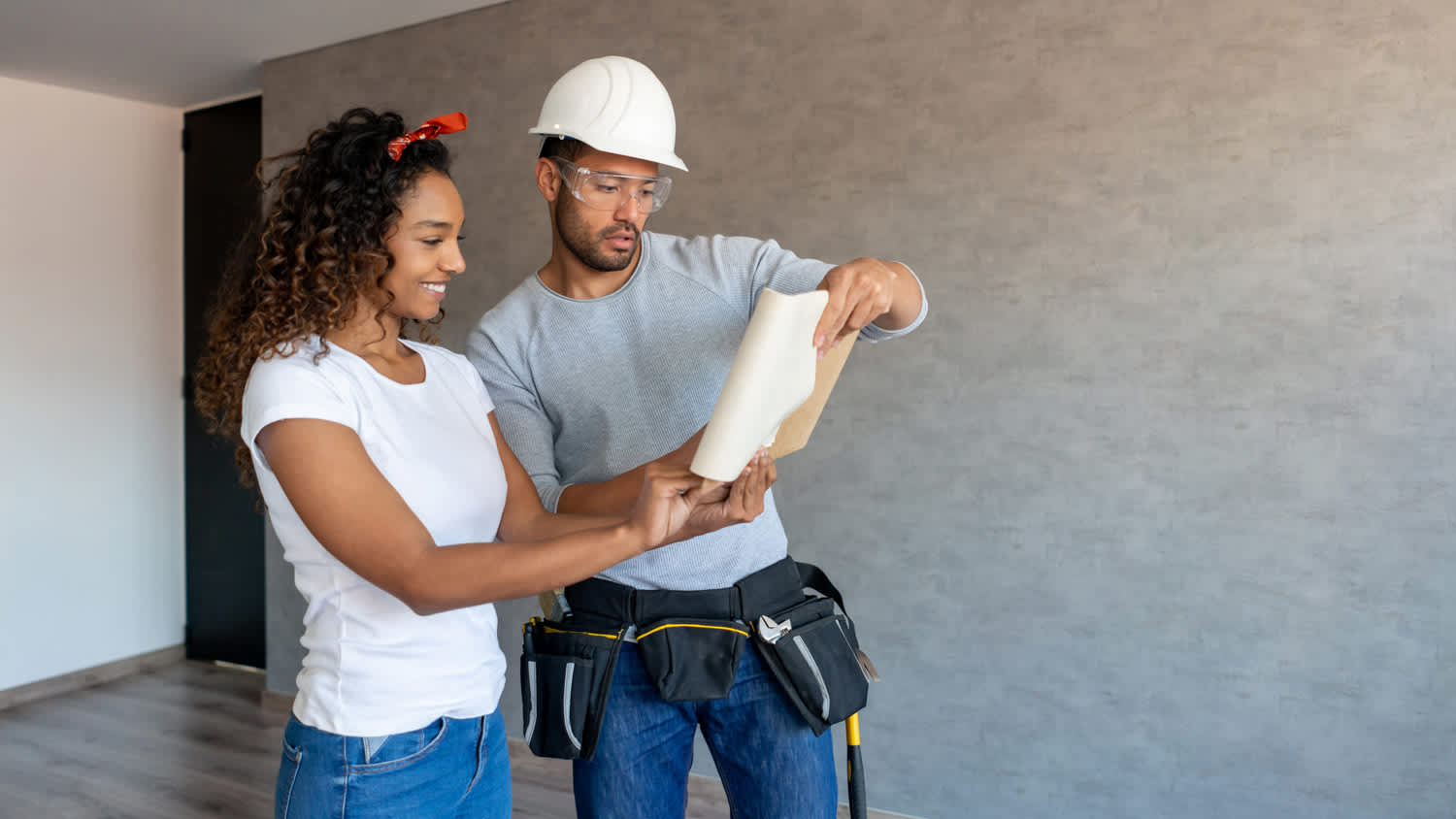
You want the best contractor for your project, so interview several people before hiring anyone. If they ask any of these questions, find someone else.