

Sealing concrete floors, patios, walkways, and driveways can keep them looking fresh for far longer. Let's break down the cost to seal concrete with a pro or on your own.
Prevent concrete efflorescence to maintain the stability and appearance of concrete structures

Efflorescence in concrete happens when water-soluble salts mix with moisture and evaporate, leaving white or gray powdery deposits on your concrete surfaces.
Poor drainage, concrete cracks, and inadequate waterproofing allow moisture to build up in your concrete, creating the conditions that lead to efflorescence and discoloration.
You can remove efflorescence by scrubbing the affected area with water and a stiff brush, then applying a concrete-safe cleaner if stubborn deposits remain.
Hiring a local concrete resurfacing professional provides expert help with moisture problems and waterproofing, keeping your concrete surfaces protected and looking their best.
If you've ever noticed white powdery substances on concrete walls or other surfaces, then you've probably seen concrete efflorescence before. Concrete efflorescence occurs when salt mixes with excess water and leaves whitish deposits on the concrete. These deposits aren't just unsightly—they can also affect concrete's durability, so it's best to remove concrete efflorescence as soon as you find it. This guide covers how to identify concrete efflorescence, common causes, and ways to repair and prevent it.
Concrete efflorescence is a white or gray buildup of salt deposits that can form on concrete when water is present. It happens when water infiltrates concrete then evaporates, leaving behind crystalline salts. It is both unsightly and can affect concrete’s durability in some cases.

Concrete efflorescence is a phenomenon that can occur when salt mixes with water and forms powdery deposits on concrete's surface. The salt can come from aggregates in concrete, pavers, brick, or groundwater. These deposits are often white, but they may also appear green, yellow, or gray. Different salt types in various regions can lead to varying colors. There are two types of efflorescence: primary and secondary.
Primary efflorescence can appear after newly poured concrete is cured. It lasts for two to three years before resolving once the nearby salts are depleted. Primary efflorescence happens when there's excess water on the concrete when it's setting. As the cement sets, it hydrates with the water and releases calcium hydroxide, which looks like a white powdery deposit.
Unlike primary efflorescence, secondary efflorescence often appears long after concrete is poured. It happens due to excessive moisture from issues like leaks, poor drainage, inadequate waterproofing, and concrete cracks and holes. This is one reason you should repair concrete cracks as soon as you spot them. When the trapped water begins to evaporate, it carries salt deposits to the surface, causing concrete discoloration, which won't resolve on its own like primary efflorescence.
In addition to causing unsightly discoloration, concrete efflorescence often indicates you have a moisture problem that needs to be addressed. If it goes unaddressed for too long, it can deteriorate the concrete, affecting its strength and stability. Plus, the efflorescence can block concrete pores, which can impact the balance of moisture and air throughout the concrete, potentially decreasing its durability further.
When water-soluble salts in concrete, pavers, and groundwater mix with moisture, it can lead to efflorescence. However, knowing how that moisture made its way in is important when troubleshooting and fixing the problem.
If you don't have proper drainage around the concrete, it's easy for excess moisture to build up and cause efflorescence. Therefore, it's critical that all of your concrete structures have designated drainage zones that direct excess water away from the structures.
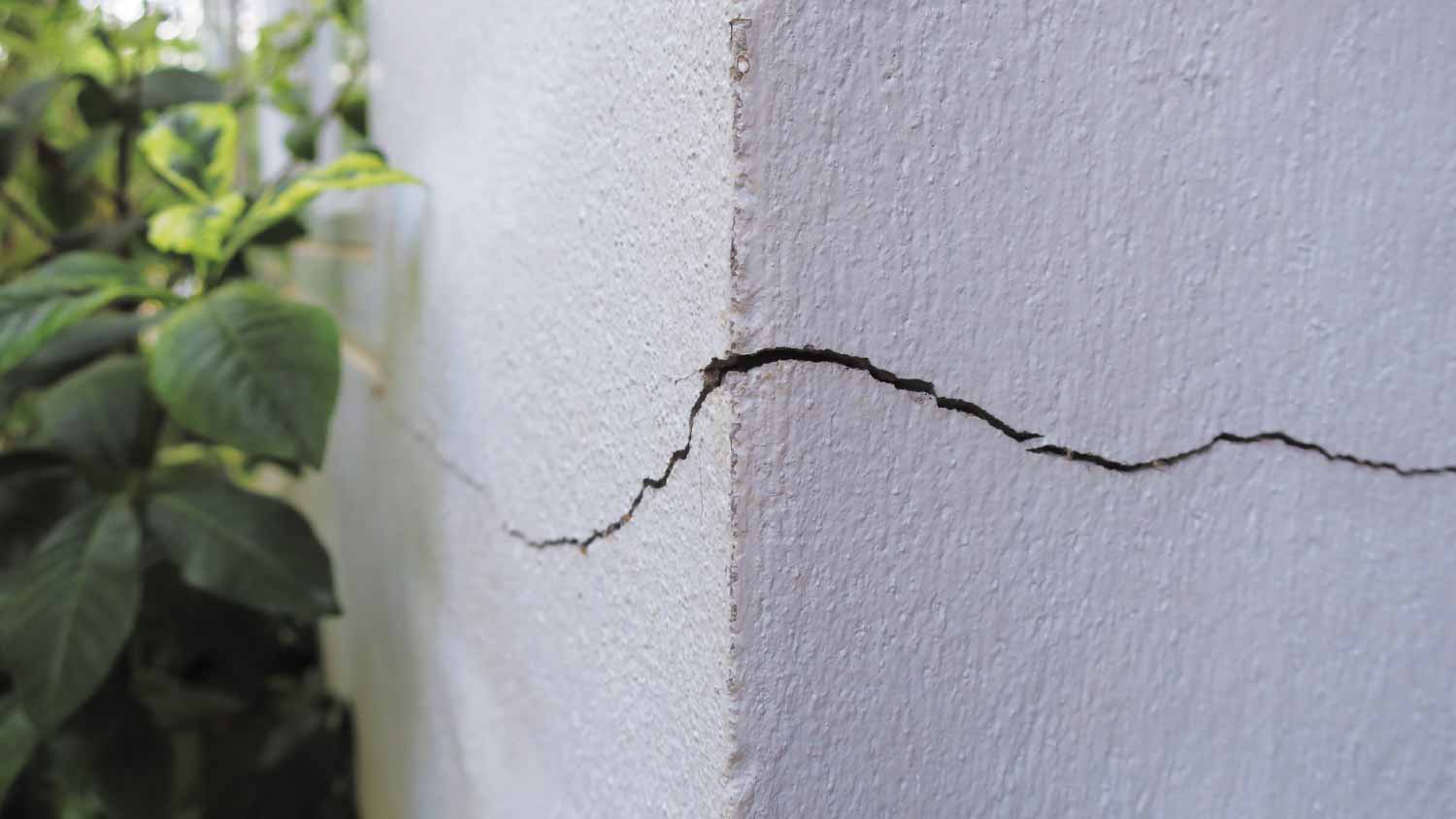
Concrete cracks and other damage make it vulnerable to efflorescence since moisture can make its way into the cracks and holes caused by the damage. So whenever you notice damage to a concrete surface, it's always better to repair it sooner than later.
Concrete is a porous material, which means water can work its way into the surface. For that reason, it's a good idea to apply a waterproofing sealant to any concrete surface to prevent moisture buildup. You'll also need to reapply it every three to 10 years or so, depending on the type of sealant you use.
Concrete needs to properly cure after pouring to be most effective. If your concrete doesn't have the right balance of moisture to fully hydrate then completely dry during the curing process, it can lead to higher salt levels in the concrete. These salts can then appear while the concrete dries, causing efflorescence.
Concrete needs to cure in order to maintain its strength and durability. Improper curing could lead to brittle and porous concrete. A masonry contractor will have the knowledge and skills to know how long your project needs to cure.

Slow evaporation can also lead to concrete efflorescence since the salts within the water have more time to deposit onto the concrete. That's why efflorescence occurs less often during the summer than the winter since high temperatures lead to faster evaporation times.
To get rid of concrete efflorescence permanently, you need to address the underlying cause. Primary efflorescence is temporary, so if that's the cause, it isn't likely to return after removing it. But if you have secondary efflorescence on your hands, it will continue to occur until you fix the moisture problem, which could be due to the above-mentioned issues, like poor drainage or leaks.
Once you know the cause, you can get to work on repairing it. Some efflorescence is easy to repair with water, a stiff brush, and a little elbow grease, but other efflorescence deposits can be much more stubborn.
If you can't remove the efflorescence or you want to save yourself some time, you can always hire a local concrete resurfacing company to help. To try to remove it yourself, follow these steps.

If your efflorescence looks white, fluffy, and powdery without any hard lumpy deposits, then you can often clean it using water and a stiff brush. Simply apply water to the affected area and scrub it with your brush to try to remove it. You can also use a power washer to help, but check the manufacturer's recommendation for the right setting to use with concrete. If it's too high, it can damage the concrete.
When water alone isn't enough to clean your concrete, you can try a mild cleaning solution. Many hardware stores sell concrete-safe efflorescence cleaners, but you can also make your solution using 1 part vinegar to 4 parts water. Apply either solution and let it sit for a few minutes.
After applying the solution and letting it sit for a few minutes, thoroughly rinse the concrete with water. You can start by using a hose or bucket of water, but if there are still stubborn deposits, use a pressure washer to put a little more oomph behind it.
You might need to repeat all these steps several times depending on just how stubborn the efflorescence is.
The best offense is a good defense. Use these tips to help prevent concrete efflorescence before it happens:
Use low-salt concrete mixes.
Provide designated drainage zones that direct water away from concrete surfaces.
Apply a waterproofing sealant to the concrete.
Ensure there's adequate ventilation around concrete structures.
Clean the concrete every few months.
Fix concrete cracks and other damage as soon as possible.
Install vapor barriers underneath the concrete to prevent salt deposits from making their way to the surface.
Ensure the concrete fully and properly cures after pouring.
Positive experience. As previously stated, the replacement/repair could not be completed (no fault of the plumbing tech) b/c misinformation was rec?d by property management maintenance. Thanks to the plumbing tech for your efforts. Appreciate you!
 The Waterworks
Carpet repair done well. Scheduling was easy. Showed up on time.
 BR Flooring Installation
I would recommend this company to anyone! He showed up on time, was friendly, completed a very difficult repair on our dryer vent cover, was responsive, and pricing was extremely fair and competitive. I would have him back to do any of our repairs or cleanings without hesitation!
 U.S.A. Dryer Vent, LLC
Everything from initial contact to completion was absolutely top notch. We contacted the business during off hours to leave a message, and the owner still reached out to feel out the issue within minutes. We were scheduled and repaired within 48 hours. I cannot say enough about the...
 Supreme brick & chimney
Great experience all together. Dog friendly, courteous, great results and honest with recommendations. Will certainly be using Cardinal in the future for any carpet repairs
 Cardinal Carpet Care & Repair
Working with Peter and his crew was a breeze. They were exceptionally polite and did a neat job to repair and seal our driveway. I will definitely talk to them first for additional work.
 Central Paving
Description says they handle window repair including rotten hardwood - they called me back right away but didnâ t leave a voicemail. I followed up 3 days later and they said they donâ t do that kind of work.
 Window-Gurus
They did an excellent job with the repair, took care of all communication with the insurance company and had car rental service also with a very reliable, quality care
 Three C Body Shop
We recently had our office sidewalk repaired and CT Concrete did an "Outstanding" job. They were quick, friendly and the job is "flawless". I would highly recommend CT Concrete for any of your concrete/sidewalk needs.
Mr. Bunting repaired one broken brace (the "sticks" that connect the legs of a chair to make it stronger), and replaced another on two high end antique replica Windsor chairs I own. The one that was replaced required him to turn a new brace on a lathe to be the same as the missing brace would...
From average costs to expert advice, get all the answers you need to get your job done.
Sealing concrete floors, patios, walkways, and driveways can keep them looking fresh for far longer. Let's break down the cost to seal concrete with a pro or on your own.
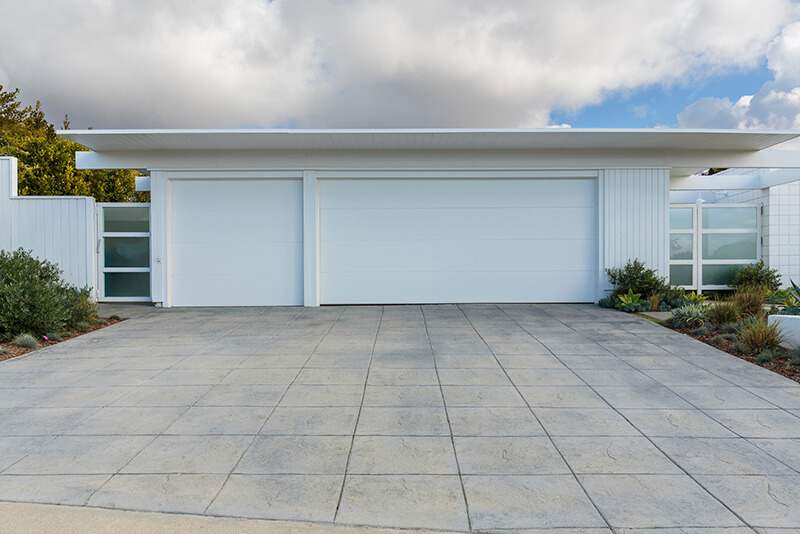
Concrete is a durable material but needs maintenance every few years. Use this concrete resurfacing cost guide to get an idea of ongoing maintenance costs.
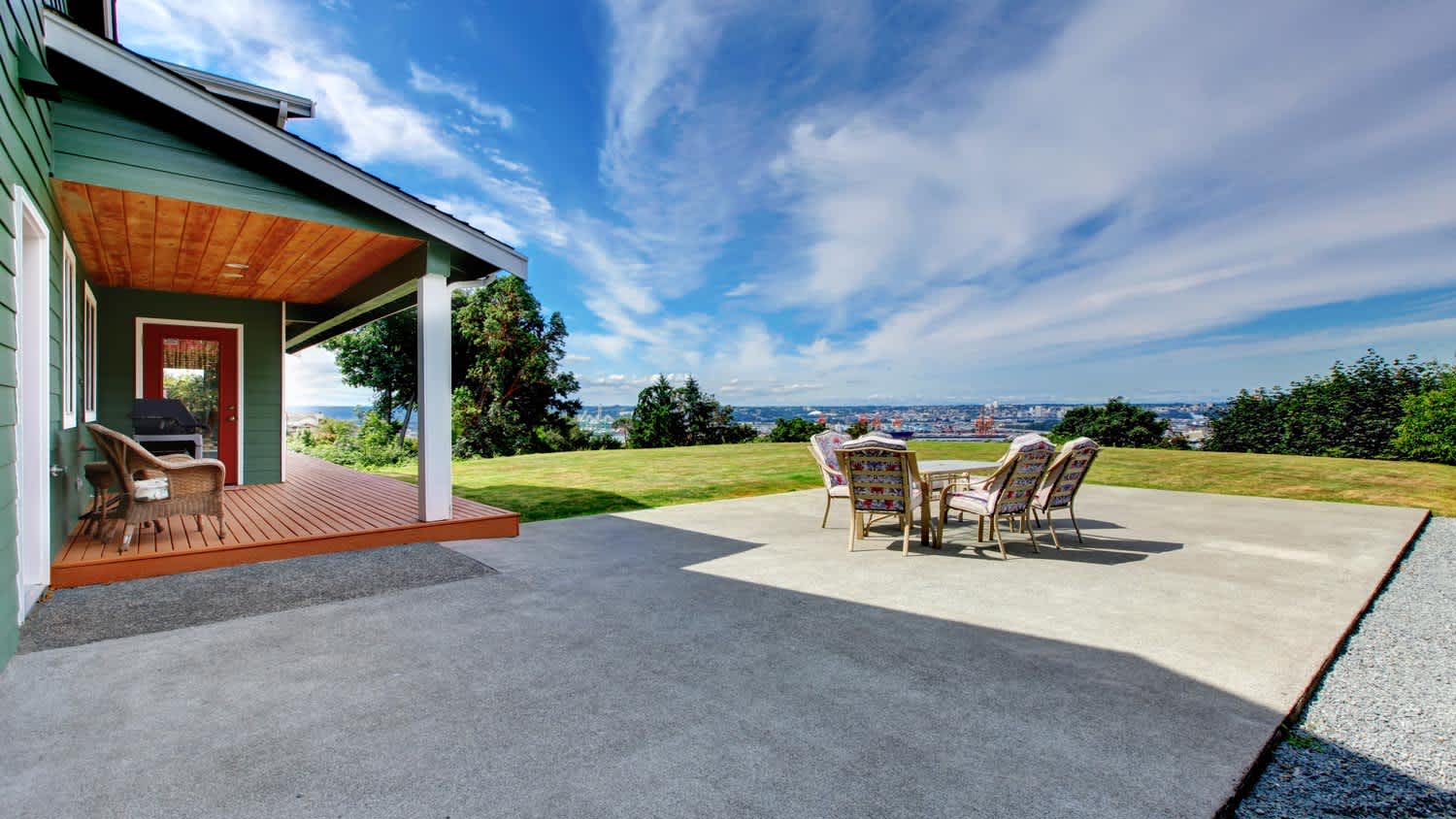
When cracks, scaling, and crumbing are plaguing your slab, get to know the most common concrete problems and what to do about them.

If you have white staining on brick, it may be time to learn how to remove efflorescence from brick gently and safely without harsh ingredients.

Your home’s foundation, including the basement, quite literally holds up the rest of the house. Learn 20 basement and foundation terms every homeowner should know (or at least bookmark, so they’re here when you need them!).
This article covers everything you need to know about water damaged concrete, including causes, DIY fixes, repair costs, when to replace it fully, and maintenance tips.