
When cracks, scaling, and crumbing are plaguing your slab, get to know the most common concrete problems and what to do about them.
It's not uncommon for concrete to crack under pressure

Concrete shrinkage cracks form when the top layer of your concrete dries faster than the bottom, creating uneven tension that causes surface cracking.
Too much water in your concrete mix leads to higher evaporation rates and more shrinkage cracks as the slab cures and dries.
You can repair shrinkage cracks with epoxy or concrete crack filler, resurfacing kits, or a finishing sealant to restore your driveway's appearance.
Hiring a local concrete company provides professional guidance on preventing future cracks and completing repairs that keep your concrete looking its best.
Even the most experienced contractor ends up with cracks in freshly poured concrete. But what exactly are concrete shrinkage cracks, and why are they so hard to avoid? Fortunately, while ugly, these naturally occurring cracks do not affect the structural integrity of the slab. That being said, it's good to know how to avoid concrete shrinkage cracks to keep your driveway looking its best.
Concrete shrinkage cracks are non-structural cracks that form during the concrete drying process. Concrete is a mixture of water, cement, and various aggregates for strength and appearance. As concrete dries, the water in the top layer of the slab will naturally evaporate more quickly than the bottom half because it’s exposed to sun and air.
During this process, the concrete naturally shrinks as it loses moisture, but not at the same rate throughout the slab. The imbalance causes what is known as tensile stress—or the force on an object when something is stretched. The stress on the top of the slab is greater than the stress at the bottom, causing the concrete to crack.
Your local concrete company may take several precautions to keep shrinkage cracks from forming. They might delicately time out the installation with the weather, place wind blockers around your concrete on windy days, or add expansion joints to encourage cracks in one concentrated spot.
It's important to note that shrinkage cracks only occur as the concrete dries. They are quite common and very tricky to avoid. Thankfully, they are not a threat to your concrete's strength. However, since there are other types of concrete cracks, it's important to know their differences.
Concrete shrinkage cracks are:
Hairline in width
Hard to see from afar
Only sit on the surface of the concrete
Concrete shrinkage cracks are not:
Thicker than 3mm
Higher on one side of the crack
Continuous from one side to the other
Accompanied by breakage

The major cause of concrete shrinkage cracks is the evaporation of water at uneven speeds throughout the mixture. While there isn't much you can do to prevent it, a few factors can exacerbate concrete shrinkage and lead to larger and more widespread cracking. Here are some ways to prevent concrete cracks from shrinkage.
Learning how to mix concrete may be a simple DIY, but it's easy to throw off the balance between water and solids. Too much water in concrete will lead to higher evaporation and more tensile pressure as the mixture sets. While it's best not to cut down water too much—this can lead to consistency problems—be sure to create the ideal mixture for your project needs.
Avoiding concrete shrinkage cracks all comes down to even evaporation. If you choose to pour the concrete on a hot day in an area with direct sun, you could end up with rapid evaporation and more cracks. The ideal temperature to pour concrete is between 50 and 60 degrees Fahrenheit, ideally when the sun is not at its peak.
Remember that both heat and airflow can play a role in concrete shrinkage cracks. Whenever possible, avoid pouring concrete on days with high winds. The quick motion of the air will set the top layer of concrete even faster, leading to more tensile cracks.
Shrinkage cracks are quite small and do not pose a threat to the structure of the slab. That being said, they're not the most attractive addition to a new floor or driveway. Repairing concrete cracks yourself, particularly small ones such as these, is an easy DIY.
The top concrete slab repair methods include:
Covering the cracks with an epoxy or concrete crack filler and using a putty knife to smooth the surface.
Resurfacing your concrete driveway with a DIY concrete repair kit and power resurfacer.
Applying a finishing sealant to your concrete to hide the cracks.
You can also call a professional to repair concrete cracks if you're concerned about the final appearance of your slab. Not only can they enhance the look of your concrete, but they can also offer tips on how to prevent further damage from occurring in the future.
Positive experience. As previously stated, the replacement/repair could not be completed (no fault of the plumbing tech) b/c misinformation was rec?d by property management maintenance. Thanks to the plumbing tech for your efforts. Appreciate you!
 The Waterworks
Carpet repair done well. Scheduling was easy. Showed up on time.
 BR Flooring Installation
I would recommend this company to anyone! He showed up on time, was friendly, completed a very difficult repair on our dryer vent cover, was responsive, and pricing was extremely fair and competitive. I would have him back to do any of our repairs or cleanings without hesitation!
 U.S.A. Dryer Vent, LLC
Everything from initial contact to completion was absolutely top notch. We contacted the business during off hours to leave a message, and the owner still reached out to feel out the issue within minutes. We were scheduled and repaired within 48 hours. I cannot say enough about the...
 Supreme brick & chimney
Great experience all together. Dog friendly, courteous, great results and honest with recommendations. Will certainly be using Cardinal in the future for any carpet repairs
 Cardinal Carpet Care & Repair
Working with Peter and his crew was a breeze. They were exceptionally polite and did a neat job to repair and seal our driveway. I will definitely talk to them first for additional work.
 Central Paving
Description says they handle window repair including rotten hardwood - they called me back right away but didnâ t leave a voicemail. I followed up 3 days later and they said they donâ t do that kind of work.
 Window-Gurus
They did an excellent job with the repair, took care of all communication with the insurance company and had car rental service also with a very reliable, quality care
 Three C Body Shop
We recently had our office sidewalk repaired and CT Concrete did an "Outstanding" job. They were quick, friendly and the job is "flawless". I would highly recommend CT Concrete for any of your concrete/sidewalk needs.
Mr. Bunting repaired one broken brace (the "sticks" that connect the legs of a chair to make it stronger), and replaced another on two high end antique replica Windsor chairs I own. The one that was replaced required him to turn a new brace on a lathe to be the same as the missing brace would...
From average costs to expert advice, get all the answers you need to get your job done.
When cracks, scaling, and crumbing are plaguing your slab, get to know the most common concrete problems and what to do about them.
Hairline cracks in your driveway, walkway, slab, or garage floor are common, but not ideal. Learn what to do about new concrete cracking.
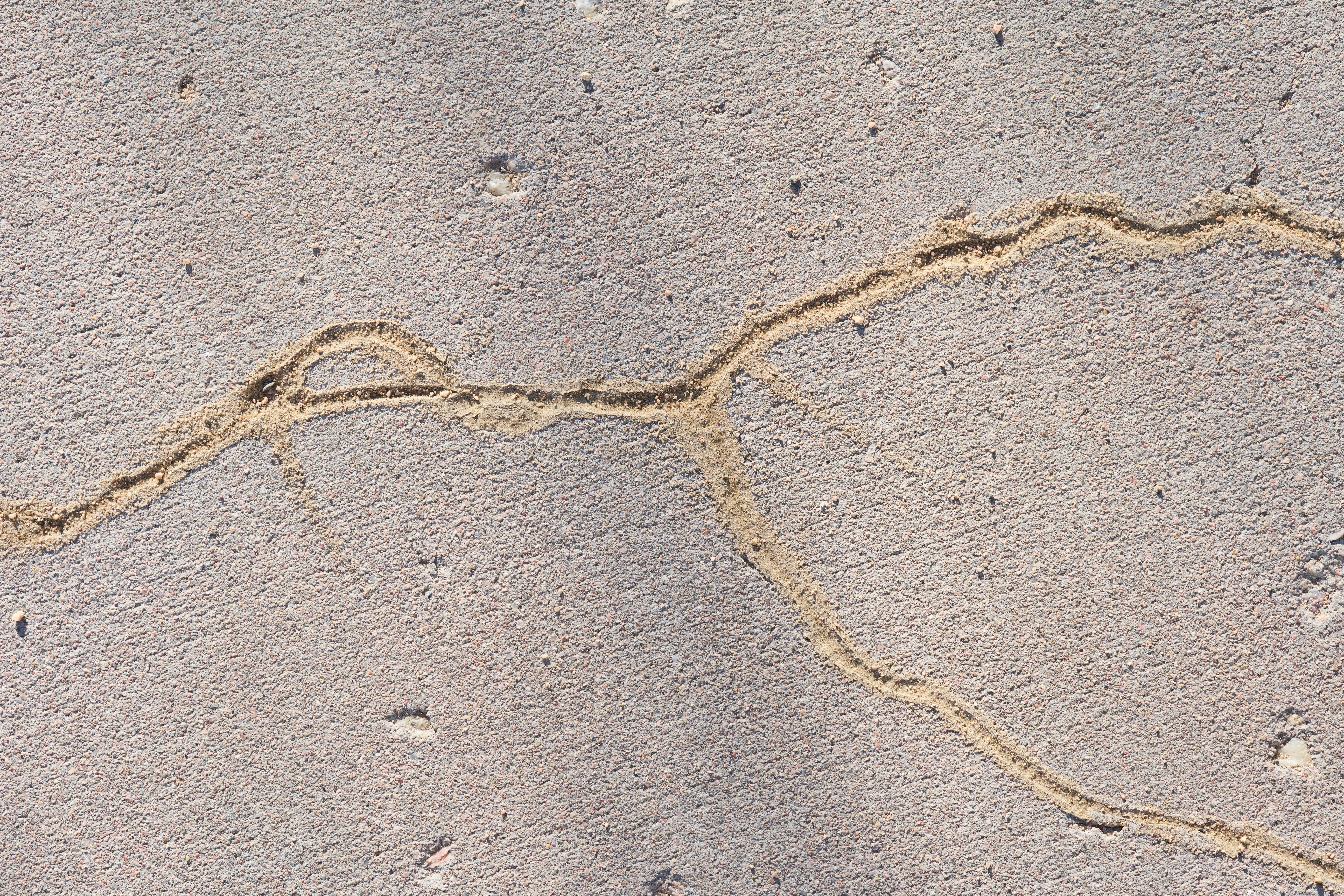
It’s important to know when concrete’s structural integrity is at risk. Learn more about the types of cracks in concrete so you know what to look out for.
Wondering how to prevent concrete from cracking? We’ve got 7 helpful tips to keep top of mind when pouring a concrete driveway or floor.
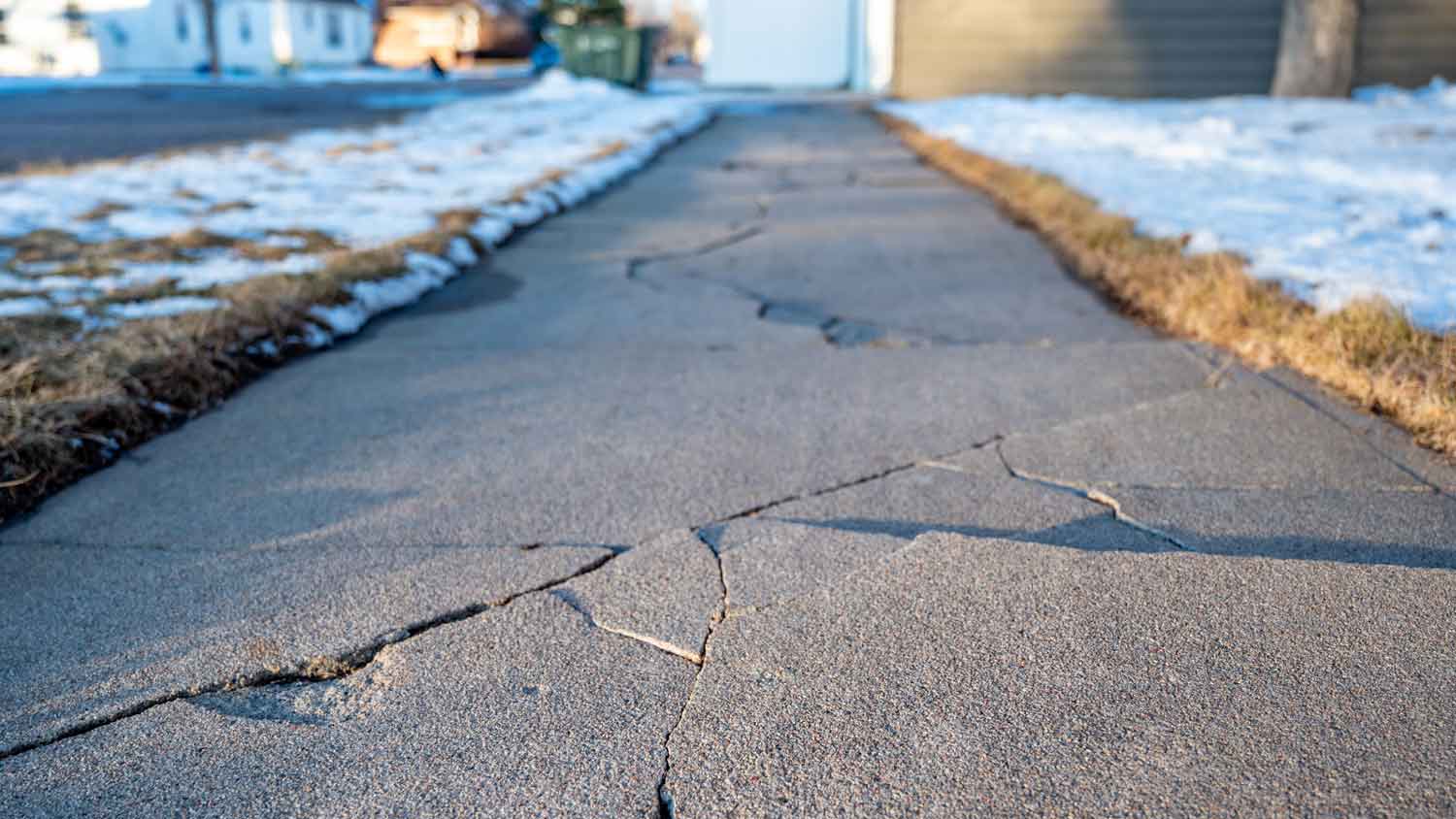
Learn how to repair those naturally occuring concrete cracks and restore your concrete driveway, walkway, or other surface.
Concrete slab repair methods vary based on the damage and purpose of the concrete. Learn about the different repair methods and when they’re useful.