
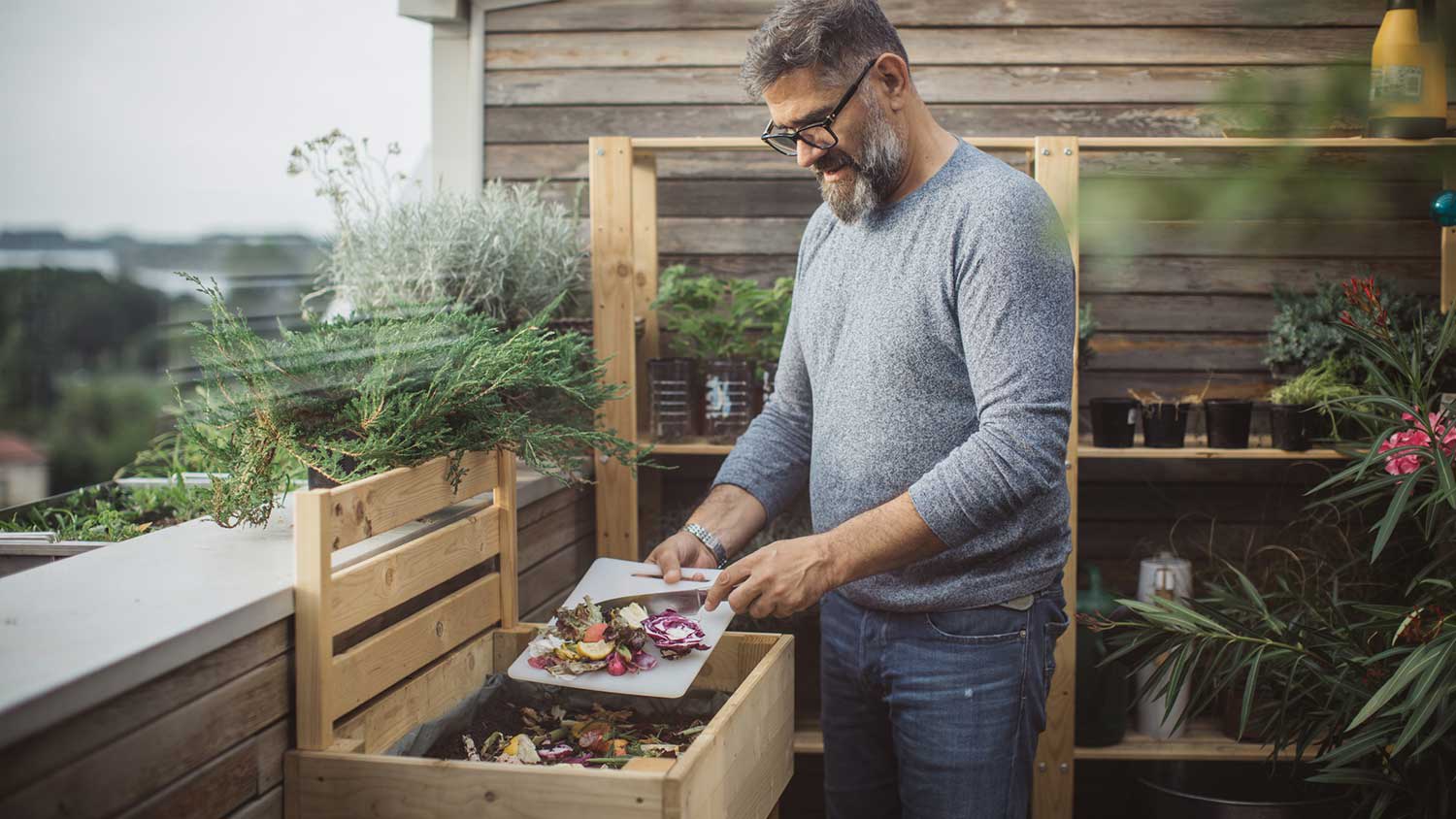
You’d love to make compost for your garden. You just don’t know how to DIY this homemade fertilizer. Read on for step-by-step instructions.
Get your shovel ready because it’s time to dig into the perks of composting

Composting transforms your food scraps and yard waste into nutrient-rich soil that supports healthy plant growth and feeds beneficial microorganisms in your garden.
Composting absorbs water more effectively than compacted soil, helping your plants stay hydrated during dry spells while reducing the need for frequent watering.
You can reduce landfill waste by composting kitchen scraps like fruit peels, coffee grounds, and eggshells instead of sending them to the dump.
Hiring a local gardening professional provides expert guidance on starting your compost system and integrating nutrient-rich compost into your garden beds for healthier plants.
Soil is everything when it comes to the plants growing in your garden, and composting is one way you can provide nutrient-rich food to your hungry garden beds. But the benefits of composting don’t just stop in the garden. Compost positively impacts the environment, the economy, and society, too. So the next time you’re in the garden pulling away at weeds to make room for your latest plants, consider these 13 ways compost makes the world a better place.
Compost is manure made from the decomposition of organic materials. Microbes break down the contents of compost and turn the materials into a soil-enhancing mixture that nourishes plants, animals, and microorganisms. One type of composting, called vermicomposting, uses earthworms and microbes to speed up the decomposition process.
A few common types of organic waste for compost include:
Fruits
Vegetables
Coffee grounds
Eggshells
Grains
Select paper products
Yard clippings
When planting with compost, it’s often sprinkled on top of or mixed in with soil. Sometimes, various types of mulch are placed on top to protect the plants from sun exposure, water runoff and evaporation, and cold weather.
Composting offers many benefits to the environment. Below are a few ways compost helps promote a good environment. 1. Decreases Waste
All those banana peels and coffee grounds are wasted when left in airtight trash bags in a dump site. By composting these and other common household foods, you can reduce the amount of waste that goes to sites, lower your plastic trash bag usage, and put those scraps to good use in your garden.
While climate zones where water is limited will benefit the most from this perk, water conservation helps maintain water levels in places that might not seem like they’re short on water. Composting offers a simple and organic way to conserve water. Since compost soaks up water more effectively than compacted soil or dense clay, it slowly distributes that water to nearby plants. In a way, composting is a water-bringer, delivering precious hydration to plants on hot or dry days.
On a similar note, it takes a lot of energy and gas to transport heavy, organic waste to dump sites. Reduce the number of waste materials entering the landfill by placing them in your compost bin to help conserve energy.
Once the waste composts, it starts to release nutrients and minerals like nitrogen, phosphorus, potassium, sulfur, calcium, zinc, magnesium, carbon, and iodine—to name a few. Additionally, compost helps regulate the pH level of your soil, retain moisture, and provide diversity to the soil it would otherwise lack without the friendly help of your kitchen scraps.
All those added nutrients encourage microorganisms, worms, fungi, and more to grow, where they decompose and release additional nutrients into the soil. These nutrients help feed the plants in your yard, which produces even more nutrients that feed the microbes.
This cycle repeats and enriches the soil, plants, microorganisms, and other life-forms that depend on high-quality soil to thrive.
Flood zones and erosion are major problems in some regions. Compost helps combat these issues in a few ways. For one, compost helps promote plant growth. Plant roots stabilize soil, preventing loose particles from washing away in the rain. Compost also absorbs water, increases drainage, and is resistant to turf diseases that can deteriorate turf grasses and lead to poor water filtration.
Think of compost as a giant, spongy filter that catches little particles and strains water through the ground. Since compost filters water and prevents runoff, it helps filter out pollutants like hard metal waste from entering water sources like oceans, lakes, and rivers, too.

The benefits of composting don’t stop at the environmental level. Composting helps promote a healthy economy in a handful of ways.
Again, composting lowers the need for waste transportation, helping to conserve energy. At the same time, this decrease in waste helps lower landfill costs. To be blunt, trash is downright expensive. The U.S. Environmental Protection Agency (EPA) states that global waste is expected to grow from $205 billion per year in 2010 to $375 billion annually by 2025. Composting can help decrease those costs, allowing the government to spend money on other programs.
A 2018 Wasted Food Report from the EPA’s Office of Resource Conservation and Recovery shows that 4% of food waste is composted compared to 56% that ends up in a landfill. That’s a lot of food going to the dumps! On top of that, the average residential home generates around 340 pounds of food waste per year.
Retail and consumer stats paint an even worse picture when it comes to where our food goes: the U.S. Department of Agriculture estimates that 30% to 40% of food in the food supply is wasted per year. Composting is a cash cow that can turn that waste into a resource that helps generate more food through enriched soil.
This may come as a surprise, but a recent report from GAIA, an organization dedicated to environmental justice, suggests that composting yields more than three times the number of jobs as traditional landfill or incineration ones. Meanwhile, waste management strategies create more than 200 times the number of jobs as landfills and incinerators.
With improved soil quality comes tastier fresh produce. Composting food waste rather than tossing it in a bin never to be seen again will ultimately give farmers and small-scale gardeners healthier fruits and veggies. Grazing animals will also consume more nutrient-rich grass and other plants if compost is added to the soil, increasing the health of free-range chickens, cows, pigs, and other animals.
According to the EPA, compost also has a knack for suppressing diseases, helping to decrease the need for pesticides and inorganic fertilizers. Just like how compost helps prevent pathogens that cause disease in plants, it also helps destroy pathogens found in poultry.
On top of all the environmental and economic pros to composting, making the move to compost offers many social benefits that enrich communities. Here are a few key ways composting benefits the community.
From universities to elementary schools to community gardens, all it takes is just one person or organization to start a change within the community. Starting a composting project at the local level can encourage entire cities to get on board with sustainable choices that better the environment, the economy, and society.
Parks, garden beds, and landscaping all benefit from compost, helping to make communities more vibrant and beautiful. Not to mention, according to the EPA, all the extra plants boost oxygen levels and reduce heat islands in urban locations, which help offset peak summer temperatures.
By increasing composting locally, this momentum can help encourage other environmentally friendly practices like recycling initiatives, attracting local stakeholders, and creating events dedicated to making cities more green-friendly.
D1 Roofing delivers outstanding service from beginning to end, backed by a strong warranty and expert teams. I highly recommend them for their excellence in meeting and surpassing expectations with unmatched communication. Choosing D1 Roofing was flawless decision
 Division 1 Roofing LLC
We had our houses windows and back door replace this summer by Window Depot USA of Central. He gave us grate advise and saved my family lots money. The team did a fantastic job with installation. If you need help, they sure get job done right!
 Window Depot USA of Central Ohio
Wonderful. I am going to have them remove and replace my driveway in the spring.
 All Star Paving and Sealing
We were having 2”x 2” tile installed . There was a small installation error and the new additional replacement tile was from a different lot and the colors didn’t match. Joe assured us that he would rectify everything , which he did without hesitation. We decided to go with the 18” x 36” tile...
 CarifaTile
We had a 20+ year old landscape lighting system that needed replacement. Midwest Lightscapes worked with us to design a much improved lighting system, lighting the exterior of the house and the back yard. Installation of the 45 light system took one and one-half days, and went very smoothly....
 Midwest Lightscapes
Did an amazing job transforming my yard. Also installed sod in places, would recommend to everyone.
 Cardinal Landscaping & Construction LLC
They show up and they did take us on as a client which seems to be a problem with other lawn care providers. We have multiple properties and this one was located close to downtown and no one really wants to mess with it.
The worker came out when he was supposed to come. He informed me he would honor the Angie's List deal, but would not do any more work for me since my son in law owns lawn care company as well, even though they do not do the same type of work. He said he did not feel comfortable giving me...
 Bello Giardino LLC
E & L Lawn Care was super. They were very responsive before and after service. They were efficient and were able to complete the job within 1 day. I have had concern about one section of sod - the owner was pro-active and did a visit to evaluate. I have no doubt they will stand behind...
 E&L lawn care
From average costs to expert advice, get all the answers you need to get your job done.
You’d love to make compost for your garden. You just don’t know how to DIY this homemade fertilizer. Read on for step-by-step instructions.

If you are wondering how to compost yard waste, we share the best methods for homeowners, including helpful tips.
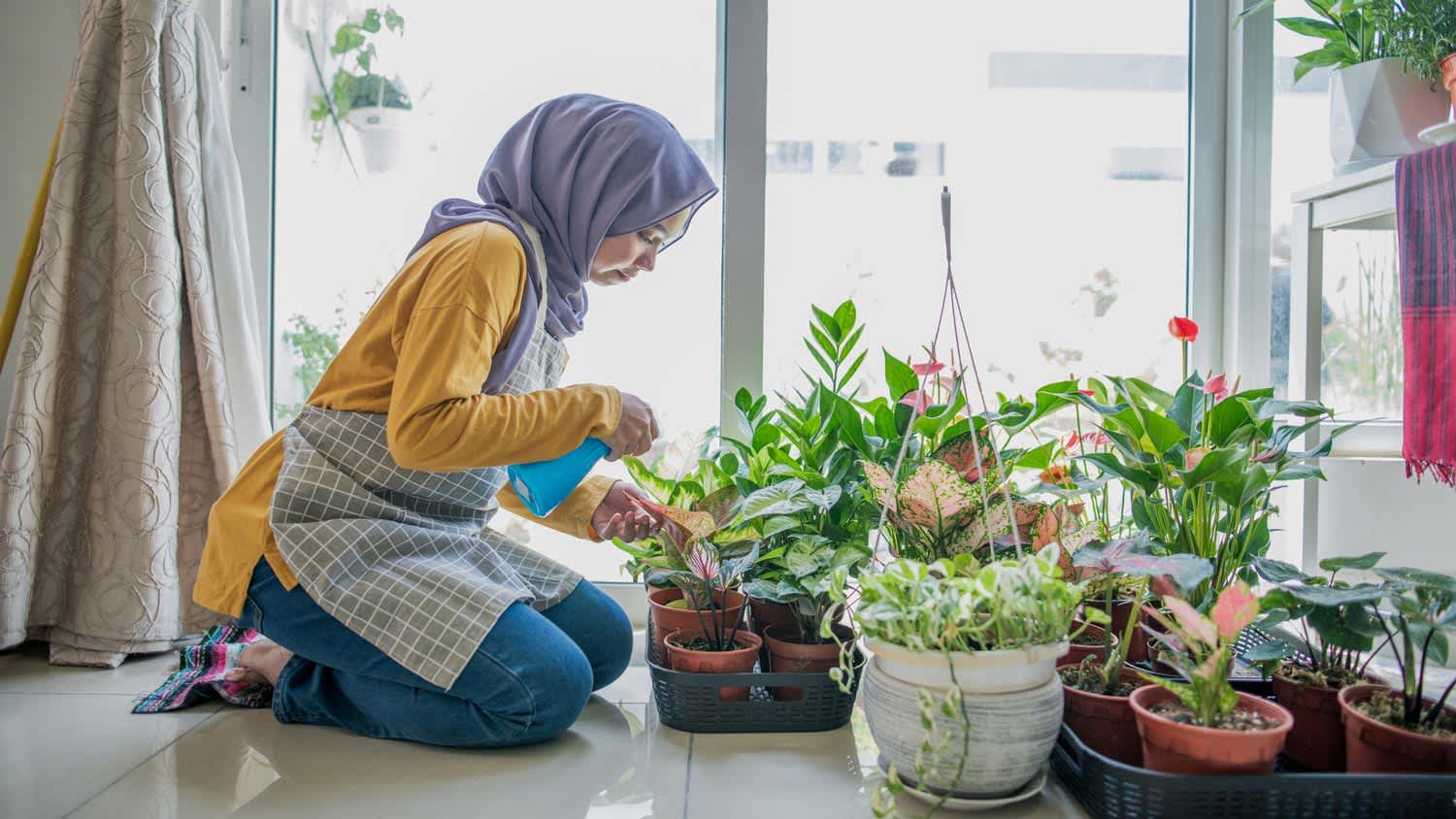
From a bountiful backyard veggie garden to a lush indoor plant room, you can start the container garden of your dreams. Here’s what you need to know.
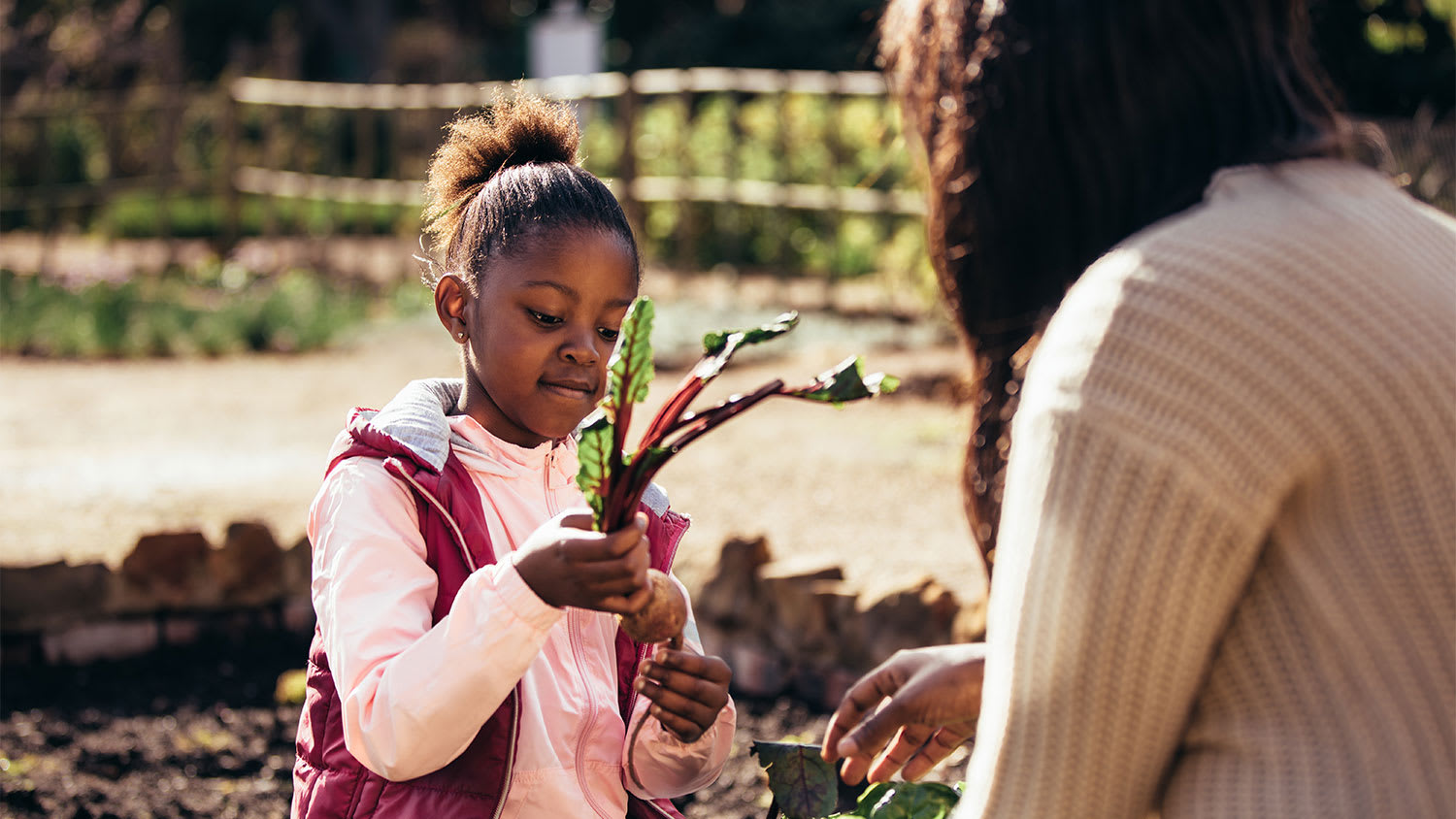
Knowing how to plant a vegetable garden can seem daunting if you weren’t born with a green thumb. Luckily, you just need a little know-how, water, and sunshine.

Hoping to reinvigorate your current garden with a few new blooms, veggies, or trees? We'll take it step by step, from choosing new plants to helping them grow.
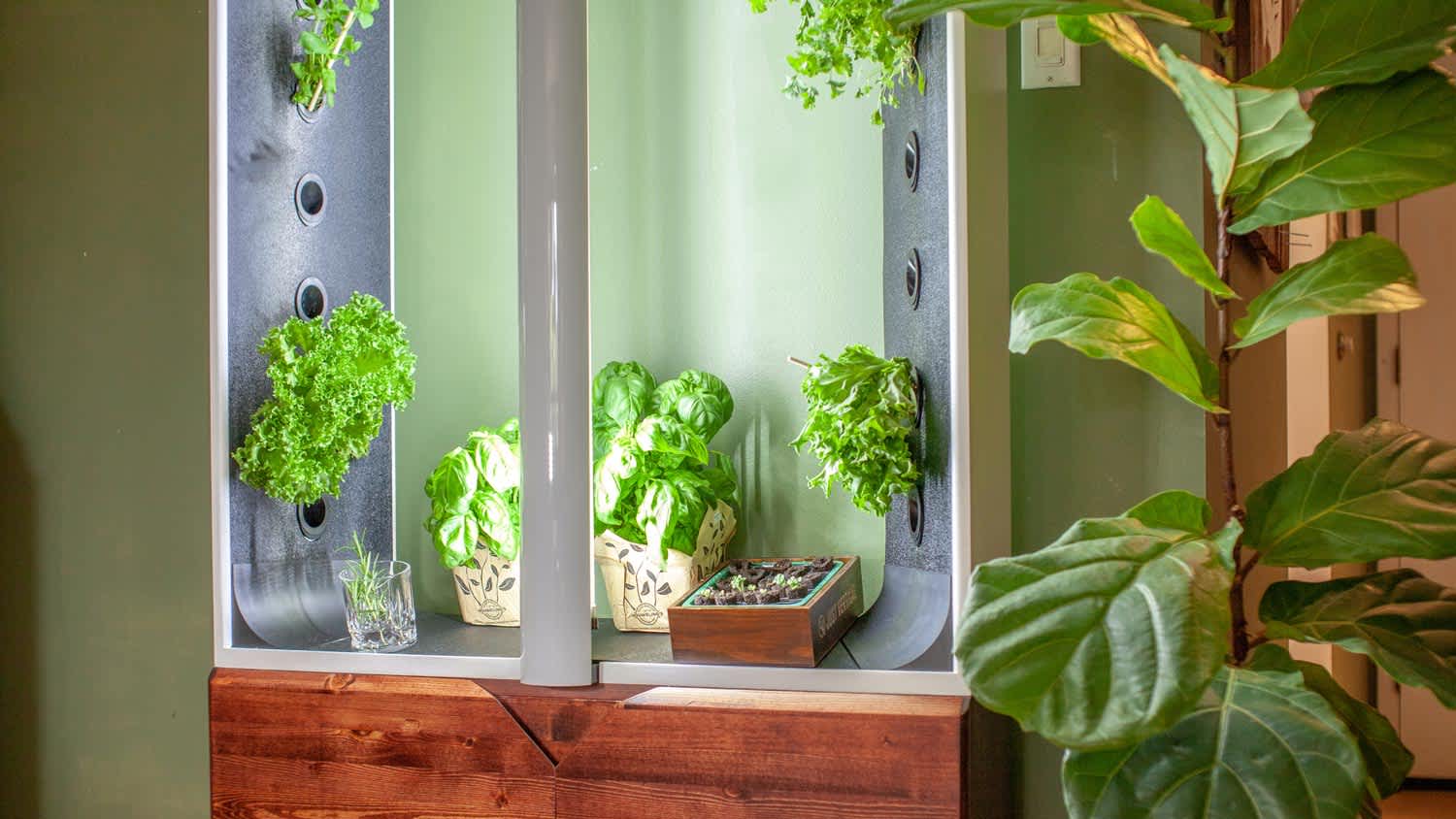
If you don’t have room to grow veggies, look up. These 12 DIY vertical vegetable garden ideas will transform your balcony into a little slice of farmland.