


Your total lawn care cost depends on several factors, including the type of service and lawn size. Our guide will cover what you can expect to pay for lawn care.
Lawn service costs depend on your project and location. Check with a local pro for your specific job.

Professional lawn removal costs between $250 and $10,000, depending on your yard size and project scope.
Your total cost depends on lawn size, site access, and whether you remove sod only or install new sod.
Your budget should include land clearing at $500 to $5,600 per acre, plus slope leveling and disposal.
Hiring a local lawn care professional provides reliable help with heavy equipment and saves you major physical effort.
The average lawn removal cost is $1.50 per square foot. The price for this lawn task can range between $1 per square foot and $3 per square foot based on labor costs, additional land prep, and whether you replace the grass afterward. You can expect to pay $250 and $10,000 to remove between 500 and 5,000 square feet of lawn.
Grass removal alone costs $0.50 per square foot on average, while replacing the lawn with new sod can take costs up to $4 per square foot. To get an accurate estimate for your lawn removal project, consult a lawn care professional near you.

The type of job and yard size will have a major impact on your lawn removal costs, plus any necessary prep or cleanup. Check out the main factors that impact the cost of lawn removal.
Your lawn removal cost depends on how you’ll be finishing the land: Will you leave it as is, plant new grass seeds, or lay a fresh layer of sod? Consider these average costs when planning your budget.
| Job Type | Average Cost per Square Foot |
|---|---|
| Remove sod | $0.50–$2 |
| Remove sod and reseed lawn | $1–$3 |
| Remove sod and lay new sod | $1.50–$4 |
Yard size is the biggest factor that affects your lawn removal cost. Removing only a few hundred square feet is relatively affordable, while prices for a whole acre can be costly. Likewise, adding a new lawn will add significant extra costs.
| Yard Size in Square Feet and Acreage | Average Cost (Sod Removal Only) | Average Cost (Plus Reseeding/Resodding) |
|---|---|---|
| 100 | $50–$200 | $100–$400 |
| 300 | $150–$600 | $300–$1,200 |
| 500 | $250–$1,000 | $500–$2,000 |
| 1,000 | $500–$2,000 | $1,000–$4,000 |
| 5,000 | $2,500–$10,000 | $5,000–$20,000 |
| 1/4 acre | $5,500–$22,000 | $11,000–$43,600 |
| 1/2 acre | $10,900–$43,600 | $21,800–$87,200 |
| 1 acre | $21,800–$87,200 | $43,600–$174,300 |

The labor and equipment to remove a lawn will cost around $0.50 to $2 per square foot. If you’re only removing sod, labor charges will be the only cost for the entire project. However, reseeding or resodding afterwards can add another $0.50 to $2 per square foot to your lawn removal cost.
If you need to do additional land prep beforehand, this task will add to your lawn removal cost. For example, the cost to clear land is $500 to $5,600 per acre, or roughly $0.02 to $0.13 per square foot. If you need to correct a slope, the cost of leveling a yard is $1 to $2 per square foot, or up to $45,000 per acre.
Disposal of the old sod typically costs around $0.25 to $0.50 per square foot. Most landscapers will factor this into your total lawn removal cost, but be sure to confirm with your lawn care team ahead of the service.
Your ongoing expenses following lawn removal will depend on what you do with the land afterward. For instance, if you plant a new lawn, you may want to consider the cost of having your lawn mowed regularly to help keep up with maintenance. On the other hand, if you’re planning a more elaborate landscape design with trees to maintain or hedges to trim, regular landscaping services cost between $1,300 and $2,100 on average.
A landscaping team tackled a major yard clean-up for us, trimming trees, pruning overgrown shrubs, and removing blackberry vines. They also replaced rotten wood framing and added a gravel pad in our backyard. Despite the inclement weather, the crew worked tirelessly to transform our yard into its best state in years. The team was reliable, exhibited a strong work ethic, and offered fair prices—a job well done.
B&B Home Renovation
Seattle, Washington
While you may be able to DIY lawn removal for small areas, it’s best to hire a local lawn care pro for larger spaces. Labor costs will make up the bulk of your total project cost, especially if you aren’t reseeding or installing sod, but it’s worth it to bring in the pros to ensure the job is done right.
Lawn removal can be a big job—here’s why hiring a pro is a good idea:
Pros have the equipment and experienced workers to remove your lawn properly and efficiently.
A pro can clear out all the removed material and yard waste so you aren’t stuck with the cleanup.
Lawn pros will identify and work carefully around buried utility lines.
Professionals can finish the job if your lawn needs grading or other prep after removal.
In some cases, you may be able to DIY parts of this project—here are some things a handy homeowner can do:
Remove sod from a small area
Dig up and relocate any plants you want to keep
Remove or repurpose the yard waste
Reseed the lawn once the old sod has been removed
Install new landscaping after removal

Once you start fresh with a clean plot of land, you may want to prepare it for a new, healthy lawn or build a new structure. Here are a few common add-ons to consider for this project:
Lawn fertilization cost: $0.02–$0.08 per square feet
Lawn aeration cost: $80–$175
New sprinkler system cost: $1,700–$3,600
Mulch costs: $30–$120 per cubic yard
Soil testing costs: $20–$100
New topsoil costs: $12–$55 per cubic yard
Artificial turf costs: $2–$8 per square foot
Cost to build a deck: $30–$60 per square foot
Concrete patio cost: $1,800–$4,900
Lawn removal costs can get expensive, but there are a few ways to save. Follow these cost-saving tips:
Compare quotes from at least three landscaping services to find the best deal.
When choosing between sod versus seed, opt for reseeding your lawn to save money.
Instead of replacing the lawn with another grass lawn, consider low-maintenance lawn alternatives such as xeriscaping or native plants.
Consider removing your own yard waste to save on cleanup costs.
If you're replacing the lawn with a new landscape feature, such as a garden or patio, consider doing the planting or installation yourself to save on labor costs.
Look for a pro who specializes in lawn removal.
Decide if you’re reseeding, installing sod, or changing your landscaping once the lawn is removed so you can budget appropriately.
Let the pro know roughly the size of the area being removed.
Find out a timeline for the project so you can plan accordingly.
Home is the most important place on earth, which is why Angi has helped more than 150 million homeowners transform their houses into homes they adore. To help homeowners with their next project, Angi provides readers with the most accurate cost data and upholds strict editorial standards. We extensively research project costs to develop the pricing data you see, so you can make the best decisions for you and your home. We rely on reputable sources, including the U.S. Bureau of Labor Statistics, academic journals, market studies, and interviews with industry experts—all to ensure our prices reflect real-world projects.
Want to help us improve our cost data? Send us a recent project quote to [email protected]. Quotes and personal information will not be shared publicly.
D1 Roofing delivers outstanding service from beginning to end, backed by a strong warranty and expert teams. I highly recommend them for their excellence in meeting and surpassing expectations with unmatched communication. Choosing D1 Roofing was flawless decision
 Division 1 Roofing LLC
We had our houses windows and back door replace this summer by Window Depot USA of Central. He gave us grate advise and saved my family lots money. The team did a fantastic job with installation. If you need help, they sure get job done right!
 Window Depot USA of Central Ohio
Wonderful. I am going to have them remove and replace my driveway in the spring.
 All Star Paving and Sealing
We were having 2”x 2” tile installed . There was a small installation error and the new additional replacement tile was from a different lot and the colors didn’t match. Joe assured us that he would rectify everything , which he did without hesitation. We decided to go with the 18” x 36” tile...
 CarifaTile
We had a 20+ year old landscape lighting system that needed replacement. Midwest Lightscapes worked with us to design a much improved lighting system, lighting the exterior of the house and the back yard. Installation of the 45 light system took one and one-half days, and went very smoothly....
 Midwest Lightscapes
Did an amazing job transforming my yard. Also installed sod in places, would recommend to everyone.
 Cardinal Landscaping & Construction LLC
They show up and they did take us on as a client which seems to be a problem with other lawn care providers. We have multiple properties and this one was located close to downtown and no one really wants to mess with it.
The worker came out when he was supposed to come. He informed me he would honor the Angie's List deal, but would not do any more work for me since my son in law owns lawn care company as well, even though they do not do the same type of work. He said he did not feel comfortable giving me...
 Bello Giardino LLC
E & L Lawn Care was super. They were very responsive before and after service. They were efficient and were able to complete the job within 1 day. I have had concern about one section of sod - the owner was pro-active and did a visit to evaluate. I have no doubt they will stand behind...
 E&L lawn care
From average costs to expert advice, get all the answers you need to get your job done.
Your total lawn care cost depends on several factors, including the type of service and lawn size. Our guide will cover what you can expect to pay for lawn care.
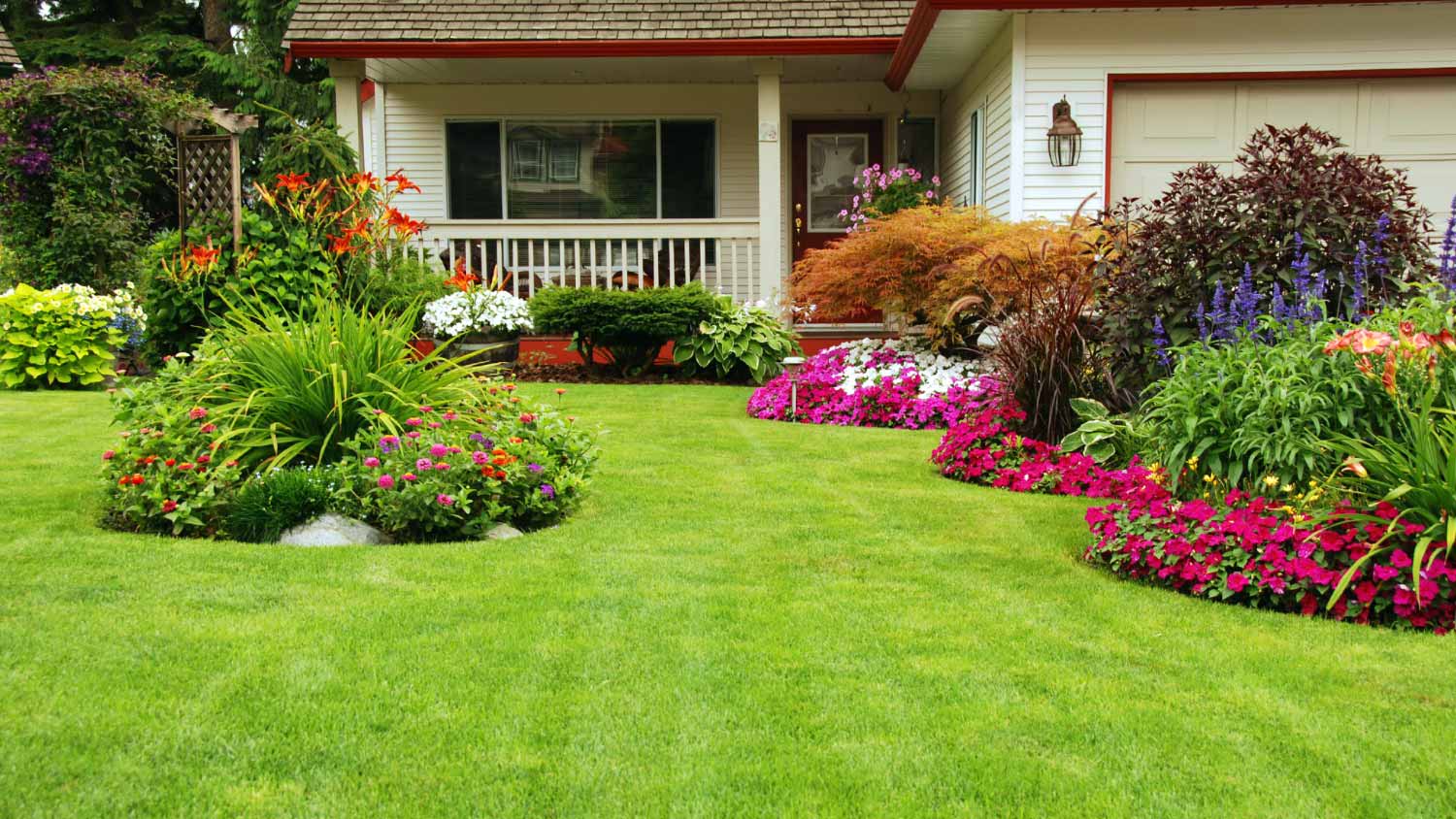
The cost to renovate your lawn depends on the extent of the damage. Our guide will show you how much lawn renovation costs.
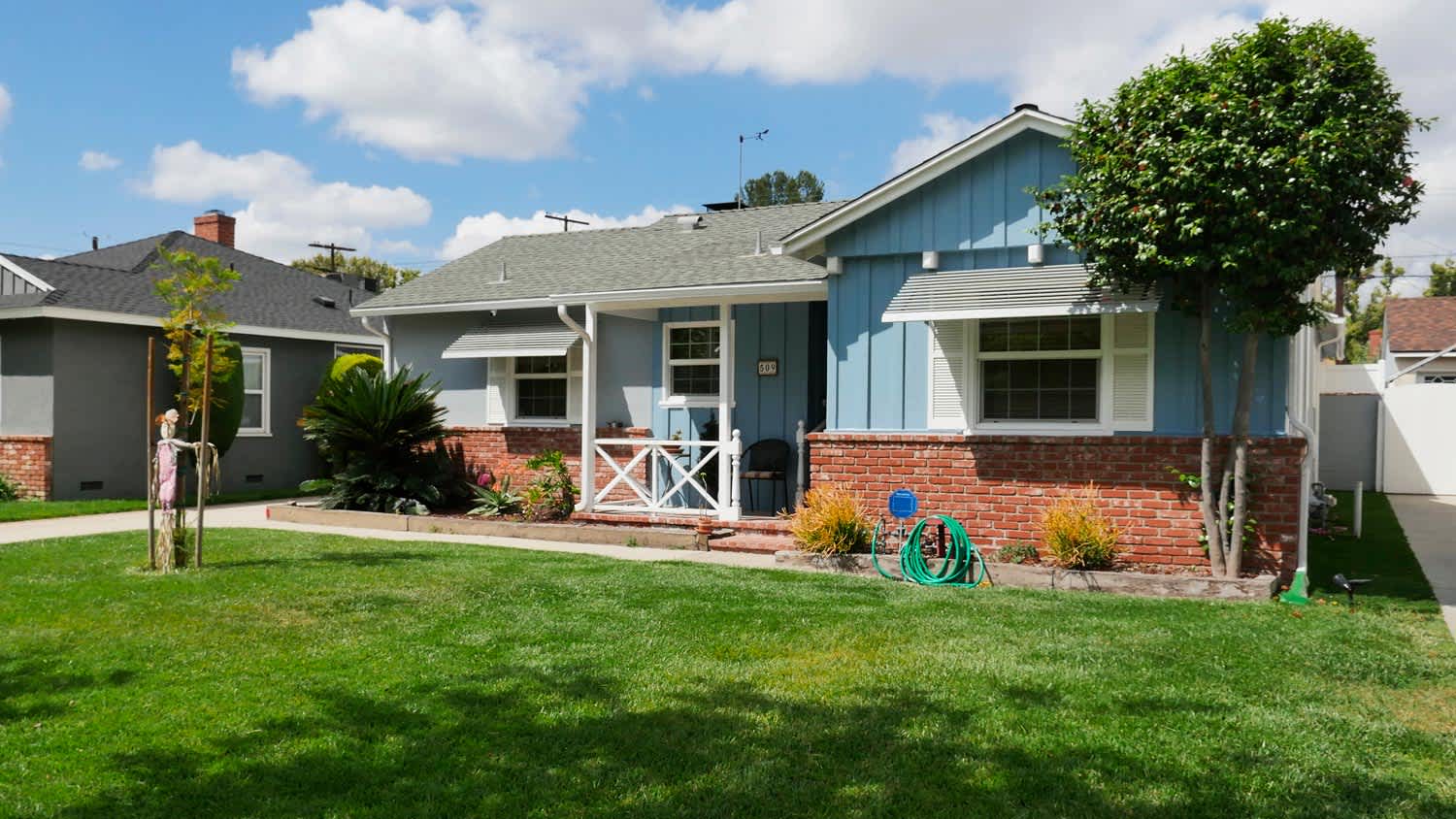
The cost to reseed a lawn can vary depending on the size of your yard and the condition of the soil. We’ll help you figure out the true cost of reseeding or overseeding your lawn, along with whether or not you should hire a professional.
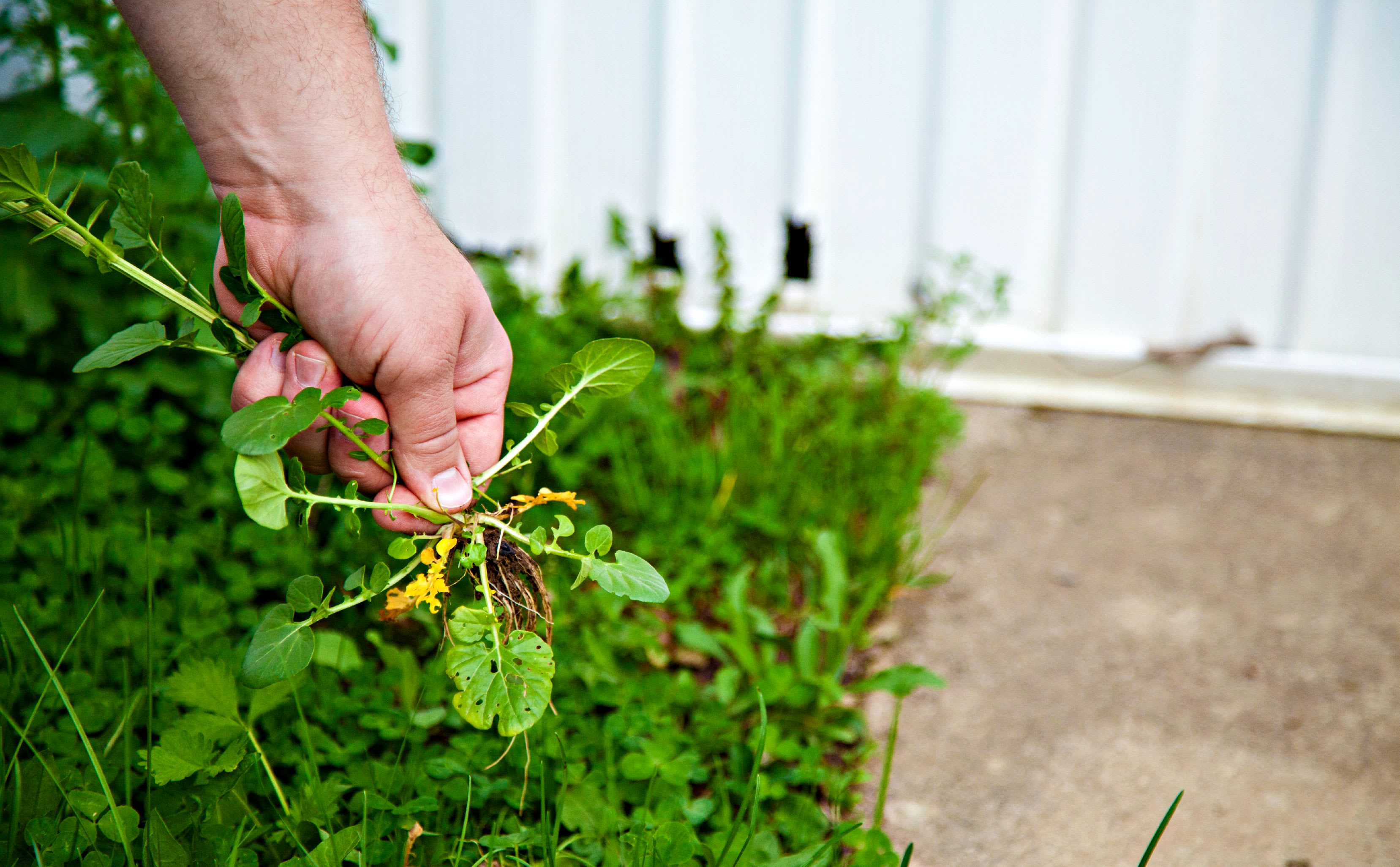
Learn how to find and hire qualified weed removal services for your lawn. Get expert tips on questions to ask, credentials to check, and more.
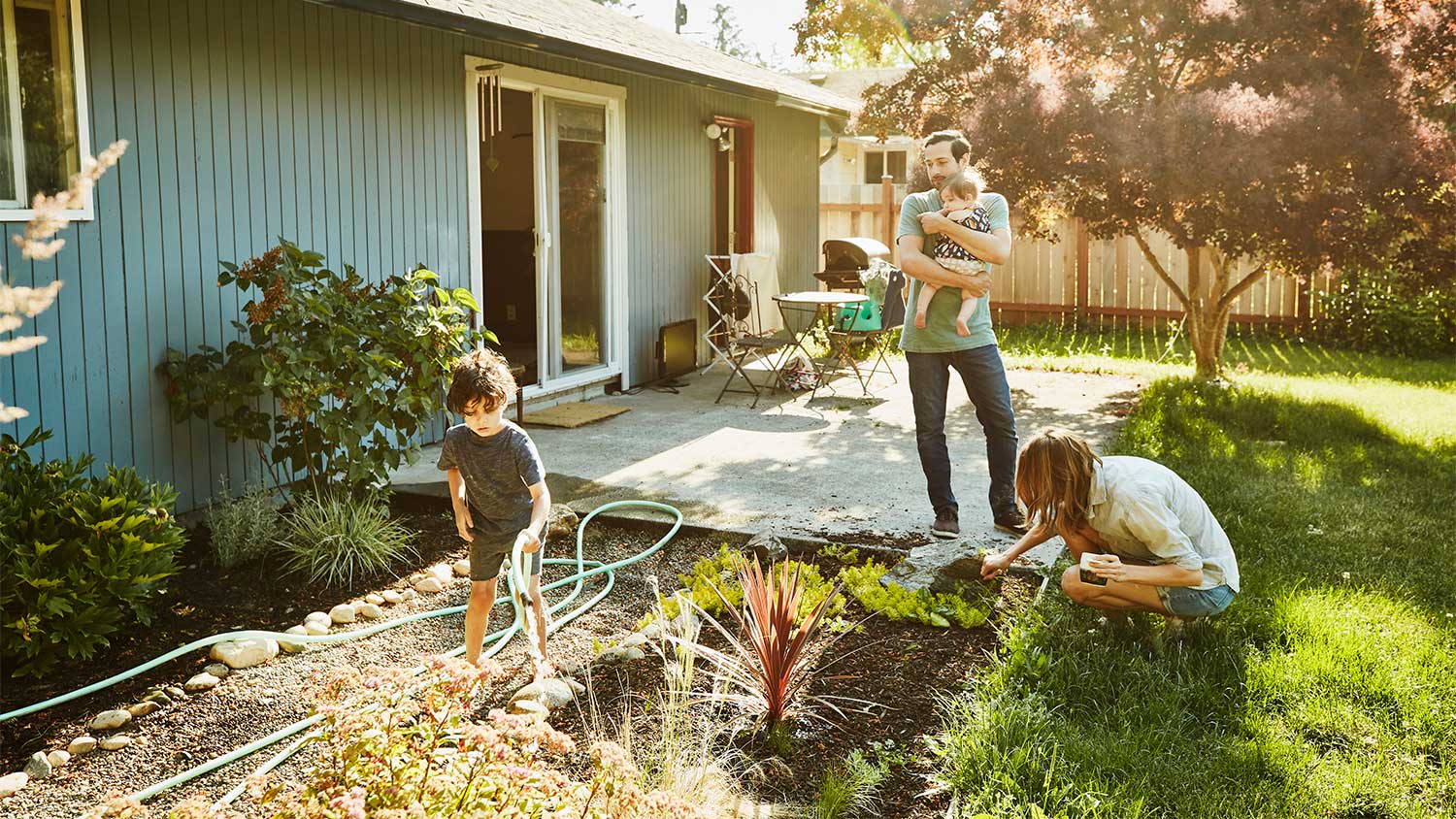
Whether you're opting for a lawn alternative or looking to rejuvenate your turf, check out these five options to remove grass from your lawn.
Are you wondering, “Who can I hire to aerate my lawn?” Learn how to find and hire a local lawn service to get the job done and make your yard look healthy.