
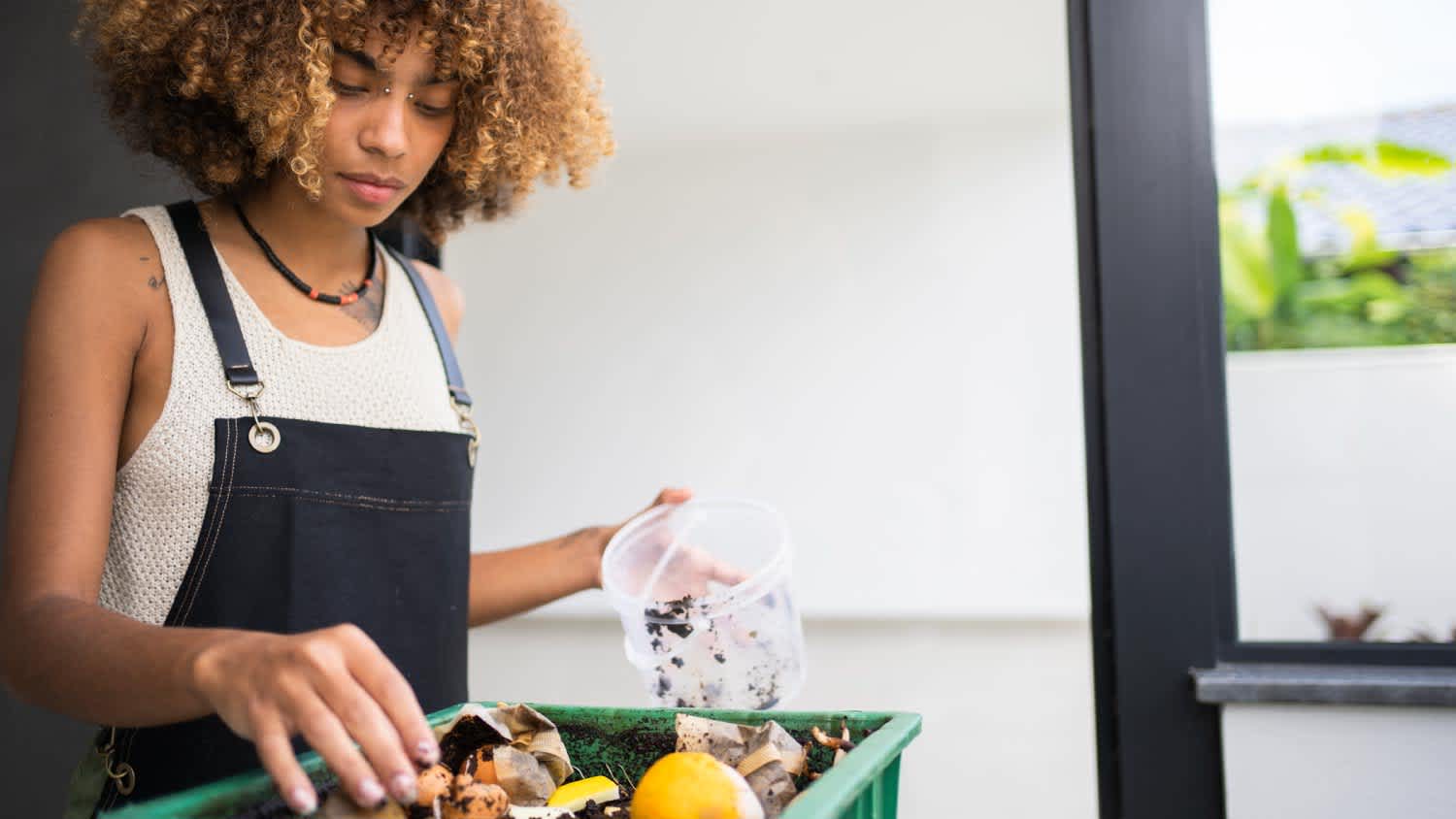
Vermicomposting fortifies the soil to nourish plants and microbes, but that’s not all. Here’s everything you need to know about worm composting.
Fermentation isn’t just for your kombucha or that jar of pickles

Bokashi composting benefits your garden by fermenting food waste in about 10 days, using special bran with microbes to speed up composting.
Your Bokashi setup accepts meat, dairy, and bones that traditional compost piles can't handle, making kitchen waste management easier and more flexible.
You complete the composting process by burying fermented Bokashi scraps in soil or adding them to your regular compost pile for nutrient-rich results.
Hiring a local gardening professional helps you integrate Bokashi into your garden plan and finish the composting process correctly for healthy soil.
For most garden fanatics, composting is akin to gold, providing the soil with rich nutrients that make for extra vibrant and tasty plants. But what if there was a lesser-known composting method that could actually speed up the composting process? Introducing bokashi composting, the 10ish-day composting method.
Bokashi is Japanese for “fermented organic matter.” This matter is a pre-composting method that ferments food waste in an airtight container to speed up the composting process.
Users sprinkle in Bokashi bran between each layer of food waste and scraps, which, unlike your Bran Flakes cereal, is a mixture of wheat or rice bran, water, molasses, or some other type of sugar, and the inoculation of essential microbes (EMs). These EMs multiply very fast as they break down the sugars and food scraps. The result? An anaerobic environment that is prime for the compost pile.
Bokashi differs from traditional composting in several ways. The biggest difference is that a compost pile breaks down matter with the help of oxygen-respiring aerobic bacteria. Much like an aerobic workout, these aerobic bacteria need oxygen to survive.
Bokashi, on the other hand, doesn’t actually decompose the waste. Instead, it ferments the waste and preserves scraps in a semi-decomposed state for turning into mature compost later.
Though Bokashi is not an ultimate solution to faster composting, combined with traditional or vermicomposting using worms, the Bokashi method can provide a powerful means for faster, high-quality compost.
On the surface, Bokashi may look like it complicates the composting process. You are, after all, adding in additional steps to conventional composting; however, it can actually be simpler and more flexible than traditional composting.
But there’s more to it than just that. Here are the pros to using Bokashi:
Regular composting often has a steep learning curve because of variables ranging from pests to climate. Humidity, for example, influences the materials and maintenance that a compost pile needs and what nutrients the soil needs from the compost.
A failed first attempt at composting can feel especially deflating, given that months of work may go into it. Some homeowners find Bokashi easier to master because it’s typically done in small batches that are ready faster than a large pile, making it more of a practice-as-you-go than a wait-and-see process.
When making traditional compost, the faster you want mature compost, the more you have to aerate the pile (i.e., turn it with a shovel or pitchfork) so that oxygen reaches the aerobic bacteria. You must also maintain a healthy carbon-nitrogen balance by mixing the right amount of brown and green materials. All of this can be a pain if you rely mostly or entirely on kitchen waste, which isn’t exactly consistent.
With Bokashi, proportions don’t matter as much. Likewise, it doesn’t matter if you toss in cooked or raw foods. Even meat, dairy, and bones can go in, whereas you generally avoid these items with traditional composting.
Less labor is involved, too. One of the most demanding parts of maintaining Bokashi compost is rinsing out the bucket before starting a new batch.
Bokashi is perfect for a countertop, in the pantry, or next to the garbage bin, thanks to compact systems such as the Bokashi Bucket, which blends in with your countertop items—just don’t forget it’s not a cookie jar!
Once you become more experienced, you can scale for greater output. Some experienced Bokashi users cycle two buckets at a time or expand to larger storage drums and 50-gallon industrial trash bags to haul all of the fermented matter.
While every rose has its thorns, Bokashi has very few. Regardless, here are the cons to Bokashi:
Bokashi requires an additional step to the composting process. Since it’s not technically compost, you have to add the fermented matter to a traditional compost bin, vermicompost bin, or to trenches in the soil that don’t directly reach your plants, which can’t handle the acidity.
Bokashi requires special equipment and materials. You need an air-tight, drainable container to drain when liquids get too great. You also need to purchase Bokashi bran.
Bokashi is a rewarding method that you can DIY with the right materials. Here’s how you can make Bokashi in your home.
Gather the materials. You’ll need a Bokashi bucket that has a tight-fitting lid and a spigot on the bottom for draining liquids. You’ll also need Bokashi bran, which you can buy online or make with molasses, water, and EM microbes.
Fill the bucket with scraps. Over a week, toss in food scraps. Every time you add a layer, sprinkle on some bran—about one tablespoon of bran for each cup of food scraps—then, squash the scraps down into the bucket (trapped air inhibits anaerobic activity) and put the lid back on.
Let the bucket sit. Once your bokashi bin or bucket is full, put it in a dark, cool, out-of-the-way spot with the lid sealed. Let the bucket sit for at least a week but ideally for two weeks.
Drain the liquid. Every one to two days, drain off the liquid, or leachate. Dilute it with water to make a potent tea for your plants. Never apply it undiluted, though. If you’re short on time, just pour it down the sink.
Finish the compost. After one to two weeks, the scraps are ready for finishing into mature compost.

Before you toss fermented Bokashi onto your plants, you need to complete the composting process. Here’s a look at a few common methods for using Bokashi for composting and in the garden:
Bury it. Dig a hole or trench about a foot deep, put in the bokashi scraps, and cover with three or four inches of dirt. Let it sit for at least two weeks.
Make a soil factory. A soil factory contains the burying in a large bucket or plastic bin, making it ideal for small garden spaces. Use living, active soil instead of sterile potting soil, or the scraps won’t break down.
Add to regular compost. You can speed up traditional composting with Bokashi, but avoid using too much meat and dairy and pay attention to the carbon-nitrogen balance.
Feed it to worms. Bokashi pre-compost can also enhance vermicomposting. Rinse the pre-compost before letting the worms snack on it, though. Then, add it in slowly so as not to shock the worms.
Custom Paint Jobs LLC made our home feel like a piece of art. Thank you for your creativity!
 Custom Paint Jobs, LLC
Window Depot did an amazing job on my deck. I wasnt sure what I wanted to do, but their composite decking was affordable and will last a long time. I am excited to have family over, and I am no longer embarrassed by my backyard. Jeff and the ground crew were polite, respectful, and caring for...
 Window Depot USA of Central Ohio
First of all, the gentleman I dealt with (Cam?) was very responsive to my many questions and concerns throughout the project, which is a huge plus to me. From the first time I met him for the estimate all the way til the completion of the job, he and his crew were professional and respectful....
 All Star Paving and Sealing
We had a 20+ year old landscape lighting system that needed replacement. Midwest Lightscapes worked with us to design a much improved lighting system, lighting the exterior of the house and the back yard. Installation of the 45 light system took one and one-half days, and went very smoothly....
 Midwest Lightscapes
Another great success for me on home advisor. This company did an awesome job on my landscaping and stayed within my budget. The best part, the work was complete within 2 days of my initial request. Professional and responsive. I highly recommend!
 Blue Ring Residential Services, LLC
The company no showed on me twice. The 2nd time was no call no show. They were responsive to set up the first appointment to perform the "landscape cleanup". 3 hours after their initial scheduled appointment time they called me to let me know they had some "problem" with the truck and their...
 Ruby Home and Hauling Services
Received ideas for future landscape plans...quote to do the work seemed a bit high but I did not have any other quotes to compare it to, so perhaps that is the going rates. <br />
 Landscapes By Terra, Inc
All around they have done a really great job. <br /> I have used JL Landscapes for the past 8 years. I own and operate my own commercial/residential real estate company where we own, operate, and maintain our own properties. JL Landscapes has been our exclusive landscaper for both our...
 J.L. Landscapes
Bought a half a cord of firewood from Pitzer with stacking last month. I waited to report so I could see how the wood burned. <br /> <br /> I have three pet peeves regarding landscapers, but Pitzer scored "A"s regarding all three. First, rather than having customers "leave a message" and...
 Pitzer Landscaping
I left a message on Sunday requesting to schedule a time to obtain an estimate/walk-through and received a return call in the morning of the following Monday. Mark worked with me and agreed to schedule the estimate/walk-through for the following Saturday. When Mark arrived for the...
From average costs to expert advice, get all the answers you need to get your job done.
Vermicomposting fortifies the soil to nourish plants and microbes, but that’s not all. Here’s everything you need to know about worm composting.
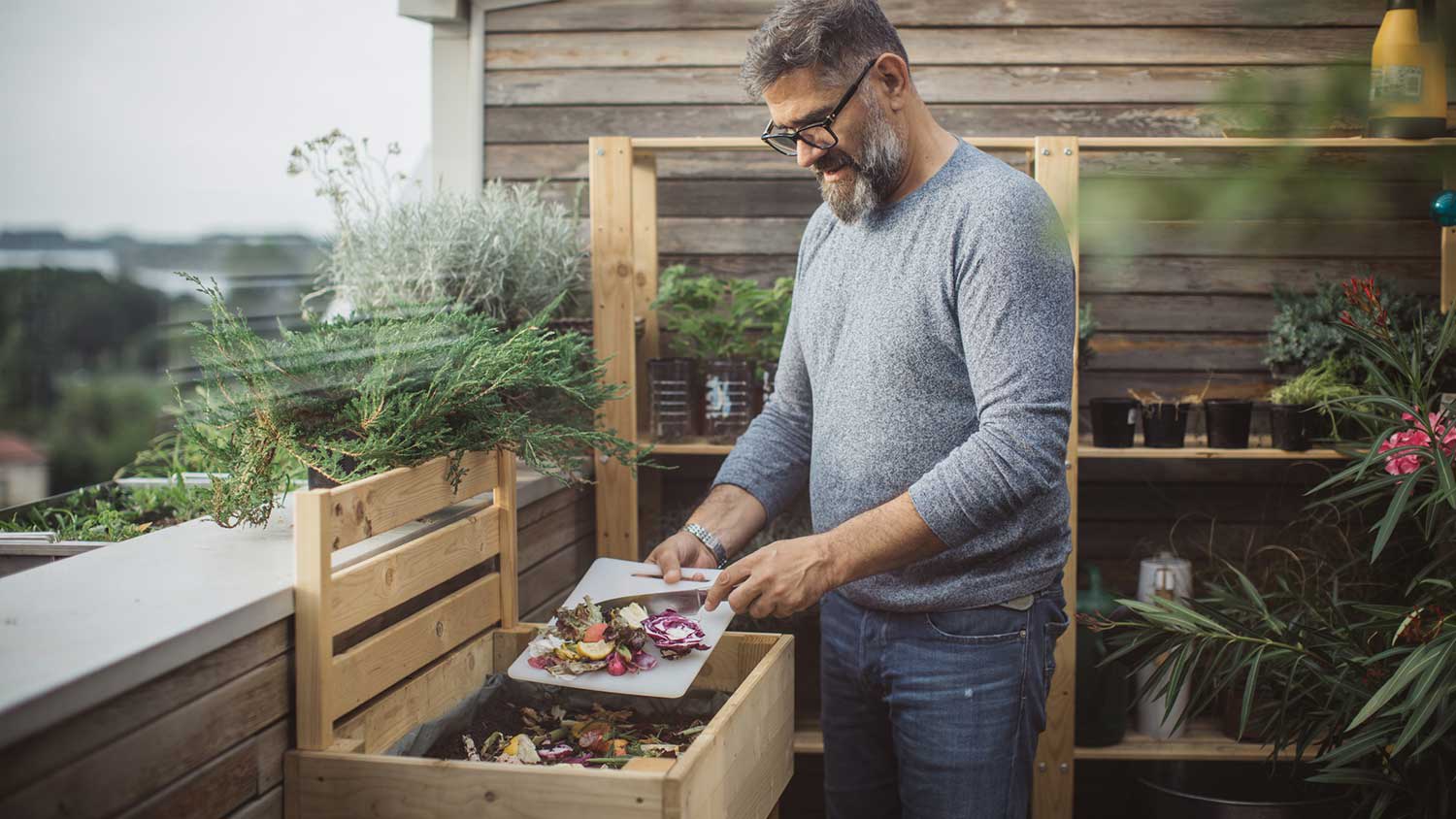
You’d love to make compost for your garden. You just don’t know how to DIY this homemade fertilizer. Read on for step-by-step instructions.

Composting provides many economic, social, and environmental benefits that better the world. Check out how composting helps reduce food waste and more.
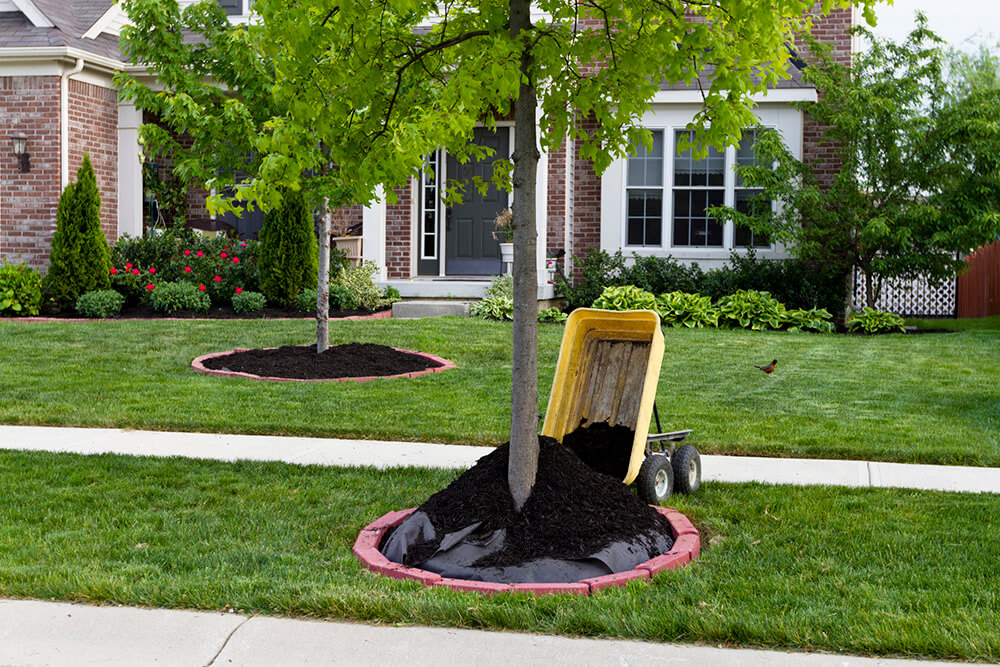
Making mulch for your garden does not have to be complicated. Find out how to make mulch using six different materials here.
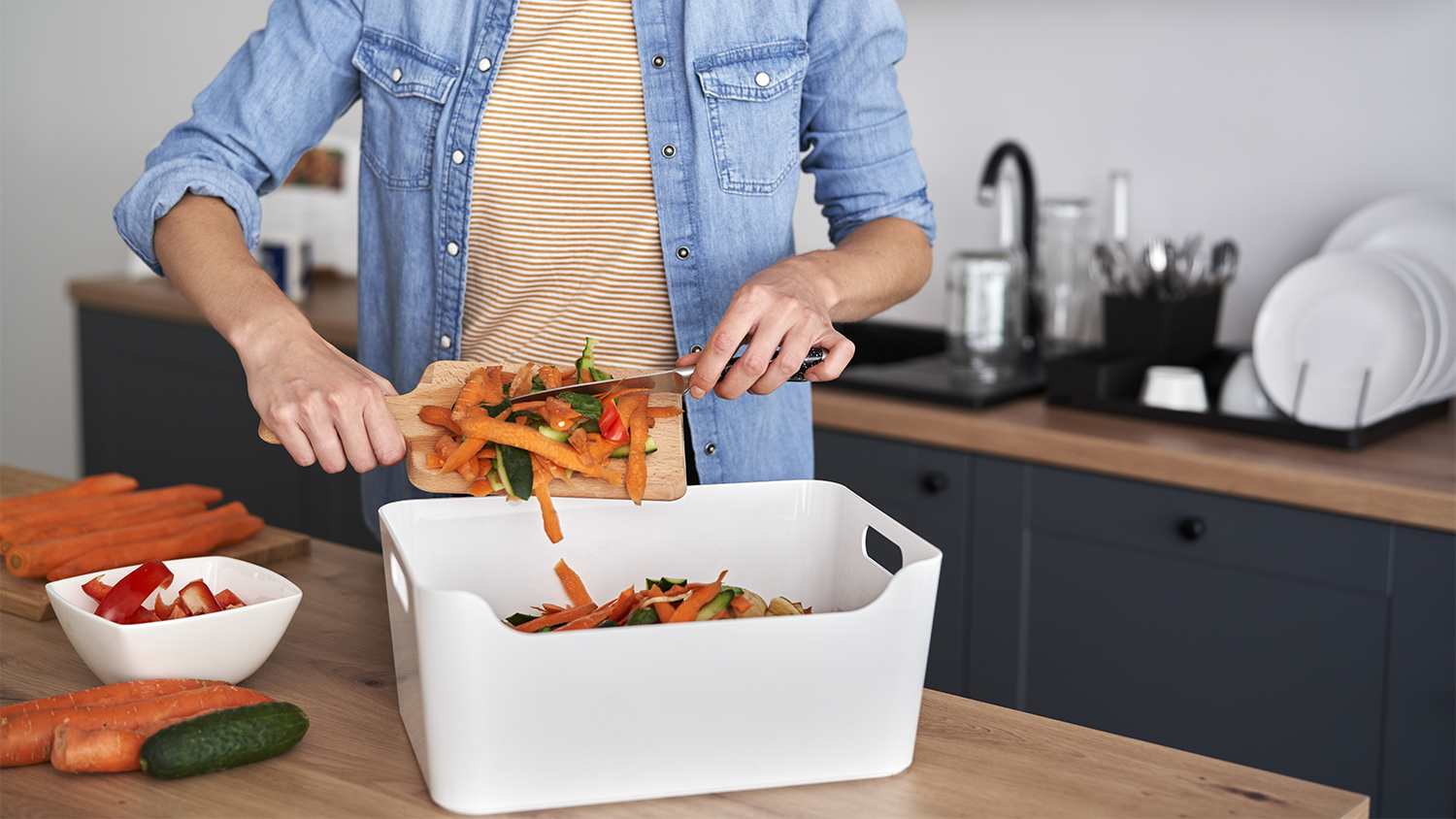
Are you ready to turn leftover food into a usable, healthy fertilizer for your soil? Become a composting pro with these tips on what to avoid while composting.
If you are wondering how to compost yard waste, we share the best methods for homeowners, including helpful tips.