

Walkout basements cost more to install than traditional basements. Our guide explores the factors that affect how much a walkout basement costs.
These common basement and foundation terms will come in handy

Foundation movement shows up as bulging basement walls, shifted concrete blocks, cracks in mortar joints, or interior wall cracks that signal your home needs attention.
Moisture issues like capillary action force water upward through porous concrete or soil, eventually saturating your foundation and leading to cracks and structural weakness over time.
Proper drainage protects your foundation by using berms to direct water away, installing drain tiles at or below the footing, and keeping moisture from pooling.
Hiring a local foundation repair professional provides reliable support when you spot stair step cracks, foundation settling, or movement issues that need structural engineering expertise.
There are many unique turns of phrase and bits of lingo associated with the foundation or basement of a structure. It can be overwhelming, particularly for new homeowners. If you suspect something may be wrong with your home’s foundation, you may not know how to explain the situation to a qualified foundation engineer. That’s where we come in.
We’ve assembled a handy glossary of terms that you can call upon whenever you need to describe foundation issues to a technician, an inspector, or even a neighbor at your next block party.
Beams typically refer to slabs of wood or concrete that offer structural support to the girder, whereas the girder is a slab of wood or concrete that offers structural support to the foundation itself. Beams and girders can vary in size, width, and load-bearing capacity, though girders are typically much larger than beams.
A concrete or steel-reinforced beam is usually installed along the perimeter of a foundation to add strength and rigidity. Make sure any beam or girder being used to protect the integrity of a basement or foundation features rebar or post-tension cables for added support.
These foundation terms are generally used interchangeably but it’s important to remember that all girders are technically beams, but not all beams are girders. It depends on what they are supporting.
This is a simple one. If you hear a construction expert referring to an area of your home as being “below grade,” that just means it’s below ground level.
Basements by their very nature will be below grade, but so can the ground level of your home, depending on how the foundation lays and the geographic makeup of your neighborhood. A good foundation will typically exist both below and above grade.
A berm is a heap of soil placed near the foundation to help direct and control the flow of water. Berms help prevent foundation damage by forcing moisture to drain away from the house.
Keeping standing water away from the foundation is one of the primary maintenance steps a homeowner should take to reduce costly structural issues. In other words, a properly placed berm or two is your friend.
If your foundation or basement is only being supported at one end, an expert will say it’s cantilevered. Some engineers cantilever a foundation on purpose, for special load-bearing circumstances, while others become cantilevered over time as the building materials degrade.
In the latter case, you’ll need to install supports on one end of the foundation to eliminate sags and keep the benchmark steady.
Capillary action is the movement of water through a porous material, such as soil or concrete block. Capillary action causes porous materials to become saturated and it forces the water upward against the force of gravity. Eventually, moisture seeps into the foundation like a sponge, leading to a rise in standing water. This is called capillary rise. Left unchecked, a capillary rise can cause cracks in the foundation and an overall weakness in the structural integrity of your home.
To reduce capillary action and eliminate standing water near your foundation, install a drain tile. The drain tile is a subsurface piping system that directs underground water away from the foundation of the home.
Usually, this piping is a 4-inch diameter plastic tube with rows of holes or slits. This drain tile installs at or below the footing, which is why it’s sometimes referred to as a footing drain.
This foundation term is important to know. If your concrete foundation has seeped with moisture, an expert may say it is experiencing efflorescence. White discoloration on the surface of concrete structures typically indicates concrete efflorescence. Curing your concrete foundation can help prevent both cracks and efflorescence, but even cured concrete can still be somewhat porous.
The footing is the concrete base of the foundation that’s poured into the foundation trench. This base supports the foundation and is usually poured as an integral part of a slab. If the footing becomes exposed to regular moisture, the foundation could sag and cracks could appear.

A home’s foundation is its primary supporting layer. The foundation acts as a structural intermediary between a house and the soil beneath it. It is extremely important, so perform due diligence to prevent foundation issues.
The term foundation movement is the shifting, settling, or movement of the foundation walls, especially in the basement. Bulging walls, shifted concrete blocks in the basement, and cracks in the mortar joints all point to foundation movement.
Cracks in the interior walls of the home can also signal foundation movement. Some of the causes of foundation movement are hydraulic pressure, improper construction practices, and freeze/thaw conditions in the soil.
While some types of foundation movement are easy to spot, a plumb line or string line may be necessary to determine the extent of movement.
A foundation’s load path refers to the direction in which weight passes through the base of your home. A healthy load path will see weight beginning at the top of the home, passing through to the footing, and finally moving on to the foundation itself and the soil that lays beneath it. A proper load path ensures a strong and durable foundation.
A monolithic foundation is a slab and foundation combination that is poured all at one time. It does not have a full footing and foundation wall configuration. The foundation forms by pouring the slab thicker at the edges. You’ll find monolithic foundations primarily in locations where the ground does not freeze, to prevent damage due to the freeze/thaw cycle.
This kind of pier does not refer to your favorite fishing spot, but rather indicates a support located underneath the foundation. Piers are typically wood, concrete, or steel. Piers connect to the foundation via a pier cap and metal shims.
Think of a pier cap as the screw or anchor and the metal shim as the nut or washer. The process of piering is sometimes referred to as underpinning, so be on the lookout for that term.
A poured concrete foundation is one in which the foundation is formed with lumber and then filled with concrete, as opposed to a foundation built of concrete blocks. Vertical steel reinforcing rods strengthen the foundation. A poured concrete foundation is sometimes referred to as a stem wall and typically follows the perimeter of the home.
Stair step cracks are separations in the mortar joints of the concrete block foundation. The separation runs down the vertical joint and across the horizontal joint, forming a crack that looks like a set of stairs. Stair step cracks are usually the result of foundation settling or movement. If you notice stair step cracks, do not hesitate to contact a structural engineer.
Trees are a fantastic way to increase the aesthetic value of your yard. Unfortunately, a tree’s roots will remove moisture from the soil around your foundation in a process called transpiration. To prevent soil shrinkage and other negative impacts of transpiration, consider installing a root barrier.
Tuckpointing is the process of removing old grout or mortar that has deteriorated or become damaged. An expert removes old mortar to a uniform depth and replaces it with a new mortar mixture, thus protecting the foundation. A number of things cause mortar damage, including hairline cracks introduced by the freeze/thaw cycle and standing water.
The basement wall cove or wall cove joint is the juncture where the floor and the wall join. The cove joint can be a primary area for leakage and is highly susceptible to moisture damage. So keep an eye on it as part of your basement maintenance routine.
The water table is an underground level below which the soil is saturated with water. It is the upper surface of what is called the zone of saturation. The water at this level is at atmospheric pressure. Foundations constructed at or below the water table are subject to damage from soil shifting and foundation settling.
Weep holes are a drainage option for block foundations. They are small openings in the exterior of the foundation that allow water formed in the interior of the block to drain to the outside. They are formed by leaving gaps in the mortar or by using small tubes surrounded by the mortar. Weep holes are generally installed above grade and can be covered with netting to prevent insect invasions.
Now that you have the hang of common basement and foundation terms, you can talk confidently about any issues you might be having. If you don’t have DIY experience, considering hiring a foundation repair company in your area.
Finished Basements Plus was wonderful from beginning to end! First, they came out quickly for an estimate. I had 4 estimates and theirs was by far the best. (2 of the estimates were more than $20K higher than for the exact same work). Beyond their fair pricing, the work was excellent. They...
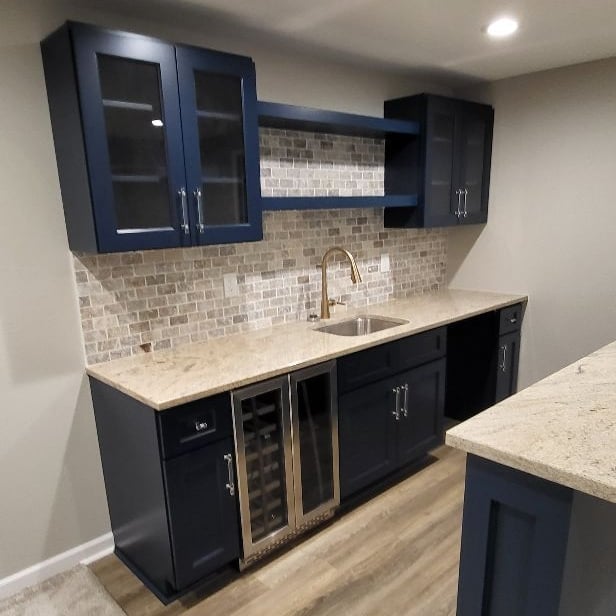 Finished Basements Plus Inc.
Amazing job. Efficient and quick without compromising quality. Basement feels brand new. Would use them again in a heartbeat.
 AffordaPro Restoration
Window Depot did an amazing job installing the windows in my basement! The process from start to finish was by far more than what I expected. I would highly recommend Window Depot if you want professionalism from the the consultation to the installation. Dont settle for mediocre when you can...
 Window Depot USA of Central Ohio
They cleaned my very dirty basement. They were prompts, quick, thorough and their price was fair.
 JDE House Cleaning LLC
I am very pleased with the services performed by OTS. Bless my late Mother, but she was a bit of a pack-rat. The basement of her home was crammed with 40+ years of "stuff," and the other companies I contacted were concerned with possible mold contamination of the items due to the musty smell...
The company was very easy to work with. My family is now able to enjoy a space that at one point, only collected junk!!!! I feel like i have a whole new addition to the house!!! Wonderful work Blurock on our basement, will recommend!
 BluRock Services, Inc.
Excellent work. Opted for the service contract which provides spring and fall checkups and deduction on maintenance charges which seems to be a good value. Initial dehumidifier for our large basement was undersized. They replaced unit after it failed with a larger unit and charged only for...
 Total Comfort Heating & Cooling Inc
We had water in our basement and Roto Rooter was original contact to evaluate the situation. We were informed that our sewer main was fractured and needed repair. We received their estimate and then looked for counter offers. Ohio Basement Authority came with the best quote for the work. Once...
 Ohio Basement Authority
Called Mark on a Thursday morning. Not really knowing if he could help me or not. I was having driveway, flooding issues due to a clogged channel drain and I was trying to figure out what direction to take. Heavy rains had come on Monday and again on Thursday leading to flooding in my garage...
 Mark Rodgers Construction
The crumbling basement wall needing repair is beneath a large 2 story porch. What i thought would be a complicated project was made very easy by this crew. I was very impressed with the speed and quality of the work performed. The job was finished in just a week as estimated. There were...
 Groundworks
From average costs to expert advice, get all the answers you need to get your job done.
Walkout basements cost more to install than traditional basements. Our guide explores the factors that affect how much a walkout basement costs.
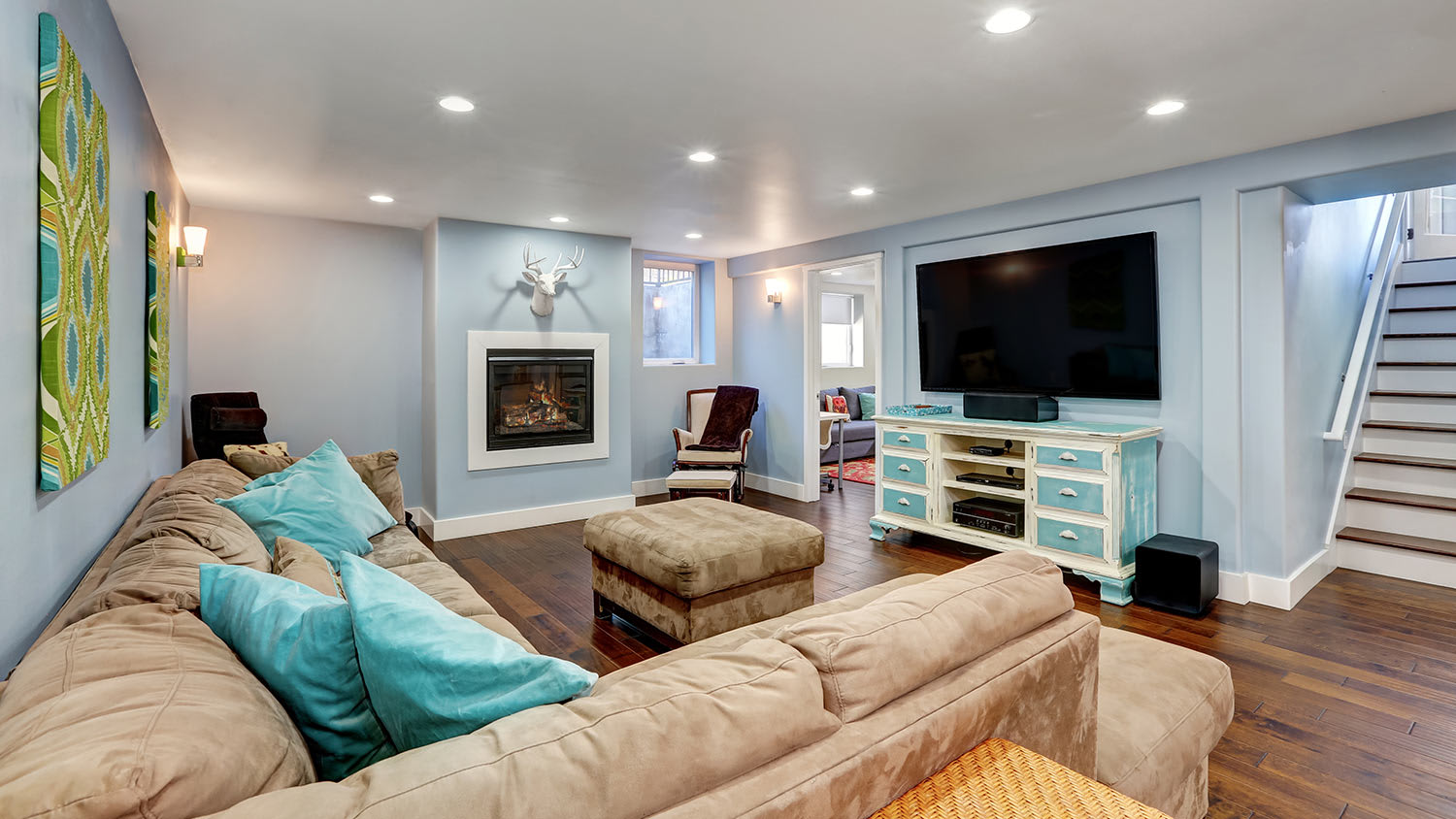
Need to fix basement water problems or safeguard your home from damage in the future? Use this basement waterproofing cost guide to budget appropriately.
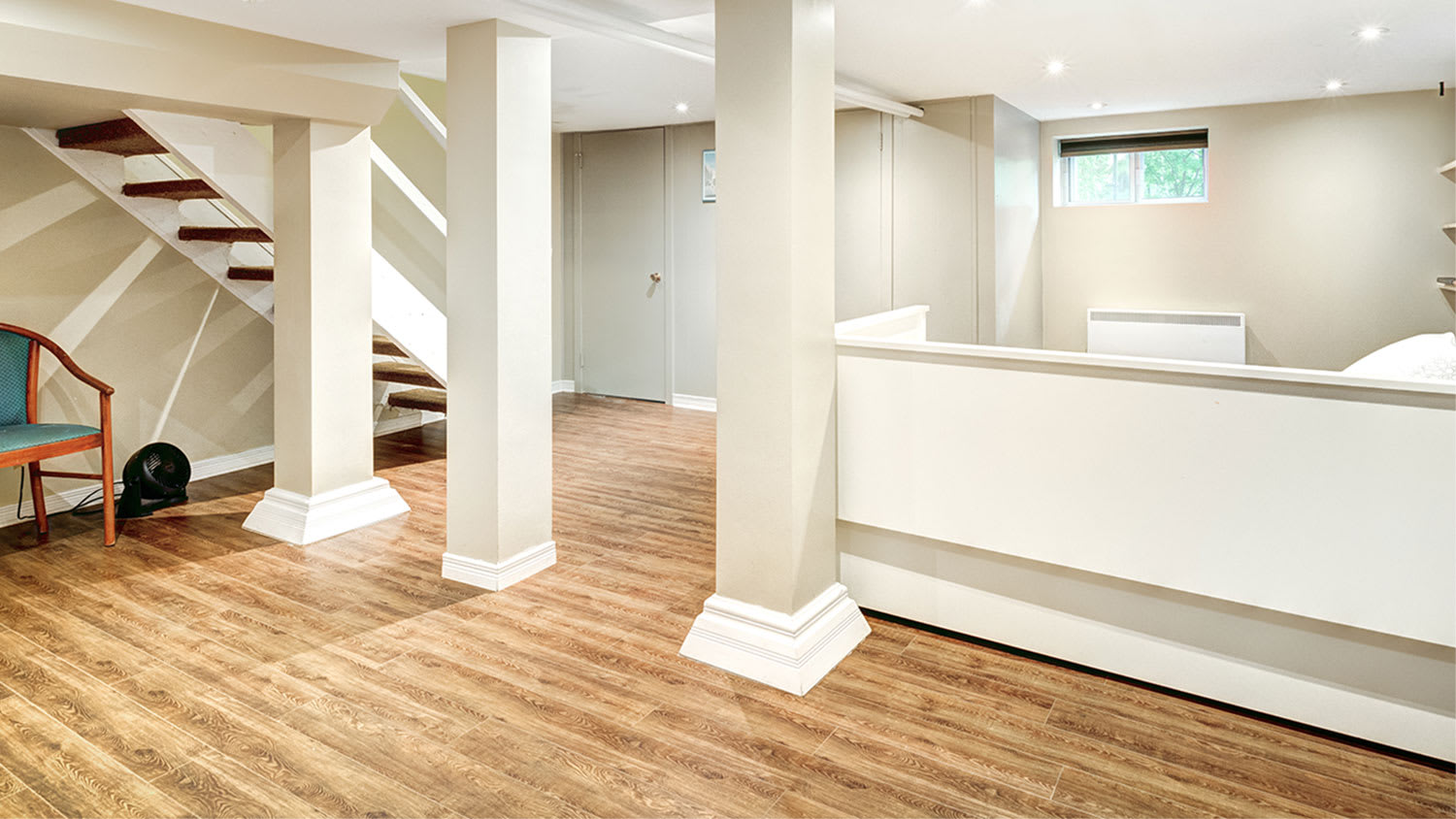
Discover the average crawlspace to basement conversion cost, key price factors, and ways to save. Get transparent estimates and expert tips for your project.

Learn about choosing between a basement foundation and other types, and discover the pros, cons, costs, materials, and potential repair needs.

Discover eight home foundation types for home construction, their functions, benefits and drawbacks, and how to identify each kind.
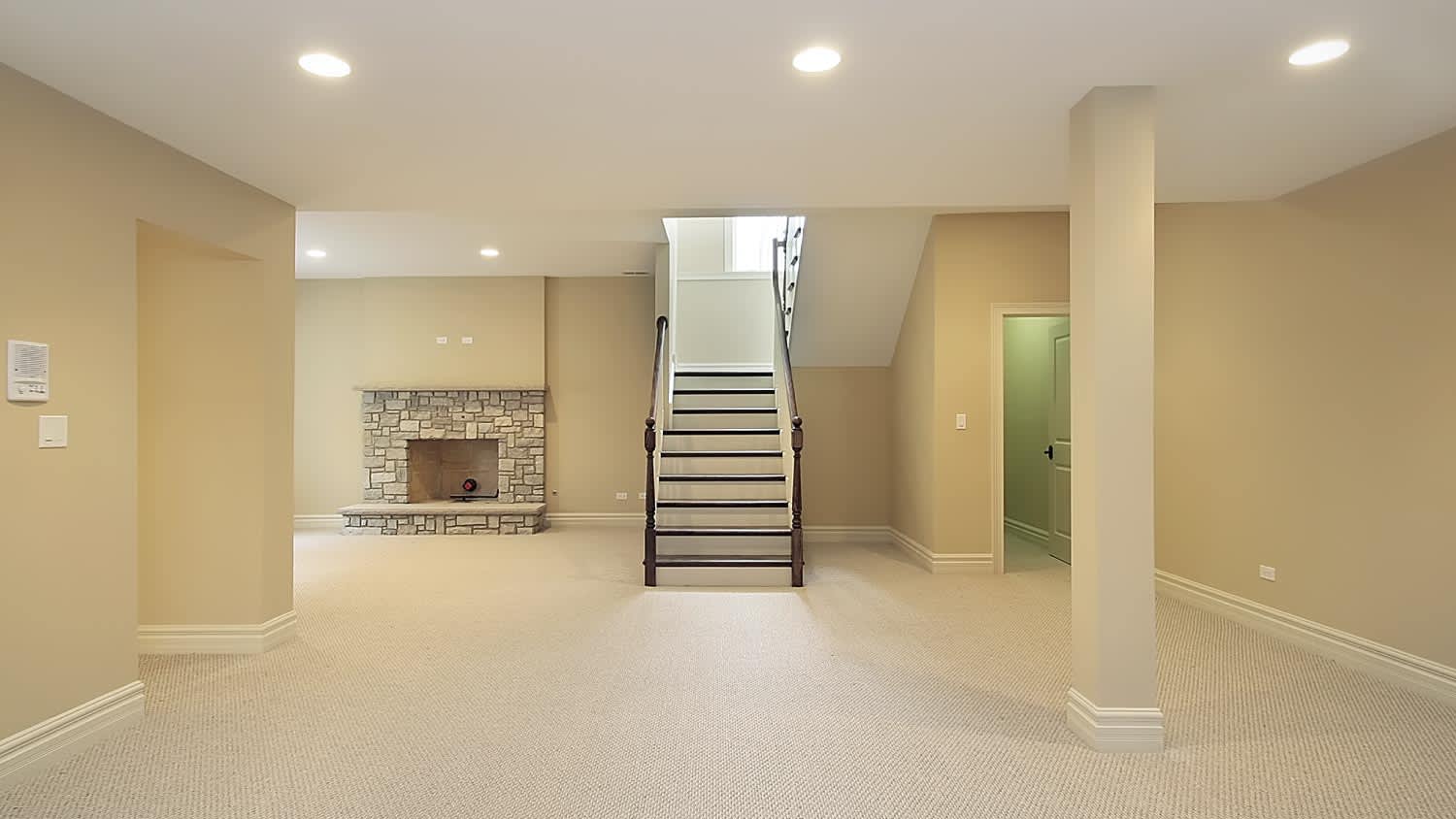
Can’t seem to get rid of the moisture and mold in your basement? Learn why basements tend to hold moisture and how to get rid of moisture in the basement.