
All foundations crack, but not all cracks indicate structural issues. Learn about when to worry about foundation cracks and call in a professional.
Knowing when and how to repair cracks in your foundation can protect your home—and your peace of mind


Horizontal foundation cracks wider than 1/8 inch indicate serious structural issues, often caused by unbalanced soil pressure pushing against your concrete block walls.
Typical horizontal foundation crack repair costs range from $160 to $1,000, so addressing cracks early helps you avoid more expensive structural damage.
Monitor all cracks closely for changes in width or length over several months, using the quarter test to track whether your foundation damage is worsening.
Hiring a local foundation repair professional provides expert diagnosis of soil pressure issues and structural damage, plus reliable repairs using steel reinforcement or carbon fiber straps.
When you start noticing cracks creeping across your home’s concrete block foundation, it can be scary. The good news is that not all cracks spell trouble for your home’s structural foundation, but you should certainly be cautious of them.
Many cracks are cosmetic, the result of ordinary weathering and aging of your concrete or block foundation. After all, it’s not easy to hold a whole house up in all kinds of weather conditions. (You’d look a bit worse for wear after a while too!)
Even when cracks indicate a bigger issue with your home’s foundation, that doesn’t mean it’s time to panic. Repairs can be made, and while they may not come cheap, they don’t have to cost an arm and a leg either. Even major foundation cracks can generally be repaired for around $800, on average.
But those costs can climb if there are other, more significant issues with your soil, drainage, or how it was designed or installed. These issues can require additional digging or installing supporting piers around the foundation.
In almost all cases, though, it’s a good idea to consult with a structural engineer to help you determine if you need to address the cracks, as well as the safest and most cost-effective way to protect the structural integrity of your home.
One of the most important tell-tale signs that the cracks in your concrete block foundation may be more than cosmetic is if they’re horizontal, large, and growing. Make sure to closely monitor even small cracks for changes, noting whether they are lengthening or widening and how quickly. You should also pay attention to things like temperature and rain exposure because these details can help the experts determine what’s causing the cracks and how best to repair and prevent them in the future.
"One simple way to keep an eye on this is the quarter test," says mason and concrete contractor Matt DiBara. "If you can fit a quarter within the crack, it is important to keep track of its movement. One approach is to check it every six months using a quarter to gauge whether the crack is changing." According to DiBara, this test is helpful in distinguishing between something minor, like a natural expansion crack that’s of little worry, and something major like a section of insufficient drainage or soil.
If you do notice changes, you need to call in a professional foundation repair company near you. Having a record of the details of all the cracks causing concern can help your pro more quickly diagnose the problem and come up with the best solution for your home—and your bank account.

Lots of factors, from soil conditions to weather events to plant and tree growth, can impact your home’s foundation.
Unbalanced soil pressure is the most common culprit for horizontal cracks in your concrete blocks. When soil pressure becomes excessive, it causes the foundation to shift. The movement generally causes horizontal cracks at the center or near the top of the wall. Sometimes, the soil pressure may shear the first course of concrete block above the basement floor slab, causing the wall to slide inward. These cracks will staircase up and down the foundation walls near the ends of the wall.
Horizontal cracks often occur in areas with not-so-great drainage. If the soil beneath and around your foundation becomes oversaturated, this causes the soil to gradually erode away and creates pressure imbalances, causing your blocks to crack.
Cracks can also be found in porches or steps anchored to the foundation walls. When porches or steps are installed, they typically have a very shallow foundation and may settle due to the un-compacted fill soil along the foundation, causing the top of the wall to pull outward or push inward.
Less common causes of horizontal cracks include soil settlement, landslides, or the lack of concrete foundation anchors connecting the wall to the floor framing.
There are few things scarier to a homeowner than a faulty foundation. But you have a number of options for repairing cracks in your foundation.
If the wall is pushed inward due to unbalanced soil pressure, installing steel columns or steel reinforcing rods with solid filled concrete blocks will help brace the foundation. If the house is located on a sloping lot, the appropriate repair may also include reinforced concrete buttresses or counterforts.
Some homeowners prefer to use carbon fiber straps to stabilize and reinforce their concrete foundation. Generally, the straps are affixed to foundation walls using epoxy, but this often costs more than bracing with steel columns or reinforcing walls. Carbon fiber straps also will not fully repair a wall that is sheared at the bottom.
Yard anchors can also help to provide support to a cracking foundation. They can consist of straight stakes or spiral steel to help decrease erosion and provide structural support, particularly by preventing the soil pressure imbalances that are so damaging to your foundation. But these require tightening twice a year due to anchor creep in the soil, and they also cost more than bracing.
Another possible repair is to excavate the foundation and install a new exterior wall against the existing one. But unless this new wall is specifically designed as a self-supporting retaining wall for your home, this method might not stop lateral movement.
While you might think you’re all set once you’ve installed your reinforcing rods or built a new exterior wall, think again. Regrading the yard to better level the soil, stop erosion, and prevent moisture from accumulating around your foundation may, in fact, be your best solution.
But to get the most bang for your buck following regrading, you need to pay particular attention to your guttering and drainage to prevent the problem from rearing its ugly head again. Though, installing an exterior or interior waterproofing system does not eliminate soil pressure or stop lateral movement.
When you find yourself facing foundation repairs, one of the best things you can do for yourself and your home is to bring an expert on board. A local structural engineer will have the training and expertise to pinpoint the cause of the issue. They will also analyze the layout of your lot and environmental conditions in your area. This will allow them to create the most efficient, effective, and affordable repair strategy for your needs.
While finding any cracks in your basement or foundation wall can be unsettling, there are steps you can take to determine if calling for professional repair is urgent or not. Finding a hairline crack or two near windows or doors is usually not cause for alarm. Horizontal cracks less than ⅛-inch wide where the wall meets the basement floor are typically not worrisome either.
Monitor the cracks over several months to determine if they are growing in width or length. If there is no change, your DIY solution is to fill them with hydraulic cement and paint over them.
However, if you find several small horizontal cracks or any horizontal cracks wider than ⅛-inch, it's time to be concerned. Calling in a local foundation repair company is your best bet. An expert can diagnose and often repair the trouble early for around $800, on average, before further problems can occur.
Positive experience. As previously stated, the replacement/repair could not be completed (no fault of the plumbing tech) b/c misinformation was rec?d by property management maintenance. Thanks to the plumbing tech for your efforts. Appreciate you!
 The Waterworks
Carpet repair done well. Scheduling was easy. Showed up on time.
 BR Flooring Installation
I would recommend this company to anyone! He showed up on time, was friendly, completed a very difficult repair on our dryer vent cover, was responsive, and pricing was extremely fair and competitive. I would have him back to do any of our repairs or cleanings without hesitation!
 U.S.A. Dryer Vent, LLC
Everything from initial contact to completion was absolutely top notch. We contacted the business during off hours to leave a message, and the owner still reached out to feel out the issue within minutes. We were scheduled and repaired within 48 hours. I cannot say enough about the...
 Supreme brick & chimney
Ace Fireplace Services came to the rescue for my chimney repair. They were quick to pinpoint the issue and worked their magic to fix it. My chimney is now in excellent shape, and I'm a satisfied customer.
 Ace Fireplace Services
On Sunday 2/26 I requested quotes via Angi from 4 refrigerator repair businesses. Northwest Appliance responded to me Monday morning (2/27) and my refrigerator was repaired by noon the same day. Great communication, they did everything they said they would. The technician had the parts on...
Great experience all together. Dog friendly, courteous, great results and honest with recommendations. Will certainly be using Cardinal in the future for any carpet repairs
 Cardinal Carpet Care & Repair
Description says they handle window repair including rotten hardwood - they called me back right away but didnâ t leave a voicemail. I followed up 3 days later and they said they donâ t do that kind of work.
 Window-Gurus
Chaz, the owner, was very responsive and he communicated with us throughout the entire process. The overall cost was in the middle compared to the three estimates we received. The installation crew was very professional. Chaz was considerate enough to send a crew back to our home to repair...
 Unique Hardwood Floor LLC
Great guys. Spend a lot of time repairing and prepping our walls before doing the new paint. Home looks great now.
From average costs to expert advice, get all the answers you need to get your job done.
All foundations crack, but not all cracks indicate structural issues. Learn about when to worry about foundation cracks and call in a professional.

Foundation cracks can be a sign of serious foundation damage. Learn what causes foundation cracks and when you should call a pro.
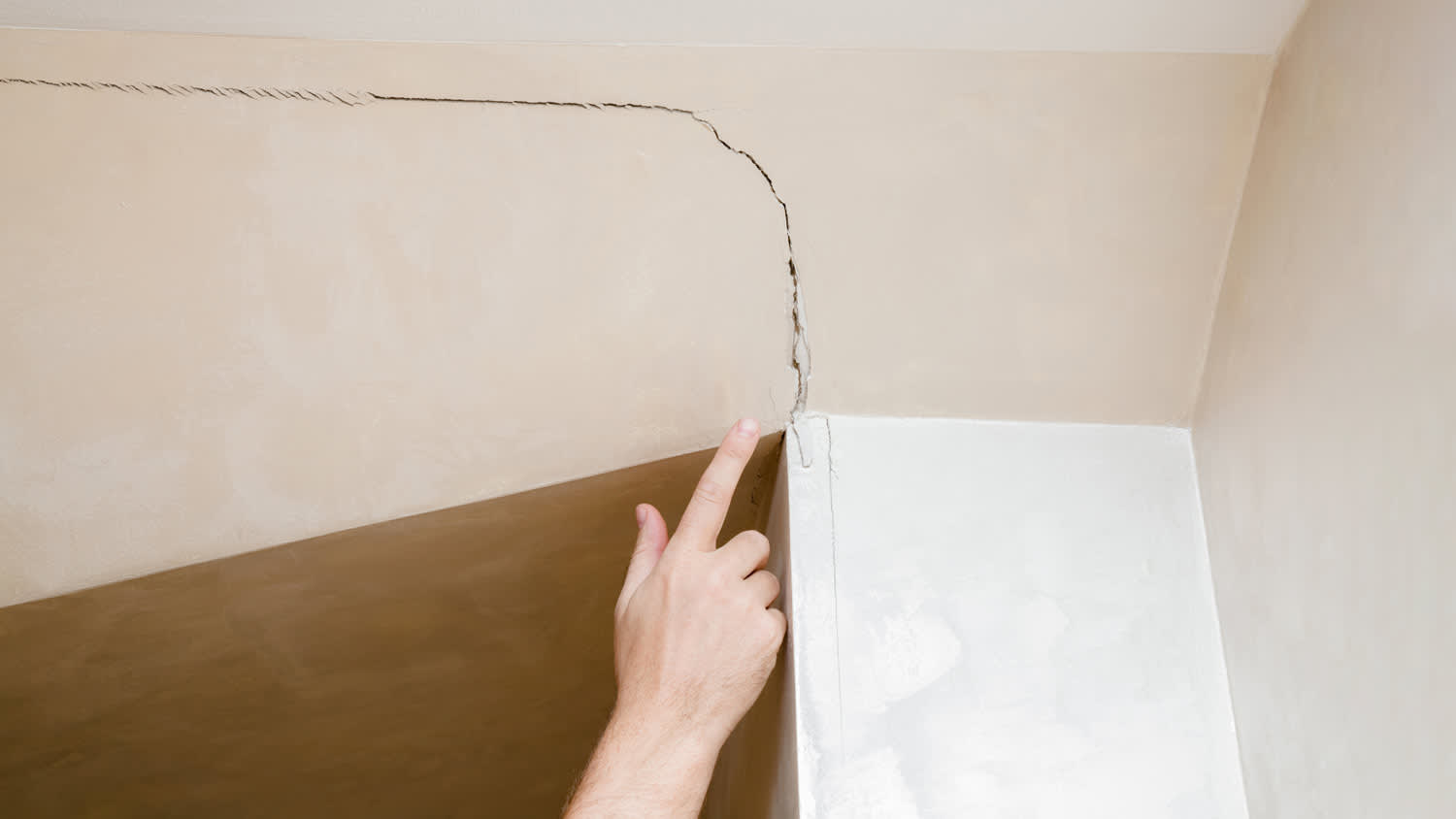
Some cracks in your drywall are harmless, while others require attention. Learn if cracks in your drywall indicate foundation problems and what steps to take.
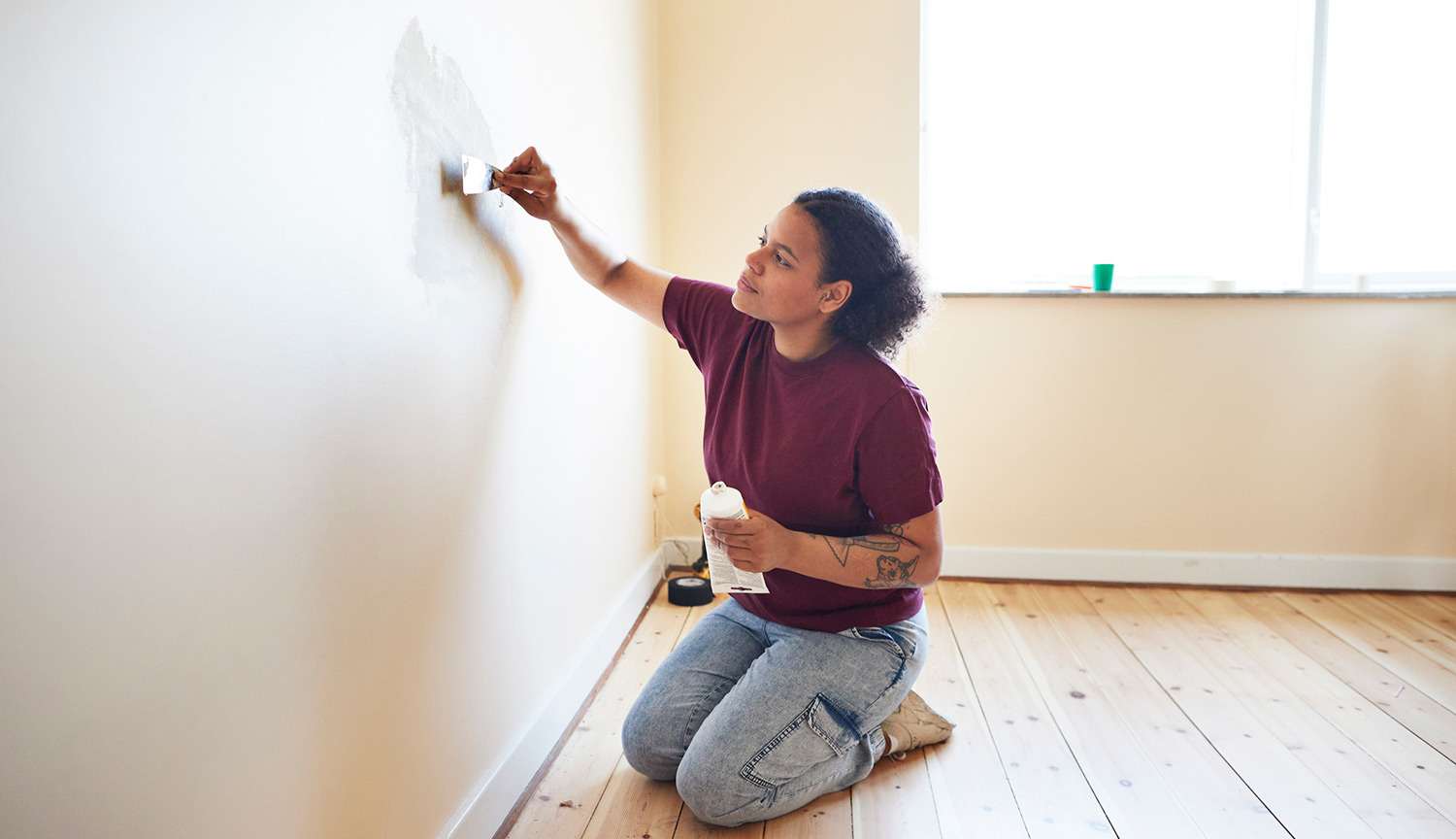
Some types of drywall cracks are normal, but others are warning signs that something is wrong. Learn more so you can act quickly.
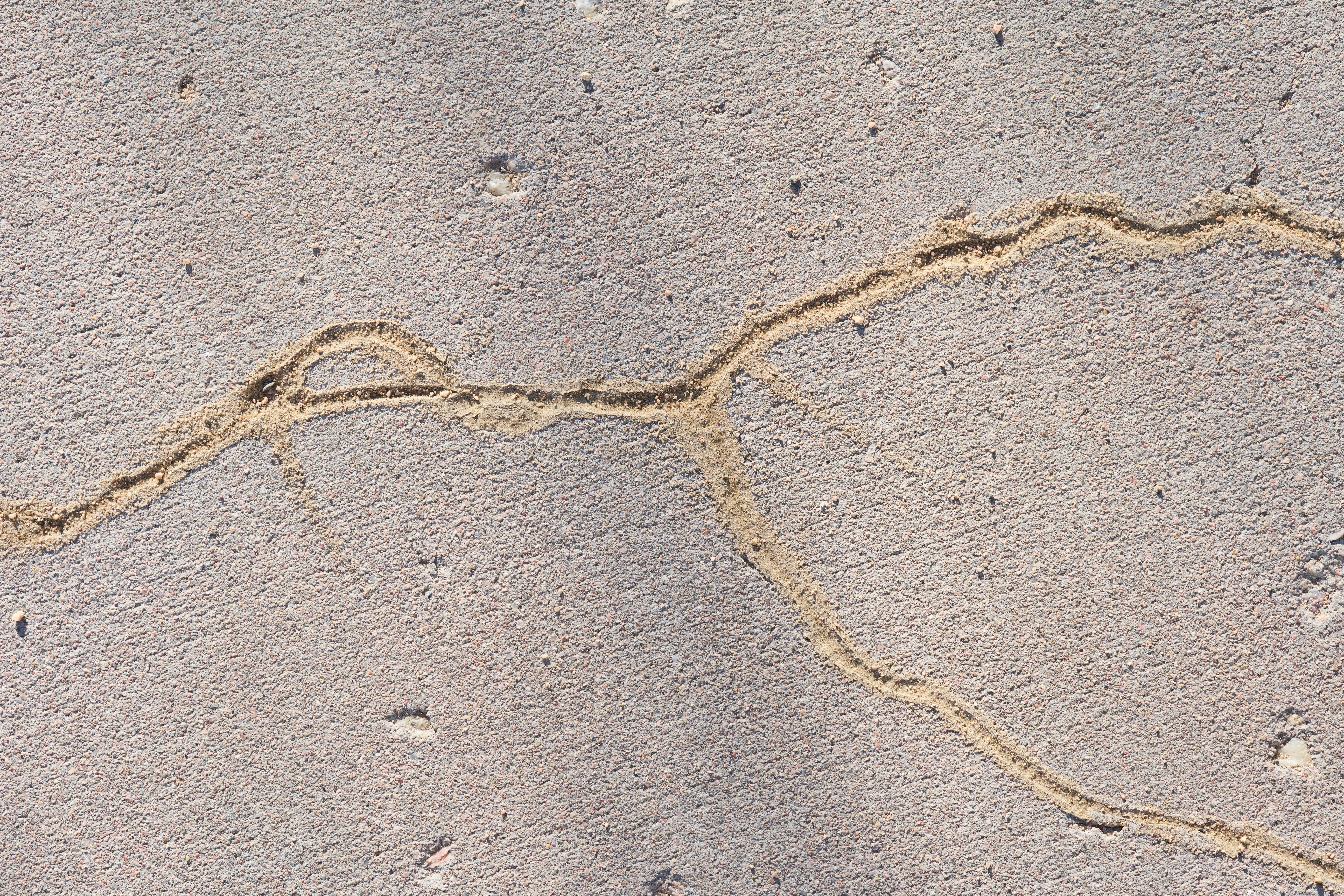
It’s important to know when concrete’s structural integrity is at risk. Learn more about the types of cracks in concrete so you know what to look out for.
Repairing foundation cracks is often possible for homeowners to do independently. This guide breaks down how to fix foundation cracks in all forms.