

Buying a house in a flood zone can pose a risk, but it’s not always a bad idea. Check out our tips to make sure you stay protected when moving.
What to look for and do when the waters recede

Flood damage to your home includes structural issues like foundation cracks and warped flooring, plus destroyed walls, roofs, and insulation from water saturation.
Expect to pay $3 to $7.50 per square foot for professional water damage restoration, so addressing flooding early helps protect your home and budget.
Document all damage with photos or videos before cleanup, and contact your insurance company immediately to file a claim and start the restoration process.
Hiring a local water damage restoration professional provides reliable support with structural repairs and mold prevention, helping you restore your home safely and confidently.
Flash floods, urban flooding, overflowing rivers, and coastal storm surges—there are so many types of flood events that can disrupt lives and property. While not every type of flood may occur in your area, knowing which ones can impact you and the damage they can cause is essential. Understanding how to navigate floodwaters and clean up afterward can keep you safe and help preserve your property. Below, we explore the types of damage a flood can cause, how you can protect your home, and how to stay safe.

Your home and belongings are important, but nothing is more important than your safety. As with any natural disaster or potentially dangerous situation, always follow instructions from local authorities. If you’ve been asked to evacuate, don’t return until you have official clearance to do so or disaster declarations have been lifted.
Additionally, wait until you have the all clear from local officials before beginning any water damage cleanup efforts. Follow guidelines and Ready.gov disaster recovery recommendations to help keep yourself, your family, first responders, and the community safe.
Flooding can cause catastrophic and long-lasting damage. Along with water damage to belongings, floodwaters can cause structural problems, disable or destroy home systems, and encourage mold and mildew growth. Here’s what you need to know.
Your home is made of materials that aren’t waterproof, including wood, drywall, insulation, and more. So when water invades, the entire structure of your home can sustain damage. Be wary of these structural concerns, especially if you own or are buying a house in a flood zone.
Roof damage: Whether or not the flood reaches your roof, it can sustain damage. This can happen if water soaks up through building materials to the roof or floodwaters weaken your home’s structural support so that the roof sits on compromised materials.
Foundation damage: Flooding can erode soil and push against building materials, leading to cracks or shifting in a home’s foundation.
Destroyed flooring: Flooring is one of the first flooding casualties. Water saturation can warp wood floors, floorboards, and subflooring. Carpeting and padding will become waterlogged, and water under vinyl and plank floors will cause permanent damage if not dried right away.
Wall damage: When water from the floor soaks into drywall and insulation, you’ll almost always have to remove and replace it. Otherwise, walls will warp and grow mold.
Water and electricity never mix. Flooding can cause electrical shorts, panel failure, broken or frayed wires, and other problems. Don’t use electrical outlets, switches, or electric-powered home systems until you get the all clear from a licensed electrician.
Heating, cooling, and ventilation systems are particularly susceptible to flood damage. Expect to repair or replace condenser coils, fans, and electrical components, including fuses, wiring, and circuits. If the water was high enough or the HVAC system stayed wet for an extended time, you may need to replace the entire unit.
Because septic systems and wells are underground, floodwater can easily get inside. Septic tanks can fill with water via the lid, inlet, or outlet. If the drain field becomes saturated, the system may back up into your home. If floodwaters breach your well, they can contaminate it and even cause it to collapse.
Exposure to any kind of water can ruin appliances. They can suffer motherboard and electrical panel failure or destroyed wiring and circuits. When refrigerators and freezers stop working, food will spoil, leaving a stinky, moldy mess.
Before powering on any appliances exposed to floodwaters, be sure they’re completely dry. Have them checked by an electrician or appliance repair company.
It only takes 24 to 48 hours for mold and mildew to grow on damp surfaces and materials. Flooring, drywall, and insulation are especially vulnerable to mold growth as they soak up and hold water. The same goes for furniture, clothing, and other soft materials.
As soon as it’s safe, remove and dry out items to prevent mold growth. Before entering, you may have to call your utility company to shut off the power and gas. A local water damage restoration company can also help you repair the damage.

Water loves the path of least resistance, and that’s bad news for homes during a flood event. Here are the six most common places where water can enter your house.
Water can push in or break through doors and windows, especially if they don’t have proper seals or latches to keep them closed and watertight. Windows low to the ground or beneath ground level (such as basement windows) are especially vulnerable.
Heavy rains can damage roofs during flood events, letting water pour in from above. Once water starts coming in, the damage can be swift and severe. Keep your roof in good repair, and have regular inspections to look for areas where water can get in.
If your home has cracks in the foundation due to ground settling, shifting, or past water damage, these weak spots will let water in during flooding. Even a mild storm can cause basement flooding. Repair foundation cracks as soon as you notice them, and call a basement waterproofing company in your area to keep your basement dry.
Water can flow backward through pipes, drains, toilets, and sinks when it backs up into municipal sewer systems or septic tanks. This will let water into your home and wash raw sewage into it, contaminating your belongings and the structure.
If your area experiences prolonged heavy rains, rising water tables, or extended flooding, groundwater levels will rise and can seep through basements and crawl spaces. You may not notice it’s happening until there’s standing water in your basement.
While it might make sense to pump the water out right away, take the time to learn whether it’s safe to do so before you begin. If groundwater rises and you have water in your basement, it’s important to drain it slowly and in increments to protect the stability of your home's foundation.
The Federal Emergency Management Agency (FEMA) recommends caution and waiting until floodwaters have receded and groundwater levels return to normal before pumping out basements. Otherwise, as the groundwater outside continues to press against your home, it can crack or collapse your foundation or cellar walls. You can also speak with local disaster officials or foundation contractors near you for recommendations.
Every home has openings around pipes, utility lines, and vents, which allow water to flow in. Properly seal all of these entry points to keep water and pests out.
If the worst happens, always prioritize safety. Do not re-enter your home until you know it’s safe. Local authorities or emergency officials from organizations like FEMA or the American Red Cross will announce when you can return. For your safety and your community's safety, follow directions from local authorities and law enforcement.
Here are some tips for dealing with home flood damage:
Be aware of electrical hazards: Downed power lines, underwater wiring, and active electrical systems are shock hazards. If water is present, ensure the home's electrical source is turned off before entering. Never turn your home’s power on or off yourself after a water disaster. Instead, call your electric company or an electrician to turn the electricity on or off.
Look for structural damage: Walk around the outside of your home and look for structural damage. Pay attention to the roof, foundation, walls, doors, and other areas. If you have concerns, contact a general contractor or structural engineer for an evaluation and advice.
Document damage: Take videos or photos of the entire property, inside and outside, focusing on damaged areas.
Contact your insurance company: Call your insurer immediately to report the event and file a claim. Submit your documentation, including photos or videos from before the flood.
Start the cleanup process: The Environmental Protection Agency offers advice and resources for flood cleanup, including water damage repair and mold prevention and mitigation.
Prepare for repairs: At an average cost of $3 to $7.50 per square foot, water damage restoration costs can rise as quickly as floodwaters. Only hire licensed professionals to do the work, insist on written contracts and warranties, and coordinate with your insurance company to get the best results.
You can’t ever really prepare for a flood, but you can take steps to flood-proof your house and minimize damage if flooding happens on your property.
Have an emergency plan: Have an emergency plan for natural disasters. Set aside easy-to-grab essential supplies, identify a meeting place and emergency contact, and know what if a flood impacts your home. The American Red Cross has preparation tips and safety checklists to help you plan.
Get a sump pump: Sump pumps remove water from basements and low-lying areas. Installing a sump pump in your basement can prevent damage during small to moderate flood events. Have a sump pump pro inspect your installation or hire them to install your system.
Install flood vents: Flood vents are a type of stormwater drainage system that allows water to flow through a property rather than gathering in low spots or rushing past structural elements. Having flood vents in place is a smart idea if your home is in a floodplain or flood-prone area.
Build a flood wall: Protect your home from serious damage by building a flood wall that keeps water from getting too close.
Anchor fuel tanks and hot water heaters: Rising water can pick up and tip over fuel tanks, water heaters, and similar home systems. Anchor items to the floor or the ground to keep them from moving and causing more damage.
Elevate appliances: Appliances at floor level will become waterlogged in floods. If your home is at risk of flooding, place appliances higher than expected flood levels. While you may be unable to prevent damage from catastrophic flooding, you can mitigate damage during minor floods.
Before any storm, make sure your emergency supply is updated and adequate. FEMA and the American Red Cross recommend that every person have at least 72 hours of food, water, and portable power in case of emergencies—you should have more if you live in a hurricane- or tornado-prone area.
Finished Basements Plus was wonderful from beginning to end! First, they came out quickly for an estimate. I had 4 estimates and theirs was by far the best. (2 of the estimates were more than $20K higher than for the exact same work). Beyond their fair pricing, the work was excellent. They...
 Finished Basements Plus Inc.
Amazing job. Efficient and quick without compromising quality. Basement feels brand new. Would use them again in a heartbeat.
 AffordaPro Restoration
Window Depot did an amazing job installing the windows in my basement! The process from start to finish was by far more than what I expected. I would highly recommend Window Depot if you want professionalism from the the consultation to the installation. Dont settle for mediocre when you can...
 Window Depot USA of Central Ohio
They cleaned my very dirty basement. They were prompts, quick, thorough and their price was fair.
 JDE House Cleaning LLC
I am very pleased with the services performed by OTS. Bless my late Mother, but she was a bit of a pack-rat. The basement of her home was crammed with 40+ years of "stuff," and the other companies I contacted were concerned with possible mold contamination of the items due to the musty smell...
The company was very easy to work with. My family is now able to enjoy a space that at one point, only collected junk!!!! I feel like i have a whole new addition to the house!!! Wonderful work Blurock on our basement, will recommend!
 BluRock Services, Inc.
Excellent work. Opted for the service contract which provides spring and fall checkups and deduction on maintenance charges which seems to be a good value. Initial dehumidifier for our large basement was undersized. They replaced unit after it failed with a larger unit and charged only for...
 Total Comfort Heating & Cooling Inc
We had water in our basement and Roto Rooter was original contact to evaluate the situation. We were informed that our sewer main was fractured and needed repair. We received their estimate and then looked for counter offers. Ohio Basement Authority came with the best quote for the work. Once...
 Ohio Basement Authority
Called Mark on a Thursday morning. Not really knowing if he could help me or not. I was having driveway, flooding issues due to a clogged channel drain and I was trying to figure out what direction to take. Heavy rains had come on Monday and again on Thursday leading to flooding in my garage...
 Mark Rodgers Construction
The crumbling basement wall needing repair is beneath a large 2 story porch. What i thought would be a complicated project was made very easy by this crew. I was very impressed with the speed and quality of the work performed. The job was finished in just a week as estimated. There were...
 Groundworks
From average costs to expert advice, get all the answers you need to get your job done.
Buying a house in a flood zone can pose a risk, but it’s not always a bad idea. Check out our tips to make sure you stay protected when moving.

Not sure of the differences between water damage and flood damage? Our guide explains how these two types of similar-sounding damage are very different.

When a burst pipe or flash flood happens, it’s critical to act fast. Learn about water damage cleanup and how to mitigate water damage in your home.
Are you in deep water and wondering who to call when your house floods? More than likely, the list includes a few different pros. Get the details in this guide.
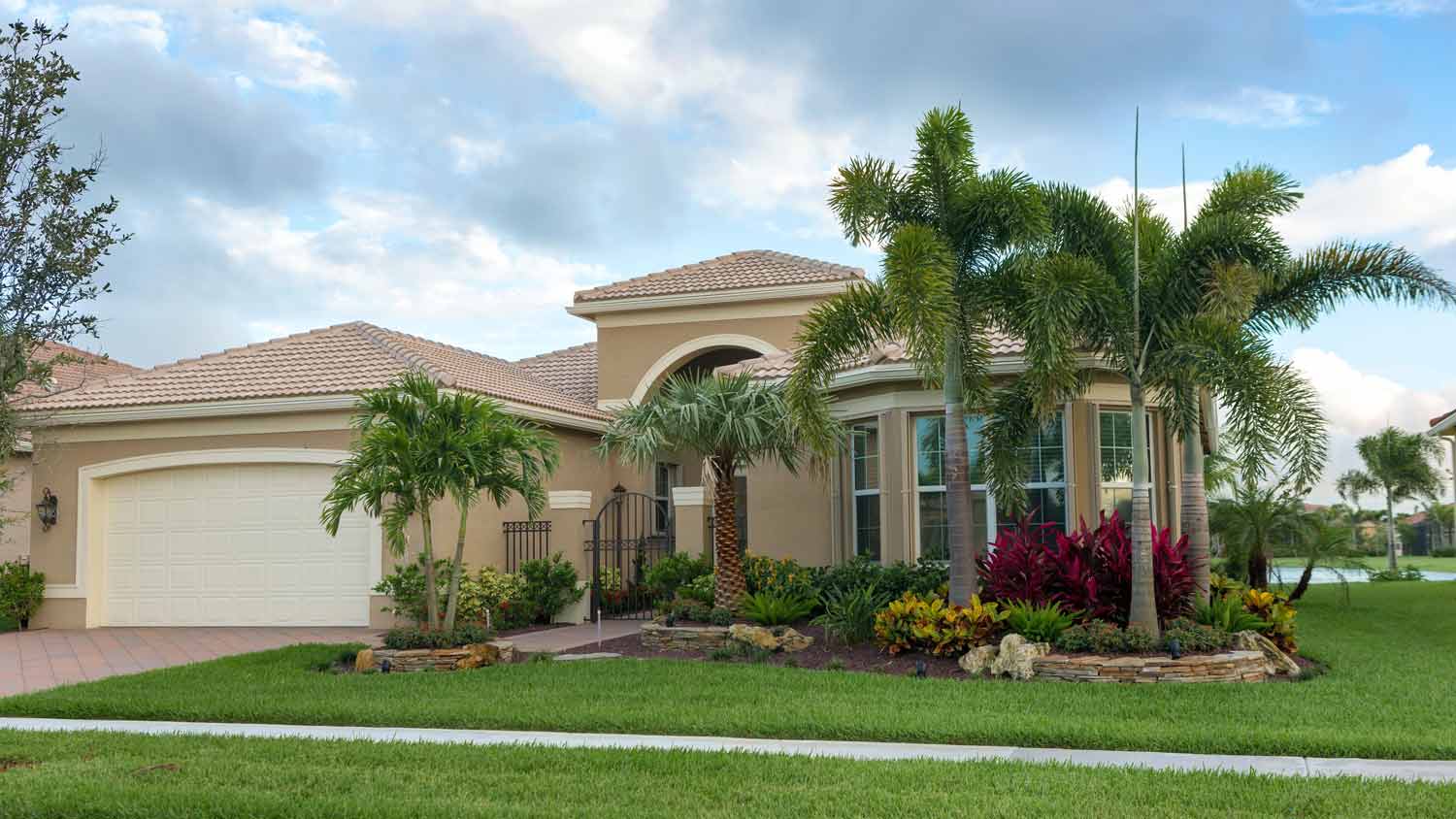
Do you live in a hurricane evacuation zone? Learn what damage a hurricane can cause, how to prevent it, and what to do after a cyclone or tropical storm.

When your basement floods, you need to get your home clean, dry, and safe again. Learn what you need to do and who to call for help